What is the Best Diet to Loss Weight

What Is the Best Diet to Lose Weight? A Complete Guide for Everyone
In the modern world, weight loss is one of the most frequently discussed topics in health and wellness. Millions of people embark on journeys to change their body composition every year, driven by a variety of motivations ranging from improved health and longevity to increased confidence and physical performance. However, the path to achieving these goals is often cluttered with conflicting information. Every week, a new “miracle” solution seems to emerge, promising rapid results with minimal effort, only to be replaced by another trend shortly after.
This constant influx of information has created a landscape of confusion. One source might tell you to avoid carbohydrates entirely, while another suggests that fat is the primary culprit behind weight gain. Some advocate for strict fasting windows, while others insist that frequent small meals are the key to keeping the metabolism active. In this sea of complexity, the most important truth often gets lost: there is no single “best” diet that works for every person on the planet.
The reality of nutrition is that the best diet is the one that is sustainable, balanced, and personalized to your unique lifestyle. Weight loss is not merely a biological challenge of managing calories; it is a psychological and behavioral journey. For a dietary approach to be effective in the long term, it must fit into your daily routine, respect your cultural preferences, and provide the energy you need to live a full life. This article explores the fundamental principles of weight loss, stripping away the hype to focus on what truly works for the human body.
What Does “Diet” Really Mean?
To find success in weight loss, we must first reclaim the word “diet.” In popular culture, the term has become synonymous with temporary restriction, deprivation, and a sense of “being on” something that will eventually end. People often speak of “going on a diet” as if it were a short-term excursion into a land of salads and hunger, with the ultimate goal of returning to “normal” eating once the weight is gone.
However, the word “diet” originates from the Greek word diaita, which means “way of life.” Scientifically and traditionally, your diet is simply the sum of the food and drink you consume on a regular basis. Everyone has a diet, whether it consists of highly processed snacks or home-cooked whole foods. When we shift our perspective from a short-term “fix” to a long-term “eating pattern,” the focus moves from restriction to habit formation.
The problem with the restrictive definition of dieting is that it sets up a cycle of failure. When a plan is too rigid, any deviation feels like a total collapse, leading to the “all-or-nothing” mentality. Consistency, not perfection, is the engine of weight loss. A lifestyle approach recognizes that what you eat 80% of the time matters far more than what you eat during a single celebratory meal. By focusing on a sustainable pattern of eating, you remove the expiration date from your health goals and build a foundation that lasts for decades rather than weeks.
The Science of Weight Loss
While the psychology of eating is complex, the underlying biological mechanism of weight loss is relatively straightforward. It centers on the principle of energy balance. Every day, your body requires a specific amount of energy to maintain its basic functions—such as breathing, circulating blood, and repairing cells—as well as the energy required for physical movement. This energy is measured in calories.
Energy Balance: In vs. Out
The fundamental law of thermodynamics states that energy cannot be created or destroyed, only transformed. In the context of the human body:
-
Caloric Surplus: If you consume more energy than your body uses, the excess is stored for future use, primarily in the form of adipose tissue (fat).
-
Caloric Balance: If you consume exactly what you use, your weight remains stable.
-
Caloric Deficit: If you consume less energy than your body requires, it must tap into its stored energy reserves (fat) to bridge the gap.
The Role of Metabolism
Metabolism is the collection of chemical processes that occur within the body to maintain life. Many people believe they have a “slow” metabolism that prevents weight loss, but metabolism is dynamic. It is influenced by your age, sex, muscle mass, and activity levels. Interestingly, as you lose weight, your body often becomes more efficient, requiring fewer calories to function. This is why a caloric intake that worked at the beginning of a journey might need to be adjusted as you progress.
Why Extreme Restriction Backfires
If a small caloric deficit leads to weight loss, it might seem logical that a massive deficit would lead to even faster results. However, the human body is designed for survival. When you drastically cut calories, the body may respond by slowing down non-essential processes to conserve energy. This is often accompanied by an intense increase in hunger hormones, making the diet impossible to maintain. Furthermore, extreme restriction often leads to the loss of muscle tissue rather than just fat. Since muscle is metabolically active and burns more calories at rest than fat, losing it can actually make long-term weight maintenance more difficult.
Key Principles of an Effective Weight Loss Diet
If there is no “magic” food, what makes an eating pattern effective? Successful weight loss is built on a few core pillars that ensure the body is nourished while remaining in a caloric deficit.
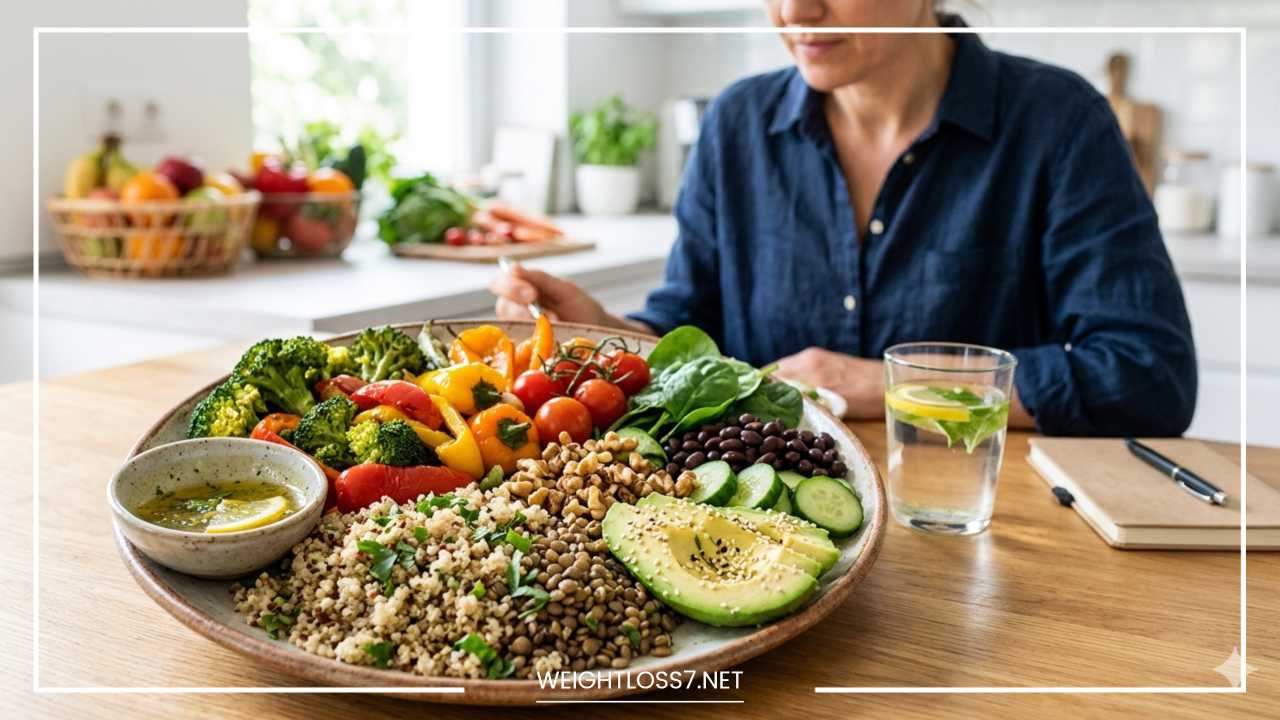
Balanced Nutrition
A healthy body requires a variety of nutrients to function optimally. While calories dictate weight, nutrients dictate health and satiety.
-
Carbohydrates: These are the body’s primary energy source. Rather than cutting them out, the focus should be on complex carbohydrates like whole grains and vegetables, which provide steady energy and fiber.
-
Proteins: Protein is essential for repairing tissues and maintaining muscle mass. It is also the most satiating macronutrient, meaning it helps you feel full for longer, reducing the urge to snack between meals.
-
Fats: Dietary fats are necessary for hormone production and the absorption of certain vitamins. Focus on unsaturated fats found in plants and seeds.
-
Fiber: Fiber is a secret weapon for weight loss. It adds bulk to your meals without adding calories, slowing down digestion and helping you feel satisfied.
Portion Control
You can eat the most nutritious foods in the world and still struggle to lose weight if you are consuming them in excessive quantities. In an era of “super-sized” meals, many of us have lost touch with what a standard serving size looks like. Learning to recognize portions—using tools like your hand as a guide or smaller plates—allows you to enjoy a variety of foods without accidentally over-consuming energy.
Meal Timing and Regularity
While the total amount of food eaten in a day is the most important factor, the timing of your meals can influence your behavior. Skipping meals, particularly breakfast or lunch, often leads to extreme hunger in the evening. This “back-loading” of calories usually results in poor food choices and overeating when willpower is at its lowest. Eating at consistent times helps regulate hunger hormones and keeps energy levels stable.
Hydration
The importance of water cannot be overstated. Often, the brain confuses thirst signals with hunger signals, leading us to eat when we are actually just dehydrated. Drinking water before and during meals can increase feelings of fullness. Additionally, water is required for the metabolic process of burning fat. Choosing water over calorie-dense beverages is one of the simplest and most effective ways to reduce daily caloric intake without feeling deprived.
Foods That Support Weight Loss
A successful weight loss plan should focus on what you can eat rather than just what you should avoid. By filling your plate with “volume-heavy” but “calorie-light” foods, you can eat satisfying portions while staying within your energy goals.
Whole Grains
Foods like brown rice, quinoa, oats, and whole-wheat pasta are rich in fiber. Unlike refined grains (like white bread), whole grains take longer to digest, preventing the rapid spikes and crashes in blood sugar that can lead to cravings.
Fruits and Vegetables
Vegetables, particularly leafy greens and cruciferous vegetables like broccoli and cauliflower, are incredibly low in calories but high in volume and nutrients. You can eat a very large portion of these foods for very few calories. Fruits provide natural sweetness along with essential vitamins and fiber, making them an excellent alternative to processed desserts.
Nuts and Seeds
While calorie-dense, nuts and seeds (like almonds, walnuts, chia seeds, and flaxseeds) are packed with healthy fats, protein, and fiber. A small handful can be an incredibly effective snack to bridge the gap between meals and prevent overeating later.
Dairy and Alternatives
Milk, yogurt, and cheese (or fortified plant-based alternatives) provide calcium and protein. Fermented options like plain yogurt also support gut health, which is increasingly linked to healthy weight management.
Foods and Habits to Limit
Rather than labeling foods as “good” or “bad,” it is more helpful to think of them in terms of “frequency.” Some foods are highly efficient at providing nutrition and fullness, while others are “empty calories”—they provide energy but little else.
Highly Processed Foods
Packaged snacks, fast food, and frozen meals are often engineered to be “hyper-palatable.” They contain combinations of salt, sugar, and fat that can bypass the body’s natural fullness signals, making it very easy to eat them in excess. These foods are usually low in fiber and protein, meaning you feel hungry again shortly after eating.
Sugary Beverages
Liquid calories are a major hurdle for weight loss. Sodas, sweetened coffees, and even some fruit juices contain high amounts of sugar but do not trigger the same satiety signals as solid food. You can consume hundreds of calories in minutes without feeling any more full.
Refined Carbohydrates
White flour products and sugary cereals are digested very quickly. This leads to a rapid rise in insulin, the hormone responsible for storing energy. When blood sugar drops quickly afterward, it can trigger intense hunger and “crashes” in mood and energy.
Importance of Lifestyle Alongside Diet
Nutrition is the primary driver of weight loss, but it does not exist in a vacuum. Your daily habits and environment play a massive role in how your body processes food and how your brain manages hunger.
Physical Activity
Exercise is often marketed as a way to “burn off” what you eat. While movement does burn calories, its most important role in weight loss is maintaining muscle mass and improving metabolic health. Cardiovascular exercise improves heart health and burns energy, while resistance training (like lifting weights or bodyweight exercises) helps preserve the muscle tissue that keeps your metabolism elevated. Furthermore, physical activity is a powerful mood regulator, which can reduce the urge to eat for emotional reasons.
Sleep
Sleep is perhaps the most underrated factor in weight loss. When you are sleep-deprived, your body undergoes hormonal shifts. Levels of ghrelin (the hunger hormone) increase, while levels of leptin (the fullness hormone) decrease. This is why you often crave high-calorie, sugary foods after a poor night’s sleep. Aiming for seven to nine hours of quality sleep is a foundational weight loss strategy.
Stress Management
In times of chronic stress, the body produces higher levels of cortisol. This hormone can encourage the body to store fat, particularly in the abdominal area. Additionally, many people use food as a coping mechanism for stress. Finding non-food related ways to manage stress—such as deep breathing, walking, or hobbies—is essential for long-term success.
Common Diet Mistakes to Avoid
Many people struggle with weight loss not because they lack willpower, but because they are following flawed strategies.
-
Skipping Meals: As mentioned, this often leads to overcompensating later in the day. It’s better to have planned, balanced meals.
-
Following Trends Blindly: Just because a specific diet worked for a celebrity or a friend doesn’t mean it’s right for your biology or lifestyle. If you hate the food on a specific plan, you will eventually stop following it.
-
Expecting Quick Results: Healthy, sustainable weight loss is generally considered to be about 0.5 to 1 kilogram (1 to 2 pounds) per week. Rapid loss often involves water weight and muscle loss, which is quickly regained.
-
Ignoring Hunger Cues: Learning to distinguish between “stomach hunger” (physical need for energy) and “head hunger” (boredom, stress, or habit) is a vital skill.
How to Choose the Best Diet for You
The “best” diet is a personal equation. To find yours, consider the following:
-
Sustainability: Can you imagine eating this way a year from now? If the answer is no, the plan is likely too restrictive.
-
Culture and Preference: Do not force yourself to eat foods you dislike. A healthy diet can be built around almost any cultural cuisine by focusing on whole ingredients and portion sizes.
-
Listen to Your Body: Pay attention to how different foods make you feel. Do you feel energized after a meal, or sluggish?
-
Gradual Changes: Drastic overhauls are difficult to maintain. Start by changing one habit at a time—such as drinking more water or adding a vegetable to every dinner—and build from there.
A Sample Day of Balanced Eating
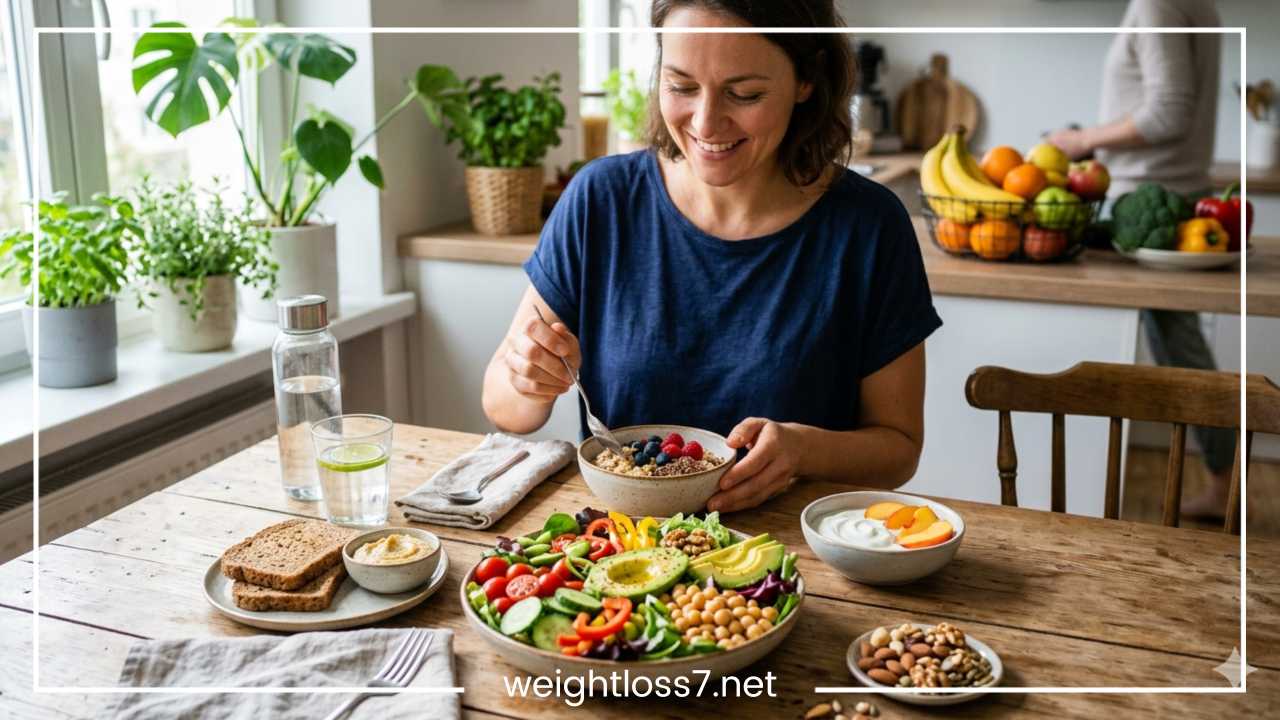
To visualize these principles, here is an example of what a balanced, nutrient-dense day might look like. Note that portions will vary based on individual needs:
-
Breakfast: A bowl of oatmeal topped with fresh berries and a sprinkle of crushed walnuts. This provides fiber, antioxidants, and healthy fats to start the day.
-
Lunch: A large mixed-grain bowl featuring quinoa, roasted chickpeas, sautéed spinach, peppers, and a drizzle of olive oil or tahini dressing. This is a balanced mix of complex carbs, plant protein, and healthy fats.
-
Snack: A piece of fruit (like an apple or pear) or a small serving of plain yogurt.
-
Dinner: A stir-fry with plenty of colorful vegetables (broccoli, carrots, bok choy) and tofu or tempeh, served over a small portion of brown rice.
-
Beverages: Water, herbal tea, or black coffee throughout the day.
Long-Term Weight Maintenance
The goal of a weight loss journey is not just to reach a lower number on the scale, but to stay there. This is where many people stumble because they view the “maintenance phase” as a return to old habits. In reality, maintenance is simply the continuation of the healthy habits you built during the weight loss phase, but with a slightly higher caloric intake.
Successful maintainers typically continue to monitor their portions, stay physically active, and weigh themselves occasionally to catch small fluctuations before they become large ones. The key is to remain mindful. Weight loss is a transformation of identity—you are becoming a person who prioritizes health and movement.
Final Thoughts
The search for the “best” diet often leads people down a path of frustration and restriction. However, the science remains clear: the most effective way to lose weight is through a sustained caloric deficit supported by balanced nutrition and healthy lifestyle habits. There are no shortcuts, and there are no “forbidden” foods—only choices and consequences.
By focusing on whole, minimally processed foods, staying hydrated, moving your body, and getting enough sleep, you create an environment where weight loss happens naturally. More importantly, you create an environment where you feel better, have more energy, and can enjoy your life.
Be patient with yourself. Weight loss is a marathon, not a sprint. Consistency over time will always yield better results than intensity for a short burst. Focus on making the next best choice, and remember that the best diet for you is the one that makes you feel healthy, happy, and capable of maintaining your progress for a lifetime. Success is not found in a specific “plan,” but in the daily habits that honor your body’s needs.