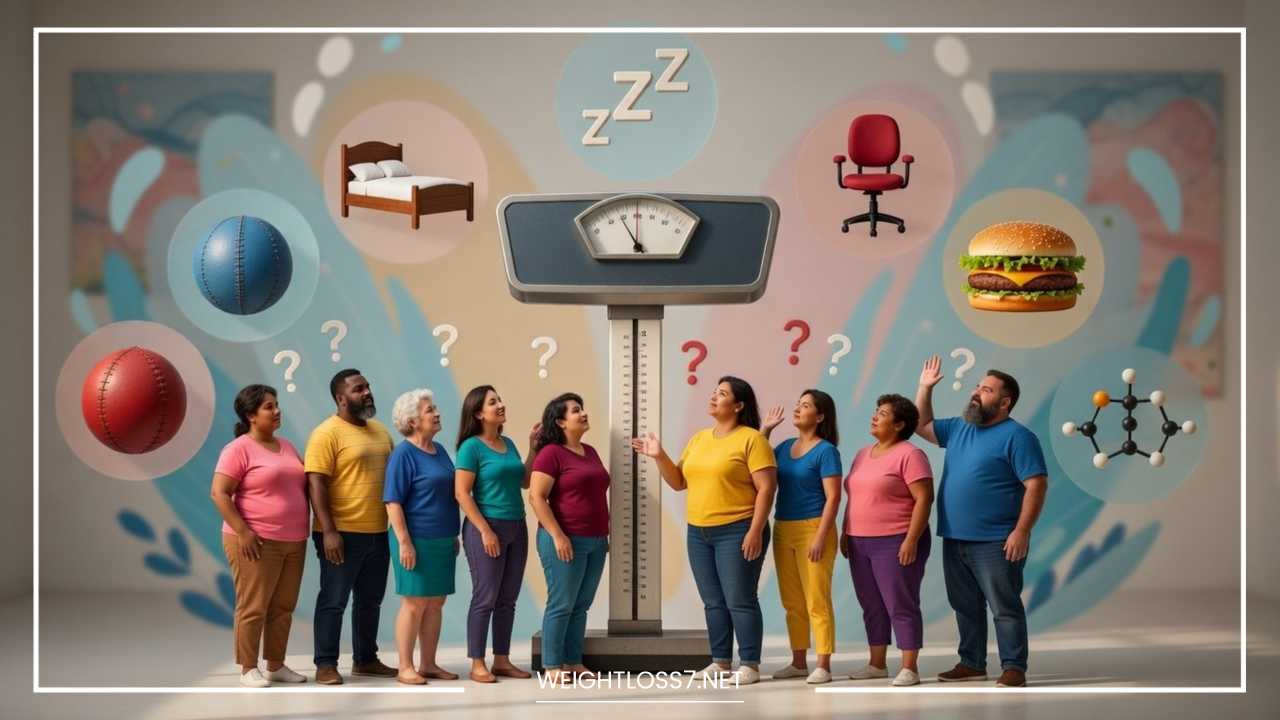
Having Difficulty Losing Weight?


Having Difficulty Losing Weight? 10 Reasons Why and How to Fix It
It is a scenario familiar to many: you have made the decision to improve your health, you have adjusted your daily habits, and you are putting in the effort, yet the number on the scale refuses to budge. This experience is more than just annoying; it can be deeply discouraging, leading many to abandon their goals entirely out of a sense of defeat. You might feel like you are doing everything “right,” only to face a stubborn plateau that seems impossible to break.
The truth is that weight loss is rarely a linear journey. While the basic math of energy balance plays a central role, the human body is a complex biological system influenced by genetics, hormones, environment, and psychology. It is almost never as simple as “eat less and move more.” If the traditional advice hasn’t worked for you, it doesn’t mean you have failed or that your body is “broken.” It usually means there are underlying factors—often hidden in plain sight—that are stalling your progress.
In this article, we will go beyond the surface-level advice to uncover the ten most common reasons why people struggle to lose weight and, more importantly, provide actionable, sustainable strategies to help you overcome these hurdles.
How Weight Loss Actually Works: The Foundation
Before diving into the specific reasons for a weight loss plateau, it is essential to understand the foundational principles of how the body manages its weight. At its core, weight loss is governed by the principle of energy balance. This is the relationship between the energy you take in (calories from food and drink) and the energy your body uses (for basic metabolic functions and physical activity).
However, “energy in versus energy out” is an oversimplification of a very dynamic process. Your metabolism is not a fixed number; it is a flexible rate that adjusts based on what you eat, how much you move, and even how much you sleep. Furthermore, hormones act as the messengers that tell your brain when you are hungry, when you are full, and whether to store energy as fat or burn it for fuel.
Every individual’s body responds differently to changes in diet and exercise. Factors such as age, muscle mass, and even your history of dieting can influence how quickly or slowly your body releases stored energy. Understanding that weight loss is a multifaceted physiological process—rather than a test of willpower—is the first step toward finding a solution that works for you.
1. You’re Underestimating Calorie Intake
One of the most common reasons for stalled weight loss is a simple discrepancy between how much we think we are eating and how much we are actually consuming. Research consistently shows that most people, even those with significant nutritional knowledge, tend to underestimate their daily calorie intake.
What’s Happening:
Small, unrecorded bites, tastes, and licks throughout the day can add up significantly. Cooking oils, salad dressings, and “handfuls” of snacks often contain more energy than we realize. Furthermore, portion sizes in modern environments are frequently much larger than a standard serving size, leading to “portion distortion.”
Why It Matters:
Weight loss requires a consistent energy deficit. If you are accidentally consuming an extra 200 to 300 calories a day through hidden sources, you may be inadvertently eating at your “maintenance” level—the amount of energy required to keep you at your current weight—rather than a deficit.
How to Fix It:
-
Practice Mindful Eating: Slow down during meals. Pay attention to the flavors and textures of your food, and listen for your body’s internal hunger and fullness cues. This helps prevent overeating.
-
Track Temporarily: You do not need to track every morsel forever, but keeping a detailed food diary for one week can be an eye-opening exercise. It helps identify “hidden” calories you might be overlooking.
-
Read Labels Carefully: Don’t just look at the calories; look at the serving size. Often, a package that looks like a single serving actually contains two or three.
2. You’re Not Eating Enough
It sounds counterintuitive, but eating too little can be just as detrimental to weight loss as eating too much. When the body perceives a severe and prolonged shortage of energy, it enters a protective state.
What’s Happening:
In response to extreme calorie restriction, the body initiates “adaptive thermogenesis.” This is a process where the metabolism slows down to conserve energy for vital organs. Your body becomes “thriftier” with the energy it has, making it harder to maintain a deficit.
Why It Matters:
Extreme restriction is rarely sustainable. It leads to intense hunger, irritability, and eventual binge eating. Furthermore, if your metabolism slows down significantly, you may find that you stop losing weight even while eating very little, creating a frustrating cycle of restriction and stagnation.
How to Fix It:
-
Focus on Balance: Instead of drastic cuts, aim for a moderate, sustainable deficit. Your body needs fuel to function and to power the workouts that help maintain muscle mass.
-
Eat Consistently: Avoid skipping meals, which can lead to blood sugar crashes and overeating later in the day. Aim for regular intervals that keep your energy levels stable.
3. Lack of Protein and Fiber in Meals
The quality and composition of your meals are just as important as the quantity of calories they contain. Two nutrients play a starring role in successful weight management: protein and fiber.
What’s Happening:
Protein has a high “thermic effect,” meaning the body uses more energy to digest it compared to fats or carbohydrates. More importantly, protein is incredibly satiating; it helps regulate hunger hormones. Fiber, found in whole grains, fruits, vegetables, legumes, and seeds, adds bulk to your diet and slows down digestion.
Why It Matters:
Without adequate protein and fiber, you are likely to feel hungry shortly after eating. This leads to frequent snacking and a constant “battle” with your appetite. Meals high in simple sugars but low in fiber cause rapid spikes and drops in blood sugar, which can trigger cravings for high-energy, processed foods.
How to Fix It:
-
The “Plate Method”: Ensure every meal contains a dedicated source of protein and a generous serving of fiber-rich vegetables or grains.
-
Focus on Fullness: Instead of thinking about what to remove from your diet, think about what to add. Adding more fiber-rich beans, lentils, or cruciferous vegetables can help you feel satisfied on fewer calories.
4. You’re Too Sedentary Outside Workouts
Many people fall into the trap of being “active couch potatoes.” This describes someone who exercises for 45 to 60 minutes a day but spends the remaining 23 hours sitting at a desk, in a car, or on a sofa.
What’s Happening:
Exercise is only one part of your daily energy expenditure. A larger portion comes from NEAT (Non-Exercise Activity Thermogenesis). NEAT includes all the movement you do that isn’t formal exercise: walking to the mailbox, cleaning the house, fidgeting, standing, and even maintaining your posture.
Why It Matters:
If you are sedentary for most of the day, your total energy burn may be lower than you realize, even if you hit the gym. Research suggests that the body may even subconsciously “compensate” for a hard workout by making you move less for the rest of the day.
How to Fix It:
-
Increase Daily Movement: Aim for small “activity snacks” throughout the day. Set a timer to stand up and stretch every hour.
-
Walk More: Walking is one of the most underrated tools for weight loss. It is low-impact, doesn’t significantly increase hunger, and can drastically increase your daily NEAT.
-
Take the Stairs: Small choices, like parking further away or taking the stairs, add up over weeks and months.
5. Overestimating Exercise Burn
While exercise is vital for heart health, mental well-being, and muscle preservation, it is often less effective for burning calories than we are led to believe.
What’s Happening:
Fitness trackers and cardio machine displays often provide overly generous estimates of how many calories you have burned. It is common for these devices to overestimate expenditure by 20% to 40%. Additionally, many people fall into the “reward eating” trap, where they consume a high-calorie treat because they feel they “earned it” at the gym.
Why It Matters:
It is remarkably easy to eat back the calories burned during a workout. A vigorous 30-minute run might burn 300 calories, but a single gourmet coffee drink or a large muffin can easily exceed that amount. If you rely on exercise to “cancel out” poor dietary choices, you will likely see very little progress.
How to Fix It:
-
View Exercise as Support: Think of exercise as a way to improve your health, strength, and mood rather than a primary tool for “burning off” food.
-
Be Skeptical of Trackers: Use fitness trackers as a general guide for trends in activity rather than as an exact science for how much extra you can eat.
-
Focus on Consistency: Choose activities you enjoy so that you stay consistent. Consistency in movement is far more important than the intensity of a single session.
6. Poor Sleep Quality
If you are doing everything right in the kitchen and the gym but still aren’t losing weight, the problem might be in your bedroom. Sleep is a fundamental pillar of health that directly impacts your body’s ability to regulate weight.
What’s Happening:
Sleep deprivation wreaks havoc on your hormones. It increases levels of ghrelin (the hormone that tells you you’re hungry) and decreases levels of leptin (the hormone that tells you you’re full). Lack of sleep also affects the brain’s frontal lobe, which is responsible for impulse control and decision-making.
Why It Matters:
When you are tired, you are biologically wired to crave high-energy, sugary foods for a quick “pick-me-up.” Furthermore, a tired body is less likely to engage in NEAT or perform well during workouts. Chronic sleep debt can also lead to increased insulin resistance, making it easier for the body to store fat.
How to Fix It:
-
Prioritize a Routine: Go to bed and wake up at the same time every day, even on weekends.
-
Optimize Your Environment: Keep your bedroom cool, dark, and quiet.
-
Limit Screens: The blue light from phones and tablets can interfere with melatonin production. Try to disconnect at least an hour before sleep.
7. High Stress Levels
We live in a fast-paced world, and chronic stress has become a silent enemy of weight loss. When you are constantly stressed, your body remains in a “fight or flight” state.
What’s Happening:
Chronic stress leads to elevated levels of cortisol. Cortisol is a hormone that, in high amounts, encourages the body to store fat, particularly in the abdominal area. Stress also triggers emotional eating as a coping mechanism, leading many to seek out “comfort foods” that are typically high in sugar and fat.
Why It Matters:
High cortisol can make it harder for your body to access stored fat for fuel. Additionally, the mental exhaustion that comes with stress makes it difficult to maintain the discipline required for healthy meal planning and regular exercise.
How to Fix It:
-
Identify Triggers: Pay attention to what situations cause you to reach for food when you aren’t physically hungry.
-
Incorporate Relaxation: Practices such as deep breathing, meditation, or even a daily walk in nature can lower cortisol levels.
-
Build a Support System: Talking to friends, family, or a professional can help manage the emotional load that contributes to stress.
8. Inconsistent Habits
Weight loss is the result of what you do most of the time, not what you do some of the time. Many people fall into an “all-or-nothing” cycle that prevents long-term success.
What’s Happening:
The “Monday to Friday” trap is a classic example. Many people are very diligent during the work week but “let loose” on the weekends. This can result in a calorie surplus over the weekend that completely offsets the deficit created during the week, leading to weight maintenance rather than loss.
Why It Matters:
Consistency is the most important factor in any health journey. If your habits are constantly swinging between extreme restriction and overindulgence, your body never has the chance to settle into a rhythm. This cycle also creates a negative psychological relationship with food, where you feel you are constantly “starting over.”
How to Fix It:
-
Aim for Sustainability: Don’t adopt a diet or exercise plan that you can’t imagine doing six months from now.
-
The 80/20 Rule: Aim to be “on track” with your goals 80% of the time, allowing for 20% flexibility. This prevents the feeling of deprivation that leads to weekend binges.
-
Ditch the Perfectionist Mindset: If you have one “bad” meal, don’t throw away the whole day. Simply make the next best choice available to you.
9. Liquid Calories Are Adding Up
It is surprisingly easy to drink hundreds of calories without ever feeling full. Because liquids move through the digestive system much faster than solid food, they don’t trigger the same satiety signals in the brain.
What’s Happening:
Morning lattes, afternoon sodas, sweetened iced teas, fruit juices, and alcoholic beverages are major sources of “empty” calories. Even “healthy” smoothies can be incredibly calorie-dense if they are packed with sweeteners and large portions of fruit or nut butters.
Why It Matters:
Because these calories don’t make you feel full, you end up eating your normal amount of solid food on top of them. Over time, these daily drinks can add up to thousands of extra calories per month, which can easily stall or even reverse weight loss progress.
How to Fix It:
-
Increase Drink Awareness: For one week, track everything you drink. You might be surprised at how much of your daily energy intake is coming from liquids.
-
Prioritize Water: Make water your primary beverage. If you find it boring, try sparkling water or infusing it with slices of lemon, cucumber, or mint.
-
Smart Swaps: Swap sugary coffee drinks for plain coffee with a splash of milk, or choose herbal teas over sodas.
10. Medical or Hormonal Factors
Sometimes, despite your best efforts and perfect consistency, the weight still doesn’t move. In these cases, it is important to consider that there may be an underlying physiological issue.
What’s Happening:
Several medical conditions can make weight loss extremely difficult. These include hypothyroidism (an underactive thyroid), Polycystic Ovary Syndrome (PCOS), insulin resistance, and even certain medications (such as some antidepressants or steroids). These conditions can lower your metabolic rate or change how your body processes nutrients.
Why It Matters:
If a medical issue is present, standard weight loss advice may not be sufficient. You could be working twice as hard as someone else and seeing half the results, which is deeply frustrating and can lead to burnout.
How to Fix It:
-
Seek Professional Guidance: If you have been consistent with healthy habits for several months with zero results, consult a healthcare provider.
-
Ask for Specific Tests: Blood work to check thyroid function, blood sugar levels, and hormone balance can provide clarity.
-
Avoid Self-Diagnosis: Don’t try to treat suspected hormonal issues with unproven supplements. Work with a doctor to create a targeted plan.
Bonus Section: Common Mistakes That Slow Progress
Beyond the ten main reasons listed above, several other “sneaky” habits can slow down your journey.
Skipping Meals to “Save” Calories:
This often backfires. When you arrive at your next meal ravenous, you are much more likely to eat quickly and consume more than you intended. It can also lead to a drop in blood sugar that makes you feel lethargic and irritable.
Relying on Trends and “Quick Fixes”:
Products marketed as “fat burners” or “detox teas” are rarely effective and can sometimes be harmful. Weight loss is a biological process of utilizing stored energy; there is no magic pill that can bypass the need for a sustainable lifestyle change.
Ignoring Mental Health:
Your relationship with your body and food is deeply rooted in your mental state. If you are using food as your primary way to deal with boredom, loneliness, or sadness, no amount of dieting will be a permanent fix. Addressing the emotional side of eating is often the “missing piece” of the puzzle.
Focusing Only on the Scale:
Weight can fluctuate daily based on water retention, salt intake, and (for women) menstrual cycles. If the scale isn’t moving, you might still be losing fat while gaining muscle or losing inches. Use other markers of progress, like how your clothes fit or your energy levels, to stay motivated.
Simple Action Plan
Feeling overwhelmed by all the possible reasons? Don’t try to change everything at once. Instead, follow this simple action plan to get back on track:
-
Track for One Week: Use an app or a notebook to record your food, drinks, sleep, and movement. Be honest. This provides the data you need to see where the “leaks” are.
-
Focus on “The Big Three”: Before worrying about advanced tactics, ensure you are getting at least 7 hours of sleep, drinking mostly water, and eating a source of protein and fiber at most meals.
-
Increase “Passive” Movement: Aim to add 2,000 extra steps to your daily average. Walk during phone calls or take a 10-minute stroll after dinner.
-
Audit Your Stress: Pick one stress-management technique—like five minutes of deep breathing—and do it daily for two weeks.
-
Be Patient and Kind: Change takes time. If you hit a plateau, treat it as data. It’s a signal to adjust your strategy, not a sign that you should give up.
Final Thoughts
Losing weight is a journey that requires more than just a temporary diet; it requires a deep understanding of your own body and a commitment to sustainable habits. If you have been struggling, remember that it is not a sign of personal failure. The modern world is designed in many ways to make weight maintenance difficult—from the ubiquity of high-calorie foods to the sedentary nature of our jobs.
By identifying which of these ten hurdles are standing in your way, you can move away from the frustration of “trying harder” and move toward the effectiveness of “working smarter.” Focus on small, manageable changes that you can maintain for the long term. Patience is your greatest ally. Weight loss may be the goal, but the true prize is a healthier, more energetic version of yourself that feels empowered to live life to the fullest.
Stay consistent, be gentle with yourself, and remember that every small, positive choice is a step in the right direction. Progress, no matter how slow, is still progress.