Lose Weight in 1 Year


How to Safely Lose Weight in a Year (and Keep It Off)
Why a Year Is the Ideal Timeline for Lasting Weight Loss
The modern landscape of health and fitness is filled with promises of rapid transformations. Quick-fix diets, extreme caloric restriction, and intense, unsustainable exercise regimens dominate the media. While these methods can produce rapid drops on the scale over a few days or weeks, they almost always fail over the long term. The human body is biologically wired to resist sudden starvation, responding to drastic calorie cuts by slowing down metabolism and increasing hunger hormones. Consequently, the vast majority of people who undergo crash dieting eventually regain all the lost weight, often adding more back in the process.
To achieve sustainable weight loss, one must move away from the mindset of rapid depletion and instead embrace a gradual, long-term approach. A 12-month timeline provides the ideal framework for this transformation. Taking a full year allows you to safely lose weight without forcing your body into a defensive, metabolic shutdown. It shifts the focus from temporary deprivation to permanent lifestyle modification. When you give yourself a year, you have the breathing room required to learn new habits, make mistakes, recover from setbacks, and reshape your daily routines without overwhelming anxiety.
The benefits of a long-term approach extend far beyond mere aesthetics. Gradual weight loss preserves lean muscle tissue, protects metabolic health, and prevents the psychological burnout associated with restrictive eating. Over the course of 12 months, you can realistically expect to see profound changes not only in your body composition but also in your relationship with food, your physical stamina, and your overall vitality. A year-long weight loss plan transforms the journey from a grueling sprint into a manageable, rewarding marathon that sets you up for lasting weight management.
Set Realistic Weight Loss Goals
Why realistic goals matter
When embarking on a journey to safely lose weight, the nature of the goals you set determines your ultimate success. Aggressive targets—such as attempting to shed massive amounts of weight in a single month—often backfire because they require extreme measures that cannot be sustained. A healthy, sustainable weight loss rate is generally recognized as 0.5 to 2 pounds (about 0.25 to 1 kilogram) per week. While this may seem slow when viewed on a weekly basis, the cumulative effect over a year is extraordinary, leading to a total loss of 25 to 100 pounds.
Focusing on a gradual pace protects your psychological well-being. When targets are realistic, you reduce the pressure of perfection. Weight loss is rarely linear; your body weight will naturally fluctuate due to fluid balance, glycogen storage, and hormonal shifts. If your goals are overly rigid, these normal fluctuations can cause frustration and lead to throwing in the towel. By prioritizing progress over absolute perfection, you cultivate the resilience needed to stay the course for an entire year.
Create outcome and habit goals
To turn a year-long weight loss plan into an actionable reality, you must divide your goals into two distinct categories: outcome goals and habit goals. An outcome goal defines the final destination you hope to reach, while habit goals outline the specific, daily actions required to get there. Because you have direct control over your daily actions but cannot always control the exact timing of physical changes, focusing heavily on habit goals is the most effective strategy for long-term weight loss.
Here is how you can break down your goals into actionable habits:
-
Movement Habits: Walking daily for 30 to 45 minutes or aiming to accumulate 8,000 steps per day.
-
Dietary Habits: Cooking more meals at home from scratch, including a serving of vegetables with every meal, or drinking a glass of water before eating.
-
Lifestyle Habits: Going to bed at the same time each night to secure adequate rest, and setting aside time for deep breathing exercises.
By shifting your primary focus to these controllable behaviors, the outcome—sustainable weight loss—becomes a natural byproduct of your daily life. Over twelve months, these small, repetitive actions solidify into permanent traits, making weight maintenance effortless once you reach your target.
Understand the Basics of Weight Loss
The role of energy balance
At its foundational level, weight management is governed by the principle of energy balance, often described as calories consumed versus calories used. Every food and beverage you consume provides energy measured in calories, while your body continuously expends calories to maintain basic metabolic functions, digest food, and fuel physical movement. To lose weight gradually, you must create a modest energy deficit, meaning your total energy expenditure slightly exceeds your total energy intake.
However, viewing weight loss purely through the lens of a simple mathematical equation oversimplifies how the human body works. The quality of the food you consume profoundly influences how efficiently your body processes that energy. For instance, calories derived from fiber-rich whole grains and fresh vegetables promote satiety and stable blood sugar levels, making it much easier to naturally regulate your intake. Conversely, highly processed items can cause rapid spikes and drops in energy, driving up cravings and making a caloric deficit difficult to sustain.
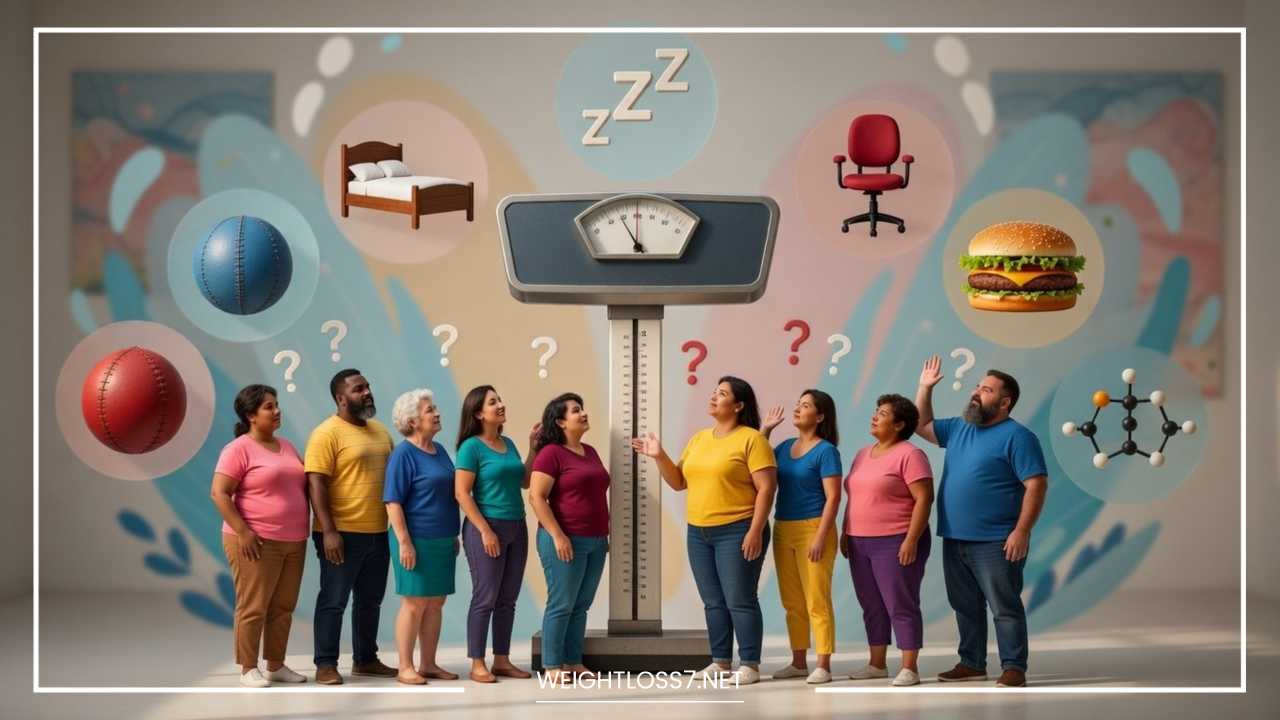
Factors that influence weight
Achieving healthy weight loss requires an understanding that energy balance does not operate in a vacuum. A multitude of internal and external factors influence how your body stores and burns energy.
-
Age: As the body ages, metabolic rates naturally slow down slightly, often due to a gradual loss of muscle mass. This means older individuals may require a more tailored approach to nutrition and movement.
-
Activity Level: Both structured exercise and casual daily movement dictate how many calories your body expends outside of its baseline metabolic rate.
-
Sleep Quality: Chronic sleep deprivation disrupts the hormones that govern appetite, specifically increasing ghrelin (the hunger hormone) and decreasing leptin (the fullness hormone).
-
Stress Management: Elevated stress triggers the production of cortisol, a hormone that can encourage the body to retain visceral fat and increase cravings for dense, high-calorie foods.
-
Hormones and Medical Conditions: Internal biological environments, including thyroid function and insulin sensitivity, play a significant role in how efficiently energy is utilized.
Because these factors vary wildly from person to person, everyone’s journey is unique. Comparing your rate of progress to someone else’s is counterproductive. A strategy that works efficiently for one individual might require adjustments for another, which is precisely why having a full year to experiment, adapt, and personalize your approach is so invaluable.
Build a Healthy Eating Pattern You Can Follow Long-Term
Prioritize whole, minimally processed foods
To ensure weight loss without crash dieting, you must focus on crowding out low-nutrient foods by filling your plate with wholesome, minimally processed options. A sustainable eating pattern should never feel like a temporary punishment; instead, it should be built around nourishing foods that fuel your busy life. Centering your meals around whole foods ensures that you receive a dense concentration of vitamins, minerals, and phytonutrients while naturally consuming fewer calories.
-
Fruits and Vegetables: These should form the foundational base of most meals. They provide exceptional volume, hydration, and essential micronutrients with a very low caloric density.
-
Whole Grains: Options such as oats, brown rice, quinoa, and whole-wheat varieties offer complex carbohydrates that deliver sustained energy throughout the day.
-
Legumes: Lentils, chickpeas, black beans, and kidney beans are outstanding additions to any kitchen, providing an abundance of fiber and essential nutrients.
-
Nuts and Seeds: Almonds, walnuts, chia seeds, and flaxseeds supply crucial healthy fats and minerals, though they should be enjoyed in mindful portions due to their energy density.
-
Dairy or Dairy Alternatives: Unsweetened yogurt, milk, or fortified alternatives contribute calcium and structural nutrients necessary for bone and muscle health.
Create balanced meals
Achieving a state of long-lasting fullness between meals requires a deliberate structural balance. Every time you prepare a plate, aim to combine protein-rich foods, fiber-rich foods, and healthy fats. Protein is the most satiating macronutrient, helping to suppress hunger signals and preserve lean body tissue. Fiber acts as a natural slowing mechanism in the digestive tract, preventing rapid blood sugar spikes and keeping you satisfied for hours. Healthy fats facilitate the absorption of vital vitamins and contribute to overall meal satisfaction.
A simple visual layout for a balanced meal includes allocating half your plate to non-starchy vegetables like broccoli or leafy greens. One quarter of the plate can be dedicated to whole grains or starchy carbohydrates like sweet potatoes, and the remaining quarter can feature protein-rich components such as beans, lentils, or tofu. You can finish the plate with a light accent of healthy fats, such as a drizzle of olive oil or a few slices of fresh avocado.
Portion awareness without obsessive tracking
While tracking every single gram of food can be useful for brief periods, it often becomes a source of psychological stress and is difficult to maintain for a lifetime. Instead of obsessively weighing foods, focus on developing intuitive portion awareness.
Using visual cues can be incredibly liberating. For example, a serving of complex carbohydrates can be roughly measured as the size of your cupped hand, a serving of vegetables can equal the size of your fist, and healthy fats can be measured by the size of your thumb. This simple approach builds a portable skill you can use at restaurants, social gatherings, or during travel, removing the stress of calorie counting while maintaining control over your intake.
Additionally, working to eliminate an “all-or-nothing” mindset is vital for a year-long weight loss plan. There are no “good” or “bad” foods. Labeling foods as forbidden only increases their psychological appeal, often leading to overeating when you eventually consume them. Incorporating occasional treats mindfully into an otherwise nutrient-dense diet allows you to enjoy life without derailing your long-term progress.
Reduce Excess Calories Without Feeling Deprived
Common sources of excess calories
Creating a steady energy deficit does not require drastic starvation; rather, it involves identifying and minimizing hidden or unhelpful sources of calories. Many excess calories slip into our daily routines unnoticed, often providing very little nutritional value or satiety.
Liquid calories are one of the most common culprits. Beverages like sugary sodas, specialty coffee drinks, sweetened iced teas, and even large quantities of fruit juices can add hundreds of calories to your day without triggering fullness signals in the brain.
Frequent, mindless snacking directly from large packages or eating out of boredom also accumulates significant caloric surpluses over time. Oversized restaurant portions and an overreliance on highly processed snack foods further compound the issue, making weight management difficult despite your best intentions.
Practical strategies
To reduce these excess calories without feeling deprived, implement practical changes that modify your environment and eating behaviors:
-
Eat Slowly and Mindfully: It takes approximately twenty minutes for your digestive system to signal to your brain that you are full. By chewing thoroughly and slowing your pace, you naturally consume less food while enjoying it more.
-
Use Smaller Plates and Bowls: Visual feedback strongly influences satisfaction. Serving your meals on slightly smaller dinnerware tricks your brain into perceiving a larger, more abundant portion.
-
Plan Meals Ahead: Hunger combined with fatigue is the primary driver of poor food choices. Spending a little time planning your meals for the week removes the daily decision fatigue and ensures nutritious options are readily available.
-
Choose Volume-Rich Foods: If you enjoy eating large portions, prioritize high-volume, low-calorie foods. A massive bowl of mixed greens, cucumbers, and tomatoes with a light dressing provides immense physical satisfaction with minimal caloric impact.
Consistency always trumps extreme restriction. Removing thousands of calories overnight triggers intense hunger pangs and eventual abandonment of the plan. Instead, aim for a modest reduction of 300 to 500 calories per day below your maintenance level. This gentle adjustment allows your body to adapt smoothly, maintaining steady energy levels and a cheerful disposition as you lose weight gradually.
Make Physical Activity Part of Your Lifestyle
Why exercise supports weight loss
While dietary changes are the primary driver of an energy deficit, incorporating physical activity is the cornerstone of keeping that weight off long-term. Exercise serves multiple functions in a year-long weight loss plan. It directly increases your daily energy expenditure, making it easier to maintain a deficit without reducing food portions to uncomfortably low levels.
Furthermore, regular movement profoundly improves insulin sensitivity, cardiovascular endurance, mental health, and sleep quality. These psychological and physical benefits create a positive feedback loop: when you move regularly, you manage stress better, sleep deeper, and feel inspired to omega your body with wholesome foods.
Daily movement matters
When people think of physical activity, they often picture intense, exhausting gym sessions. However, casual daily movement—known as Non-Exercise Activity Thermogenesis—often burns more cumulative energy over the course of a week than a brief structured workout. Increasing your casual movement is an incredibly effective way to support your goals without inducing excessive physical fatigue.
Try implementing these simple lifestyle adjustments to boost your daily movement:
-
Take a short 10-minute walk immediately following breakfast, lunch, and dinner.
-
Choose the stairs over the elevator or escalator whenever the option is available.
-
Park your vehicle at the far end of shopping center parking lots to gain extra steps.
-
Use a standing desk if you work in an office setting and shift your position frequently.
-
Pace around your room or office while taking phone calls.
These small changes might feel insignificant in isolation, but when sustained across 365 days, they account for tens of thousands of expended calories, facilitating smooth and healthy weight loss.
Include structured exercise
To maximize your physical health and body composition, aim to combine daily movement with a balanced routine of structured exercise. A well-rounded approach includes cardiovascular activities, strength training, and flexibility work.
Cardio activities, such as swimming, cycling, brisk walking, or rowing, strengthen the heart and lungs while efficiently burning calories. Strength training, whether utilizing body weight, resistance bands, or weights, is critical for preserving lean muscle mass. Flexibility and mobility work, such as yoga or dedicated stretching routines, protects your joints, enhances recovery, and prevents injuries that could interrupt your consistency.
The ultimate key to making physical activity a permanent part of your lifestyle is finding things you genuinely enjoy. If you dislike running on a treadmill, do not force yourself to do it. Instead, explore dancing, hiking, tennis, or group fitness classes. When exercise feels like a rewarding hobby rather than a mandatory chore, staying consistent for a year—and the rest of your life—becomes second nature.
Protect Your Muscle While Losing Weight
Why muscle matters
A common mistake made during weight loss journeys is focusing solely on the total number on the scale, ignoring what that weight actually consists of. When you lose weight too quickly or through improper methods, a significant portion of that loss can come from lean muscle tissue rather than body fat. This is an undesirable outcome for several reasons.
Muscle tissue is metabolically active, meaning it burns calories even when your body is completely at rest. Losing muscle lowers your basal metabolic rate, making it progressively harder to continue losing weight or to maintain your results in the future. Additionally, preserving muscle maintains functional strength, protects your joints from injury, improves posture, and supports healthy aging. The goal of a year-long weight loss plan should be to optimize body composition by losing body fat while fiercely protecting your lean muscle mass.
Strategies to preserve lean tissue
Preserving your hard-earned muscle during a fat loss phase requires a deliberate three-pronged strategy:
-
Engage in Resistance Training: You must give your muscles a physical reason to stay. Training your body against resistance at least two to three times per week stimulates muscle protein synthesis, signaling to your body that it must preserve this tissue despite the energy deficit.
-
Ensure Adequate Protein Intake: Consuming a steady supply of protein provides the essential building blocks your body needs to repair and maintain muscle tissue. Ensure that foods like beans, lentils, peas, tofu, or dairy items are well-represented across your meals.
-
Avoid Overly Restrictive Diets: Severe caloric restriction forces the body to break down its own muscle tissue for emergency energy. By maintaining a modest, gentle deficit and losing weight gradually, you prioritize fat loss while keeping your muscle completely intact.
Sleep and Stress: The Hidden Factors in Weight Management
How sleep affects appetite and food choices
Many individuals struggle with weight management despite meticulous attention to nutrition and exercise because they neglect the critical pillars of sleep and stress management. Sleep is not a passive period of inactivity; it is an active recovery phase during which your body regulates vital hormonal balances.
When you are chronically sleep-deprived—getting fewer than seven hours of quality rest per night—your neuroendocrine system becomes disrupted. Your body produces significantly more ghrelin, the hormone that triggers intense hunger signals, and drops its production of leptin, the hormone that signals fullness.
Furthermore, a tired brain suffers from impaired decision-making capabilities, specifically reducing activity in the prefrontal cortex. This makes you far more susceptible to impulsive cravings for dense, sugary, and highly processed comfort foods, complicating your efforts to maintain healthy eating habits.
The connection between stress and weight gain
Chronic psychological stress acts as another major barrier to sustainable weight loss. When your mind perceives a constant state of overwhelm, your adrenal glands release elevated amounts of the hormone cortisol. High cortisol levels encourage the body to hold onto stored energy, particularly in the form of visceral fat around the abdominal region. Additionally, stress triggers emotional eating patterns, as many individuals instinctively turn to highly palatable, energy-dense foods to find temporary comfort and a quick burst of dopamine.
To counteract these hidden factors, you must treat stress reduction and sleep hygiene with the same level of importance as your workouts and meals.
-
Mindful Walking: Walk outdoors without headphones, observing the sights and sounds around you to ground your thoughts.
-
Box Breathing: Inhale for 4 seconds, hold the breath for 4 seconds, exhale completely for 4 seconds, and hold empty for 4 seconds. Repeat this loop 5 times to calm the nervous system.
-
Digital Sunset: Turn off all smartphones, tablets, and television screens 60 minutes before bed to allow your natural melatonin production to rise.
By dedicating time to daily stress relief and ensuring a consistent, dark, and cool sleeping environment, you align your internal biology with your external efforts, creating a smooth path toward long-term weight loss.
Track Progress Beyond the Scale
Limitations of scale weight
For generations, the bathroom scale has been used as the ultimate judge of health and fitness success. However, relying exclusively on that single number can be incredibly misleading and psychologically taxing. The scale measures the total weight of everything in your body at that exact moment: bone, muscle, fat, organs, water, undigested food, and glycogen stores. It cannot distinguish between a pound of fat and a pound of water retention.
If you eat a slightly saltier meal, experience stress, or engage in a challenging workout that causes temporary muscle inflammation, your body will naturally hold onto extra water. This can cause the scale to fluctuate upward by several pounds overnight, even if you are in a steady fat-loss deficit. If the scale is your only metric of success, these normal fluctuations can easily destroy your motivation.
Other signs of success
To maintain your enthusiasm throughout a year-long weight loss plan, look for non-scale victories. These alternative indicators are often far more accurate reflections of your changing health and body composition:
-
Improved Energy Levels: Finding that you no longer experience afternoon energy crashes or sluggishness.
-
Enhanced Physical Fitness: Noticing that you can walk farther, lift heavier, climb stairs without getting winded, or recover faster from exertion.
-
Changes in Clothing Fit: Realizing your clothes are becoming looser, more comfortable, or require a smaller size, even if the scale has barely moved.
-
Improved Health Markers: Seeing positive changes in objective medical metrics, such as resting heart rate and blood pressure.
-
Better Sleep Quality: Falling asleep easier, waking up less during the night, and feeling refreshed in the morning.
-
Increased Personal Confidence: Feeling a sense of pride in your commitment, consistency, and physical capabilities.
Useful tracking methods
To capture a complete and accurate picture of your year-long transformation, utilize a diverse combination of tracking methods. Take body measurements using a soft tape measure around your waist, hips, chest, and thighs once a month.
Take consistent progress photos under identical lighting and clothing conditions every few weeks; often, side-by-side photos reveal incredible body composition shifts that the scale fails to show. Finally, maintain a simple habit tracker to celebrate your daily behavioral consistency, such as checking off days when you hit your movement goals or stayed hydrated.
Overcoming Common Weight Loss Plateaus
Why plateaus happen
During a twelve-month journey, you will inevitably encounter a period where your progress seems to stop completely for several weeks. This common phenomenon is known as a weight loss plateau.
Plateaus are a completely natural part of the biological adaptation process. As you lose weight, your smaller body naturally requires fewer total calories to move and maintain itself. Additionally, your body instinctively undergoes subtle adaptations to conserve energy, sometimes causing you to unconsciously move less throughout the day.
When a plateau occurs, it does not mean your year-long weight loss plan has failed or that you have stopped making progress permanently. It is simply a signal that your body has reached a temporary state of equilibrium and requires a mindful assessment before moving forward.
What to do when progress slows
When you encounter a plateau, avoid the temptation to panic or resort to extreme measures. Do not drastically slash your food intake or double your workout time, as this will only trigger muscle loss and burnout. Instead, systematically evaluate your lifestyle with a calm, objective mindset.
-
Review Portions and Habits: Check to see if hidden oils, extra snacks, or liquid calories have slowly crept back into your daily routine without your realization.
-
Examine Daily Movement: Ask yourself if you have become less active outside of the gym due to fatigue or a busy schedule, causing your casual movement to decline.
-
Assess Sleep and Stress: Determine whether you are getting enough rest or if high stress is causing your body to temporarily retain excess water weight.
If you discover that your habits have loosened slightly, simply refocusing on your core routines will often restart your progress. If your habits are completely dialed in, your body might simply need a brief period of patience. Stay consistent, keep moving, and allow your metabolism time to stabilize. The plateau will break as long as you maintain a healthy, honest deficit.
How to Maintain Your Weight Loss After One Year
Transition from weight loss to maintenance
Reaching the end of your twelve-month transformation is an incredible achievement, but the journey does not stop there. The true test of sustainable weight loss is your ability to maintain those results for years to come. Many people make the mistake of viewing the end of a plan as a finish line where they can finally return to their old way of living. However, it was those very old habits that caused the initial weight gain.
To transition successfully, you must deliberately shift your mindset from weight loss to weight maintenance. This involves gradually increasing your daily calorie intake by a small amount until you reach your new maintenance level—the point where your weight stabilizes perfectly. This process helps restore your metabolic rate to full strength while preventing rapid, accidental weight regain.
Habits that support long-term success
Studies of individuals who successfully maintain long-term weight loss show that they share several key daily habits. They do not return to restrictive patterns; instead, they integrate flexible, sustainable habits into their normal lifestyle.
-
Maintain Physical Activity: Keep up with regular walking, household tasks, and weekly resistance training to keep your metabolism strong.
-
Keep Consistent Meal Routines: Eat similar whole-food structures during the week to avoid falling back into mindless eating habits.
-
Practice Self-Monitoring: Check in periodically with measurements or clothing fit to catch any gradual upward trends early.
-
Stay Flexible: Allow yourself to enjoy social treats without guilt, then simply return to your balanced foundation at the very next meal.
Preparing for setbacks
Life is full of unpredictable events. Over the course of your life, you will experience holidays, vacations, busy work seasons, injuries, and family stressors. A setback only becomes a permanent failure if you allow it to derail your entire mindset.
If you have a week where your nutrition slips or physical activity drops, do not let guilt lead you into a downward spiral. Accept the interruption as a normal part of life, and simply make your very next choice a healthy one. Maintenance is not a state of perfection; it is a lifelong skill of continuous, gentle self-correction.
Final Thoughts: Think in Years, Not Weeks
Achieving lasting health and physical transformation requires a complete shift in perspective. You must learn to think in years rather than weeks. The habits that yield true, life-changing results are those that compound quietly over long periods of time. Small changes—like choosing a piece of fruit over a processed snack, taking a daily walk, or prioritizing a good night’s sleep—might feel minor on any given day, but when sustained over 12 months, they accumulate into a profound transformation.
Always remember that human progress is rarely a straight line. There will be weeks of incredible momentum and weeks of quiet stagnation. The ultimate goal of this journey is not to follow a temporary, punishing diet, but to systematically build an enriched, healthier lifestyle that you genuinely love.
By choosing a gradual, supportive path, you protect your body, strengthen your mindset, and discover the deep satisfaction of healthy weight loss. Be patient with yourself, stay consistent with your daily habits, and trust the power of a year.
Frequently Asked Questions
How can I safely lose weight in a year without crash dieting?
Safely losing weight over a 12-month period requires focusing on a modest daily energy deficit rather than extreme restriction. Instead of slashing your food intake in half, aim to reduce your daily intake by 300 to 500 calories below your maintenance level. Combine this gentle adjustment with an increase in casual daily movement, such as walking. Prioritizing whole grains, legumes, vegetables, and nuts will keep you full, allowing you to steadily lose fat without triggering the intense hunger pangs or muscle loss associated with crash diets.
What is a realistic 12 month weight loss goal for a general audience?
For most people, a safe and realistic rate of weight loss is 0.5 to 2 pounds (about 0.25 to 1 kilogram) per week. Over a full year, this gradual pace compounds into a total loss of 25 to 100 pounds. Your exact progress will depend on your starting weight, biological factors, and consistency. Setting a moderate goal ensures that you are primarily losing body fat rather than water weight or vital muscle tissue, which heavily supports long-term weight management.
How do I break through a weight loss plateau naturally?
Weight loss plateaus are a completely normal part of a year-long transformation as your metabolism adjusts to a smaller body size. To break through a plateau naturally, avoid extreme measures like severe fasting or excessive workouts. Instead, objectively audit your habits for a week. Check if portion sizes have quietly increased, ensure you are getting 7 to 8 hours of quality sleep, and focus on increasing casual movement outside of the gym. Often, giving your body a few weeks of consistent, stress-free routine is all it takes to restart progress.
What are the best daily weight loss habits to keep weight off forever?
The individuals who successfully maintain their weight loss long-term focus entirely on sustainable behavior patterns rather than temporary restrictions. Key daily habits include:
-
Consistent meal structures: Planning your meals ahead to avoid impulsive, high-calorie choices when tired.
-
High-volume eating: Filling half your plate with fiber-rich vegetables to stay physically full.
-
Daily walking: Aiming for consistent casual movement throughout the day to keep your metabolic rate active.
-
Mindful indulgence: Allowing yourself occasional treats without guilt, ensuring you never feel restricted.
How does stress and poor sleep affect weight loss progress?
Chronic stress and lack of sleep are major hidden barriers to healthy weight loss. When you sleep fewer than 7 hours a night, your body increases production of the hormone ghrelin (which triggers hunger) and decreases leptin (which signals fullness), causing intense cravings for dense, sugary foods. Additionally, high stress levels release cortisol, a hormone that encourages the body to store visceral fat and makes emotional eating harder to resist. Prioritizing sleep hygiene and daily relaxation is just as important as managing your nutrition.