What Can Help Me to Lose Weight?


What Can Help Me to Lose Weight? | Effective Strategies & Tips
The quest for weight loss is one of the most common personal health journeys undertaken globally. For many, the motivation begins with a desire to change physical appearance, but the true rewards of a successful weight loss journey extend far beyond the mirror. Achieving and maintaining a healthy weight is fundamentally about enhancing your quality of life, boosting daily energy levels, and fostering long-term confidence. It is a commitment to your future self, ensuring that your body remains a capable vessel for all the activities and experiences you wish to enjoy.
However, the modern landscape of health advice is often cluttered with “quick fixes,” “miracle supplements,” and “rapid transformations” that promise results in days. The reality is that sustainable weight loss is not a sprint; it is a marathon fueled by consistent, small habits. Lasting change comes from shifting your lifestyle rather than temporarily adopting a restrictive regimen. Weight loss is not merely a biological challenge of burning fat; it is a psychological and behavioral shift that requires patience, self-compassion, and a willingness to learn.
This article serves as a comprehensive, deep-dive guide to understanding the mechanics of weight management and implementing practical, science-backed strategies that work for everyone. By focusing on balance, nutrition, movement, and mental well-being, you can build a foundation for a healthier, lighter version of yourself. We will explore the intricate connection between our daily choices and our biological responses, providing you with a roadmap that prioritizes longevity over temporary results.
Understanding Weight Loss Basics
The Energy Balance Equation
At its most fundamental level, weight loss is governed by the principle of energy balance. This is often referred to as “calories in versus calories out.” Every food or drink we consume contains energy, measured in calories. Our bodies use this energy to perform basic functions like breathing, circulating blood, and repairing cells. This is known as your Basal Metabolic Rate (BMR). When you add physical activity and the thermic effect of food (the energy required to digest what you eat) to this baseline, you get your Total Daily Energy Expenditure (TDEE).
If you consistently consume fewer calories than your TDEE, your body taps into stored energy—primarily body fat—to bridge the gap, resulting in weight loss. Conversely, consuming more than you burn leads to energy storage. While this sounds like simple math, the body’s hormonal and metabolic responses to different types of food and activity can influence how efficiently this process works.
The Role of Metabolism
Metabolism is not a fixed speed; it is a dynamic system. It adapts to the signals we give it through our diet and activity. This is why extreme dieting and severe calorie restriction often backfire. When you suddenly drop your intake to very low levels, your body may enter a “preservation mode,” slowing down your metabolism to conserve energy. This evolutionary survival mechanism made sense when food was scarce, but in the modern world, it makes further weight loss difficult and often leads to rapid weight regain once you return to normal eating patterns.
The Myth of the Quick Fix
The “crash diet” industry thrives on the hope of immediate results. However, most weight lost in the first few days of a restrictive diet is water weight and glycogen, not body fat. Rapid weight loss can also lead to muscle wasting, which lowers your metabolic rate even further. True success lies in finding a moderate caloric deficit that allows for gradual weight loss—typically half a kilogram to one kilogram per week. This pace is manageable for the body and easier to maintain mentally.
Consistency Over Perfection
The human body thrives on patterns. Consistency over perfection is the golden rule of weight management. One day of overeating will not ruin your progress, just as one day of dieting will not reach your goal. The cumulative effect of your choices over weeks, months, and years is what ultimately transforms your health. Weight loss is about the trend line, not the daily fluctuation.
Healthy Eating Habits That Support Weight Loss
1. Portion Control and Mindful Eating
One of the most effective tools for weight management is understanding and managing portion sizes. In an era of “supersized” meals, our perception of a normal serving has become distorted. Mindful portioning allows you to enjoy the foods you love without overconsuming energy.
A practical tip is to use smaller plates and bowls. This visual trick, known as the Delboeuf illusion, can make a smaller portion appear more satisfying, preventing the feeling of deprivation. Furthermore, learning to read your body’s hunger and fullness cues is essential. It takes approximately twenty minutes for your brain to receive the signal from your stomach that you are full. By eating slowly, chewing thoroughly, and pausing halfway through a meal, you give your body the time it needs to communicate. Often, you will discover that you require less food than you initially thought.
Mindful eating also involves removing distractions. Eating while watching television or scrolling through a phone leads to “passive overconsumption,” where you finish a meal without truly tasting it or noticing your body’s satiety signals.
2 Balanced Meals for Satiety
A balanced plate ensures that your body receives a wide spectrum of nutrients while keeping you satiated for longer periods. A healthy approach involves:
-
Whole Grains: Opt for grains like brown rice, quinoa, oats, barley, and whole-wheat varieties. These provide fiber, which slows digestion and keeps blood sugar levels stable, preventing the energy crashes that lead to sugar cravings.
-
Fruits and Vegetables: These should ideally make up half of your plate. They are high in volume and nutrients but low in calories. This concept, known as “volumetric eating,” allows you to eat a large, satisfying amount of food while consuming less total energy.
-
Protein-Rich Foods: Protein is vital for maintaining muscle mass and promoting fullness. It has a high thermic effect, meaning the body burns more calories digesting protein than it does fats or carbohydrates. Focus on diverse sources such as beans, lentils, chickpeas, nuts, seeds, and soy-based products.
-
Healthy Fats: Fats are necessary for hormone production and nutrient absorption. Include moderate amounts of fats from sources like avocados, olive oil, and nuts. Because fat is calorically dense, the key is moderation.
3. Reducing Processed Foods and Hidden Sugars
Processed foods—such as sugary snacks, fast food, and packaged convenience meals—are often engineered to be “hyper-palatable.” This means they contain a specific ratio of salt, sugar, and fat designed to bypass our fullness signals, making them very easy to overeat.
These foods frequently contain hidden sugars under various names (like maltodextrin or high-fructose corn syrup) and unhealthy trans or saturated fats, which can stall weight loss and lead to inflammation. By shifting your focus toward whole, minimally processed foods, you naturally reduce your intake of empty calories. Choosing a whole apple over a glass of processed apple juice, for example, provides more fiber and keeps you full longer, whereas the juice spikes blood sugar and leaves you hungry shortly after.
d. Smart Snacking Strategies
Snacking isn’t inherently bad, but “mindless” snacking can lead to significant, unnoticed weight gain. Many people consume hundreds of extra calories while working at a desk or during an evening wind-down without even realizing it. To snack smartly, choose foods that combine fiber and protein. For instance, a handful of walnuts or some hummus with carrot sticks provides sustained energy rather than a quick sugar spike followed by a crash. If you aren’t hungry enough to eat an apple or a vegetable, you might be experiencing “boredom hunger” rather than physical hunger.
The Role of Physical Activity
1. Daily Movement Matters (NEAT)
While structured exercise is important, “Non-Exercise Activity Thermogenesis” (NEAT) plays a massive role in your total energy burn. NEAT includes all the movement you do throughout the day that isn’t formal exercise. This covers everything from fidgeting and cleaning the house to walking from the parking lot to your office.
An active lifestyle creates a higher metabolic baseline. Simple habits like taking the stairs instead of the elevator, standing while talking on the phone, or engaging in “active commuting” (walking or cycling for part of your journey) can add up to hundreds of calories burned per day. Over a year, high NEAT levels can be the difference between weight maintenance and gradual weight gain.
2. Exercise Types for Maximum Impact
To maximize health and weight loss, a combination of different activities is most effective:
-
Cardiovascular Training: Activities like walking, jogging, cycling, and swimming increase your heart rate and burn calories efficiently during the session. Walking is often the most underrated yet accessible form of cardio; it is low-impact and can be sustained daily without excessive fatigue.
-
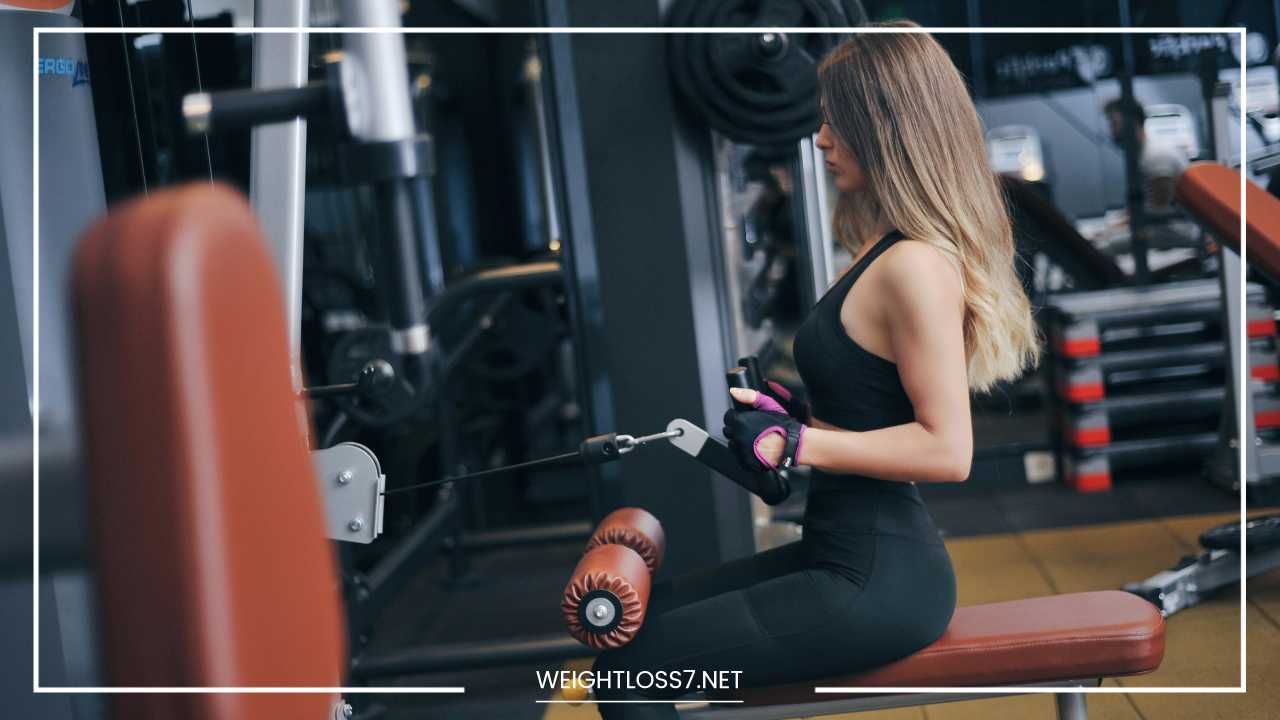
Strength Training: This involves using resistance—such as body weight, resistance bands, or weights—to build and maintain muscle. Muscle tissue is more metabolically active than fat tissue, meaning the more muscle you have, the more calories your body burns at rest. Strength training is essential for ensuring that the weight you lose comes from fat stores rather than muscle mass.
-
Flexibility and Balance: Practices like yoga or simple daily stretching improve mobility and reduce the risk of injury. A flexible body is a body that can stay consistent with more intense workouts over the long term.
3. Staying Consistent and Enjoying the Process
The “best” exercise is the one you will actually do. If you find the gym intimidating or boring, you don’t have to go. Find an activity you enjoy, whether it’s dancing, hiking, gardening, or playing a recreational sport. Creating a realistic routine—perhaps starting with three 30-minute sessions a week—is far more effective than committing to a grueling daily schedule that leads to burnout within a month.
Importance of Hydration
Water is a fundamental component of every metabolic process in the body, including the breakdown of fat (lipolysis). Despite its importance, hydration is often ignored in weight loss discussions. Often, the body confuses thirst signals with hunger signals. When we are mildly dehydrated, we may feel a “craving,” leading us to eat when we actually just need fluid.
By staying well-hydrated throughout the day, you can more accurately interpret your body’s needs. Drinking a glass of water approximately thirty minutes before a meal can also help with appetite control, leading to a natural reduction in portion sizes.
Furthermore, liquid calories are a major contributor to weight gain because the brain doesn’t register “fullness” from liquids the same way it does from solid food. Replacing sugary beverages—like sodas, sweetened coffees, and energy drinks—with water, sparkling water, or herbal tea is one of the simplest ways to cut thousands of calories from your monthly intake without feeling deprived.
Sleep and Weight Loss Connection
The link between sleep and weight is scientifically profound. Sleep is the time when the body undergoes repair and balances its hormones. When we are chronically sleep-deprived, two key hunger-regulating hormones are disrupted: ghrelin and leptin.
-
Ghrelin: This is the “hunger hormone.” Levels of ghrelin increase when you lack sleep, signaling your brain that you need to eat.
-
Leptin: This is the “satiety hormone.” Levels of leptin drop when you are tired, meaning your brain doesn’t get the signal that you are full.
This hormonal “double-whammy” makes you feel hungrier and less satisfied after eating. Moreover, fatigue diminishes your willpower and executive function. When you are tired, your brain’s reward center becomes more active, making you more likely to crave high-calorie, sugary foods for a quick energy boost and less likely to have the motivation to exercise. Establishing good sleep hygiene—such as maintaining a consistent bedtime, keeping your bedroom cool and dark, and avoiding blue light from screens an hour before sleep—is a critical, yet often ignored, pillar of weight loss.
Managing Stress for Better Results
Chronic stress is a silent enemy of weight loss. When we perceive stress, the body releases cortisol, often called the “stress hormone.” While cortisol is helpful in short-term “fight or flight” situations, chronically high levels can be damaging. High cortisol encourages the body to store fat, particularly in the abdominal area, and can lead to muscle breakdown.
Additionally, many people turn to “emotional eating” as a way to cope with stress. Foods high in sugar and fat can temporarily trigger the release of feel-good chemicals like dopamine, providing a brief escape from stress. However, this creates a cycle of guilt and further stress.
Managing stress is not just about mental health; it’s about biological balance. Incorporating stress-management techniques such as:
-
Meditation and Mindfulness: Even five minutes a day can lower heart rate and cortisol.
-
Deep Breathing: Simple box-breathing techniques can reset the nervous system.
-
Hobbies and Social Connection: Engaging in creative work or spending time with loved ones reduces the emotional burden that often leads to overeating.
Building Sustainable Habits
1. Setting Realistic Goals
Vague goals like “I want to lose weight” are difficult to achieve because they provide no roadmap. Instead, focus on process-oriented goals. Rather than focusing only on the number on the scale, set goals like “I will cook dinner at home four nights this week” or “I will hit 8,000 steps a day.”
These are “SMART” goals: Specific, Measurable, Achievable, Relevant, and Time-bound. Avoid extreme expectations. Aiming for massive weight loss in a very short period often leads to metabolic adaptation and psychological frustration.
2. Consistency Over Perfection
The “all-or-nothing” mentality is the primary reason people abandon their health goals. If they have a piece of cake at an office party, they feel they’ve “failed” and proceed to overeat for the rest of the day. It is important to remember that one meal doesn’t define your progress. If you slip up, simply make the next best choice available. Perfection is not required for results; persistence is.
3. Creating a Routine and Environment
Willpower is a finite resource. If you have to fight yourself every day to make healthy choices, you will eventually get “decision fatigue.” The secret to long-term success is building routines and an environment that makes the healthy choice the easy choice.
-
Meal Prep: Having healthy options ready in the fridge prevents the need for last-minute, less healthy takeout.
-
Environment Design: Keep healthy foods visible (like a fruit bowl on the counter) and less healthy options out of sight or out of the house.
-
Scheduling: Treat your exercise time as a non-negotiable appointment in your calendar.
Common Mistakes to Avoid
Many people inadvertently sabotage their progress by falling into common traps:
-
Skipping Meals: This often leads to extreme hunger later in the day, causing binge eating and making poor food choices. It can also cause blood sugar fluctuations that affect mood and energy.
-
Following Fad Diets: Any diet that requires you to cut out entire food groups or follow highly restrictive, “magical” rules is usually unsustainable. If you can’t see yourself eating that way in five years, it’s not the right approach.
-
Relying Only on Exercise: While exercise is vital for heart health and muscle maintenance, it is very difficult to burn enough calories to compensate for a high-calorie diet. Weight loss is primarily driven by nutritional choices.
-
Ignoring Mental Health: Weight is often tied to self-esteem and emotional patterns. If you don’t address your relationship with food, physical changes are unlikely to last.
-
Expecting Linear Progress: Weight loss rarely happens in a perfectly straight line. Factors like water retention, menstrual cycles, and sodium intake can cause the scale to fluctuate. Focus on the long-term trend rather than daily numbers.
Motivation and Mindset
Maintaining motivation over several months can be challenging. This is why it is important to focus on “non-scale victories.” These include:
-
Noticing your clothes fit more comfortably.
-
Having more energy to play with your children or pets.
-
Experiencing improved mood and mental clarity.
-
Noticing that you are no longer out of breath after climbing stairs.
These milestones are often more rewarding than the number on the scale because they represent a tangible improvement in your life. Developing self-discipline is also more reliable than relying on fleeting motivation. Motivation gets you started, but discipline keeps you going when you are busy, tired, or stressed. Practice positive self-talk; treat yourself with the same kindness and patience you would offer a friend on a similar journey. Shame is a poor motivator; encouragement is a powerful one.
When to Seek Professional Help
Weight loss is not always a simple matter of “eat less, move more.” Individual needs vary based on genetics, age, and health history. If you find that you are making consistent efforts but seeing no results, it may be time to seek professional guidance.
-
Medical Professionals: Doctors can check for underlying conditions—such as thyroid issues, polycystic ovary syndrome (PCOS), or insulin resistance—that can make weight loss significantly more difficult.
-
Nutrition Experts: A registered dietitian can provide personalized meal planning that ensures you are getting all necessary nutrients while staying in a deficit.
-
Therapists: If you struggle with binge eating or emotional eating, a mental health professional can help you navigate the psychological aspects of your relationship with food.
Professional help is not a sign of failure; it is a smart strategy to ensure you are taking the most effective path for your unique body.
Final Thoughts
Losing weight is a multifaceted journey that involves much more than just counting calories. It is a process of rediscovering your body’s needs and learning how to nourish and move it in ways that promote longevity and vitality. By focusing on portion control, balanced nutrition, regular movement, adequate sleep, and stress management, you create an environment where weight loss becomes a natural byproduct of a healthy lifestyle.
True health is not a destination you reach and then stop; it is a continuous practice of making choices that honor your physical and mental well-being. Remember that there is no “perfect” time to start. The best time to begin is now, with the next meal you eat or the next opportunity you have to move your body.
Be patient with yourself. The habits that took years to form will not vanish in a week, but with persistence, they can be replaced by new, healthier patterns. Celebrate your progress, stay consistent, and focus on the person you are becoming. Sustainable weight loss is a gift you give yourself—one that pays dividends in health, happiness, and freedom for years to come. Your journey is unique, and every small step forward is a victory worth celebrating.