Finding It Difficult to Lose Weight?


Finding It Difficult to Lose Weight? 5 Simple Shifts to Start Seeing Results
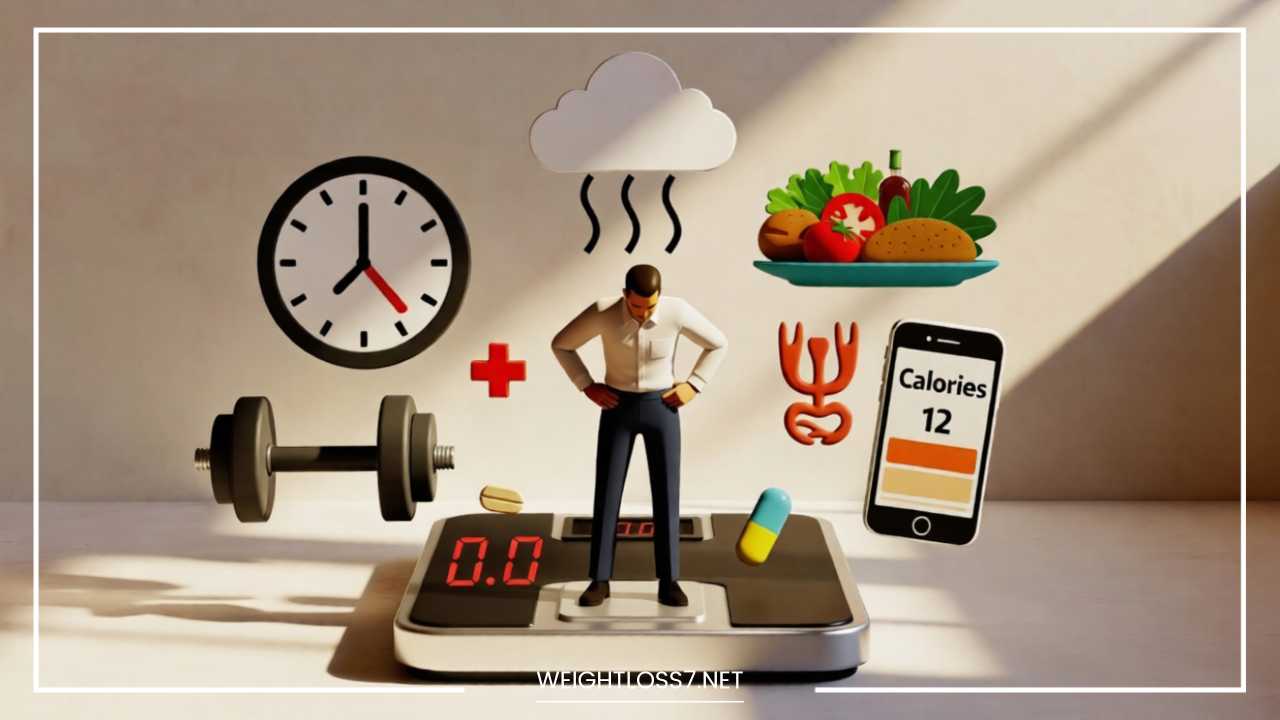
The journey to weight loss is often painted as a straightforward path of willpower and discipline. We are told that if we simply work harder, eat less, and push ourselves further, the results will follow. Yet, for millions of people, the reality is far more frustrating. You might find yourself in a cycle where you are eating less than ever and trying harder than everyone you know, but the scale remains stubbornly fixed. It is a disheartening experience that can make you feel as though your own body is working against you.
The frustration of seeing no progress despite significant effort is one of the primary reasons people give up on their health goals. We live in an era of instant gratification, but physiological change is rarely instant. Furthermore, we are constantly bombarded with conflicting information, trendy diets, and “overnight” transformations that distort our perception of what a healthy weight loss journey actually looks like. Busy lifestyles, high-stress environments, and the ubiquity of hyper-palatable foods create a “perfect storm” that makes traditional weight loss advice feel nearly impossible to follow.
It is time to move away from the reductive “eat less, move more” mantra. While the laws of thermodynamics apply to everyone, the human body is not a simple calculator; it is a complex biological system influenced by hormones, environment, and psychology. If you have found it difficult to lose weight, it is likely not a failure of will, but a mismatch between your strategy and your biology.
The good news is that you do not need an extreme overhaul to see a difference. Often, it is the small, sustainable shifts in behavior—rather than a total lifestyle upheaval—that create the most significant and lasting results. By focusing on how your body functions rather than just the number on the scale, you can break through the plateau. This article explores five fundamental shifts that address the root causes of weight loss resistance, helping you move toward your goals with clarity and confidence.
Why Weight Loss Feels So Hard
Before we dive into the solutions, it is essential to understand why the struggle exists in the first place. Understanding the “why” can help alleviate the guilt and self-blame that often accompany a difficult weight loss journey.
Metabolic Adaptation
The human body is an expert at survival. Throughout history, food was often scarce, and the body evolved to protect its energy stores (fat) at all costs. When you drastically reduce your calorie intake, your body doesn’t see a “diet”—it sees a potential famine. In response, it may slow down your metabolic rate to conserve energy. This process, known as metabolic adaptation, means that the more you restrict, the more efficient your body becomes at burning fewer calories. This is why many people find that their progress stalls after a few weeks of intense dieting.
Hidden Calories and Portion Distortion
Modern food environments have skewed our perception of what a “normal” amount of food looks like. Large restaurant portions and the addition of hidden fats and sugars in common products mean we often consume more energy than we realize. Even “healthy” foods can be calorie-dense. While these foods are excellent for nutrition, consuming them in quantities that exceed our energy needs can quietly stall progress.
The Role of Stress and Sleep
We often treat weight loss as a purely physical endeavor, but it is deeply hormonal. When we are chronically stressed or sleep-deprived, our bodies produce higher levels of cortisol. Elevated cortisol can increase appetite and encourage the body to store fat, particularly around the midsection. Furthermore, lack of sleep disrupts the balance of ghrelin (the hunger hormone) and leptin (the fullness hormone), making you feel hungrier and less satisfied after eating.
Inconsistency vs. Intensity
Many people approach weight loss with a “sprint” mentality. They are 100 percent “on” for five days a week, only to completely let go over the weekend. This “all or nothing” approach creates a cycle of restriction and overconsumption that often nets out to zero progress. Intensity is impressive, but consistency is what actually moves the needle.
Overcomplicating the Process
With so many rules about what to eat, when to eat, and what supplements to take, the process becomes overwhelming. When a plan is too complex, it becomes impossible to maintain during busy or stressful periods. Weight loss feels hard because we try to do everything at once instead of mastering the basics.
Shift #1: Focus on Eating Patterns, Not Just Calories
When we think about losing weight, the first instinct is usually to count every calorie. While energy balance matters, the way we eat is often just as important as what we eat. Shifting your focus toward your eating patterns can help regulate your appetite and reduce the total amount of energy you consume without the mental fatigue of constant tracking.
Mindful Eating vs. Distracted Eating
In our fast-paced world, many of us eat while multitasking—scrolling through phones, watching television, or working at a desk. When your brain is distracted, it fails to register the sensory experience of eating. This leads to a delay in the signaling between your stomach and your brain, often resulting in overeating because you didn’t “feel” the food go in.
To shift this pattern, try to make eating a dedicated activity. Remove screens and focus on the texture, flavor, and aroma of your food. This practice, known as mindful eating, helps you reconnect with your body’s natural hunger and fullness cues.
Eating Speed and Fullness Cues
It takes approximately 20 minutes for your brain to receive the signal from your digestive system that you are full. Most of us finish a meal in less than ten. By the time the fullness signal arrives, we have already consumed more than we needed.
A simple but effective shift is to consciously slow down. Put your fork down between bites and chew thoroughly. Some people find success in the “halfway pause”—stopping for two minutes when the plate is half empty to check in with their level of hunger. If you are satisfied, you don’t have to finish the plate.
Balanced Meal Structure
Instead of obsessing over exact calorie counts, focus on the architecture of your plate. Ensure that every meal contains a significant source of fiber (from vegetables or legumes) and a balance of carbohydrates and fats. Fiber is particularly important because it adds volume to your food and slows down digestion, keeping you fuller for longer. When your meals are balanced, you avoid the blood sugar spikes and crashes that lead to “hangry” episodes and impulsive snacking.
Regular Meal Timing
While some people thrive on intermittent fasting, others find that skipping meals leads to extreme hunger later in the day, causing them to lose control during dinner. Establishing consistent meal times helps regulate your internal biological clock (circadian rhythm). When your body knows when to expect food, it can better manage its hunger hormones, leading to more stable energy levels throughout the day.
Shift #2: Prioritize Whole, Minimally Processed Foods
The quality of the food you eat has a profound impact on how your body handles energy. Not all calories are created equal in terms of how they affect your satiety, hormones, and metabolism. Shifting your diet toward whole, minimally processed foods is one of the most effective ways to naturally manage your weight.
The Difference Between Processed and Whole Foods
Whole foods are those that remain as close to their natural state as possible. Think of a potato versus a potato chip, or a whole orange versus orange-flavored soda. Processed foods are often engineered to be “hyper-palatable,” meaning they contain a specific combination of fats, sugars, and salts that trigger the reward centers in the brain. This makes it incredibly easy to overeat them because they bypass our natural “stop” signals.
Satiety and the “Fullness Factor”
Whole foods tend to be more “nutrient-dense” but less “energy-dense.” This means they provide more volume and nutrients for fewer calories. For example, you could eat a massive bowl of leafy greens, vegetables, and beans for the same amount of energy found in a small handful of processed crackers. The whole foods will physically fill your stomach, signaling to your brain that you are full, whereas the crackers might leave you looking for another snack ten minutes later.
Blood Sugar Stability
Highly processed foods are usually stripped of fiber, meaning their sugars and starches are absorbed very quickly into the bloodstream. This causes a rapid spike in blood sugar, followed by an equally rapid crash. When your blood sugar crashes, your brain signals for a quick energy fix, which usually manifests as a craving for more sugar or refined carbs. By choosing whole grains, legumes, fruits, and vegetables, you provide your body with a slow, steady release of energy, which keeps cravings at bay.
Practical Tips for the Shift
You don’t have to overhaul your kitchen overnight. Start by making small swaps. If you usually have processed cereal for breakfast, try oats with fruit and nuts. If your lunch is typically a pre-packaged sandwich, try a salad with beans or lentils and a whole-grain roll.
The goal is to build your meals around “single-ingredient” foods. A plate consisting of brown rice, steamed broccoli, and baked tofu or chickpeas is far more satisfying and supportive of weight loss goals than a microwaveable processed meal, even if the calorie counts are similar on paper.
Shift #3: Move More Throughout the Day (Not Just Workouts)
A common mistake in weight loss is believing that a 45-minute gym session can compensate for 23 hours of sedentary behavior. While exercise is vital for health, the energy burned during a workout is often a relatively small percentage of your total daily energy expenditure.
Understanding NEAT
NEAT stands for Non-Exercise Activity Thermogenesis. This refers to the energy expended for everything we do that is not sleeping, eating, or sports-like exercise. It includes walking to your car, typing, folding laundry, pacing while on the phone, and even fidgeting. For most people, NEAT accounts for a much larger portion of daily calorie burn than formal exercise does.
If you spend your entire day sitting at a desk and then go to the gym for an hour, you may still be “sedentary” for the vast majority of your waking hours. Increasing your NEAT is a powerful, low-stress way to increase your energy output without feeling the exhaustion or increased hunger that can sometimes follow high-intensity workouts.
The Impact of Light Movement
Studies have shown that frequent, low-intensity movement is better for metabolic health than one bout of intense exercise followed by hours of sitting. When we sit for long periods, our body’s ability to clear fats and sugars from the bloodstream slows down. Simply standing up and stretching every 30 minutes can keep your metabolism “engaged.”
Why Workouts Alone Aren’t Enough
Exercise often triggers “compensatory behaviors.” Have you ever finished a hard workout and felt so hungry that you ate double your usual lunch? Or felt so tired that you sat on the couch for the rest of the evening? This is your body trying to maintain its energy balance. By focusing on general daily movement, you avoid the extreme fatigue that leads to these compensations.
Practical Tips for Increasing Daily Activity
-
The Post-Meal Walk: A 10-to-15-minute walk after lunch or dinner aids digestion and helps stabilize blood sugar.
-
Take the Stairs: It sounds cliché, but the vertical movement is excellent for engaging large muscle groups.
-
Walk While Talking: If you are on a phone call that doesn’t require a screen, pace around the room or walk outside.
-
Park Further Away: Create opportunities for extra steps by not looking for the closest parking spot.
-
Set a Movement Timer: Use an alarm to remind yourself to move for two minutes every hour.
Shift #4: Fix Sleep and Stress First
If your lifestyle is characterized by high stress and low sleep, your body is effectively in “survival mode.” In this state, losing weight becomes an uphill battle because your internal chemistry is prioritized toward storage rather than utilization.
The Sleep-Hunger Connection
Sleep deprivation is a major driver of weight gain. When you don’t get enough rest (usually 7–9 hours for most adults), your body undergoes two significant changes:
-
Ghrelin increases: This is the hormone that tells you when to eat.
-
Leptin decreases: This is the hormone that tells you when you are full.
The result is that you wake up feeling hungrier, and you find it harder to feel satisfied by your meals. Furthermore, a tired brain has less activity in the frontal cortex (the area responsible for impulse control) and more activity in the reward centers. This is why you crave sugary, high-energy foods when you are exhausted.
Stress and Cortisol
Chronic stress keeps your body in a state of “fight or flight.” This involves the release of cortisol, which serves to provide the body with a quick burst of energy. However, if that stress is psychological (like work deadlines or financial worry) and not physical (like running from a predator), that energy isn’t used. High cortisol levels over time are associated with increased abdominal fat and a tendency to “stress eat” as a way of self-soothing.
The Hormonal Hierarchy
You can have the perfect diet and exercise plan, but if your hormones are screaming “danger,” your progress will be slow. Prioritizing recovery is not a luxury; it is a metabolic necessity.
Practical Tips for Sleep and Stress
-
Create a Sleep Sanctuary: Keep your bedroom cool, dark, and quiet.
-
Digital Sunset: Turn off electronic screens at least 30–60 minutes before bed to allow your natural melatonin to rise.
-
Consistent Wake Times: Try to wake up at the same time every day, even on weekends, to stabilize your internal clock.
-
Daily Decompression: Find a non-food way to manage stress. This could be five minutes of deep breathing, journaling, or a quiet walk in nature.
-
Learn to Say No: Sometimes the best thing you can do for your weight loss is to reduce your commitments and lower your overall stress load.
Shift #5: Track Progress Beyond the Scale
One of the biggest obstacles to weight loss is the psychological toll of the bathroom scale. The scale measures your total mass—water, muscle, bone, organs, and fat—but it cannot tell the difference between them. If you rely solely on this number, you are likely to get discouraged by normal fluctuations.
Understanding Weight Fluctuations
It is perfectly normal for a person’s weight to fluctuate by several pounds in a single day. These changes are usually due to:
-
Water Retention: High sodium intake or hormonal cycles can cause the body to hold onto water.
-
Glycogen Stores: If you eat more carbohydrates one day, your body stores them with water, increasing the scale weight without adding any fat.
-
Digestion: The physical weight of food and fiber currently in your system.
-
Inflammation: After a hard workout, muscles may hold onto fluid as they repair themselves.
Body Composition vs. Weight
As you shift toward healthier habits, you may be losing fat while maintaining or even gaining muscle. Since muscle is denser than fat, the scale might stay the same even though your body is becoming smaller and tighter. This is progress, even if the number doesn’t reflect it yet.
Celebrating Non-Scale Victories (NSVs)
To stay motivated, you must broaden your definition of success. Pay attention to:
-
Energy Levels: Are you feeling less sluggish in the afternoons?
-
Clothing Fit: Are your pants feeling looser? Are you moving to a different belt notch?
-
Physical Strength: Can you carry groceries or climb stairs more easily?
-
Sleep Quality: Are you waking up feeling more refreshed?
-
Relationship with Food: Are you feeling more in control and less driven by cravings?
Practical Ways to Track Progress
-
Monthly Photos: Take photos from the front, side, and back. Often, you won’t see the gradual changes in the mirror, but the photos will prove how far you’ve come.
-
Measurements: Use a tape measure for your waist, hips, and thighs. These numbers are often more reliable than the scale.
-
Habit Tracking: Instead of tracking pounds, track how many days you hit your movement goal or how many whole-food meals you ate. Focusing on the process makes the result inevitable.
Common Mistakes That Slow Progress
Even with the best intentions, certain habits can act as “anchors,” slowing down your journey. Recognizing these common pitfalls can help you navigate around them.
Skipping Meals to “Save” Calories
This often backfires. When you skip breakfast or lunch, you arrive at your next meal with “primal hunger.” This makes it much harder to make mindful choices or practice portion control. It is generally better to eat consistent, balanced meals to keep your hunger manageable.
Being Too Restrictive
If your plan requires you to cut out entire food groups or never eat your favorite foods, it is destined to fail. Extreme restriction leads to a “rebound” effect where you eventually binge on the forbidden foods. Sustainability is the most important factor in any weight loss plan.
Expecting Fast Results
We are conditioned to expect “10 pounds in 10 days” because of predatory marketing. Real, sustainable fat loss typically happens at a rate of 0.5 to 2 pounds per week. While this feels slow, it is the kind of change that actually stays off long-term.
Comparing Yourself to Others
Everyone’s biology, history, and circumstances are different. Comparing your “Chapter 1” to someone else’s “Chapter 20” is a recipe for misery. Focus only on being better than you were yesterday.
Underestimating Consistency
A “perfect” diet followed for three days is less effective than a “good enough” diet followed for three months. Don’t let a single “bad” meal or day turn into a bad week. Just get back to your basic shifts at the next opportunity.
How to Put These Shifts Into Action
Knowing what to do is only half the battle; the other half is implementation. The key to making these shifts stick is to avoid the “overhaul” trap.
Start Small
Do not try to implement all five shifts at once. This usually leads to overwhelm and burnout. Instead, pick one or two that resonate most with you. Perhaps you start by focusing on Shift #3 (increasing movement) and Shift #4 (improving sleep). Once those feel like a natural part of your routine, layer in the others.
Build Habits Gradually
Think of these shifts as skills you are practicing. You wouldn’t expect to play a piano concerto on your first day of lessons; don’t expect to be a master of mindful eating or stress management immediately. Allow yourself the grace to be a beginner.
Focus on Consistency Over Perfection
There will be days when you are stressed, don’t sleep well, and eat processed food. That is a normal part of being human. The goal isn’t to be perfect; it’s to ensure that your healthy habits outnumber your less-healthy ones over the long haul.
Final Thoughts
If you have been finding it difficult to lose weight, please know that you are not broken, and you are not a failure. The process of changing your body is complex and influenced by a myriad of factors, many of which are hidden from plain sight. By moving away from the “all or nothing” mentality and toward these five simple shifts, you are choosing a path that respects your biology and your lifestyle.
Weight loss does not require extreme suffering, starvation, or hours of grueling exercise. It requires a shift in focus—from restriction to nourishment, from intensity to consistency, and from the scale to the overall quality of your life.
Be patient with yourself. Lasting change takes time, but it is the most rewarding investment you can make. Remember that your health is a lifelong journey, not a destination with a deadline. Focus on the small wins, stay consistent with the basics, and trust the process. Small shifts, done consistently, create lasting results.