How Much Can I Lose Weight in a Month


How Much Weight Can You Lose in a Month? Safe & Realistic Expectations
The question of how much weight one can lose in a single month is perhaps the most frequent inquiry in the world of health and fitness. Whether driven by an upcoming event, a health milestone, or a sudden burst of motivation to transform one’s lifestyle, the desire for a thirty-day roadmap is universal. However, the answer is rarely a simple number. Weight loss is a complex physiological process influenced by biology, environment, and daily choices.
In an era of instant gratification, we are often bombarded by advertisements promising double-digit weight loss in a matter of weeks. Social media influencers frequently showcase dramatic transformations that appear to happen overnight. This creates a distorted reality where steady, healthy progress feels “too slow.” The reality is that while the body is capable of changing significantly in thirty days, there is a distinct difference between losing weight and losing fat, and an even bigger difference between temporary change and sustainable health.
Setting a goal for a month is an excellent way to build momentum. It is a long enough period to see tangible results but short enough to remain focused. To navigate this journey successfully, one must move past the hype and understand the science of how the body sheds excess weight safely and effectively.
What Does Healthy Weight Loss Actually Mean?
Before stepping on the scale, it is vital to define what “healthy” weight loss looks like. In the broadest terms, healthy weight loss is a gradual reduction in body mass that preserves muscle tissue and metabolic health while primarily targeting stored body fat. It is not merely about the number going down; it is about the quality of the weight being lost.
When people lose weight too rapidly—such as through extreme calorie deprivation or excessive exercise—the body often reacts by burning muscle for energy and shedding significant amounts of water. While this looks impressive on a scale, it is counterproductive. Muscle is metabolically active tissue; the more you have, the more calories you burn at rest. Losing muscle slows down the metabolism, making it much harder to maintain weight loss in the long run.
Most health experts and organizations agree that a safe and sustainable rate of weight loss is roughly 0.5 to 1 kilogram (about 1 to 2 pounds) per week. Over the course of a month, this equates to roughly 2 to 4 kilograms. While this might seem modest compared to “crash diet” claims, this rate is the “gold standard” for fat loss. It allows the body to adjust to a new caloric intake without triggering a starvation response, and it gives the skin and digestive system time to adapt to the changes.
Furthermore, it is important to distinguish between fat loss and water loss. The human body is approximately 60% water. When you reduce your intake of processed foods or carbohydrates, your body releases stored glycogen, which holds onto water. This is why many people lose several pounds in the first week of a new routine. It is encouraging, but it is primarily water weight. True fat loss is a slower, more deliberate process of using stored energy (adipose tissue) to fuel daily activities.
Factors That Influence Monthly Weight Loss
No two bodies are exactly alike, which means no two people will lose the same amount of weight in a month, even if they follow the same plan. Several variables dictate how quickly your body responds to a weight loss intervention.
Age and Metabolism
As we age, our metabolic rate naturally tends to slow down. This is often due to a natural loss of muscle mass over time and changes in hormonal balance. Younger individuals generally have a higher basal metabolic rate (BMR), meaning they burn more energy at rest, which can lead to faster initial weight loss compared to older adults.
Starting Point and Body Composition
Your current weight plays a massive role in how much you can lose. Someone who has 50 kilograms to lose will likely see the scale move much faster in the first month than someone who only has 5 kilograms to lose. This is because a larger body requires more energy to move and maintain itself; therefore, a caloric deficit represents a more significant shift for a larger individual.
Gender Differences
Biological differences often impact the speed of weight loss. Generally, men tend to have more muscle mass and less essential body fat than women. Because muscle burns more calories than fat, men often experience faster weight loss results initially. Hormonal cycles in women can also cause significant fluctuations in water retention, which can “mask” fat loss on the scale for several days or weeks at a time.
Sleep Quality and Stress
We often focus entirely on food and movement, but the “silent” factors of sleep and stress are just as important. Lack of sleep disrupts hunger hormones like ghrelin and leptin, making you feel hungrier and less satisfied. Similarly, high levels of the stress hormone cortisol can encourage the body to hold onto fat, particularly in the abdominal area. A person who is well-rested and calm will almost always see better results than someone who is chronically stressed and sleep-deprived.
How Much Weight Can You Realistically Lose in a Month?
If we look at the averages, a realistic and healthy goal for a month is between 2 and 4.5 kilograms (4 to 10 pounds). However, this number exists on a spectrum.
In the first week of a new health journey, it is not uncommon to see a drop of 1.5 to 2.5 kilograms. As mentioned previously, much of this is the body flushing out excess water and reducing inflammation from a change in diet. By the second and third weeks, the rate of loss usually stabilizes. This is where the real work happens. If you continue to see a loss of 0.5 to 1 kilogram per week in weeks three and four, you are in the “sweet spot” of sustainable fat loss.
For those who are already quite active or near their goal weight, the monthly loss might be closer to 1 or 2 kilograms. This is actually a sign of success, not failure. It suggests that the body is holding onto its vital muscle mass while slowly chipping away at remaining fat stores.
It is crucial to avoid the temptation of “extreme” results. Losing 10 or 15 kilograms in a month is technically possible through extreme restriction, but it is almost always followed by a “rebound” where the weight is gained back just as quickly. The goal of a thirty-day period should be to prove to yourself that you can maintain a routine, not to see how much you can punish your body.
Key Principles for Healthy Weight Loss
To achieve the best possible results in a month, one must focus on a few core pillars. These principles are not about temporary “dieting” but about shifting the way you interact with your environment and your body.
Balanced Eating Habits
The most effective way to support weight loss is through mindful, balanced eating. Rather than cutting out entire food groups, focus on portion control. Using smaller plates and eating slowly can give your brain the time it needs to register fullness.
Prioritizing whole, minimally processed foods is essential. These foods—such as whole grains, legumes, nuts, seeds, fruits, and vegetables—are generally more nutrient-dense and more filling than highly processed snacks. When you eat foods that are high in fiber, your digestion slows down, providing a steady stream of energy rather than the “spikes and crashes” associated with sugary foods.
Movement and Physical Activity
Weight loss is largely driven by nutrition, but physical activity is the catalyst that keeps the body healthy and the metabolism humming. You do not need to spend hours at a gym to see results in a month. Consistency is far more important than intensity.
Daily walking is one of the most undervalued tools for weight loss. Aiming for a consistent daily step count encourages the body to use fat as a primary fuel source. Additionally, incorporating light strength-building activities—even using one’s own body weight—helps preserve muscle mass, ensuring that the weight lost comes primarily from fat.
Sleep and Recovery
Sleep is the time when your body repairs tissue and balances its internal chemistry. Aiming for seven to nine hours of quality sleep per night can be the difference between a successful month and a frustrating one. When you are rested, your willpower is stronger, your energy levels are higher, and your body is more efficient at processing nutrients.
Hydration
Water is essential for every metabolic process in the body, including the breakdown of fat. Often, the body confuses thirst signals with hunger signals, leading to unnecessary snacking. Drinking water throughout the day helps maintain energy levels, supports digestion, and can help manage appetite.
Common Mistakes That Slow Down Progress
Many people start their thirty-day journey with high enthusiasm but fall into traps that hinder their progress. Recognizing these pitfalls early can save you from unnecessary frustration.
One of the biggest mistakes is extreme calorie restriction. It is logical to think that eating as little as possible will lead to faster weight loss. However, the body is designed for survival. If calories drop too low, the metabolism slows down to conserve energy, and the body may become more efficient at storing fat. This leads to a plateau where weight loss stops entirely.
Another common error is over-focusing on the scale. The scale measures everything: bones, organs, muscles, water, and the food currently in your system. It does not distinguish between a kilogram of fat and a kilogram of water. If you exercise, you might be gaining muscle while losing fat, which means the scale might stay the same even though your clothes are fitting better.
Inconsistency is also a major hurdle. Many people are very “strict” from Monday through Friday but then overindulge on the weekends. This often cancels out the caloric deficit created during the week, leading to a cycle of stagnation. Weight loss requires a general consistency across all seven days of the week, though there is always room for flexibility.
Finally, comparing yourself to others is a recipe for discouragement. Everyone’s biological makeup and starting points are different. A month-long journey should be a competition with your former self, not with a stranger on the internet or a friend with a different body type.
Safe Strategies to Support Weight Loss in One Month
To maximize your thirty-day window, you need a practical strategy that integrates into your existing life.
First, create a routine. Human beings thrive on structure. Try to eat your meals at roughly the same time each day and schedule your physical activity as if it were an important appointment. When decisions are automated, you use less willpower, making it easier to stick to the plan.
Second, increase non-exercise movement. This includes taking the stairs, walking during phone calls, or doing light stretches while watching television. These small bursts of activity add up over the course of a month and contribute significantly to your total energy expenditure.
Third, focus on “crowding out” rather than “cutting out.” Instead of telling yourself you cannot have certain foods, focus on filling your plate with healthy options first. If you fill up on a large salad or a bowl of hearty grains and vegetables, you will naturally have less room for less-nutritious options.
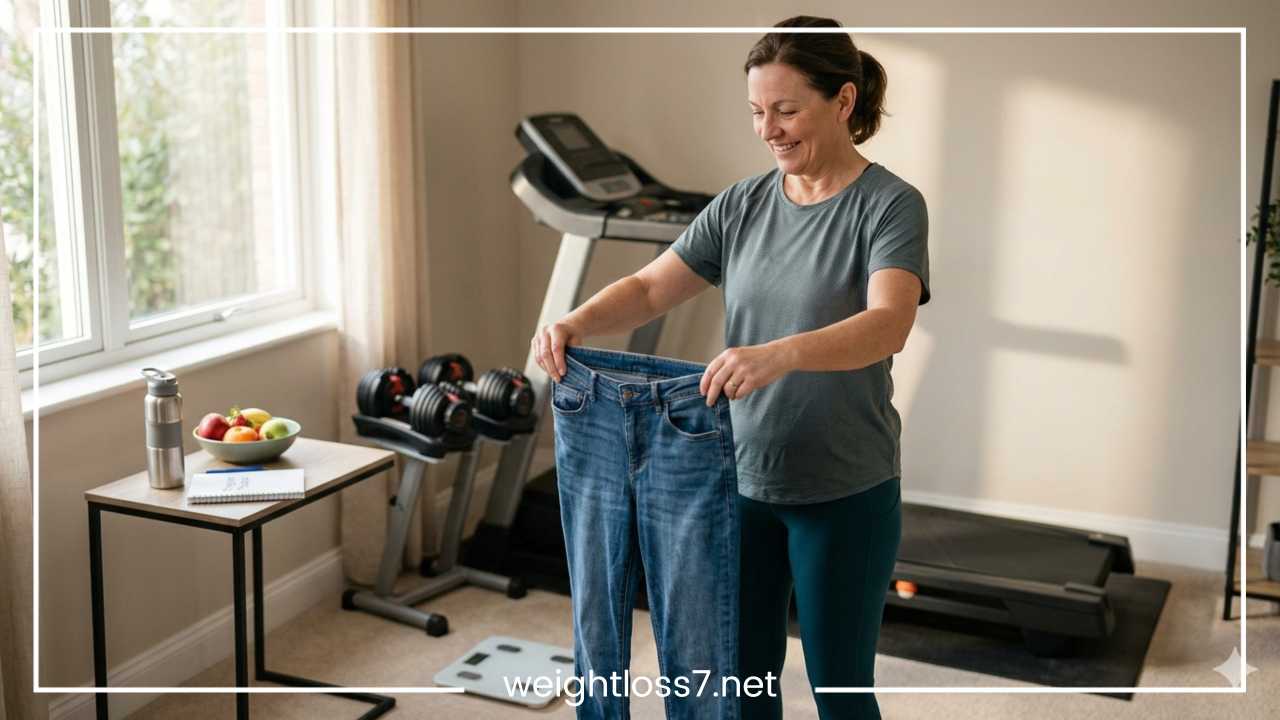
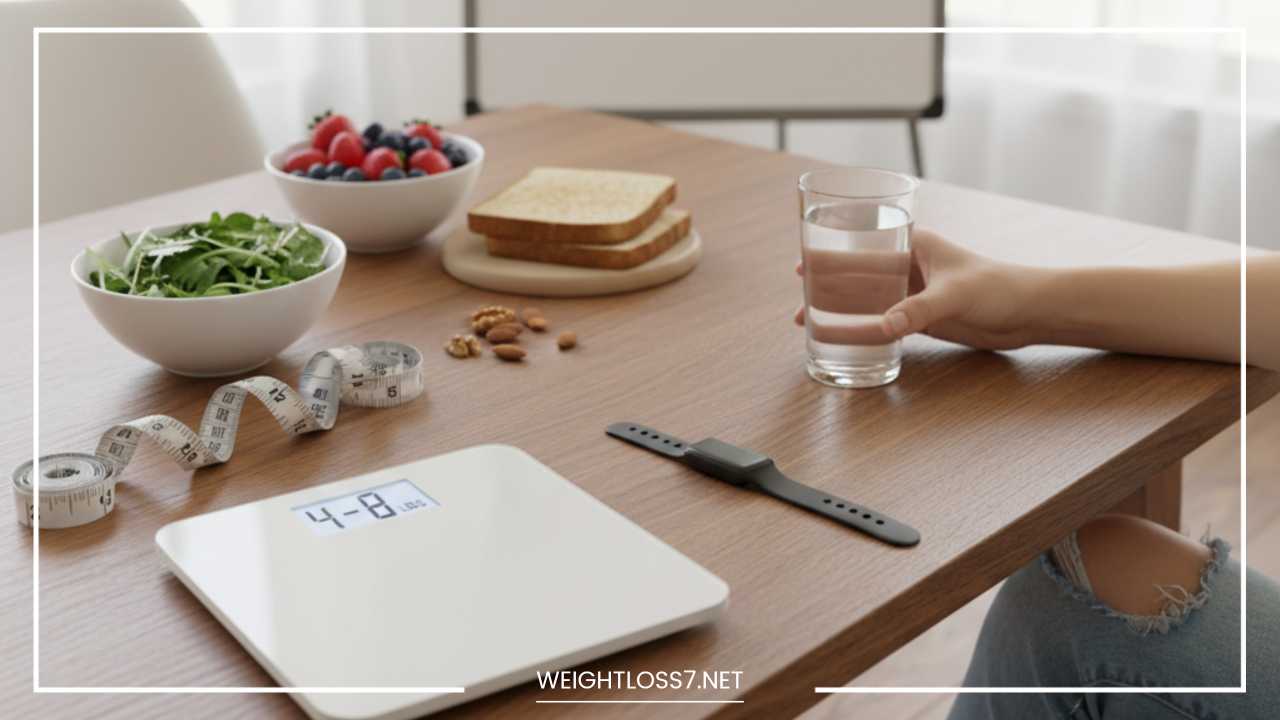
Finally, track progress beyond the scale. Take “before” photos, measure your waist or hips, and pay attention to your energy levels throughout the day. Are you sleeping better? Is it easier to climb the stairs? These non-scale victories are often more indicative of true health improvements than the number on the scale.
What Results Can You Expect in 30 Days?
After thirty days of consistent, healthy habits, what will you actually see? For most people, the physical changes will be modest but noticeable. You might see a slightly leaner face, a reduction in bloating, and clothes that feel a bit looser around the waist.
However, the most significant changes are often internal. By the end of a month, your taste buds often begin to change, and you may find yourself craving less sugar. Your digestive system likely feels more efficient, and your energy levels should be more stable throughout the day.
The most important result of a thirty-day period is the establishment of a habit. Research suggests that it takes several weeks for a new behavior to become automatic. If you can make it through the first month, you have laid the foundation for long-term success. You have proven to yourself that you can make choices that prioritize your well-being.
How to Stay Motivated Without Burning Out
The danger of a “one-month” mindset is that people often view it as a sprint with a finish line. When the thirty days are up, they might revert to old habits, leading to weight regain. To avoid this, you must change your perspective on motivation.
Motivation is a feeling, and feelings are fleeting. Some days you will feel inspired; other days you will feel tired and unmotivated. The key is to rely on discipline and systems rather than just motivation.
Set small, weekly goals. Instead of focusing on losing 4 kilograms, focus on hitting your step goal every day for seven days, or drinking enough water every day for a week. These small wins build confidence.
Be kind to yourself. If you have a day where you don’t eat well or you miss a workout, do not throw away the whole month. A single meal or a single day does not define your progress. What matters is what you do the majority of the time. Flexibility is the key to longevity. If your plan is so strict that it causes stress, it is not sustainable.
Final Thoughts
So, how much can you lose in a month? While the scale might show a drop of anywhere from 2 to 5 kilograms, the true answer is that you can lose enough to change the trajectory of your health.
A month is a powerful timeframe. It is long enough to see the rewards of your effort but short enough to keep the goal in sight. By focusing on gradual, healthy fat loss rather than drastic weight reduction, you protect your metabolism and build a body that is stronger and more resilient.
Weight loss is a personal journey. There is no “perfect” number that applies to everyone. The best results are those that come from a place of self-care and consistency. If you approach the next thirty days with patience, a focus on whole foods, regular movement, and adequate rest, you will not only see a different person in the mirror—you will feel like a different person from the inside out. Remember, the goal is not just to lose weight for a month, but to gain health for a lifetime.
Weight Loss: Myth vs. Fact
-
Myth: You can “spot reduce” fat in specific areas like the stomach by doing specific exercises.
-
Fact: When the body loses fat, it pulls energy from all over the body. You cannot choose where the fat comes from first.
-
Myth: You must be hungry all the time to lose weight.
-
Fact: High-fiber foods and proper hydration can help you feel full while maintaining a caloric deficit.
-
Myth: Skipping breakfast is the only way to lose weight.
-
Fact: Weight loss is about your total daily and weekly intake. Whether you eat breakfast or not depends on your personal preference and hunger levels.
A Simple Daily Routine for Success
-
Morning: Drink a large glass of water upon waking. Take a 10-minute brisk walk to wake up the metabolism.
-
Daytime: Focus on balanced meals with plenty of fiber. Take “movement breaks” every hour if you have a desk job.
-
Evening: Have a lighter meal at least two to three hours before bed.
-
Night: Disconnect from screens 30 minutes before sleep to ensure high-quality rest.
By following these principles, the next thirty days can be the start of a permanent transformation. Focus on the process, be patient with the results, and celebrate every small victory along the way.
Frequently Asked Questions
How much weight can I lose in a month safely?
Most health professionals suggest that a safe and sustainable rate is between 0.5 to 1 kilogram per week. This means that in a typical month, a safe goal is to lose approximately 2 to 4 kilograms. Aiming for this range ensures that you are primarily losing body fat rather than vital muscle mass or just water weight. Gradual progress is much easier to maintain over the long term and helps prevent the metabolic slowdown often associated with crash diets.
Why did I lose 5 pounds in the first week but nothing since?
It is very common to see a significant drop on the scale during the first seven days of a new routine. This initial “whoosh” is usually attributed to the loss of excess water weight and a reduction in inflammation. When you change your eating habits and reduce intake of processed items, your body releases stored glycogen, which carries a lot of water. After this initial phase, the rate of loss naturally slows down as your body begins the more demanding process of burning stored fat for energy.
Can I lose 10 pounds in 30 days without exercise?
While it is possible to lose weight through nutritional changes alone, reaching a 10-pound (4.5 kg) goal in a month without any physical activity is quite challenging for most people. Weight loss is driven by a caloric deficit, and movement helps increase the energy your body burns daily. If you choose not to engage in formal exercise, focusing on “non-exercise activity” like walking more, taking the stairs, and staying on your feet can provide the necessary boost to help reach your target.
What are the best foods to eat to lose weight in a month?
The best foods for supporting weight loss are those that are high in volume and fiber but relatively low in calories. Focus on filling your plate with various colorful vegetables, legumes (like lentils and beans), whole grains (like oats and quinoa), and healthy fats (like avocado and seeds). These foods keep you feeling full for longer periods, which naturally prevents overeating and snacking between meals.
How does sleep affect monthly weight loss progress?
Sleep is a critical but often overlooked component of weight management. When you are sleep-deprived, your body produces more ghrelin (the hormone that triggers hunger) and less leptin (the hormone that tells you when you are full). This hormonal imbalance can lead to intense cravings for sugary and calorie-dense foods. Getting seven to nine hours of quality rest per night keeps these hormones in check and provides the mental energy needed to stick to your healthy habits.
Is it possible to see visible body changes in just four weeks?
Yes, many people begin to notice visible changes after thirty days of consistency. While you may not see a total transformation, you might notice that your clothes fit more comfortably, your face looks slightly leaner, or your midsection feels less bloated. Beyond the mirror, you will likely notice internal improvements such as more stable energy levels, better digestion, and improved stamina during daily tasks.
Why is my weight fluctuating every day even though I am eating healthy?
Daily weight fluctuations are completely normal and are usually not a reflection of fat gain or loss. Your weight can change by 1 to 2 kilograms in a single day due to water retention, salt intake, hormonal cycles, and even the weight of the food currently in your digestive system. This is why it is important to look at the overall trend over several weeks rather than getting discouraged by the specific number on the scale on any given morning.