Weight Loss Diet and Exercise


Weight Loss Diet and Exercise: The Ultimate Guide to Success
Weight loss remains one of the most pursued personal health goals in the modern world. In an environment filled with sedentary jobs, processed convenience foods, and high-stress schedules, maintaining a healthy weight can feel like an uphill battle. However, the true challenge often lies not in the lack of effort, but in the abundance of misinformation. Every day, individuals are bombarded with “miracle” pills, restrictive fad diets, and workout gadgets promising overnight transformations. The reality is that weight loss is a biological process that requires a strategic, patient, and holistic approach.
To achieve lasting success, one must move away from the “quick fix” mentality. Rapid weight loss often results in muscle loss and a slowed metabolism, leading to the inevitable “yo-yo” effect where the weight is regained as quickly as it was lost. True transformation happens when you combine a thoughtful approach to nutrition with a consistent physical activity routine. This synergy does more than just change the number on the scale; it improves cardiovascular health, boosts mental clarity, and increases overall longevity.
This guide is designed to provide a comprehensive, realistic roadmap for anyone looking to improve their health. By understanding the underlying principles of how the body uses energy and how lifestyle habits influence physical outcomes, you can build a sustainable path to success. Whether you are just starting your journey or looking to break through a plateau, the following sections will equip you with the knowledge to make informed decisions for a healthier, more vibrant life.
Understanding Weight Loss Basics
At its core, weight loss is governed by the laws of thermodynamics. While various factors like hormones and genetics play a role, the primary driver is calorie balance. This is often referred to as “calories in versus calories out.” To lose weight, you must create a calorie deficit, meaning you consume fewer calories than your body expends for daily functions and physical activity.
The Role of Metabolism
Metabolism is the process by which your body converts what you eat and drink into energy. Even when you are at rest, your body needs energy for vital functions such as breathing, circulating blood, and repairing cells. This is known as your Basal Metabolic Rate (BMR). Several factors influence your metabolism:
-
Body Composition: Muscle tissue burns more calories than fat tissue, even at rest.
-
Age: Metabolism tends to slow down naturally over time, largely due to a loss of muscle mass.
-
Activity Level: The more you move, the more energy you burn.
Why Extreme Restriction Fails
It is tempting to slash calories drastically to see immediate results, but this is counterproductive. When the body senses a severe energy shortage, it enters a “starvation mode” or adaptive thermogenesis. It becomes more efficient at holding onto fat and begins breaking down muscle tissue for energy. Furthermore, extreme restriction is psychologically taxing, often leading to binges and a fractured relationship with food.
Consistency Over Perfection
The secret to successful weight loss is not found in a perfect week of dieting, but in months of consistent, moderate effort. Small, manageable changes—such as choosing water over soda or walking for twenty minutes a day—are easier to maintain than a complete lifestyle overhaul. Progress is rarely linear; there will be days when habits slip. The key is to return to your plan immediately rather than letting one mistake derail your entire journey.
Building a Balanced Diet for Weight Loss
Building a healthy diet is not about deprivation; it is about choosing high-quality fuel for your body. A balanced approach ensures that you receive the nutrients necessary for energy, recovery, and cognitive function while maintaining a calorie deficit.
Focus on Whole Foods
The foundation of your diet should consist of whole, minimally processed foods. These foods are generally more nutrient-dense and more filling than their processed counterparts. Think of the perimeter of the grocery store: fresh produce, whole grains, and legumes. Processed foods often contain hidden sugars, unhealthy fats, and high levels of sodium, all of which can hinder weight loss and leave you feeling sluggish.
Macronutrient Balance
Every calorie you consume comes from one of three macronutrients:
-
Carbohydrates: These are the body’s preferred source of energy. Focus on complex carbohydrates like brown rice, oats, quinoa, and sweet potatoes. These provide sustained energy and contain fiber, which aids digestion.
-
Protein: Protein is essential for repairing tissues and maintaining muscle mass, especially during a calorie deficit. It also has a high “thermic effect,” meaning the body uses more energy to digest it compared to fats or carbs. Legumes, beans, lentils, nuts, seeds, and soy products are excellent sources.
-
Healthy Fats: Fats are crucial for hormone production and the absorption of vitamins A, D, E, and K. Avocados, olive oil, nuts, and seeds provide healthy monounsaturated and polyunsaturated fats that keep you satiated.
The Power of Fiber and Hydration
Fiber is a secret weapon for weight loss. Found in fruits, vegetables, and whole grains, fiber adds bulk to your meals without adding extra calories, helping you feel full longer. Additionally, hydration is paramount. Sometimes, the brain confuses thirst signals with hunger signals. Drinking water throughout the day can prevent unnecessary snacking and support metabolic processes.
Smart Eating Habits
How you eat is often just as important as what you eat. Developing “food intelligence” involves becoming aware of your body’s signals and the environment in which you consume your meals.
Mindful Eating
In our fast-paced world, we often eat while distracted—watching television, scrolling through phones, or working at a desk. This leads to mindless overconsumption because the brain doesn’t have time to register fullness. To practice mindful eating, try to:
-
Chew slowly and savor the flavors.
-
Put your fork down between bites.
-
Eat without electronic distractions.
Recognizing Hunger vs. Emotional Eating
Many people eat in response to stress, boredom, or sadness rather than physical hunger. Before reaching for a snack, ask yourself if you are truly hungry or if you are seeking a distraction. Physical hunger usually develops gradually, while emotional hunger comes on suddenly and often targets specific “comfort” foods.
Flexible Meal Timing
There is no “perfect” time to eat. Some people thrive on three large meals, while others prefer smaller, more frequent snacks. The best approach is the one that fits your schedule and prevents you from becoming overly hungry, which often leads to poor decision-making.
Managing Cravings
Cravings are natural and should not be treated as failures. Instead of completely banning your favorite treats—which often makes you want them more—practice the 80/20 rule. Aim to eat nutrient-dense foods 80% of the time, leaving 20% for occasional indulgences. This balance prevents the feeling of being “on a diet” and fosters a healthier long-term relationship with food.
Common Diet Mistakes to Avoid
Even with the best intentions, it is easy to fall into traps that stall progress. Awareness of these common pitfalls can help you stay on track.
Skipping Meals
Skipping breakfast or lunch might seem like an easy way to save calories, but it often leads to extreme hunger later in the day. This usually results in overeating during dinner or late-night snacking, often exceeding the calories saved earlier.
Relying on Fad Diets
Fad diets usually rely on eliminating entire food groups or following rigid, unsustainable rules. While they may produce rapid initial weight loss, they are rarely maintainable for more than a few weeks. Once the “rules” are broken, the weight typically returns.
Liquid Calories
Many people forget to account for what they drink. Specialized coffees, energy drinks, sodas, and even large amounts of fruit juice can add hundreds of calories to your daily total without providing any feeling of fullness. Stick primarily to water, herbal teas, or black coffee.
Unrealistic Expectations
Social media often portrays weight loss as a fast, effortless process. In reality, a safe and sustainable rate of weight loss is roughly 0.5 to 1 kilogram (1 to 2 pounds) per week. Expecting more can lead to frustration and the temptation to quit when the scale doesn’t move as fast as you’d like.
The Role of Exercise in Weight Loss
While diet is the primary driver of weight loss, exercise is the engine that keeps the body functioning at its peak. Physical activity offers benefits that go far beyond burning calories.
Cardiovascular Exercise
Cardio, or aerobic exercise, includes activities like brisk walking, jogging, cycling, and swimming. These activities increase your heart rate and improve your cardiovascular health. Cardio is effective for increasing your daily calorie burn and improving your lung capacity.
Strength Training
Many people avoid lifting weights because they fear “bulking up,” but strength training is essential for weight loss. Muscle is metabolically active tissue. By building more muscle through resistance training (using weights, bands, or bodyweight exercises), you increase your BMR. This means you burn more calories even while you are sleeping. Furthermore, strength training ensures that the weight you lose comes from fat stores rather than muscle tissue.
Flexibility and Mobility
Yoga, stretching, and mobility work may not burn many calories, but they are vital for injury prevention. A flexible body can perform better in cardio and strength workouts, allowing for more intense and consistent training sessions.
Metabolism and Fat Loss
Exercise helps counteract the metabolic slowdown that occurs when you reduce your calorie intake. It also improves insulin sensitivity, meaning your body becomes better at processing carbohydrates and using them for energy rather than storing them as fat.
Creating an Effective Workout Routine
A successful exercise plan is one that is structured, progressive, and, most importantly, enjoyable. If you hate running, don’t make running the centerpiece of your plan. Find activities you look forward to.
Beginner-Friendly Structure
For those new to exercise, a balanced weekly schedule might look like this:
-
Monday: 30-minute brisk walk or light jog.
-
Tuesday: Full-body strength training (squats, lunges, push-ups, planks).
-
Wednesday: Rest or active recovery (light stretching or a casual walk).
-
Thursday: 30-minute cardio (cycling or swimming).
-
Friday: Full-body strength training.
-
Saturday: Outdoor activity (hiking or a long walk).
-
Sunday: Full rest.
The Importance of Recovery
More is not always better. Muscles grow and repair themselves during rest, not during the workout itself. Overtraining can lead to fatigue, injury, and burnout. Ensure you are getting at least one or two full rest days per week.
Staying Consistent
The best workout is the one you actually do. To stay consistent:
-
Schedule your workouts like important appointments.
-
Find a workout buddy for accountability.
-
Track your workouts to see how you are getting stronger or faster over time.
Daily Activity Matters (NEAT)
Exercise is only one part of the equation. There are 168 hours in a week; if you exercise for five hours, what you do with the other 163 hours matters significantly. This is where NEAT (Non-Exercise Activity Thermogenesis) comes in.
NEAT refers to the energy expended for everything we do that is not sleeping, eating, or sports-like exercise. This includes walking to your car, typing, gardening, cleaning the house, and even fidgeting.
Increasing Your NEAT
Small changes can add up to a significant calorie burn over the course of a day:
-
Take the stairs instead of the elevator.
-
Park further away from the entrance of stores.
-
Use a standing desk if possible.
-
Take a five-minute walking break every hour.
-
Perform household chores manually rather than using automated tools.
Increasing your daily steps and movement is often more sustainable and less taxing on the central nervous system than adding more high-intensity gym sessions.
Mindset and Motivation
Weight loss is as much a mental game as it is a physical one. Your mindset will determine how you handle the inevitable challenges and plateaus.
Setting Realistic Goals
Instead of setting a vague goal like “I want to lose weight,” use the SMART criteria: Specific, Measurable, Achievable, Relevant, and Time-bound. For example: “I will lose 5 kilograms in three months by exercising three times a week and cooking five meals at home.”
Dealing with Plateaus
At some point, your weight loss will likely stall. This is a natural part of the process as your body adapts to its new weight. When this happens:
-
Don’t panic or slash calories further immediately.
-
Re-evaluate your portion sizes (they may have crept up).
-
Change your workout routine to challenge your body in new ways.
-
Focus on “non-scale victories,” like your clothes fitting better or having more energy.
Discipline vs. Motivation
Motivation is a feeling that comes and goes. Discipline is the habit of doing what you need to do even when you don’t feel like it. Rely on systems—like meal prepping on Sundays or laying out your gym clothes the night before—rather than waiting for a burst of inspiration.
Sleep, Stress, and Weight Loss
You can have a perfect diet and exercise plan, but if you are chronically stressed and sleep-deprived, your progress will be severely hindered.
The Sleep-Hunger Connection
Sleep deprivation affects two key hormones: ghrelin and leptin. Ghrelin tells your brain when to eat, while leptin tells it when to stop. Lack of sleep increases ghrelin and decreases leptin, making you feel hungrier and less satisfied after meals. Aim for 7 to 9 hours of quality sleep per night.
Stress and Emotional Eating
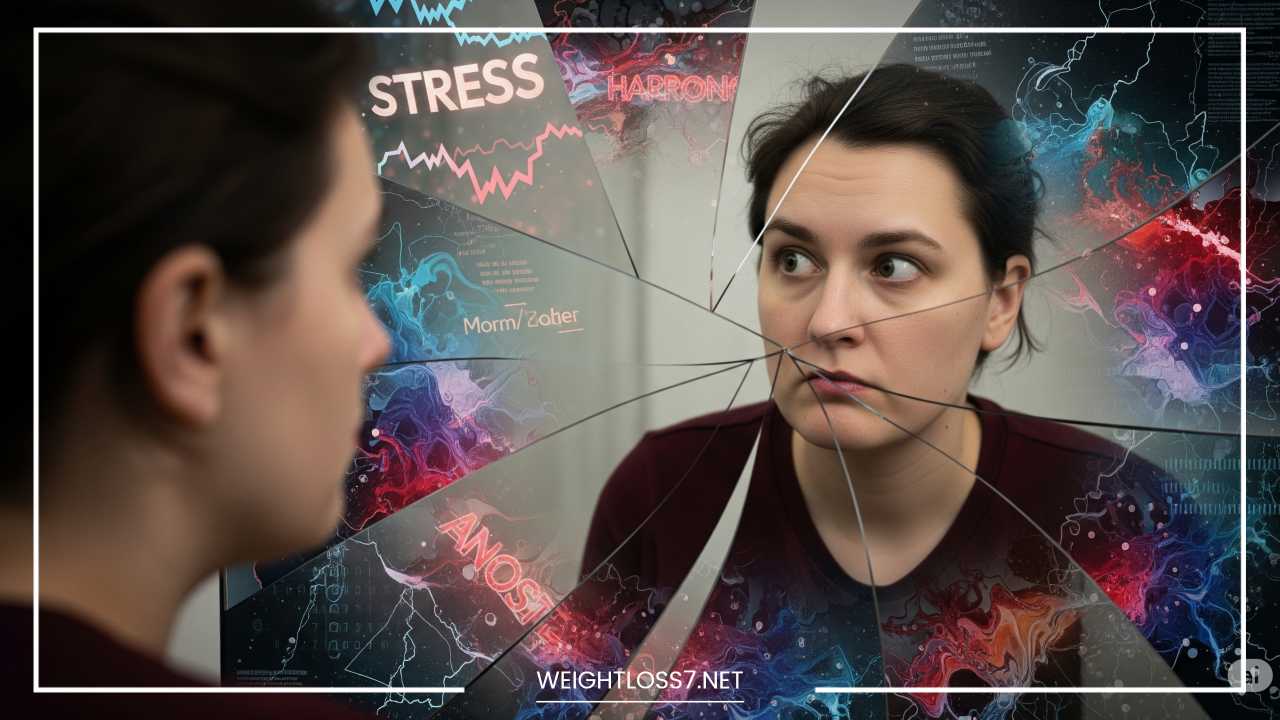
Chronic stress triggers the release of cortisol, a hormone that can increase appetite and encourage the body to store fat, particularly in the abdominal area. High cortisol levels also lead to cravings for high-calorie “reward” foods.
Stress Management Techniques
Incorporate simple stress-reduction habits into your day:
-
Deep breathing exercises or meditation.
-
Spending time in nature.
-
Unplugging from social media.
-
Engaging in a hobby you enjoy.
Hydration and Its Role
Water is involved in almost every metabolic process in the body. Staying hydrated is one of the simplest yet most effective ways to support your weight loss efforts.
Metabolism Support
Drinking water can slightly boost your metabolism through a process called water-induced thermogenesis. Additionally, the kidneys require adequate water to filter waste products; when you are dehydrated, the liver has to step in to help, which can divert its attention from its role in fat metabolism.
Preventing Overeating
As mentioned earlier, thirst is often mistaken for hunger. Drinking a glass of water 20 minutes before a meal can help you feel more satisfied and prevent over-consumption.
Practical Tips
-
Carry a reusable water bottle everywhere.
-
Drink a glass of water immediately upon waking.
-
If you find plain water boring, infuse it with slices of lemon, cucumber, or mint.
Tracking Progress the Right Way
The scale is just one tool, and it can often be misleading. Weight fluctuates daily due to water retention, salt intake, and hormonal cycles.
Non-Scale Victories (NSVs)
To keep a healthy perspective, track these metrics:
-
Measurements: Use a tape measure for your waist, hips, and arms.
-
Energy Levels: Note if you feel more alert and less tired during the day.
-
Fitness Improvements: Are you able to lift heavier weights or walk further without getting winded?
-
Clothing Fit: How do your favorite jeans feel?
-
Mood: Are you feeling more confident and less stressed?
Avoiding Obsession
Weighing yourself every single day can lead to anxiety. Consider weighing yourself once a week under the same conditions (e.g., Friday morning, before eating) to see the overall trend rather than daily spikes.
When to Seek Professional Help
While this guide provides a solid foundation, some individuals may benefit from professional intervention.
Medical Conditions
Certain conditions, such as thyroid disorders, polycystic ovary syndrome (PCOS), or hormonal imbalances, can make weight loss significantly more difficult. If you are doing everything “right” and seeing no results, consult a physician for blood work.
Expert Guidance
A registered dietitian can help create a personalized meal plan tailored to your specific nutritional needs and allergies. Similarly, a certified personal trainer can ensure you are performing exercises with the correct form to prevent injury and maximize results. Seeking help is not a sign of weakness; it is a strategic move to ensure your efforts are effective.
Final Thoughts
Weight loss is not a destination; it is a journey toward a healthier lifestyle. The most successful individuals are not those who found a “secret” diet, but those who learned to embrace the basics: eating whole foods, moving their bodies consistently, and managing their sleep and stress.
Remember that patience is your greatest ally. It took time for your body to reach its current state, and it will take time to reshape it. Focus on making the next right choice, rather than worrying about the next six months. Celebrate your progress, learn from your setbacks, and stay committed to the process. By focusing on sustainable habits rather than temporary fixes, you are not just losing weight—you are gaining a better quality of life. Success is built one meal, one workout, and one day at a time.