What Is Best Way to Lose Fat


What Is the Best Way to Lose Fat? Proven Strategies That Actually Work
Losing body fat is one of the most common health goals worldwide, yet it remains one of the most misunderstood and over-complicated subjects in the fitness industry. In a world saturated with “overnight” transformations, “miracle” pills, and aggressive marketing for fad diets, the average person often finds themselves overwhelmed and frustrated. The reality of fat loss is far less dramatic than social media suggests, but it is significantly more rewarding when approached with patience and scientific understanding.
The challenge of fat loss lies not just in the physiological process of burning energy, but in the psychological hurdle of maintaining consistency. Most people can lose weight for a week or two through sheer willpower, but long-term fat loss requires a shift from “weight loss mode” to “sustainable lifestyle mode.” Rapid fixes almost always lead to the “yo-yo” effect, where the weight is regained as quickly as it was lost—often with a little extra.
The human body is an incredibly efficient survival machine designed to store energy. To lose fat, we are essentially asking our bodies to do something they have evolved to resist. Therefore, the best strategy is not one of combat, but one of cooperation. In this comprehensive guide, we will strip away the myths and focus on the core principles that actually drive fat loss. We will explore the mechanics of energy balance, the role of balanced nutrition, the necessity of physical activity, and the often-overlooked lifestyle factors like sleep and stress management. By focusing on sustainable habits rather than restrictive rules, you can achieve a healthier body composition that lasts a lifetime.
Understanding Fat Loss: The Science of Energy
To lose fat effectively, you must first understand what fat is and why your body holds onto it. At its simplest level, body fat is stored energy. Throughout human evolution, the ability to store excess energy was a survival mechanism against famine. Today, in an environment where energy-dense food is readily available and physical labor is often minimal, this survival mechanism can lead to health complications.
The Principle of Energy Balance
The fundamental law of fat loss is energy balance, often referred to as “calories in versus calories out.”
-
Calories In: The energy you consume through food and drink.
-
Calories Out: The energy your body uses for basic functions (breathing, circulating blood), digesting food, and physical movement.
When you consume more energy than your body requires, the excess is stored as adipose tissue (fat). Conversely, to lose fat, you must create a caloric deficit, forcing your body to tap into its stored energy reserves to make up the difference. It is important to note that a deficit should be moderate. Drastic deficits signal “starvation” to the body, which can trigger a slowdown in metabolic rate and an increase in hunger hormones, making the plan impossible to sustain.
Subcutaneous vs. Visceral Fat
Not all fat is created equal. Subcutaneous fat is the layer found directly under the skin; while it affects appearance, it is generally less harmful to metabolic health. Visceral fat, however, is stored deep within the abdominal cavity around internal organs. High levels of visceral fat are linked to increased risks of chronic health conditions. Understanding that fat loss is about health—not just aesthetics—is vital for long-term motivation. When you lose weight through healthy habits, your body often prioritizes the loss of visceral fat first, which significantly improves your internal health profile even before you see major changes in the mirror.
The Role of Metabolism
Metabolism is often blamed for weight gain, but it is a dynamic system rather than a fixed number. Your Basal Metabolic Rate (BMR) accounts for about 60-70% of your daily energy expenditure. While genetics and age play a role, your muscle mass is a major factor you can control. Muscle tissue is more metabolically active than fat tissue, meaning that the more lean mass you have, the more energy your body burns at rest. As we age, we naturally lose muscle mass (sarcopenia), which is why people often feel their “metabolism has slowed down.” In reality, they have simply lost the tissue that burns the most energy.
The Myth of Spot Reduction
A common misconception is “spot reduction”—the idea that doing sit-ups will burn fat specifically from the stomach. This is a myth. Fat loss occurs systemically; your body decides where it pulls fat from based on genetics and hormones. You cannot choose where you lose fat first, but by maintaining a consistent deficit, you will eventually lose it from all areas, including the stubborn spots. Focusing on “toning” a specific area with high repetitions is less effective than focusing on overall fat loss through a caloric deficit and full-body strength training.
Nutrition Strategies for Fat Loss
Nutrition is the most significant lever you can pull when it comes to fat loss. However, effective nutrition isn’t about “good” or “bad” foods; it is about the quality, quantity, and balance of your intake.
Portion Control and Mindful Eating
You can eat healthy foods and still fail to lose fat if you are consuming them in excessive quantities. Portion control is a foundational skill. Using smaller plates, measuring servings of calorie-dense items (like oils and nuts), and learning to read labels are practical ways to manage intake without feeling deprived. Many people are surprised to find that a single “handful” of nuts can contain 200 calories, or that a “drizzle” of olive oil can add 150 calories to a salad.
Mindful eating is equally important. In our fast-paced world, we often eat while distracted—watching TV, working, or scrolling through phones. This leads to “mindless overeating” because the brain doesn’t register satiety signals. By slowing down and focusing on the flavors and textures of your food, you are more likely to stop when you are full rather than when the plate is empty. It takes about 20 minutes for the stomach to signal the brain that it is full; eating faster than this almost guarantees over-consumption.
Building Balanced Meals
A balanced meal should provide a mix of macronutrients to ensure satiety and energy.
-
Protein Alternatives: Including high-quality protein sources such as lentils, beans, chickpeas, tofu, tempeh, seitan, or dairy products (like Greek yogurt or cottage cheese) is essential. Protein has a high “thermic effect,” meaning the body burns more energy digesting it compared to fats or carbs. More importantly, it helps preserve muscle mass during a deficit. High protein intake is the most effective way to manage hunger, as it suppresses ghrelin, the hunger hormone.
-
Complex Carbohydrates: Focus on fiber-rich options like whole grains (oats, quinoa, brown rice, whole-wheat pasta) and root vegetables. Fiber slows digestion, keeping you fuller for longer. Avoid the mistake of “carb-phobia.” Carbohydrates are the preferred fuel source for your brain and your workouts; the key is choosing “slow-releasing” versions over sugary ones.
-
Healthy Fats: Avocado, seeds, and olive oil provide essential fatty acids. Since fats are calorie-dense (9 calories per gram compared to 4 for protein and carbs), they should be consumed in moderation but never eliminated, as they are crucial for hormone production and vitamin absorption.
Reducing Added Sugars and Ultra-Processed Foods
One of the most effective ways to lower caloric intake without feeling hungry is to reduce ultra-processed foods. These items are often “hyper-palatable,” meaning they are engineered to make you want to keep eating. They are typically high in added sugars, refined flours, and unhealthy fats while being low in fiber and protein. These foods cause rapid spikes and crashes in blood sugar, leading to cravings shortly after eating. By shifting your diet toward whole, single-ingredient foods, you naturally reduce your calorie density and improve your nutrient intake, allowing you to eat a larger volume of food for fewer calories.
Meal Timing and Hydration
While total daily intake is the primary driver of fat loss, meal timing can help with adherence. Some people find success with “Intermittent Fasting,” which limits eating to a specific window. Others find that skipping breakfast leads to a massive binge in the evening. The “best” timing is the one that prevents you from reaching a state of “extreme hunger,” which often leads to poor food choices. Generally, aiming for 3-4 structured meals or snacks per day prevents energy dips and keeps metabolism steady.
Hydration is a frequently overlooked tool. The brain often confuses thirst for hunger. When you feel a craving, drinking a glass of water and waiting ten minutes often resolves the feeling. Furthermore, replacing calorie-heavy beverages (sodas, sweetened coffees, energy drinks) with water or herbal tea is one of the easiest ways to create a caloric deficit without changing a single bite of food.
Physical Activity for Fat Loss
While nutrition creates the deficit, physical activity accelerates the process and ensures that the weight lost comes from fat rather than muscle. A sedentary lifestyle makes fat loss incredibly difficult because your “Calories Out” side of the equation remains very low.
The Power of Strength Training
If you want to change your body composition, resistance training is non-negotiable. When you are in a caloric deficit, your body looks for energy. If you aren’t challenging your muscles, the body may break down muscle tissue for fuel because muscle is “expensive” to maintain. Lifting weights, using resistance bands, or performing bodyweight exercises (like push-ups and squats) signals to the body that it needs to keep its muscle mass.
Strength training also provides a “metabolic afterburn.” After a vigorous session, your body requires extra energy to repair tissues and restore oxygen levels, slightly elevating your metabolic rate for hours or even days after the workout is over. This is known as Excess Post-exercise Oxygen Consumption (EPOC).
Cardiovascular Exercise for Heart and Health
Cardio (aerobic exercise) is a highly efficient way to increase your daily energy expenditure. It doesn’t have to be a grueling sprint; steady-state activities like swimming, cycling, or brisk walking are excellent for burning calories and improving cardiovascular health. A mix of High-Intensity Interval Training (HIIT) and Low-Intensity Steady State (LISS) cardio can provide the benefits of both calorie burning and endurance building without overtaxing the central nervous system.
For beginners, LISS is often better because it is less stressful on the joints and easier to recover from. As your fitness improves, adding 1-2 sessions of HIIT can help break through plateaus by challenging your aerobic capacity.
The “Hidden” Burn: NEAT
Non-Exercise Activity Thermogenesis (NEAT) refers to the energy expended for everything we do that is not sleeping, eating, or sports-like exercise. This includes walking to the car, gardening, fidgeting, and even standing.
For many, NEAT accounts for more daily calorie burn than a structured 45-minute gym session. If you spend one hour at the gym but remain sedentary for the other 23 hours, your total energy output may still be low. Increasing your daily step count—aiming for 8,000 to 10,000 steps—is one of the most sustainable ways to support fat loss. Simple habits like taking the stairs, parking further away, or using a standing desk can add up to hundreds of extra calories burned each day.
A Sustainable Sample Plan
A balanced weekly approach for someone starting their journey might look like this:
-
Monday: Full-body strength training (30–45 minutes).
-
Tuesday: 30-minute brisk walk or light cycling.
-
Wednesday: Full-body strength training (30–45 minutes).
-
Thursday: Active recovery (stretching, yoga, or a slow walk).
-
Friday: Full-body strength training or a HIIT session (20–30 minutes).
-
Saturday: Outdoor activity (hiking, swimming, or sports).
-
Sunday: Rest and meal preparation.
The key to any exercise plan is enjoyment. If you hate running, don’t run. Find an activity that makes you feel capable and energized—whether that is dancing, rock climbing, or heavy lifting—and you will be much more likely to stick with it for the long term.
Lifestyle Habits That Influence Fat Loss
You cannot out-train a poor lifestyle. Often, when people plateau in their fat loss journey, the culprit isn’t their diet or their workout—it’s what is happening during their “off” hours.
Sleep: The Secret Ingredient
Sleep deprivation is a direct enemy of fat loss. When you are short on sleep, your body undergoes hormonal shifts that actively work against you:
-
Ghrelin (the hunger hormone) increases, making you feel hungrier than usual.
-
Leptin (the fullness hormone) decreases, making it harder to feel satisfied after eating.
-
Insulin sensitivity drops, meaning your body is less efficient at processing carbohydrates, making it more likely that the sugar in your blood will be stored as fat.
Furthermore, lack of sleep drains your willpower, making you more likely to reach for sugary snacks for a quick energy boost. Research has shown that people who are sleep-deprived tend to consume significantly more calories the next day, often from high-fat, high-sugar sources. Aiming for 7–9 hours of quality sleep per night is just as important as your time in the gym.
Stress and Cortisol
Chronic stress leads to elevated levels of cortisol. While cortisol is necessary in short bursts (the “fight or flight” response), chronically high levels can encourage the body to store fat, particularly in the abdominal region. Stress also triggers emotional eating—we reach for “comfort foods” that provide a temporary hit of dopamine to counteract the stress.
Managing stress through meditation, deep breathing exercises, or simply spending time in nature can physically make it easier for your body to shed fat. If your life is high-stress, your fat loss plan should focus more on recovery and gentle movement rather than adding the additional stress of grueling, high-intensity workouts.
Tracking and Awareness
You cannot manage what you do not measure. This doesn’t mean you have to track every calorie for the rest of your life, but building awareness is vital. Methods include:
-
Food Journaling: Writing down what you eat can highlight patterns, such as afternoon snacking or late-night binging.
-
Progress Photos: The scale is a fickle tool; it doesn’t distinguish between muscle, fat, and water weight. Photos often show changes—like muscle definition or a change in posture—that the scale hides.
-
Measurement: Using a tape measure for your waist, hips, and arms can provide tangible proof of progress. A shrinking waistline is a much more accurate indicator of fat loss than a fluctuating number on the scale.
Consistency Over Perfection
The most common reason people fail is the “all-or-nothing” mindset. They believe that if they eat one “unhealthy” meal, the whole day or week is ruined, leading to a downward spiral of overeating. Fat loss is a game of averages. One meal won’t make you lose fat, and one meal won’t make you gain it. Success comes from being “mostly good” most of the time, rather than being “perfect” for three days and then quitting. If you can maintain your habits 80% of the time, the other 20% won’t stop your progress.
Behavior and Mindset for Long-Term Success
Fat loss is a mental game as much as a physical one. To succeed, you must shift your perspective from a temporary “diet” to a permanent way of living. If you view your plan as something you just have to “get through,” you will inevitably revert to the habits that caused the fat gain in the first place.
Setting Realistic Goals
Lose the “30 pounds in 30 days” mindset. A safe and sustainable rate of fat loss is roughly 0.5 to 2 pounds per week. While this seems slow, it adds up to 25–100 pounds in a year. Slow loss is also much more likely to be fat loss rather than water or muscle loss. Furthermore, losing weight slowly gives your skin time to adjust and allows you to build the habits necessary to keep the weight off.
Set “process goals” instead of just “outcome goals.” Instead of saying “I want to lose 10 pounds,” say “I will walk for 30 minutes five days a week” or “I will eat a vegetable with every dinner.” You have total control over your actions, but you don’t always have control over how your body responds on a daily basis.
Non-Scale Victories (NSVs)
The scale can be influenced by salt intake, hormonal cycles, hydration levels, and even the time of day. To stay motivated, look for other signs of progress:
-
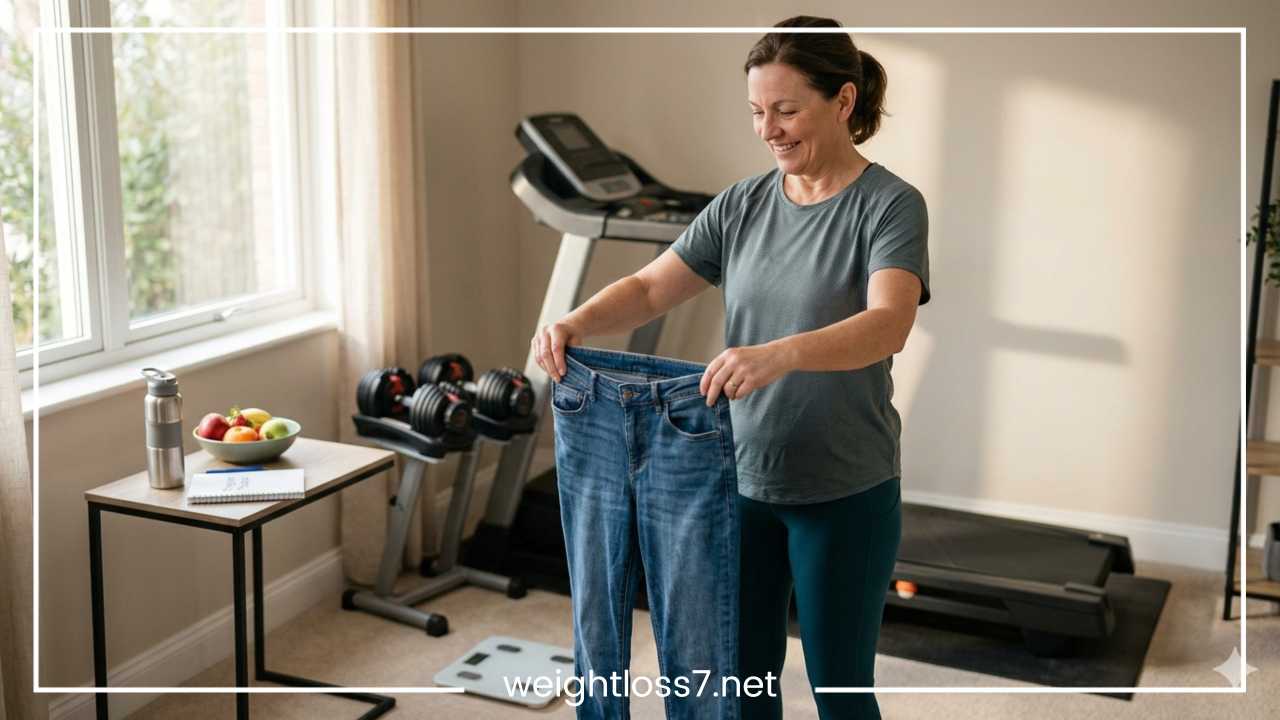
Your clothes fitting more loosely.
-
Having more energy throughout the afternoon.
-
Being able to lift heavier weights or walk further without getting winded.
-
Improved mood and better sleep quality.
-
Lower resting heart rate or improved blood pressure.
Focusing on these victories makes the journey rewarding even during weeks when the scale stays still.
Creating a Supportive Environment
Willpower is a finite resource; don’t rely on it exclusively. Design your environment to make the healthy choice the easy choice. If you don’t want to eat junk food, don’t keep it in the house. Keep your gym bag packed and by the door. Surround yourself with people who support your goals rather than those who pressure you to indulge. If you find yourself in social situations where food is central, plan ahead—decide what you will eat or have a small healthy snack before you go so you aren’t arriving ravenous.
Common Mistakes to Avoid
Even with the best intentions, it is easy to fall into traps that stall progress and lead to frustration.
Over-Reliance on Supplements
The supplement industry is worth billions, but no pill, powder, or tea can replace a caloric deficit. Most “fat burners” offer only a negligible boost to metabolism (often through caffeine) and can often cause jitters or digestive issues. Some herbal supplements can even be harmful to the liver. Save your money and focus on whole foods and consistent movement. Supplements should only be used to fill specific nutrient gaps (like Vitamin D or B12) under the guidance of a professional.
Extreme Calorie Restriction
Dropping your calories too low (e.g., eating less than 1,200 calories for most adults) is counterproductive. Your body may respond by lowering its metabolic rate to conserve energy (adaptive thermogenesis), and you will likely lose significant muscle mass. Extreme restriction also leads to “binge-restrict” cycles that damage your relationship with food. It is better to have a smaller deficit and take longer to reach your goal than to suffer through a miserable, unsustainable diet.
Too Much Cardio, Not Enough Strength
While cardio is great for burning calories, doing only cardio can lead to a “skinny fat” physique, where you lose weight but maintain a high body fat percentage because your muscle mass has also decreased. Strength training ensures that the weight you lose is actually fat. Muscle is the “engine” of your body; cardio is just the “miles” you put on it. You need a strong engine to burn fuel effectively.
Comparing Your Chapter One to Someone Else’s Chapter Twenty
Social media is a curated highlight reel. Everyone’s body responds differently to diet and exercise based on their history, genetics, and current health status. Some people lose weight quickly at first, while others see a slow, steady decline. Focus on being better than you were yesterday, not on being better than a stranger on the internet. Comparison is the thief of joy and the fastest way to lose motivation.
Final Thoughts
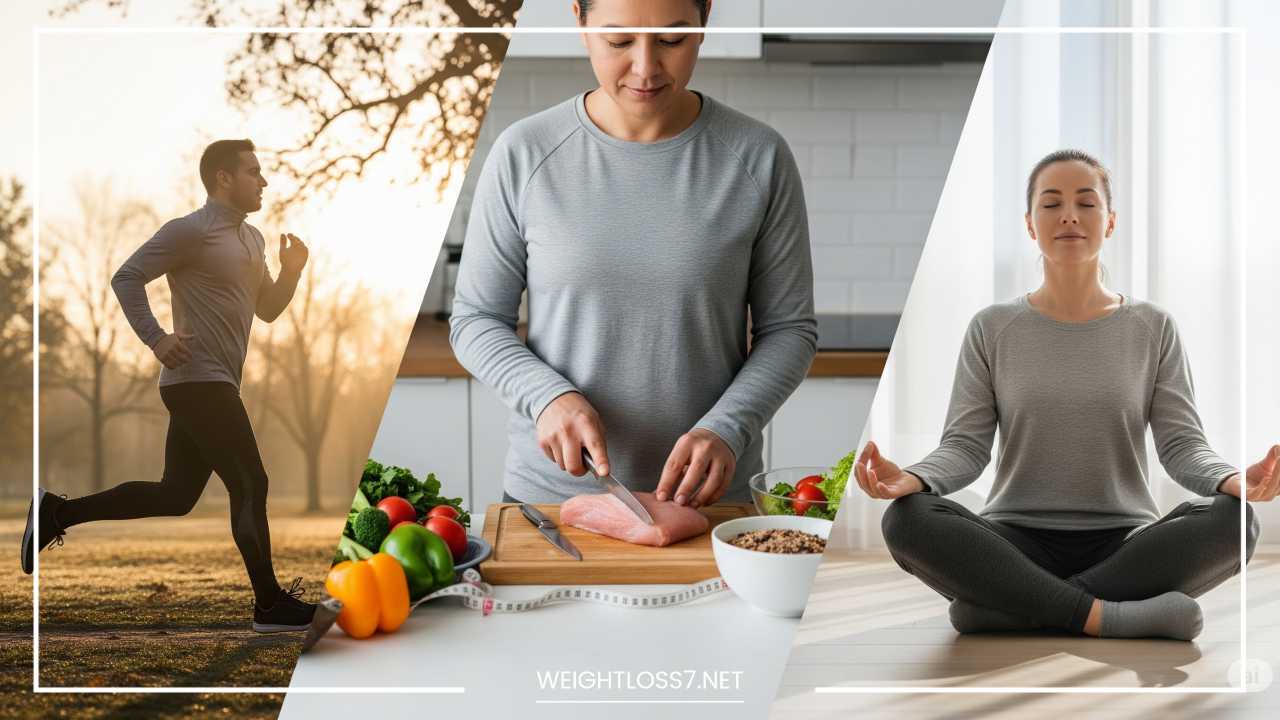
The “best” way to lose fat is not a secret supplement, a complicated workout routine, or a restrictive diet that cuts out entire food groups. It is the consistent application of basic health principles: a sustainable caloric deficit, a nutrient-dense diet rich in protein and fiber, regular strength and cardiovascular exercise, and a lifestyle that prioritizes sleep and stress management.
There are no shortcuts that provide lasting results. True transformation happens in the quiet, mundane moments: when you choose to go for a walk instead of sitting on the couch, when you choose water over soda, and when you choose to keep going even when the scale doesn’t move for a few days.
Fat loss is a journey of self-discovery as much as physical change. It requires you to learn how your body works, how you respond to different foods, and how to build a life that supports your health rather than detracts from it. By focusing on building habits that you actually enjoy, you remove the “expiration date” from your health journey. Be patient with yourself, trust the process, and focus on the long-term health benefits of a stronger, leaner, and more capable body. The results will follow consistency, and the version of yourself you find at the end of the journey will be well worth the effort.