Best Weight Loss for Females


Best Weight Loss for Females: Top Diets & Effective Strategies
Weight loss is a topic that occupies the minds of millions, yet it remains one of the most misunderstood aspects of modern health. For many females, the journey toward a healthier weight can feel like an uphill battle against biology, societal expectations, and a mountain of conflicting information. We often see advertisements promising “miracle” transformations in days, yet the reality of physiological change is far more nuanced. The frustration many feel isn’t usually due to a lack of willpower, but rather a lack of sustainable, science-based strategies that respect the body’s natural rhythms.
Common myths often suggest that weight loss is purely a matter of “eating less and moving more” in a vacuum. However, this ignores the complex interplay of hormones, stress levels, and life stages. Another prevalent myth is that extreme restriction is the only way to see results. In reality, the body often responds to drastic calorie cuts by slowing down the metabolism, leading to the well-known “yo-yo” effect where weight is lost quickly only to be regained even faster.
This guide focuses on a balanced, healthy approach. It is not about “dieting” in the restrictive sense, but about cultivating long-term habits that support a healthy weight. While these strategies are designed to be inclusive and applicable to a general audience, we pay special attention to female physiology, acknowledging how cycles and hormonal shifts influence energy levels and appetite. The goal is to move away from the “quick fix” mentality and toward a lifestyle of consistency, self-care, and metabolic health.
Understanding Weight Loss Basics
To navigate weight loss successfully, one must understand the fundamental principles of energy balance. At its core, weight management is governed by the relationship between the energy you consume and the energy your body uses. This is often referred to as “calories in versus calories out.” While this sounds simple, the “calories out” side of the equation is dynamic and influenced by several factors.
The foundation of your energy expenditure is your Basal Metabolic Rate (BMR). This represents the number of calories your body needs to perform basic life-sustaining functions, such as breathing, circulating blood, and cell production, while at rest. For most people, BMR accounts for about 60% to 75% of total daily energy expenditure. Your total daily energy expenditure (TDEE) is then further determined by the thermic effect of food (the energy used to digest what you eat) and your physical activity levels.
Hormones play a significant role in how these calories are processed. For females, hormones like estrogen, progesterone, and insulin dictate how the body stores fat and utilizes glucose. When insulin levels are chronically high due to a diet rich in refined sugars, the body remains in “storage mode,” making it difficult to access stored fat for fuel.
This is why crash diets almost always fail. When you suddenly drop your caloric intake to an extreme low, your body perceives a state of famine. In response, it downregulates thyroid function and reduces muscle mass to conserve energy. Once the diet ends and “normal” eating resumes, the lower metabolic rate makes it incredibly easy to gain back the weight. A successful approach involves a modest deficit that allows the body to maintain its metabolic fire while gradually utilizing fat stores.
Why Weight Loss Is Different for Females
While the laws of thermodynamics apply to everyone, females face unique physiological hurdles. Hormonal cycles are perhaps the most significant differentiator. Throughout the menstrual cycle, fluctuations in estrogen and progesterone affect everything from insulin sensitivity to water retention. In the luteal phase (the week before menstruation), many females experience a slight increase in BMR, but this is often accompanied by increased hunger and cravings for high-energy foods.
Fat storage patterns also differ. Biologically, the female body is designed to maintain certain fat stores for reproductive health, often concentrating adipose tissue around the hips, thighs, and lower abdomen. These “stubborn” areas are often the last to lean out because they contain a higher density of alpha-receptors, which slow down the mobilization of fat compared to other areas of the body.
Common challenges include:
-
Water Retention: Hormonal shifts can cause the body to hold onto several pounds of water, which can be discouraging when looking at a scale. It is important to distinguish between “water weight” and actual fat mass.
-
Slower Metabolism Phases: During periods of significant hormonal transition, such as perimenopause or menopause, the drop in estrogen can lead to a redistribution of weight toward the midsection and a general slowing of the metabolic rate.
-
Emotional Eating: Research suggests that females may be more prone to emotional eating as a response to stress or hormonal fluctuations, making psychological strategies just as important as nutritional ones.
Top Diet Approaches for Healthy Weight Loss
Sustainable weight loss is built on the foundation of balanced eating rather than the total elimination of food groups. A balanced approach ensures the body receives the micronutrients (vitamins and minerals) and macronutrients (proteins, fats, and carbohydrates) it needs to function optimally.
Balanced Eating Approach
The most effective long-term strategy is a diet rich in whole, minimally processed foods. This means focusing on items that look close to their natural state. Instead of calorie-counting every morsel, many find success by focusing on “nutrient density.” Nutrient-dense foods provide a high volume of food and nutrients for a relatively low number of calories, which helps with satiety (the feeling of fullness).
Portion Awareness
You don’t always need to weigh your food to lose weight, but developing portion awareness is vital. A simple visual guide—such as filling half your plate with vegetables, a quarter with complex carbohydrates, and a quarter with a solid protein source—can naturally create a calorie deficit without the mental fatigue of constant tracking.
Smart Meal Planning
Meal timing can also play a role. Spacing meals properly throughout the day helps maintain stable blood sugar levels, preventing the “crashes” that lead to impulsive snacking. Some find success with three distinct meals, while others prefer smaller, more frequent snacks. The key is to avoid “back-loading” your calories—eating very little during the day only to consume a massive amount in the evening when activity levels are lowest.
Reducing Processed Foods
Processed foods are often engineered to be “hyper-palatable,” meaning they override the body’s natural fullness signals. By reducing the intake of packaged snacks, sugary cereals, and refined white breads, you naturally lower your intake of “empty” calories that offer little nutritional value.
Best Foods to Include
When selecting foods for weight loss, the goal is to choose items that are high in fiber and protein, as these are the most satiating.
-
Whole Grains: Oats, quinoa, brown rice, and barley are excellent sources of complex carbohydrates. They provide a steady release of energy and contain fiber, which slows digestion and keeps you full longer.
-
Vegetables: These should be the “bulk” of your diet. Leafy greens (spinach, kale), cruciferous vegetables (broccoli, cauliflower), and root vegetables (carrots, beets) are low in calories but high in volume and essential nutrients.
-
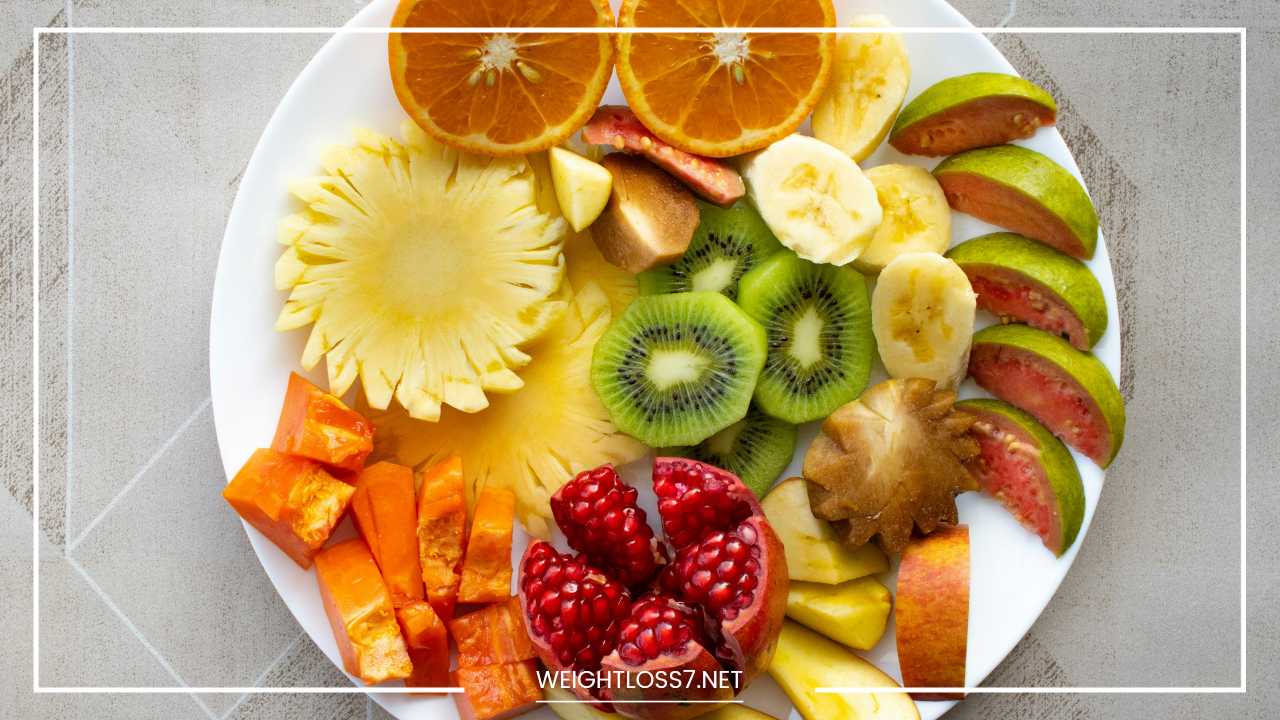
Fruits: Berries, apples, and citrus fruits offer natural sweetness along with antioxidants. They are a much better alternative to processed sweets when a craving hits.
-
Dairy and Dairy Alternatives: Greek yogurt, cottage cheese, and skim milk are excellent sources of protein and calcium. For those who prefer alternatives, unsweetened soy or almond milk can provide similar benefits when fortified with nutrients.
-
Nuts and Seeds: Almonds, walnuts, chia seeds, and flaxseeds provide healthy fats and fiber. Because they are calorie-dense, they should be consumed in small, mindful portions, but they are incredibly effective at staving off hunger.
-
Legumes: Lentils, chickpeas, and various beans are nutritional powerhouses. They provide a unique combination of high fiber and significant protein, making them a staple for any weight loss plan.
Focusing on fiber-rich foods is one of the “secret weapons” of weight loss. Fiber expands in the stomach and slows the emptying process, which helps you feel satisfied for hours after a meal. Additionally, staying hydrated by consuming foods with high water content, like cucumbers and melons, can help the body distinguish between true hunger and thirst.
Foods and Habits to Limit
Just as important as what you add to your diet is what you choose to limit. Weight loss is often hindered by “hidden” calories and habits that we don’t even realize are sabotaging our progress.
-
Sugary Beverages: Sodas, sweetened coffee drinks, and even some fruit juices are major sources of liquid calories. Because the body doesn’t register liquid calories the same way it does solid food, it’s easy to consume hundreds of calories without feeling full.
-
Ultra-Processed Foods: Items like chips, crackers, and pre-packaged baked goods are often high in trans fats and sodium, which can lead to inflammation and water retention.
-
Excessive Refined Carbs: White pasta, white bread, and sugary pastries cause rapid spikes in blood sugar. This is followed by a sharp drop, which triggers hunger and cravings, creating a vicious cycle of overeating.
-
Late-Night Snacking: While a calorie is a calorie regardless of when it’s eaten, snacking late at night is often a result of boredom or emotion rather than hunger. It also interferes with the quality of sleep, which in turn affects weight loss.
-
Emotional Eating Triggers: Identifying the “why” behind your eating is crucial. If you find yourself reaching for food when stressed, angry, or tired, it’s a sign that you need to develop non-food coping mechanisms.
Effective Exercise Strategies
Exercise is a powerful tool for weight loss, not just because it burns calories, but because it improves metabolic health and mental well-being. A well-rounded routine should incorporate different types of movement.
Cardio (Aerobic Exercise)
Cardiovascular activities like walking, jogging, cycling, or swimming are excellent for increasing your daily calorie burn and improving heart health. Walking is particularly underrated; it is low-impact, accessible, and can be sustained for long periods, making it one of the best activities for consistent fat loss.
Strength Training
Many females shy away from lifting weights out of a fear of “bulking up,” but this is a mistake. Muscle tissue is more metabolically active than fat tissue. By building lean muscle through resistance training (using weights, bands, or body weight), you increase your BMR, meaning you burn more calories even when you are sleeping.
Flexibility and Mobility
Yoga and stretching may not burn as many calories as a HIIT workout, but they reduce cortisol levels and prevent injuries. Keeping the body mobile ensures you can continue your more intense workouts without setbacks.
Daily Movement (NEAT)
Non-Exercise Activity Thermogenesis (NEAT) refers to the energy expended for everything we do that is not sleeping, eating, or sports-like exercise. This includes walking to the car, cleaning the house, or even fidgeting. Increasing your NEAT—such as taking the stairs instead of the elevator—can often burn more calories over the course of a week than three sessions at the gym.
Weekly Schedule Example:
-
Monday: 30-minute brisk walk + 20 minutes of strength training.
-
Tuesday: Yoga or active stretching.
-
Wednesday: 30-minute cycling or swimming.
-
Thursday: 20 minutes of strength training + 10 minutes of core work.
-
Friday: Brisk walk or light jog.
-
Saturday: Outdoor activity (hiking, gardening).
-
Sunday: Rest and recovery.
Lifestyle Factors That Impact Weight Loss
Nutrition and exercise are the pillars, but they rest on a foundation of lifestyle habits. If your lifestyle is chaotic, even the best diet will be difficult to maintain.
Sleep Quality
Sleep is often the missing link in weight loss. Lack of sleep disrupts the hormones ghrelin (which signals hunger) and leptin (which signals fullness). When you are sleep-deprived, ghrelin levels rise and leptin levels fall, making you feel ravenous and less likely to feel satisfied after eating. Aim for 7 to 9 hours of quality sleep per night.
Stress Management
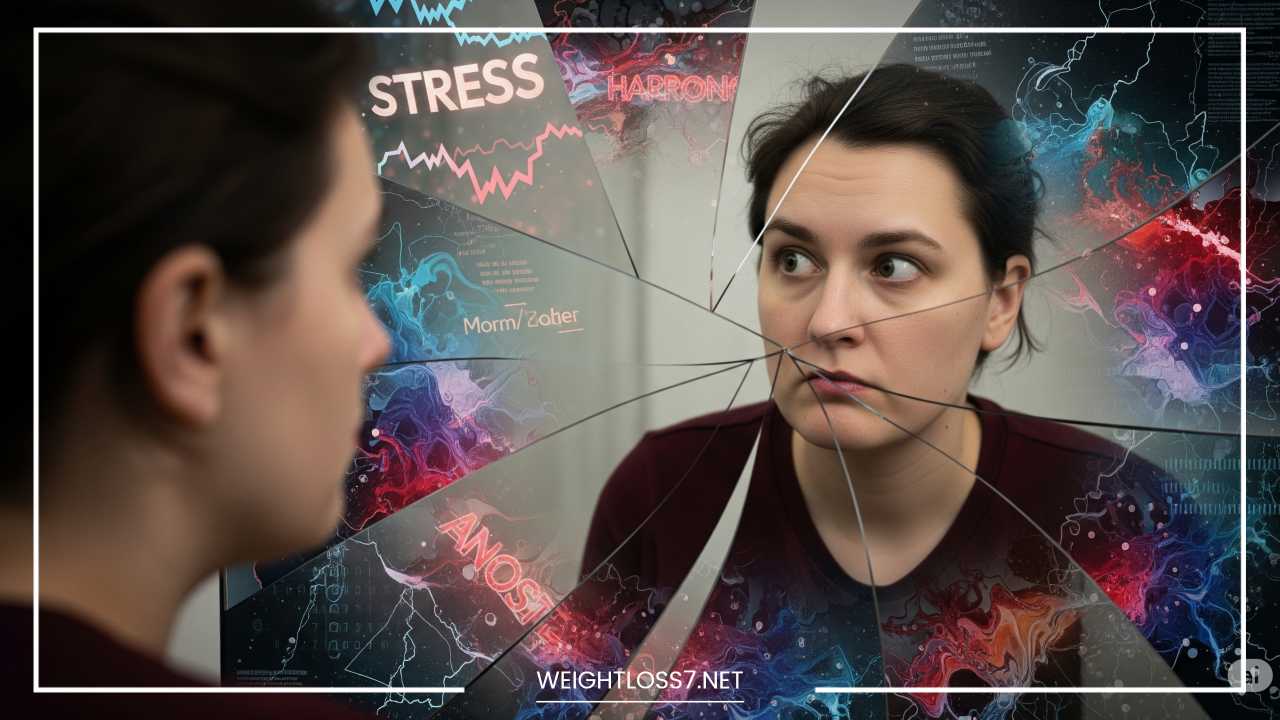
Chronic stress leads to elevated levels of cortisol. High cortisol is directly linked to increased abdominal fat storage and cravings for “comfort foods” high in sugar and fat. Incorporating meditation, deep breathing exercises, or simply spending time in nature can help lower these levels.
Hydration
Drinking enough water is essential for metabolism. Sometimes the brain confuses thirst signals with hunger signals. Drinking a glass of water before a meal can help you eat more mindfully and ensure your kidneys and liver are functioning efficiently to process waste.
Mindful Eating
In our fast-paced world, we often eat while distracted by phones or television. Mindful eating involves sitting down, chewing slowly, and actually tasting your food. This gives your digestive system and brain time to communicate, ensuring you stop when you are comfortably full rather than stuffed.
Common Mistakes to Avoid
In the quest for weight loss, it is easy to fall into traps that actually hinder progress.
-
Skipping Meals: This often leads to extreme hunger later in the day, resulting in a binge. It also signals to the body that food is scarce, which can slow down the metabolism.
-
Over-Exercising: More is not always better. Working out excessively without proper rest can lead to burnout, hormonal imbalances, and injuries.
-
Relying on Quick Fixes: Detox teas, waist trainers, and “fat-burning” supplements are largely ineffective and can sometimes be dangerous. There is no substitute for consistent nutrition and movement.
-
Ignoring Mental Health: Weight loss is as much a mental journey as a physical one. If you have a poor relationship with your body, the “number on the scale” will never be enough to make you happy.
-
Unrealistic Expectations: Aiming to lose a significant amount of weight in a very short time sets you up for disappointment. Healthy weight loss is typically 0.5 to 2 pounds per week.
Sustainable Weight Loss Tips
The difference between a “diet” and a “lifestyle” is sustainability. To make your changes stick, you must approach them with a long-term mindset.
-
Set Realistic Goals: Instead of focusing only on a final weight goal, set “process goals.” For example, “I will walk for 20 minutes four times this week” is a goal you can control.
-
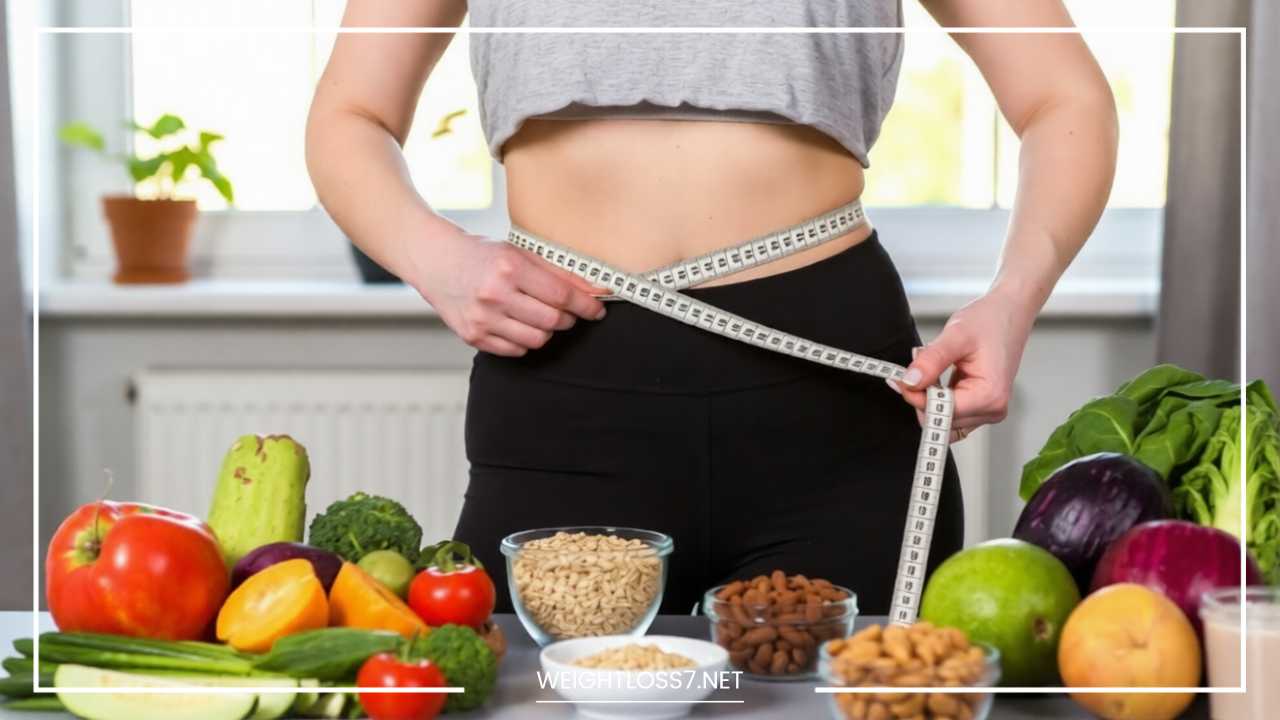
Track Progress Beyond the Scale: The scale doesn’t account for muscle gain or changes in body composition. Take photos, measure your waist, and pay attention to how your clothes fit. Most importantly, notice your energy levels.
-
Build Habits Gradually: Don’t try to change everything at once. Start by improving your breakfast. Once that feels natural, focus on your activity levels. Small wins build momentum.
-
Stay Motivated: Remind yourself of your “why.” Is it to have more energy for your family? To feel more confident? To improve your long-term health?
-
Celebrate Small Wins: If you chose a salad over a burger or completed a workout when you felt tired, acknowledge that victory. Consistency is built on these small, daily choices.
Sample Daily Routine
A structured routine can take the guesswork out of weight loss. Here is an example of a balanced day:
-
7:00 AM: Wake up and drink a large glass of water.
-
7:30 AM: A 15-minute morning stretch or a quick walk around the block.
-
8:30 AM: Breakfast: Oatmeal topped with nuts and berries, or Greek yogurt with a sprinkle of seeds.
-
1:00 PM: Lunch: A large bowl of mixed greens with chickpeas or lentils, various vegetables, and a light olive oil dressing.
-
4:00 PM: Snack: An apple or a small handful of almonds to maintain energy.
-
6:30 PM: Dinner: A portion of brown rice or quinoa, steamed broccoli, and a protein source like tofu or a dairy-based dish.
-
8:00 PM: Evening Wind-down: A cup of herbal tea (caffeine-free) and a tech-free activity like reading to prepare for sleep.
-
10:00 PM: Lights out for at least 8 hours of rest.
Final Thoughts
Weight loss for females is a journey that requires patience, understanding, and a commitment to self-care. It is not about punishing the body for what it has eaten, but about nourishing it so it can perform at its best. By understanding the basics of metabolism, respecting your hormonal cycles, and focusing on whole, nutrient-dense foods, you create an environment where weight loss becomes a natural byproduct of a healthy life.
Remember that consistency matters far more than perfection. There will be days when you deviate from your plan, and that is okay. What matters is the direction you are moving in over weeks and months, not a single meal or a single day. Be patient with yourself, celebrate your progress, and focus on the incredible things your body can do when it is properly fueled and cared for. This is a marathon, not a sprint, and the reward is a healthier, more vibrant version of yourself.