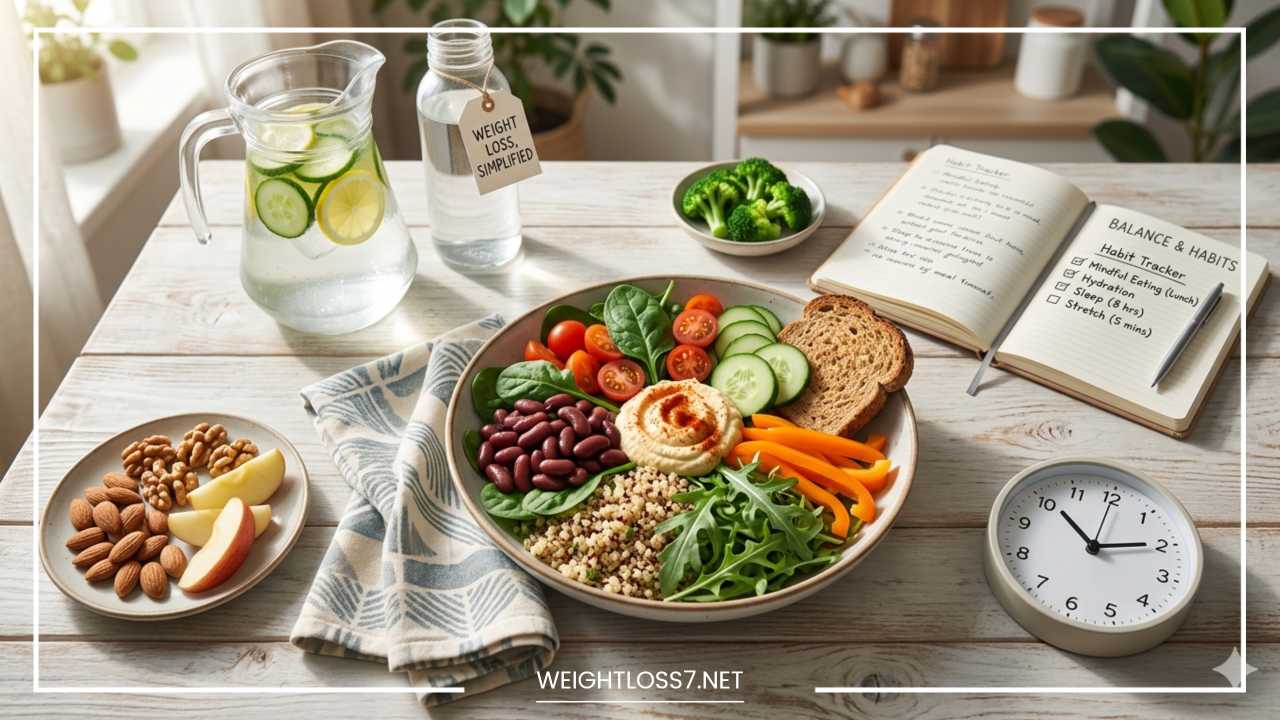
Weight Burning Foods: What to Eat to Spike Metabolism

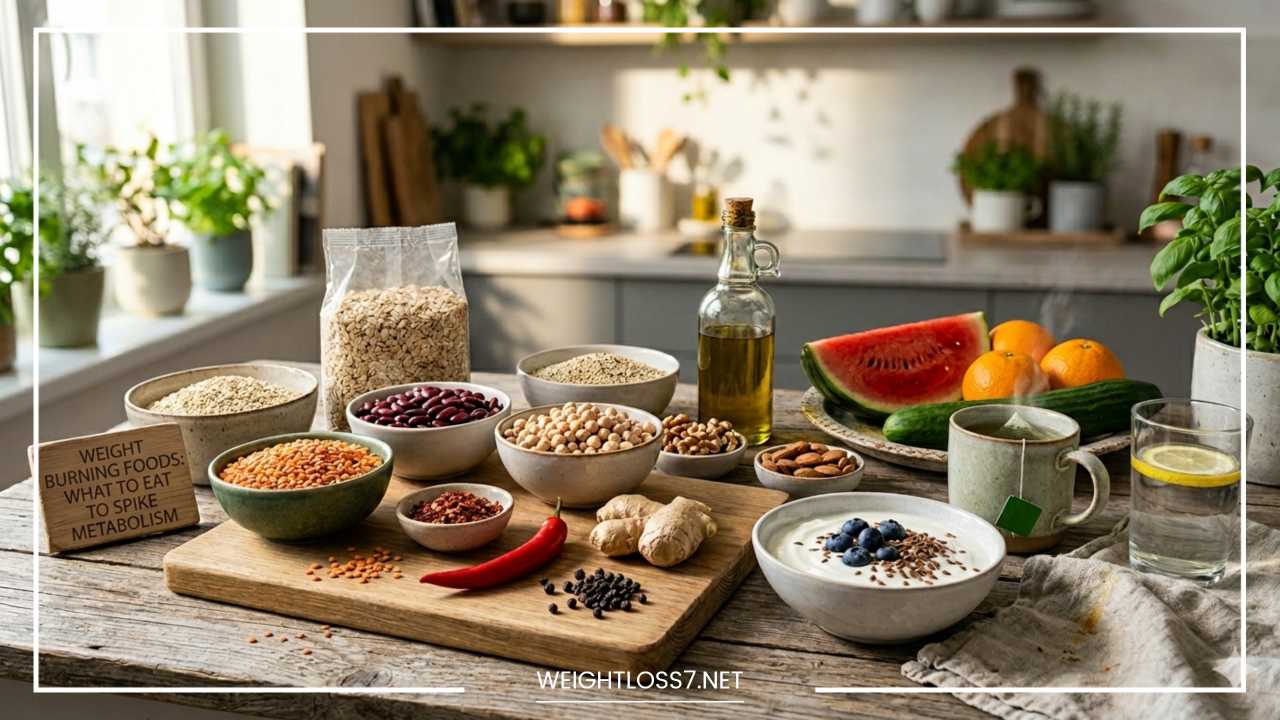
Weight Burning Foods: What to Eat to Spike Metabolism
Can Foods Really Burn Fat?
The quest for weight loss often leads people toward the idea of “fat-burning foods”—miracle ingredients that supposedly melt away body fat with minimal effort. However, to understand how to effectively manage weight, we must first dispel the myth of the “magic pill” food. No single ingredient can counteract a sedentary lifestyle or a chronically poor diet. Instead, the concept of weight-burning foods refers to specific items that, when integrated into a balanced lifestyle, help the body optimize its natural metabolic processes.
Metabolism is essentially the chemical engine that keeps you alive. It is the complex series of chemical reactions by which your body converts what you eat and drink into energy. Even when you are at rest, your body requires energy for functions such as breathing, circulating blood, adjusting hormone levels, and growing and repairing cells.
When we talk about foods that “spike” metabolism, we are referring to dietary choices that increase the energy cost of digestion, improve hormonal signaling, or enhance the body’s ability to utilize stored energy. These foods support your biological systems, making it easier for your body to maintain a healthy weight. By focusing on nutrient-dense, thermogenic, and satiating foods, you can create an internal environment conducive to fat loss without resorting to unsustainable or restrictive measures.
What Is Metabolism and How Does It Work?
To master weight burning, it is crucial to understand the components of metabolism. Your total daily energy expenditure (TDEE) is comprised of several different factors that dictate how much fuel your body requires on a daily basis.
Basal Metabolic Rate (BMR)
BMR is the number of calories your body burns just to perform basic life-sustaining functions. This accounts for about 60% to 75% of the total calories you burn each day. It is influenced by your age, height, and weight, but most significantly by your muscle mass. Because muscle tissue is more active than fat tissue, someone with a higher percentage of lean mass will have a higher BMR, burning more calories even while sleeping.
Thermic Effect of Food (TEF)
This is where nutrition plays a direct role. TEF represents the energy expended to process (digest, absorb, transport, and store) the food you eat. Different macronutrients have different TEF values. For example, the body uses significantly more energy to break down protein than it does to process fats or carbohydrates. This “digestive tax” means that not all calories are created equal in terms of how they impact your metabolic rate.
Energy Expenditure Basics
Beyond BMR and TEF, your metabolism is powered by physical movement. This includes both intentional exercise (EAT – Exercise Activity Thermogenesis) and Non-Exercise Activity Thermogenesis (NEAT). NEAT covers all the energy we expend doing everything that is not sleeping, eating, or sports-like exercise—such as walking to the store, cleaning the house, or even fidgeting at a desk.
Factors Affecting Metabolism
Several biological and lifestyle factors dictate how fast or slow your engine runs:
-
Age: Metabolism naturally slows down as we age, often due to a loss of muscle mass and hormonal shifts.
-
Activity Level: The more you move, the more fuel you burn. A sedentary lifestyle signals the body to store more energy as fat.
-
Sleep: Lack of sleep disrupts hunger hormones (ghrelin and leptin), which can slow metabolism and increase fat storage.
-
Hormones: The thyroid gland is the master regulator of metabolism. If thyroid hormones are imbalanced, it can drastically alter how the body manages energy.
How Food Can Influence Your Metabolism
Eating is not just about taking in calories; it is about providing the instructions your body needs to function. Food influences metabolism through several distinct pathways that can either accelerate or decelerate your weight-burning potential.
Thermogenesis (Heat Production)
Certain foods have high thermogenic properties, meaning they literally increase heat production within the body. When you consume these foods, your body has to work harder to process them, resulting in a temporary spike in calorie burning. This is often noticed after eating spicy foods or high-protein meals, where you may feel a slight increase in body temperature.
Blood Sugar Stability
The relationship between blood sugar and metabolism is fundamental. When you eat refined sugars or simple starches, your blood glucose spikes, triggering a large release of insulin. High insulin levels signal the body to store fat and stop burning it. By choosing foods that stabilize blood sugar—those high in fiber and complex carbohydrates—you keep insulin levels steady, allowing the body to access its fat stores for energy more easily.
Hormonal Responses
Food influences the “fullness” and “stress” hormones. High-fiber and high-protein foods signal to the brain that you are satisfied, reducing the production of cortisol (the stress hormone linked to belly fat) and ghrelin (the hunger hormone). When these hormones are balanced, your body is less likely to go into “conservation mode,” which preserves fat.
Digestive Effort and Calorie Burn
Whole foods require more “mechanical” work from the digestive system. Breaking down a whole apple involves more energy expenditure than drinking the equivalent amount of apple juice because the body must manually break down the cellular walls and fiber. This subtle difference in digestive effort adds up over weeks and months, contributing to a more active metabolism.
Top Foods That Help Boost Metabolism
1. Protein-Rich Foods
Protein is the most effective macronutrient for boosting metabolism. Excellent sources include lentils, beans, chickpeas, dairy products (like Greek yogurt or cottage cheese), and tofu.
-
High TEF: Protein has a thermic effect of 20% to 30%, meaning if you eat 100 calories of protein, your body uses 20 to 30 of those calories just to digest it.
-
Satiety: Protein promotes fullness, which prevents the overeating that often leads to weight gain.
-
Muscle Support: It provides the building blocks for muscle, which is essential for a high BMR.
2. Spices That Increase Thermogenesis
Spicing up your meals can have a measurable impact on your metabolic rate through “diet-induced thermogenesis.”
-
Chili Peppers: These contain capsaicin, a compound that increases body temperature and oxygen consumption, leading to a temporary metabolic spike.
-
Ginger: Known for its “warming” effect, ginger can improve digestion and increase the thermic effect of food by helping the body move nutrients through the digestive tract more efficiently.
-
Black Pepper: Contains piperine, which may help prevent the formation of new fat cells and improve the bioavailability of other nutrients.
3. Whole Grains
Unlike refined grains, whole grains like brown rice, oats, quinoa, and barley retain their fiber and germ.
-
Complexity: The body must work harder to break down these complex structures, which keeps the metabolism active for longer periods.
-
Steady Energy: They provide a steady stream of glucose to the blood, preventing the crashes that lead to sluggishness and cravings.
4. Healthy Fats
Healthy fats are essential for metabolic health. Walnuts, almonds, chia seeds, flaxseeds, and olive oil provide the essential fatty acids required for hormone production and cell membrane health.
-
Hormone Balance: Fats are the precursors to many hormones, including those that regulate metabolic rate.
-
Fat-Soluble Vitamins: Healthy fats help you absorb vitamins A, D, E, and K, all of which play roles in maintaining a healthy energy balance.
5. Hydrating Foods
Hydration is a key component of metabolic chemical reactions. Foods with high water content help maintain cellular hydration.
-
Watermelon and Oranges: These provide hydration alongside vitamins like Vitamin C, which is necessary for the synthesis of carnitine, a molecule that helps the body turn fat into energy.
-
Cucumber and Celery: These are extremely low in calories but require energy to chew and digest, making them perfect “volume” foods that fill you up without adding a heavy caloric load.
6. Metabolism-Supporting Drinks
What you drink can be just as impactful as what you eat.
-
Green Tea: Contains catechins (specifically EGCG) and caffeine, which work together to boost fat oxidation.
-
Coffee: The caffeine in coffee can increase metabolic rate by 3% to 11% in the short term by stimulating the nervous system.
-
Herbal Teas: Options like peppermint or rooibos can aid digestion and provide a calorie-free way to stay hydrated and curb late-night cravings.
The Role of Protein in Fat Burning
The importance of protein in a weight-burning diet cannot be overstated. Beyond the thermic effect of food, protein plays a critical role in body composition.
When people lose weight, they often lose a combination of fat and muscle. Since muscle tissue is more metabolically active than fat tissue (it burns more calories at rest), losing muscle actually slows down your metabolism, making it easier to regain the weight. Consuming adequate protein—whether from dairy, legumes, or soy—helps preserve lean muscle mass during weight loss. This ensures that the weight you lose comes primarily from fat stores.
Additionally, protein is the most satiating macronutrient. It reduces levels of the hunger hormone ghrelin while boosting the levels of peptide YY, a hormone that makes you feel full. This dual action—increasing calorie burn through TEF and decreasing calorie intake through satiety—makes protein the ultimate metabolic ally.
Fiber: The Hidden Key to Weight Loss
Fiber is a type of carbohydrate that the body cannot digest. While it does not provide calories, its journey through the digestive tract is essential for weight management.
Slows Digestion
Soluble fiber forms a gel-like substance in the gut, which slows the absorption of sugar and fats. This leads to a more gradual rise in blood sugar, preventing the insulin spikes that facilitate fat storage. By slowing the transit time, fiber ensures you feel full for much longer after a meal.
Improves Gut Health
The bacteria in your gut thrive on fiber. A healthy and diverse gut microbiome is increasingly linked to better metabolic health and lower levels of systemic inflammation, which is often a precursor to weight gain and metabolic disorders.
Helps Control Cravings
Because fiber adds bulk to your meals without adding calories, it triggers the stretch receptors in your stomach, signaling to your brain that you are full. This helps prevent the “empty” hunger that leads to snacking on processed foods.
-
Examples: Berries, legumes (lentils and beans), broccoli, and whole grains are all fiber powerhouses.
The Importance of Hydration
Water is the medium in which almost all metabolic reactions occur. If you are even mildly dehydrated, your metabolism can slow down as your body tries to conserve energy and fluids.
Calorie Burning and Water
Studies have shown that drinking about 500ml of water can increase resting metabolism by up to 30% for about an hour. This is partly due to “water-induced thermogenesis,” where the body must spend energy to heat the water to body temperature.
The Thirst-Hunger Confusion
The brain often confuses signals for thirst with signals for hunger. By staying hydrated, you are less likely to reach for unnecessary snacks when your body actually just needs fluid.
-
Daily Tips: Try drinking a glass of water immediately upon waking to “wake up” your metabolism. Drinking water 20 minutes before a meal can also help with portion control by increasing feelings of fullness.
Foods That Stabilize Blood Sugar
Weight burning is largely a game of hormone management, and insulin is the primary player. When your blood sugar is a roller coaster of highs and lows, your body remains in “storage mode,” making it nearly impossible to burn fat efficiently.
The Balanced Meal Concept
To stabilize blood sugar, every meal should ideally follow the “balanced plate” concept: a combination of complex carbohydrates (for energy and fiber), a source of protein (for TEF and satiety), and a small amount of healthy fat (for hormonal health).
Examples of stabilizing foods:
-
Oats and Seeds: The fiber in oats combined with the fats in flax or chia seeds slows glucose absorption.
-
Legumes: Naturally high in both protein and fiber, making them the ultimate blood-sugar stabilizers.
-
Leafy Greens: These add volume and micronutrients without affecting blood sugar levels.
Foods That May Slow Down Metabolism
While focusing on what to add, it is equally important to know what to limit. Certain foods can create “metabolic sludge,” making it harder for your body to process energy efficiently.
-
Highly Processed Foods: These are often engineered to be “hyper-palatable” but are stripped of fiber and protein. They require almost no energy to digest, meaning they have a near-zero thermic effect.
-
Sugary Drinks: Liquid sugar is the fastest way to spike insulin. Because the body doesn’t “register” liquid calories the same way it does solid food, it’s easy to consume massive amounts without feeling full.
-
Refined Carbs: White bread, pastries, and white pasta digest so quickly that they cause rapid blood sugar fluctuations, leading to energy crashes and increased fat storage.
-
Excessive Alcohol: The body treats alcohol as a toxin. When you drink, your body prioritizes breaking down the alcohol over burning fat or processing other nutrients, essentially putting your fat-burning furnace on “pause” for several hours.
Meal Timing and Frequency
There is a long-standing debate about whether eating six small meals a day is better than three large ones for metabolism.
The Truth About Frequency
The total caloric intake and the nutrient density of your food matter far more than how many times you eat. However, for many people, eating regular, balanced meals helps maintain steady blood sugar and prevents the ravenous hunger that leads to overeating in the evening.
Consistency is Key
Avoiding long gaps where you feel “starving” can prevent the body from entering a stressed state. When the body is stressed and hungry, it may increase cortisol, which encourages the storage of fat in the abdominal area. Whether you prefer three meals or five, the key is to stay consistent so your metabolic hormones remain predictable and stable.
Lifestyle Habits That Enhance Fat Burning
You cannot eat your way out of a sedentary lifestyle. To truly “spike” your metabolism and keep it high, you must pair the right foods with the right physical and mental habits.
Strength Training
As mentioned earlier, muscle is metabolically expensive. For every pound of muscle you gain, your body burns more calories every minute of the day. Incorporating resistance training—using weights, bands, or bodyweight—at least twice a week is the most effective way to raise your BMR permanently.
Daily Movement (NEAT)
Don’t underestimate the power of “incidental” movement. Taking the stairs, standing while on the phone, or a 15-minute post-dinner stroll keeps the metabolic furnace stoked throughout the day. High levels of NEAT can often burn more calories over the course of a week than a few intense gym sessions.
Sleep Quality
Seven to nine hours of quality sleep is non-negotiable for metabolic health. Poor sleep causes cortisol to rise and reduces insulin sensitivity. It also lowers your willpower, making you more likely to crave the very sugary foods that slow your metabolism down.
Stress Management
Chronic stress keeps the body in a state of “fight or flight.” In this state, the body prioritizes storing energy (fat) for a perceived “emergency.” Techniques like deep breathing, meditation, or spending time in nature can lower cortisol and help your body return to a state where it feels “safe” to burn fat.
Common Myths About “Fat-Burning Foods”
To stay on the right track, it is important to ignore the common misinformation found in “fad” diet circles:
-
“Certain foods melt belly fat”: You cannot spot-reduce fat. While certain foods help you lose weight overall, your genetics determine where your body pulls that fat from first.
-
“Spicy food alone causes weight loss”: While chili peppers boost metabolism slightly, the effect is temporary. You cannot lose significant weight just by adding hot sauce to a diet that is otherwise high in processed calories.
-
“Skipping meals boosts metabolism”: In reality, chronic calorie restriction or frequently skipping meals can lead to metabolic adaptation, where your body slows down its processes to conserve energy because it fears a shortage of fuel.
Sample Day of Metabolism-Friendly Eating
Here is how to structure a day of eating to keep your energy levels high and your metabolism active using the principles discussed.
Breakfast: The Metabolic Kickstart
A bowl of steel-cut oats topped with ground flaxseeds, a handful of blueberries, and a dollop of Greek yogurt or a splash of soy milk. This provides a perfect mix of fiber, complex carbs, and protein to keep you full until lunch.
Mid-Morning Snack: The Thermogenic Bridge
A small handful of raw walnuts and a cup of green tea. The caffeine and catechins from the tea provide a gentle boost, while the healthy fats and protein in the nuts provide lasting satiety.
Lunch: The Fiber Powerhouse
A large bowl of mixed greens with quinoa, black beans, roasted bell peppers, and cucumbers. Dress with a tablespoon of olive oil and lemon juice. This meal is high in fiber and plant-based protein, requiring significant energy for your body to process.
Afternoon Snack: Hydration and Volume
Slices of cucumber and red bell pepper dipped in hummus. This provides crunch and hydration with minimal calories, helping you stay alert through the afternoon slump.
Dinner: The Warming Finish
A hearty lentil and vegetable curry made with ginger, garlic, turmeric, and a hint of chili. Serve with a small side of brown rice. The spices increase the thermic effect of the meal, helping your body stay warm and active as you wind down for the evening.
Who Should Be Careful?
While the foods listed are generally healthy, individual health status always comes first.
-
Medical Conditions: Those with kidney issues may need to monitor protein intake closely. People with thyroid conditions should work with a healthcare provider to tailor their diet to their specific hormonal needs.
-
Sensitivities: Some individuals are highly sensitive to caffeine. If green tea or coffee causes anxiety or interrupts your sleep, the metabolic benefit is outweighed by the negative impact on your stress hormones and rest.
-
Digestive Issues: High-fiber foods and spices can be irritating for those with IBS or sensitive digestive tracts. It is important to increase fiber intake gradually and drink plenty of water to avoid discomfort.
Final Thoughts: Smart Eating for Sustainable Weight Loss
The secret to “weight burning” is not a single superfood, but a collection of smart dietary habits that respect your body’s biology. By prioritizing protein to protect your muscle, fiber to stabilize your blood sugar, and spices to enhance thermogenesis, you provide your metabolism with the tools it needs to function at its peak.
Remember that consistency is far more powerful than perfection. Spiking your metabolism for a day won’t result in lasting change, but choosing metabolism-supporting foods as your daily standard will. Weight loss is a marathon, not a sprint. When you focus on nourishing your body with whole, hydrating, and thermogenic foods, you move away from the “dieting” mindset and toward a lifestyle where your body naturally maintains its ideal weight.
Focus on building a strong, well-fueled engine through smart food choices, regular movement, and proper rest. When you do that, your metabolism won’t just “spike”—it will become a reliable, fat-burning machine that supports your health for years to come.