What is the Best Thing for Losing Weight


What Is the Best Thing for Losing Weight? A Practical Guide That Works for Everyone
The quest for weight loss is often portrayed as a journey through a labyrinth of conflicting advice. On one side, you are told that carbohydrates are the enemy; on the other, you are warned that fats are the true culprit. Some advocate for intense, grueling workouts, while others suggest that weight is lost entirely in the kitchen. In a world saturated with “magic” pills, thirty-day cleanses, and extreme dietary restrictions, it is no wonder that the average person feels overwhelmed before they even begin.
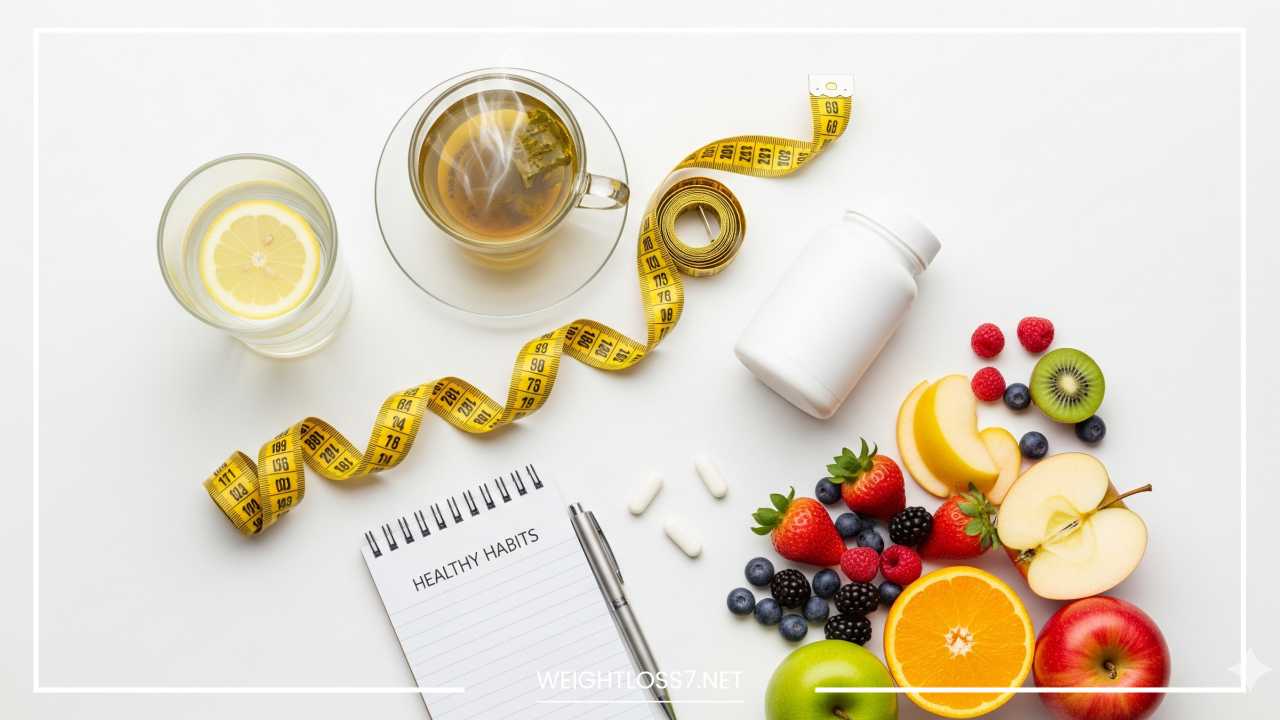
The reality is that weight loss has become a multi-billion-dollar industry that thrives on complexity. When a solution seems difficult or mysterious, it can be sold. However, the most effective path to a healthier weight is rarely found in a supplement bottle or a rigid, temporary program. The “best thing” for losing weight is not a single food, a specific exercise, or a secret hack. Instead, it is a symphony of sustainable habits that work together to create a lifestyle you actually enjoy living.
This guide is designed to strip away the noise. We will move past the myths and the “quick fix” mentality to explore the foundational principles of biology and psychology that govern how our bodies store and use energy. Whether you are looking to lose a significant amount of weight or simply want to feel more energetic and comfortable in your skin, the following pages provide a roadmap. We will focus on what works for everyone, regardless of specific dietary labels or fitness levels, by prioritizing balance, consistency, and long-term health.
Understanding Weight Loss: The Real Foundation
To understand weight loss, we must first understand energy. At its most basic biological level, our body weight is a reflection of the relationship between the energy we take in and the energy we expend. This is often referred to as calorie balance. A calorie is simply a unit of energy. When we consume more energy than our body needs to perform its daily functions—including breathing, circulating blood, and moving—the excess is stored, primarily as body fat, for future use.
The Myth of Extreme Restriction
Many people approach weight loss by trying to slash their calorie intake to near-zero levels. While this might produce rapid results on the scale in the first week, it is almost always a recipe for failure. The human body is remarkably adaptive. When it senses a severe shortage of energy, it triggers a survival response. Your metabolism may slow down to conserve energy, and your hunger hormones—specifically ghrelin—will spike, making it nearly impossible to resist high-calorie foods. This is why extreme diets often lead to “yo-yo” weight cycling, where a person loses twenty pounds only to gain thirty back a few months later.
Sustainability Over Speed
The goal should never be to lose weight as fast as possible; the goal should be to lose weight in a way that allows you to keep it off forever. This requires a shift in mindset. Instead of asking, “How much can I lose in a month?” ask, “What changes can I make today that I can still see myself doing three years from now?”
Consistency is the silent engine of success. A moderate calorie deficit that you can maintain seven days a week is infinitely more effective than a massive deficit you can only handle for three days before bingeing. By focusing on a slow, steady progression, you give your body and your mind the time they need to adjust to a new way of living.
The Best Thing for Losing Weight: Building Sustainable Habits
If there were a “best thing” for losing weight, it would be the cultivation of sustainable habits. A habit is an automated behavior—something you do without having to exert massive amounts of willpower. When health becomes a habit, weight loss stops being a chore and starts being a byproduct of your lifestyle.
Habits Over Plans
Diets are temporary. They have a start date and an end date. Habits, however, are permanent. The primary reason people fail at weight loss is that they rely on willpower to get them through a restrictive plan. Willpower is a finite resource; it gets depleted by a long day at work, family stress, or lack of sleep. When willpower runs out, the diet ends.
Building habits is different. It involves making small, manageable changes that eventually become “just what you do.” For example:
-
Mindful Eating: Learning to pay attention to your food rather than eating in front of a screen. This helps you recognize when you are full before you overeat.
-
Non-Exercise Movement: Incorporating movement into your day-to-day life, such as taking the stairs or walking while on a phone call.
-
Environment Design: Keeping healthy snacks visible and making it slightly harder to access ultra-processed treats.
Personalization
The “best” plan is the one you can stick to. If you hate running, the “best” cardio workout in the world is useless to you because you won’t do it. If you love a specific type of cuisine, a diet that forbids it will eventually make you miserable. Personalization means taking the universal principles of nutrition and movement and weaving them into the fabric of your unique life.
Smart Eating Habits That Support Weight Loss
Nutrition is undoubtedly the most significant factor in weight management. However, smart eating isn’t about deprivation; it is about choosing foods that nourish your body and keep you satisfied.
Portion Control Without Deprivation
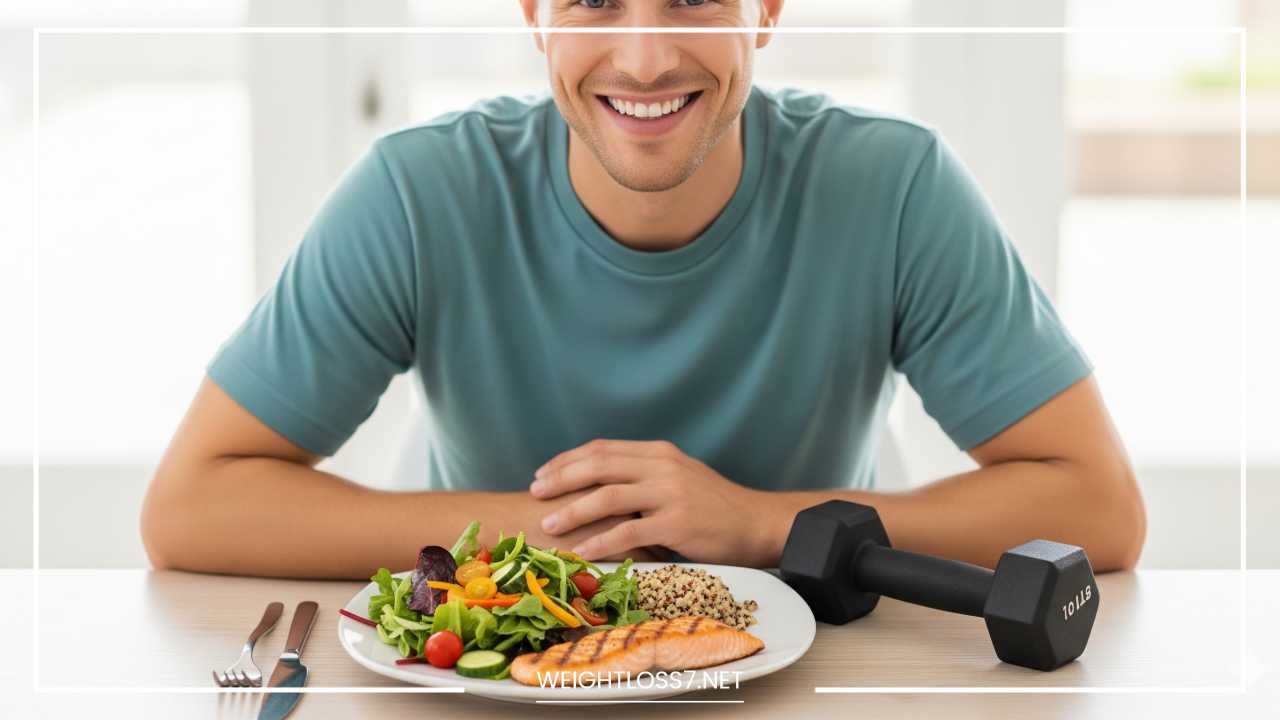
You do not necessarily need to weigh every gram of food you eat to lose weight. Instead, you can use simple visual cues. A helpful strategy is to use the “plate method”: fill half your plate with colorful vegetables, one-quarter with a high-quality protein source, and the remaining quarter with complex carbohydrates or starches. This naturally manages your calorie intake while ensuring you get a high volume of food.
The Power of Whole Foods
Minimally processed, whole foods are the backbone of a healthy weight. These are foods that look like they did when they were harvested. They are generally more nutrient-dense and lower in calories than their ultra-processed counterparts.
-
Fiber-Rich Foods: Fiber is a weight loss superpower. Found in vegetables, fruits, legumes, and whole grains, fiber adds bulk to your meals and slows down digestion. This helps you feel fuller for longer and prevents the blood sugar spikes and crashes that lead to cravings.
-
Protein Sources: Protein is essential for preserving lean muscle mass during weight loss. It also has a high “thermic effect,” meaning your body burns more calories digesting protein than it does digesting fats or carbohydrates. Focus on a variety of protein sources at every meal to keep hunger at bay.
-
Healthy Fats: While fats are calorie-dense, they are necessary for hormone production and nutrient absorption. Avocados, nuts, seeds, and healthy oils provide satiety and flavor, making your meals more satisfying.
Reducing Sugar and Liquid Calories
One of the simplest ways to reduce caloric intake without feeling hungry is to look at what you drink. Sodas, sweetened coffees, and even some fruit juices contain large amounts of sugar and calories but offer zero satiety. Your brain does not register liquid calories the same way it registers solid food, making it very easy to overconsume. Switching to water, herbal teas, or black coffee can create a significant calorie deficit over time with very little effort.
The Role of Physical Activity
While you cannot out-exercise a poor diet, physical activity is a vital component of the weight loss equation. Exercise does more than just burn calories; it improves your metabolic health, boosts your mood, and helps you maintain the weight you have lost.
Daily Movement (NEAT)
Non-Exercise Activity Thermogenesis (NEAT) refers to the energy expended for everything we do that is not sleeping, eating, or sports-like exercise. This includes walking to your car, typing, gardening, and even fidgeting. For many people, NEAT accounts for a larger portion of daily calorie burn than a structured thirty-minute workout. Increasing your daily step count is one of the most effective, low-impact ways to support weight loss.
Strength Training
If you want to change your body composition and boost your metabolism, strength training is essential. Muscle tissue is more metabolically active than fat tissue. This means that the more muscle you have, the more calories your body burns at rest. You don’t need to be a bodybuilder; simple resistance training using your own body weight, resistance bands, or weights two to three times a week can make a profound difference.
Cardio for Heart Health
Cardiovascular exercise—like brisk walking, swimming, or cycling—is excellent for heart health and increasing your total energy expenditure. The key is to find something you enjoy. If you view cardio as a punishment, you won’t stay consistent. If you view it as a way to clear your head or enjoy the outdoors, it becomes a reward.
The Hidden Factors: Sleep, Stress, and Hormones
Weight loss is often treated as a simple math problem of calories, but our internal biology is much more complex. Two of the most overlooked factors in weight management are sleep and stress.
The Impact of Sleep
When you are sleep-deprived, your body’s hunger hormones go into overdrive. Levels of leptin (the hormone that tells you you’re full) drop, while levels of ghrelin (the hormone that tells you you’re hungry) rise. Furthermore, a tired brain is less capable of making healthy choices. You are much more likely to reach for a sugary snack for a quick energy boost when you haven’t slept well. Aiming for seven to nine hours of quality sleep is just as important as your diet and exercise routine.
Stress and Emotional Eating
Chronic stress leads to elevated levels of cortisol, a hormone that can encourage the body to store fat, particularly around the abdomen. Stress also drives many people toward “comfort foods,” which are typically high in sugar and fat. Managing stress through deep breathing, meditation, hobbies, or simply taking breaks throughout the day can prevent the emotional eating cycles that derail weight loss efforts.
Common Mistakes That Slow Down Weight Loss
Even with the best intentions, it is easy to fall into traps that hinder progress. Recognizing these common pitfalls can help you stay on track.
Skipping Meals
Many people think that skipping breakfast or lunch will help them save calories. In reality, this often leads to extreme hunger later in the day, resulting in overeating at dinner or late-night snacking. Consistent, balanced meals help keep blood sugar levels stable and energy levels high.
Over-Reliance on Quick Fixes
Detox teas, waist trainers, and “fat-burning” supplements are marketing gimmicks. They do not address the root cause of weight gain and can sometimes be harmful. If a product or program promises dramatic results with little to no effort, it is best to be skeptical.
Ignoring Consistency
One healthy meal doesn’t make you thin, and one indulgent meal doesn’t make you overweight. It is the sum of your choices over weeks and months that matters. Many people are “perfect” from Monday to Friday but completely undo their progress with excessive intake over the weekend. Aim for an “80/20” balance: eat nutritiously 80% of the time, and allow for flexibility the other 20%.
Underestimating Portions
Even healthy foods have calories. While nuts and olive oil are good for you, consuming them in large quantities can stall weight loss. Being mindful of portion sizes, even for “clean” foods, is a necessary part of the process.
How to Stay Consistent and Motivated
Motivation is what gets you started, but discipline and routine are what keep you going. Since motivation is an emotion that fluctuates, you cannot rely on it as your sole driver.
Setting Realistic Goals
Instead of setting a vague goal like “I want to lose weight,” set specific, process-oriented goals. For example: “I will walk for twenty minutes five days a week” or “I will include a vegetable with every dinner.” These are goals you can control. The number on the scale is often influenced by water retention, muscle gain, and hormonal cycles, so it shouldn’t be your only metric of success.
Tracking Progress
Weight is just one data point. To stay motivated, track other forms of progress:
-
How your clothes fit.
-
Your energy levels throughout the day.
-
Your strength and endurance improvements.
-
Improvements in your sleep quality and mood.
Dealing with Plateaus
It is normal for weight loss to stall occasionally. Your body likes stability and may resist further change. If you hit a plateau, do not panic or quit. Often, it just requires a small adjustment—perhaps increasing your daily steps or being more diligent about hidden calories—to get things moving again.
Sample Daily Routine for Healthy Weight Loss
A structured routine can take the guesswork out of your day and help solidify your new habits. Here is an example of what a balanced day might look like:
Morning:
-
Hydrate: Start the day with a large glass of water.
-
Light Movement: Five to ten minutes of stretching or a quick walk to wake up the body.
-
Balanced Breakfast: A meal containing fiber and protein to provide sustained energy.
Midday:
-
Active Break: If you have a sedentary job, stand up and move for five minutes every hour.
-
Satisfying Lunch: A large salad or bowl with plenty of greens, a protein source, and healthy fats.
-
Hydrate: Continue drinking water throughout the afternoon.
Evening:
-
Nutritious Dinner: Focus on whole foods and aim to eat at least two to three hours before bed.
-
Unplug: Reduce screen time to help your brain prepare for sleep.
-
Reflect: Briefly acknowledge one healthy choice you made during the day.
Night:
-
Sleep Hygiene: Maintain a cool, dark environment and aim for a consistent bedtime to ensure your body can recover and regulate hormones.
Final Thoughts: The Real “Best Thing”
After exploring the various facets of health, from caloric balance and nutrient density to the importance of sleep and movement, we return to our original question: What is the best thing for losing weight?
The answer is the approach you can maintain forever.
The most sophisticated diet plan in the world is a failure if it makes you miserable, isolated, or exhausted. The “best” thing is a lifestyle built on a foundation of self-care rather than self-punishment. It is the decision to eat foods that make your body feel good, to move in ways that bring you joy, and to treat yourself with the patience and respect you would offer a friend.
Weight loss is not a destination you reach and then leave behind; it is a continuous process of making small, better choices. There will be days when you veer off track, and that is perfectly fine. The secret to success isn’t never falling; it is simply getting back up and making the next best choice. By focusing on sustainable habits, prioritizing whole foods, moving your body, and managing your internal environment of sleep and stress, you aren’t just losing weight—you are gaining a healthier, more vibrant life.