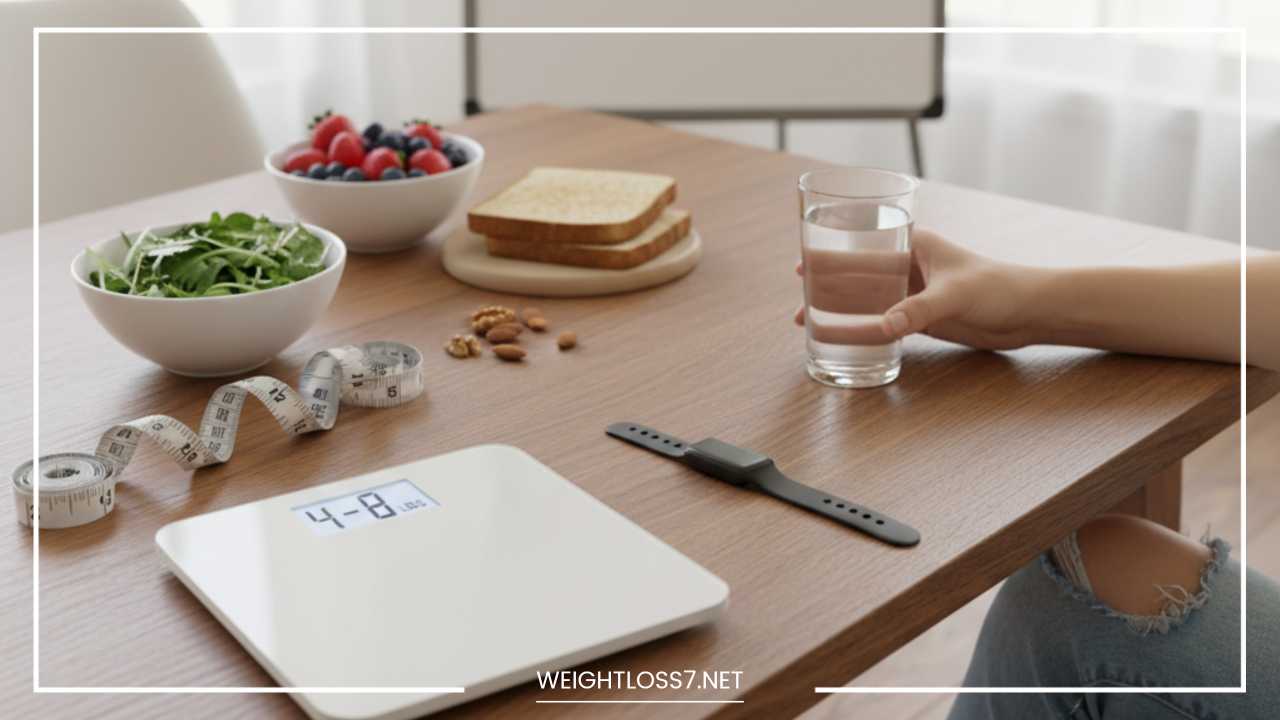
Best Ways for Females to Lose Weight


10 Best Ways for Females to Lose Weight Fast & Sustainably
The journey toward weight loss is often painted as a battle—a grueling, uphill climb where the only way to reach the summit is through extreme deprivation and exhaustive exercise. For many women, this narrative is not only discouraging but also physically and mentally draining. The desire to see results quickly is natural, but the fear of gaining it all back is equally real.
The truth is that the most effective way to lose weight fast is to do it in a way that your body can actually maintain. Rapid weight loss that relies on “crash” methods usually results in the loss of water weight and muscle mass rather than fat, leading to a metabolic slowdown that makes long-term success nearly impossible. To achieve a transformation that lasts, you must bridge the gap between efficiency and sustainability.
This article explores the fundamental principles of healthy weight management. We will move away from the “all-or-nothing” mentality and instead focus on science-backed strategies that harmonize with your body’s biology. By focusing on nutrient density, mindful movement, and lifestyle adjustments, you can achieve a leaner, healthier version of yourself without sacrificing your well-being.
Understanding Weight Loss Basics
Before diving into specific strategies, it is essential to understand the mechanics of how the body sheds weight. At its simplest level, weight loss is governed by the relationship between energy intake and energy expenditure. However, for women, this equation is influenced by a complex web of hormones, metabolic rate, and lifestyle factors.
The Calorie Balance
Weight loss occurs when the body is in a caloric deficit, meaning you are consuming fewer calories than your body requires to maintain its current weight. When this happens, the body taps into stored energy—primarily fat—to fuel its daily functions. While the “calories in versus calories out” model is the foundation, the quality of those calories dictates how full you feel, how much energy you have, and how your metabolism responds.
The Role of Metabolism
Metabolism refers to the chemical processes that occur within your body to maintain life, including breathing, circulating blood, and repairing cells. Your Basal Metabolic Rate (BMR) is the number of calories your body burns at rest. Factors such as age, muscle mass, and hormonal health play a significant role in how high or low your metabolic rate is. One of the primary goals of sustainable weight loss is to protect your metabolism by avoiding extreme calorie restriction, which can cause the body to enter “starvation mode” and slow down energy expenditure.
Why Quick-Fix Diets Fail
Most fad diets fail because they are designed for short-term compliance rather than long-term adherence. They often rely on eliminating entire food groups or slashing calories to unsustainable levels. This leads to intense cravings, irritability, and eventual binge eating. Furthermore, once the diet ends, most individuals return to their old habits, leading to weight regain—often referred to as “yo-yo dieting.” Sustainable weight loss is about changing your relationship with food and movement so that the habits you form during the “loss” phase are the same ones you carry into “maintenance.”
1. Prioritize Whole, Nutrient-Dense Foods
The foundation of any successful weight loss plan is the quality of the food on your plate. To lose weight quickly and keep it off, you should prioritize whole, minimally processed foods. These are foods that are as close to their natural state as possible.
The Power of Satiety
Whole foods—such as vegetables, fruits, whole grains, legumes, dairy, nuts, and seeds—are naturally high in fiber and water. Fiber is a crucial component of weight loss because it slows down digestion and adds bulk to your meals, helping you feel fuller for longer. When you eat a diet rich in fiber, you are less likely to reach for snacks between meals or overeat during dinner.
Avoiding Empty Calories
Processed foods, on the other hand, are often “calorie-dense” but “nutrient-poor.” They are engineered to be highly palatable, meaning they trigger the reward centers in the brain and make it difficult to stop eating. By shifting your focus toward whole foods, you naturally reduce your intake of refined sugars and unhealthy fats, which are the primary drivers of weight gain.
2. Control Portion Sizes Without Extreme Restriction
One of the biggest misconceptions in weight loss is that you must weigh every gram of food or skip meals to see results. While calorie awareness is important, strict restriction often backfires. Instead, focus on portion control and mindfulness.
Visual Cues and Hardware
A simple but effective trick is to use smaller plates and bowls. Research shows that we tend to eat what is in front of us; by reducing the size of the vessel, you can trick your brain into feeling satisfied with a smaller amount of food. Additionally, aim to fill half your plate with non-starchy vegetables. This allows you to eat a large volume of food for very few calories.
Listening to Your Body
Sustainable weight loss requires reconnecting with your body’s internal hunger and fullness cues. Many of us eat because the clock says it’s lunchtime or because we are bored. Before you eat, ask yourself if you are truly hungry. During the meal, stop when you are satisfied, not when you are stuffed. This subtle shift prevents the accidental overconsumption of calories that often stalls progress.
3. Stay Consistently Hydrated
Water is perhaps the most underrated tool in the weight loss toolkit. It is involved in every cellular process in the body, including the metabolism of stored fat.
Water and Metabolism
Studies have suggested that drinking water can temporarily boost your metabolic rate. Furthermore, the body often confuses thirst signals with hunger signals. If you feel a sudden craving, drinking a glass of water and waiting ten minutes can often reveal that you were simply dehydrated.
The Pre-Meal Strategy
Drinking 16 ounces of water about 30 minutes before a meal can significantly aid weight loss. It helps prime the digestive system and creates a sense of fullness, leading to lower calorie consumption during the meal. Replacing sugary beverages like soda, sweetened coffee drinks, and juices with water is also one of the fastest ways to cut hundreds of “hidden” calories from your weekly intake.
4. Build a Balanced Meal Structure
To keep your energy levels stable and prevent cravings, every meal should be a balance of three key components: complex carbohydrates, healthy fats, and protein-rich foods.
Stabilizing Blood Sugar
When you eat a meal that is purely carbohydrates (like a plain bagel), your blood sugar spikes and then crashes, leaving you hungry and tired an hour later. By adding protein and healthy fats, you slow down the absorption of glucose into the bloodstream. This leads to steady energy levels throughout the day.
Protein’s Thermal Effect
Protein is particularly important for weight loss because it has a high “thermic effect of food.” This means the body uses more energy to digest protein than it does to digest fats or carbohydrates. Good sources of protein for those avoiding meat include lentils, chickpeas, beans, Greek yogurt, cottage cheese, tofu, and quinoa. Including a source of protein at every meal—including breakfast—is a game changer for appetite control.
5. Move Your Body Daily (Beyond the Gym)
While structured exercise is beneficial, it is only one small part of your total daily energy expenditure. To lose weight faster, you must focus on increasing your overall movement throughout the day.
The Power of NEAT
Non-Exercise Activity Thermogenesis (NEAT) accounts for the energy we expend doing everything that isn’t sleeping, eating, or sports-like exercise. This includes walking to the car, cleaning the house, standing while talking on the phone, and even fidgeting. Increasing your NEAT can burn significantly more calories over a week than three one-hour gym sessions.
Small Habits, Big Results
If you have a sedentary job, aim to stand up and move for five minutes every hour. Take the stairs instead of the elevator, or park further away from the entrance of the grocery store. These small, consistent movements keep your metabolism active and prevent the “metabolic shutdown” that occurs when we sit for long periods.
6. Include Strength Training
Many women avoid weightlifting because they fear “bulking up.” However, strength training is one of the most effective ways to achieve a lean, toned physique and accelerate weight loss.
Muscle and Metabolic Rate
Muscle tissue is more metabolically active than fat tissue. This means that the more lean muscle you have, the more calories your body burns at rest. Even as you lose weight, strength training ensures that the weight you are losing is fat rather than muscle.
Getting Started
You don’t need heavy machinery to start. Bodyweight exercises like squats, lunges, push-ups, and planks are incredibly effective. As you get stronger, you can incorporate resistance bands or dumbbells. Aim for at least two to three sessions of resistance training per week to see significant changes in your body composition and metabolic health.
7. Get Enough Quality Sleep
You can have the perfect diet and exercise routine, but if you are sleep-deprived, your weight loss will likely stall. Sleep is the time when your body repairs itself and regulates its hormonal balance.
The Hunger Hormones
Sleep deprivation wreaks havoc on two key hormones: ghrelin and leptin. Ghrelin is the hormone that tells you when to eat, and it increases when you are tired. Leptin is the hormone that tells you when to stop, and it decreases when you lack sleep. This is why you crave sugary, high-calorie foods after a late night.
Prioritizing Rest
Aim for seven to nine hours of quality sleep per night. To improve sleep quality, establish a “wind-down” routine. This might include turning off electronic screens an hour before bed, keeping your bedroom cool and dark, and avoiding caffeine in the late afternoon. Treating sleep as a non-negotiable part of your weight loss plan will make everything else much easier.
8. Manage Stress Effectively
In our fast-paced world, chronic stress is a common barrier to weight loss. When you are stressed, your body releases cortisol, often called the “stress hormone.”
Cortisol and Belly Fat
High levels of cortisol can lead to increased appetite and a tendency to store fat in the abdominal area. Stress also leads to “emotional eating,” where we use food as a coping mechanism for anxiety or overwhelm.
Finding Your Calm
Managing stress isn’t about eliminating it entirely—which is impossible—but about changing how you respond to it. Incorporate stress-reduction techniques into your daily life, such as deep breathing exercises, journaling, or spending time in nature. Even five minutes of meditation can lower cortisol levels and help you make better decisions regarding your health and nutrition.
9. Eat Mindfully (Avoid Distracted Eating)
In the age of smartphones and streaming services, many of us have lost the art of simply eating. Mindful eating is the practice of paying full attention to the experience of eating and drinking.
The Brain-Stomach Connection
It takes about 20 minutes for your brain to receive the signal from your stomach that you are full. If you inhale your food while watching TV or scrolling through social media, you are likely to overeat before your brain even realizes you’ve had enough.
How to Practice Mindfulness
To eat more mindfully, sit down at a table without distractions. Take small bites, chew thoroughly, and savor the flavors and textures of your food. This practice not only helps with portion control but also increases the psychological satisfaction you get from your meals, making you less likely to seek out snacks later.
10. Reduce Added Sugars and Processed Foods
While you don’t need to eliminate sugar entirely, reducing your intake of added sugars is one of the most impactful changes you can make for fast and sustainable weight loss.
The Insulin Effect
Added sugars, especially in liquid form, cause a rapid spike in insulin levels. Insulin is a fat-storage hormone; when it is constantly elevated, it is very difficult for the body to access stored fat for fuel. Furthermore, sugar provides “empty” calories that do nothing to satisfy hunger, leading to a cycle of cravings and overconsumption.
Reading Labels
Sugar hides in unexpected places, such as salad dressings, yogurts, and “healthy” granola bars. Get into the habit of reading ingredient labels. Look for hidden names for sugar, such as corn syrup, maltose, or fructose. Focus on getting your sweetness from whole fruits, which come with fiber to slow down the absorption of sugar.
Common Mistakes to Avoid
As you implement these ten strategies, be wary of common pitfalls that can derail your progress.
-
Skipping Meals: This often leads to extreme hunger and overeating later in the day. It also signals to your body that food is scarce, which can slow down your metabolism.
-
Over-Restricting Calories: Dropping your calories too low (e.g., below 1,200 calories for most women) can lead to nutrient deficiencies and muscle loss. It is much better to have a modest deficit that you can maintain for months.
-
Relying Only on Cardio: While running or cycling burns calories, doing only cardio without strength training can lead to a “skinny-fat” appearance and a lower metabolic rate over time.
-
Expecting Instant Results: Weight loss is not linear. You will have weeks where the scale doesn’t move, or even goes up slightly due to water retention. Focus on the trend over months, not days.
Consistency Over Perfection: The Ultimate Mindset Shift
The biggest reason people fail at weight loss is the “perfection trap.” They believe that if they have one “bad” meal or miss one workout, the entire week is ruined. This often leads to a spiral of giving up entirely.
Sustainable weight loss is built on the foundation of consistency, not perfection. If you eat well 80% of the time and stay active, a single celebratory dinner or a rest day will not ruin your progress. The goal is to create a lifestyle that you actually enjoy. If you hate running, don’t run; find a form of movement you love, like dancing or hiking. If you love chocolate, don’t ban it; find a way to include a small amount mindfully.
When you stop viewing weight loss as a temporary punishment and start seeing it as an act of self-care, the weight begins to fall away naturally.
Sample Daily Routine for Sustainable Success
To give you an idea of how these principles look in practice, here is a sample daily routine. This is flexible and should be adjusted to fit your schedule and preferences.
-
7:00 AM: Wake up and drink a large glass of water. Perform 5–10 minutes of light stretching or a quick walk.
-
8:30 AM (Breakfast): A bowl of oatmeal topped with walnuts, chia seeds, and berries, or Greek yogurt with a sprinkle of granola.
-
10:30 AM: Stay hydrated with herbal tea or water. If working at a desk, stand up and stretch.
-
1:00 PM (Lunch): A large salad or grain bowl with chickpeas, quinoa, avocado, and a variety of colorful vegetables.
-
3:30 PM: A small snack if hungry, such as an apple with a tablespoon of almond butter.
-
5:30 PM (Movement): A 30-minute strength training session or a brisk walk in the park.
-
7:00 PM (Dinner): Stir-fried tofu or lentils with plenty of broccoli, bell peppers, and snap peas over a small portion of brown rice.
-
9:00 PM (Wind Down): Put away electronics. Read a book or practice deep breathing.
-
10:00 PM: Lights out for at least 8 hours of sleep.
Final Thoughts
Losing weight fast and sustainably is not about finding a magic pill or a secret diet. it is about mastering the basics and applying them consistently. By prioritizing whole foods, staying active, managing stress, and respecting your body’s need for rest, you create an environment where fat loss is a natural byproduct of a healthy life.
Remember that your weight does not define your worth. The scale is just one data point among many. Pay attention to how your clothes fit, how your energy levels improve, and how much stronger you feel. Celebrate the “non-scale victories”—like having the stamina to climb a flight of stairs without getting winded or choosing a piece of fruit over a processed snack.
Be patient with yourself. The habits that took years to form will not change overnight. But with persistence, self-compassion, and the strategies outlined in this guide, you can achieve your goals and maintain your results for a lifetime. Your journey toward a healthier, more vibrant you begins with the very next choice you make. Make it a good one.