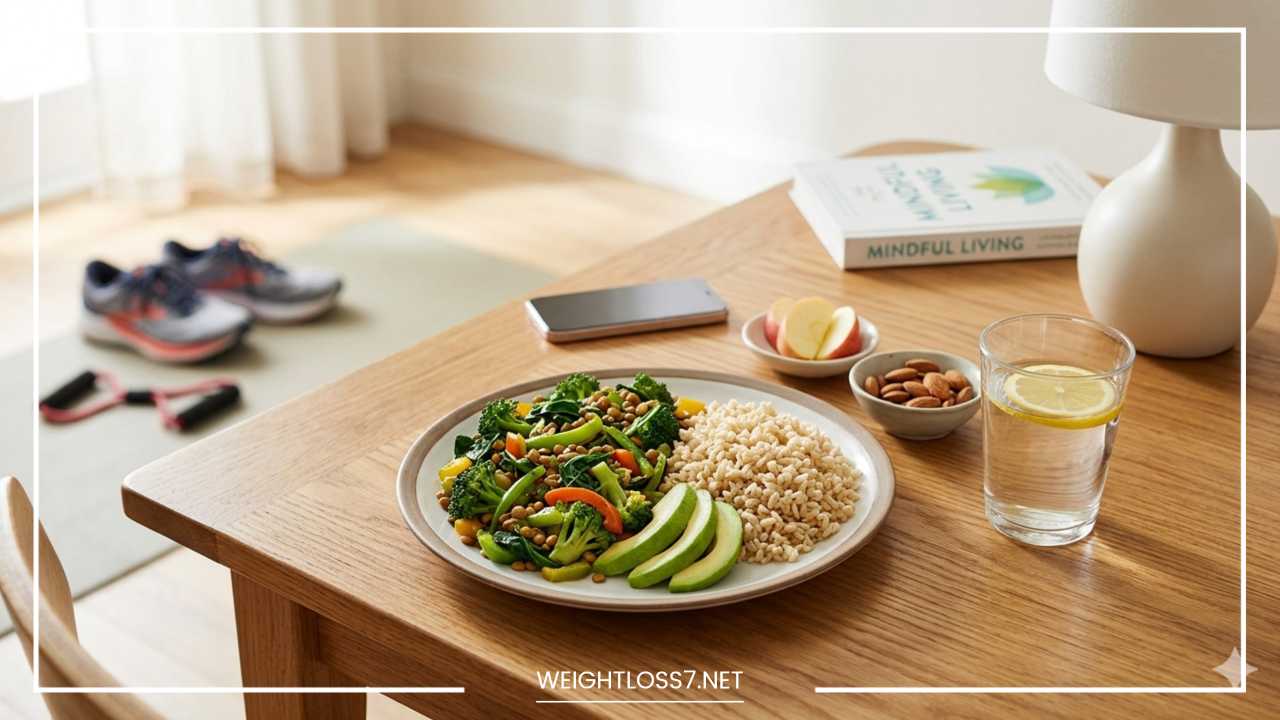
10 Proven Weight Reducing Tips That Work


Lose Weight Fast: 10 Proven Weight Reducing Tips That Work
The journey toward a healthier weight is often depicted as a battle of will, a grueling test of discipline against the cravings of the body. However, modern nutritional science and behavioral psychology suggest a different narrative. Weight reduction is not about fighting your body; it is about understanding its signals and providing the right environment for it to release stored energy.
In today’s fast-paced world, we are surrounded by “obesogenic” environments—places where high-calorie, low-nutrient food is cheap and accessible, and where technology has removed the need for physical exertion. This makes weight management a conscious choice that must be practiced daily. Safe, effective, and rapid weight loss is achievable for everyone, provided the methods used are sustainable. This guide provides 2,600 words of actionable, evidence-backed advice to help you navigate this journey without the need for restrictive fads or animal-based products.
Tip 1: Focus on Whole, Unprocessed Foods
The most significant shift anyone can make in their weight-reduction journey is moving away from the “industrial food complex” and toward the “earth’s bounty.” Whole foods are biological packages that the human body has evolved to process over millennia.
The Biological Efficiency of Whole Foods
When you consume a processed snack—like a cracker or a sugary cereal—the fiber has been stripped away. This allows the carbohydrates to hit your bloodstream almost instantly. In response, your pancreas pumps out a massive amount of insulin to manage the sugar spike. Because insulin is a storage hormone, high levels essentially “lock” your fat cells, preventing your body from using stored fat for energy.
By choosing whole grains (like oats, quinoa, and brown rice) and legumes (like lentils and chickpeas), you are consuming “slow” carbohydrates. These foods contain intact fiber structures that act as a physical barrier, slowing down the enzymatic breakdown of starches. The result is a steady, gentle rise in blood sugar and a low insulin response, which keeps the “fat-burning window” open for longer periods throughout the day.
The Satiety Factor
Whole foods, particularly vegetables and fruits, have a high water and fiber content. This increases the “bolus” (the volume of food) in your stomach. Stretch receptors in the stomach lining send signals to the vagus nerve, telling the brain that you are physically full. You can eat a massive volume of steamed broccoli, roasted carrots, and leafy greens for the same caloric cost as a single tablespoon of oil or a small handful of processed candies. Focusing on these foods allows you to eat until you are satisfied while maintaining a caloric deficit.
Tip 2: Control Portion Sizes and Mindful Plate Composition
Understanding portion control is the bridge between “eating healthy” and “losing weight.” Even nutrient-dense foods contain calories, and in a world where “portion distortion” is the norm, we must recalibrate our eyes and our plates.
The Architecture of the Plate
A successful weight-reducing meal should follow a specific structural logic. If you imagine your plate as a clock, 12 o’clock to 6 o’clock should be entirely filled with non-starchy vegetables. This ensures that the majority of your meal is high in micronutrients and low in calorie density.
The remaining two quarters are for “energy” and “repair.” One quarter should consist of complex carbohydrates—think of these as your fuel. The final quarter is for high-quality protein sources. Beans, peas, lentils, and soy-based products like tofu or tempeh are excellent here. These proteins are essential because they require more energy for your body to digest (the thermic effect of food) compared to fats or simple carbs.
Environmental Cues for Portion Control
Our brains are easily fooled by visual cues. Research in behavioral economics shows that people pour more liquid into short, wide glasses than tall, slender ones, and they serve themselves more food on larger plates. To master portion control without feeling deprived:
-
Use 9-inch plates: Switching from a standard 12-inch dinner plate to a 9-inch plate can naturally reduce calorie intake by 20% without you even noticing.
-
The “Wait 20” Rule: After finishing your first portion, wait 20 minutes before deciding if you want seconds. This is the time it takes for chemical signals like cholecystokinin (CCK) to travel from your gut to your brain to signal satiety.
Tip 3: Stay Hydrated for Metabolic Support
Water is the medium in which all cellular activity occurs. Without adequate hydration, your metabolism slows, your energy levels flag, and your brain often confuses the signal for “need fluid” with “need food.”
Water and Thermogenesis
Clinical studies have shown that drinking 500ml (about 17 ounces) of water can temporarily boost metabolism by 24–30% for up to an hour. This is known as water-induced thermogenesis. If you drink two liters of water a day, you could potentially burn an extra 100 calories just by staying hydrated. While 100 calories seems small, over a year, that equates to roughly 3.5 kilograms (over 10 pounds) of fat loss just from water consumption.
The Pre-Meal Hydration Strategy
Drinking a large glass of water 30 minutes before every meal is one of the most effective “hacks” for weight reduction. It pre-fills the stomach, leading to a natural reduction in the amount of food consumed during the meal. Furthermore, replacing caloric beverages—coffees with syrups, sodas, and “health” juices—with plain water or herbal infusions can eliminate 300 to 500 hidden calories from your daily total.
Tip 4: Regular Physical Activity (Cardio and Resistance)
Movement is the “multiplier” of weight loss. While you cannot out-exercise a poor diet, physical activity ensures that the weight you lose comes from fat stores rather than precious muscle tissue.
Cardiovascular Endurance
Cardio (aerobic exercise) is excellent for immediate calorie expenditure and heart health. Activities like brisk walking, swimming, or cycling utilize large muscle groups and keep your heart rate in the “fat-burning zone.” For a beginner, the key is consistency. Walking for 30 minutes every day is infinitely more effective than a grueling two-hour gym session once a week. Walking is low-impact, reduces stress, and can be integrated into your life easily (e.g., parking further away or taking the stairs).
Resistance Training and Basal Metabolic Rate (BMR)
Many people avoid strength training because they fear “bulking up,” but this is a misconception. Resistance training—using your own body weight for squats, lunges, and planks—is the secret to a high metabolism.
Muscle tissue is metabolically expensive; it requires energy just to exist. As you lose weight, your BMR (the calories you burn while sleeping or sitting) typically drops because there is “less of you” to power. By building lean muscle through resistance training, you keep your BMR high, meaning you burn more calories 24 hours a day, even when you aren’t exercising.
Tip 5: The Power of Restorative Sleep
Sleep is often the missing link in weight-loss programs. We tend to view sleep as “passive time,” but it is actually a period of intense hormonal regulation.
The Hunger Hormones: Ghrelin and Leptin
When you get less than seven hours of sleep, your body enters a state of metabolic distress. Levels of ghrelin (the hormone that tells you to eat) spike, while levels of leptin (the hormone that tells you to stop) plummet. This hormonal imbalance creates an almost primal urge for high-calorie, sugary foods the next day. You aren’t “weak-willed” on a tired day; you are biologically programmed to seek quick energy.
Cortisol and Fat Storage
Chronic sleep deprivation also raises cortisol, the primary stress hormone. High cortisol levels signal the body to protect its energy stores, often leading to increased fat accumulation in the abdominal area. Deep, restorative sleep allows cortisol to drop, helping your body remain in a state where it feels “safe” enough to release fat stores. Aim for a cool, dark environment and avoid screens 60 minutes before bed to maximize your sleep quality.
Tip 6: Drastically Reduce Added Sugars and Refined Carbs
Refined carbohydrates are the “empty” calories of the modern world. They provide energy but zero nutrition, zero fiber, and zero satiety.
The Vicious Cycle of Sugar
When you consume sugar or refined white flour (found in white bread, pastries, and many snack foods), your blood sugar levels spike rapidly. This is followed by an equally rapid crash. During this “crash,” your brain perceives a lack of energy and triggers a craving for more sugar to bring the levels back up. This creates a rollercoaster effect that leads to overconsumption throughout the day.
Finding Hidden Sugars
To lose weight fast, you must become a detective. Added sugars are hidden in salad dressings, “healthy” granola bars, flavored yogurts, and savory sauces. Always check the ingredient list for terms like high-fructose corn syrup, maltodextrin, dextrose, or sucrose. By switching to whole fruit for sweetness, you get the sugar you crave along with fiber and phytonutrients that mitigate the insulin response.
Tip 7: Mindful Eating and Stress Management
How you eat is often as important as what you eat. Our modern habit of “distracted eating”—eating while working, watching TV, or driving—disconnects the brain from the stomach.
The Psychology of Savoring
Mindful eating involves engaging all five senses. When you look at your food, smell it, and chew it slowly, you allow your brain to register the “reward” of the meal. This reduces the likelihood of feeling “mentally hungry” even after you have physically eaten enough.
Stress and the “Reward” Center
Stress triggers the release of dopamine-seeking behaviors. For many, this means turning to “palatable” foods (fatty, salty, or sweet). To prevent stress-induced weight gain:
-
Identify Triggers: Keep a log of when you crave snacks. Is it after a specific meeting or a phone call?
-
Alternative Rewards: Replace the “food reward” with a “sensory reward.” A five-minute breathing exercise, a short walk in the sun, or listening to a favorite song can provide the dopamine hit your brain is looking for without the caloric cost.
Tip 8: Track Progress and Identify Trends
Data is your best friend in a weight-reducing journey. Without tracking, we tend to underestimate how much we eat and overestimate how much we move.
The Benefits of Journaling
Research shows that people who keep a food diary lose twice as much weight as those who don’t. A journal (digital or paper) creates a “pause” between the urge to eat and the action of eating. It forces accountability.
Looking for Patterns
Tracking isn’t just about calories; it’s about identifying trends. You might notice that on days you skip breakfast, you eat significantly more at 10:00 PM. Or perhaps you notice that your weight plateaus whenever you have a high-sodium dinner. Use these insights to refine your strategy. Remember, the scale is just one metric. Also track:
-
Energy Levels: How do you feel throughout the day?
-
Measurements: Are your waist or hips getting smaller even if the scale is stuck?
-
Performance: Can you walk further or lift more than you could last week?
Tip 9: Strategic Snacking for Blood Sugar Stability
Snacking can either be a pitfall or a tool. The “wrong” snack (a sugary bar) causes an insulin spike; the “right” snack (fiber and healthy fats) keeps your metabolism steady.
The “Bridge” Snack
If you have a six-hour gap between lunch and dinner, your blood sugar will likely dip, leading to “hanger” (hunger-induced anger/irritability) and poor choices at dinner. A strategic snack acts as a bridge.
-
Nuts and Seeds: A small handful of almonds, walnuts, or pumpkin seeds provides protein and healthy fats that take a long time to digest.
-
Fiber-Rich Produce: Sliced peppers or apples provide the “crunch” that satisfies the psychological need to chew, while the fiber keeps you full.
-
Legume Dips: Hummus or bean-based dips paired with celery sticks offer a perfect balance of carbohydrates and protein.
By planning your snacks in advance, you remove the “decision fatigue” that leads to choosing convenient, unhealthy options from a vending machine or convenience store.
Tip 10: Realistic Goals, Consistency, and the “Long Game”
The biggest reason people fail at weight reduction is that they set impossible goals, fail to meet them, and then give up entirely.
The “1% Better” Rule
Weight loss is a marathon of consistency. Aiming to lose 1% of your body weight per week is a gold standard. For someone weighing 100kg, that is 1kg a week. This might seem slow compared to “fad diets” that promise 5kg in a week, but the 1kg loss is much more likely to be actual fat, whereas the 5kg loss is mostly water and muscle.
Habit Over Willpower
Willpower is a finite resource; it runs out by the end of a long day. Habits, however, are automatic. Focus on building “keystone habits”—small actions that lead to other good behaviors. For example, the habit of “packing a lunch every night” ensures you eat a whole-food meal the next day, which keeps your energy high, which makes you more likely to exercise after work.
The Path Forward: Putting it All Together
Weight reduction is a multi-faceted process, but it does not have to be complicated. By focusing on whole foods, staying hydrated, moving your body, and respecting your need for sleep, you are addressing the root causes of weight gain.
Losing weight “fast” is a relative term. The fastest way to lose weight is to lose it once and keep it off forever. Every time you choose a glass of water over a soda, a 15-minute walk over a sit on the couch, or a bowl of lentils over a processed snack, you are casting a vote for the person you want to become.
Be patient with yourself. Your body did not gain weight overnight, and it will not release it overnight. However, with the strategies outlined in this guide, you have the biological and psychological tools necessary to transform your health. Focus on the process, celebrate the small victories, and stay consistent. Your future self will thank you for the effort you start today.
Summary Checklist for Daily Success:
-
Morning: Drink 500ml of water upon waking; eat a high-fiber, whole-grain breakfast.
-
Midday: Ensure half your lunch plate is vegetables; take a 10-minute walk after eating.
-
Afternoon: Have a pre-planned, fiber-rich snack if hungry; stay hydrated.
-
Evening: Keep dinner portions controlled; turn off screens 60 minutes before bed.
-
All Day: Focus on breathing and managing stress without using food as a crutch.