Best Quickest Way to Lose Weight


Best Quickest Way to Lose Weight: Effective and Sustainable Tips
In the modern era, the pace of life has accelerated to a point where finding time for self-care often feels like a luxury rather than a necessity. For many, the challenge of weight loss is compounded by sedentary jobs, high-stress environments, and an abundance of convenient but nutrient-poor food options. The desire for quick results is a natural response to this fast-paced lifestyle. We want to see the fruits of our labor immediately to stay motivated and feel better in our own skin. When we invest effort into changing our habits, a visible shift on the scale or in the mirror serves as powerful psychological fuel.
However, the quest for the quickest way to lose weight is often clouded by misinformation, miracle pills, and extreme diets that promise the world but deliver little more than frustration and metabolic damage. True success lies in the intersection of efficiency and safety. The goal is to find strategies that trigger rapid initial progress to build momentum while establishing a foundation that prevents the weight from returning. This is not about a temporary “fix” but about a strategic overhaul of how we approach energy and movement.
This article provides a comprehensive guide to losing weight effectively and swiftly without compromising your well-being. By focusing on fundamental biological principles—such as energy balance, metabolic health, and behavioral psychology—anyone can achieve their weight goals. Whether you are looking to shed a few pounds for an upcoming event or embarking on a major life transformation, these practical, evidence-based strategies are designed to work for everyone, regardless of their starting point or previous experiences with dieting. We will explore how to maximize your body’s natural fat-burning potential while maintaining the energy you need to thrive in your daily life.
Understanding Weight Loss
To navigate the journey of weight loss effectively, one must first understand the biological math that governs body weight. While weight loss is often treated as a complex mystery, it is primarily driven by the principle of energy balance, commonly referred to as Calories In vs. Calories Out.
Calories In vs. Calories Out
A calorie is simply a unit of energy. Your body requires a specific amount of energy every day to maintain its basic functions—like breathing, circulating blood, and repairing cells—as well as to power physical movement. This total requirement is known as your Total Daily Energy Expenditure (TDEE). If you consume more energy (calories) than your body uses, the excess is stored, primarily as body fat. Conversely, if you consume fewer calories than you expend, your body is forced to tap into its stored energy reserves, leading to weight loss.
Metabolism Basics
Metabolism refers to the chemical processes that occur within a living organism in order to maintain life. Your Basal Metabolic Rate (BMR) is the number of calories your body burns at rest just to keep your organs functioning. Several factors influence this rate, including age, gender, genetics, and—most importantly—muscle mass. Some individuals naturally have a higher BMR, meaning they burn more calories doing nothing than others do. While you cannot change your genetics or your age, you can significantly influence your metabolic rate through activity and nutrition. When we talk about “boosting” metabolism, we are usually talking about increasing the efficiency of these chemical processes or increasing the amount of metabolically active tissue in the body.
The Role of Body Composition
When we talk about the quickest way to lose weight, it is vital to distinguish between weight loss and fat loss. Stepping on a scale measures everything: water, bone, muscle, and fat. Rapid weight loss in the first week of a new regimen is often a result of water weight as the body uses up stored glycogen (stored carbohydrates). However, the long-term goal should be improving body composition.
Muscle tissue is much more metabolically active than fat tissue. This means that a person with more muscle will burn more calories at rest than a person of the same weight with a higher body fat percentage. Therefore, effective weight loss strategies focus on shedding fat while preserving or building lean muscle mass. This ensures the metabolism stays revved up even as you reduce your food intake, preventing the common plateau where weight loss stalls because the body has adapted to a lower calorie count by burning less energy.
Nutrition Strategies
Nutrition is the most significant lever you can pull for quick weight loss. You cannot out-run a poor diet; it is much easier to avoid consuming 500 calories than it is to burn them off through an hour of intense exercise. To lose weight quickly but safely, you must prioritize foods that offer high satiety and high nutrient density.
Balanced Meals
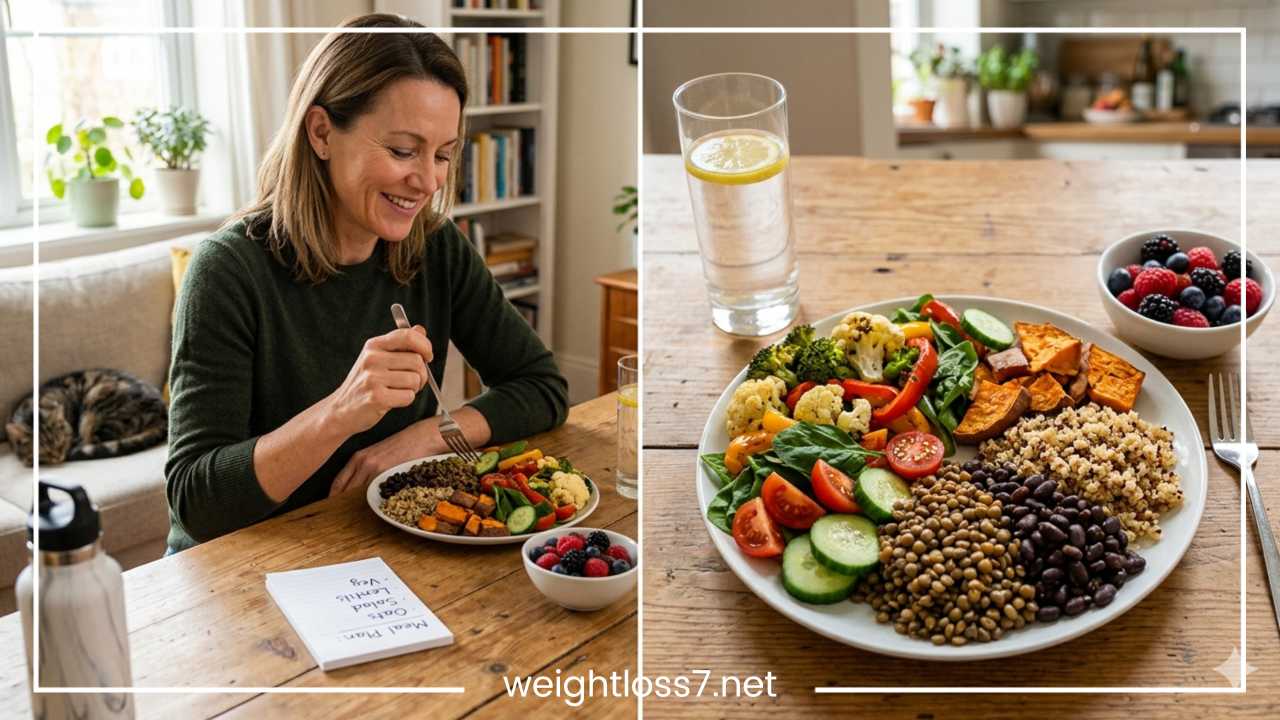
A successful weight loss plan revolves around nutrient density. You want to eat foods that provide the highest amount of vitamins, minerals, and fiber for the lowest number of calories.
-
Whole Grains: Opt for oats, brown rice, quinoa, and whole-wheat pasta. These provide sustained energy and keep you full longer than refined grains because they take longer for the body to break down.
-
Vegetables and Fruits: These should make up the bulk of your plate. They are high in fiber and water, which adds volume to your meals without adding excessive calories. Leafy greens, cruciferous vegetables like broccoli, and berries are particularly effective for weight loss.
-
Legumes: Beans, lentils, and chickpeas are powerhouse foods. They are rich in fiber and provide the structural building blocks (protein) your body needs for repair and muscle maintenance without the heavy saturated fats found in other sources.
-
Nuts and Seeds: While calorie-dense, a small amount of almonds, walnuts, or chia seeds provides healthy fats that signal to your brain that you are full. They also provide essential fatty acids that support brain health and hormone production.
-
Healthy Fats: Avocado and olive oil help with nutrient absorption and hormonal health. Including a small amount of healthy fat in each meal can actually help you lose weight by slowing down digestion and preventing blood sugar spikes.
Portion Control
Even healthy food can lead to weight gain if eaten in excess. To reduce caloric intake without feeling deprived, try these practical tips:
-
Use Smaller Plates: This creates a visual illusion that the plate is full, tricking the brain into feeling more satisfied with less food.
-
The Plate Method: Fill half your plate with non-starchy vegetables (spinach, peppers, broccoli), one-quarter with whole grains, and one-quarter with a protein-rich plant source.
-
Listen to Hunger Cues: Stop eating when you are 80% full. It takes about 20 minutes for your stomach to signal to your brain that it is satisfied. If you eat quickly, you will likely overshoot your needs before the “fullness” signal arrives.
Smart Snacking
Snacking can be a downfall or a secret weapon. The key is to avoid empty calories like chips or crackers, which provide a momentary spike in energy followed by a crash. Instead, reach for snacks that combine fiber and protein:
-
A piece of fruit with a small handful of nuts.
-
Soy-based yogurt (plain) with berries.
-
Sliced cucumbers or bell peppers with hummus.
-
Edamame with a sprinkle of sea salt.
These combinations stabilize blood sugar and prevent the energy crashes that lead to overeating at dinner.
Reducing Added Sugar and Refined Foods
If you want quick results, the fastest way to see a change is to eliminate liquid calories and refined carbohydrates. Sugary sodas, energy drinks, and even high-sugar fruit juices cause a rapid spike in insulin. Insulin is a storage hormone; when levels are high, the body is essentially “locked” out of its fat stores and instructed to store incoming energy as fat. Similarly, white bread, pastries, and processed snacks are digested quickly, leaving you hungry again shortly after eating. By replacing these with whole-food alternatives, you reduce inflammation and allow your body to access stored fat for fuel more efficiently.
Hydration
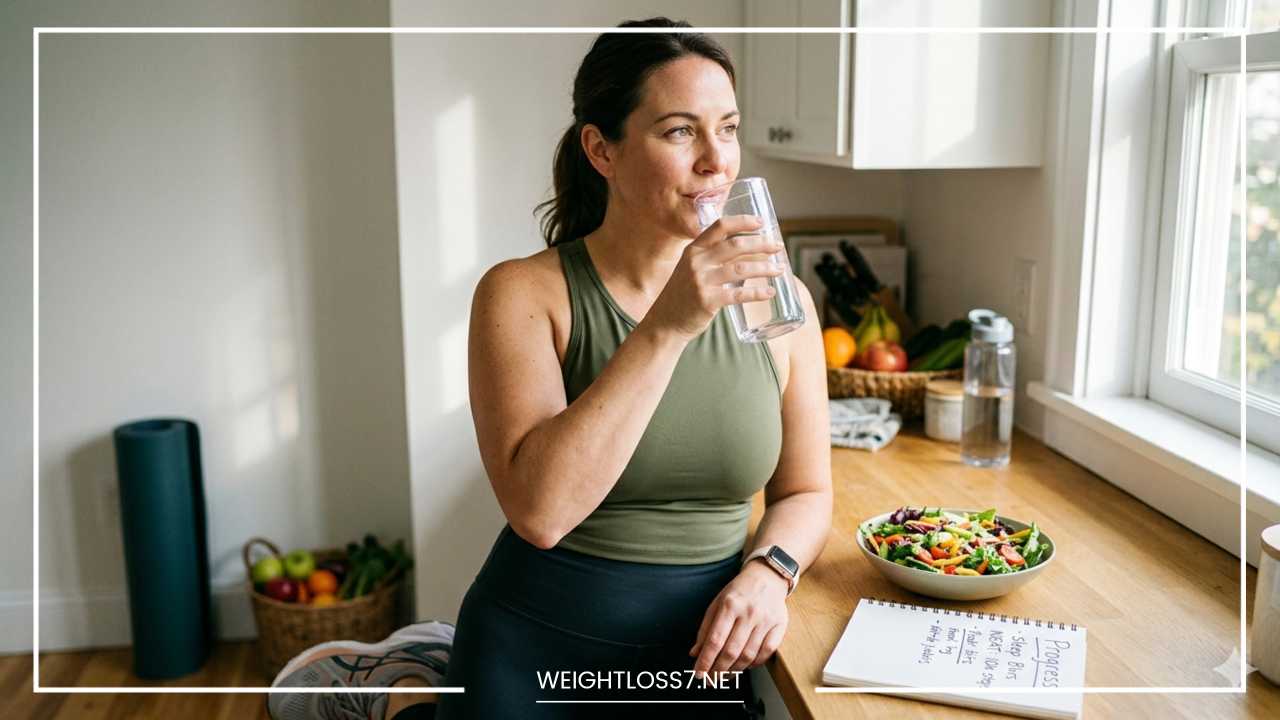
Water is an underrated tool for weight loss. Often, the brain confuses thirst with hunger, leading us to eat when we actually just need a glass of water. Furthermore, drinking water—especially cold water—has been shown to slightly boost metabolism through thermogenesis, as the body works to heat the water to body temperature. Aim to drink a glass of water before every meal; studies suggest this can significantly reduce the amount of food consumed during the meal because of the physical volume it takes up in the stomach.
Exercise for Quick Results
While nutrition handles the calories in side of the equation, exercise maximizes the calories out and shapes the body. For the quickest results, a combination of different movement types is most effective. Exercise doesn’t just burn calories during the activity; it changes your underlying physiology.
Cardio Workouts
Cardiovascular exercise is the most efficient way to burn a high volume of calories in a single session. It strengthens the heart and lungs and improves the body’s ability to utilize oxygen.
-
Walking: Never underestimate the power of a brisk walk. It is low-impact, accessible, and sustainable. Walking at a fast pace for 30–60 minutes can burn a significant amount of fat over time without causing the extreme hunger often triggered by high-intensity cardio.
-
Cycling and Swimming: These are excellent for those with joint issues, providing a full-body workout that builds endurance. Swimming, in particular, uses almost every major muscle group, making it a high-calorie burner.
-
HIIT (High-Intensity Interval Training): This involves short bursts of intense activity (like 30 seconds of sprinting) followed by brief rest periods. HIIT is incredibly effective for fat burning because it keeps your heart rate high and creates an afterburn effect, where your body continues to burn calories at an elevated rate for hours after the workout is over.
Strength Training
If you only do cardio, you may lose weight, but a portion of that weight will be muscle. Strength training (using weights, resistance bands, or bodyweight exercises like push-ups and squats) is essential for preserving lean mass. Building muscle increases your metabolic rate. For every pound of muscle you gain, your body burns more calories every single day, even while you sleep. Aim for at least two to three strength sessions per week, focusing on compound movements that use multiple joints, such as lunges, rows, and overhead presses.
Consistency and Routine
The best workout is the one you actually do. Consistency beats intensity every time. To stick to a schedule:
-
Schedule it: Treat your workout like an important appointment.
-
The 10-Minute Rule: If you feel unmotivated, commit to just 10 minutes. Usually, once you start, the endorphins kick in and you’ll want to finish the session.
-
Find Joy: If you hate the gym, don’t go. Dance in your living room, join a local sports club, or go for a hike. Enjoyment is the key to long-term adherence.
Incorporating Movement Daily
Non-Exercise Activity Thermogenesis (NEAT) refers to the energy expended for everything we do that is not sleeping, eating, or dedicated exercise. This includes walking to your car, cleaning the house, and even standing. To maximize NEAT:
-
Use a standing desk or pace while on phone calls.
-
Take the stairs instead of the elevator every single time.
-
Park further away from the entrance of stores.
-
Set a timer to move for 5 minutes every hour if you have a desk job.
These small movements can add up to hundreds of extra calories burned per day, often equaling or exceeding the calories burned in a gym session.
Lifestyle and Behavioral Changes
Weight loss is as much a psychological challenge as it is a physical one. Without addressing lifestyle factors, even the best diet and exercise plan will eventually falter because the “willpower” required to sustain them will run out.
Sleep and Recovery
Sleep is the foundation of health. When you are sleep-deprived, your body’s hormonal balance is disrupted. Specifically, your levels of ghrelin (the hunger hormone) rise, and your levels of leptin (the fullness hormone) drop. This makes it nearly impossible to resist cravings for high-calorie, sugary foods. Furthermore, lack of sleep increases fatigue, making you less likely to exercise and more likely to reach for caffeine and snacks to get through the day. Aim for 7 to 9 hours of quality sleep to keep your hormones balanced and your energy levels high.
Stress Management
Chronic stress triggers the release of cortisol. High levels of cortisol are linked to increased abdominal fat and a higher drive to eat “comfort foods.” When the body is in a stressed, “fight or flight” state, weight loss becomes a secondary priority to survival. To manage stress, consider:
-
Deep breathing exercises: Even five minutes of box breathing can lower heart rate.
-
Daily meditation or mindfulness: This helps you separate your emotions from your eating habits.
-
Spending time in nature: Studies show that being outdoors lowers cortisol levels.
Lowering your stress levels makes your body more willing to release stored fat.
Mindful Eating
In our distracted world, we often eat while watching TV, scrolling through phones, or driving. This leads to mindless overconsumption because we aren’t paying attention to our body’s satiety signals.
-
Eat slowly: Chew your food thoroughly.
-
Appreciate the flavors: Focus on the texture and taste.
-
Remove distractions: Make mealtime a dedicated activity.
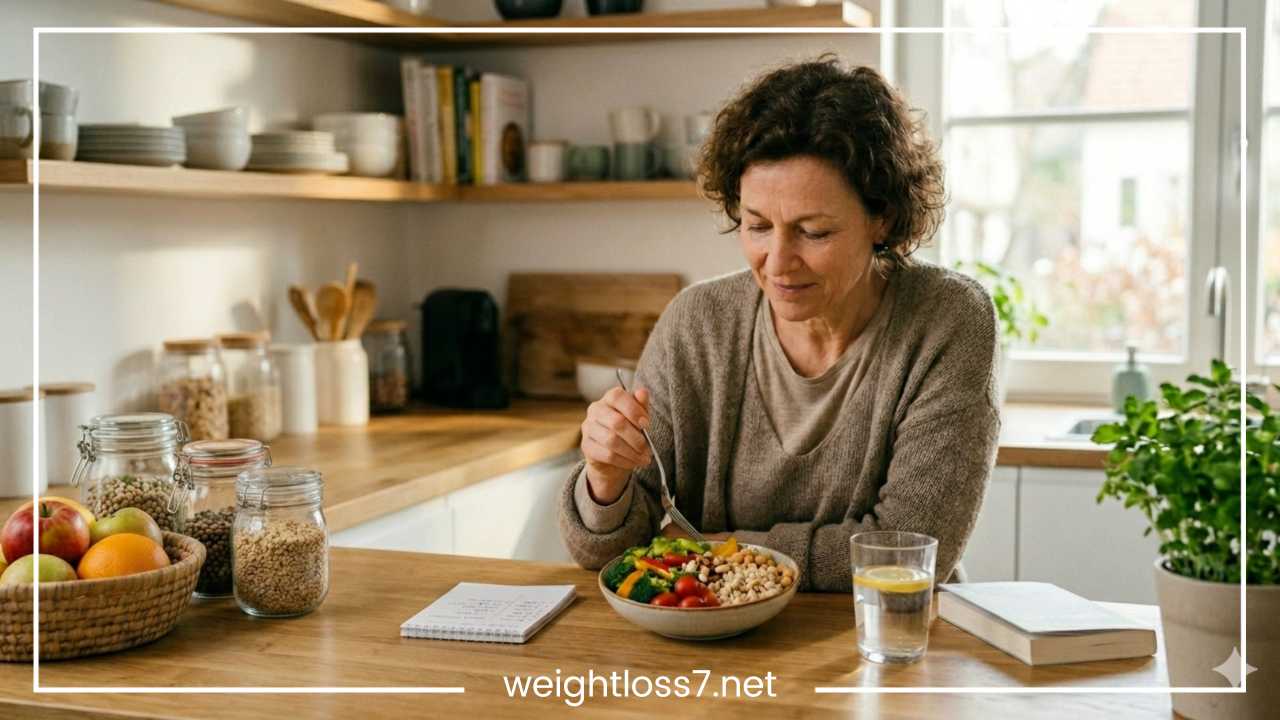
Mindful eating helps you enjoy your food more while naturally eating less. It transforms eating from a mechanical act into a conscious choice.
Setting Realistic Goals
The quickest way to lose weight often starts with a “sprint” mentality, but that can lead to burnout. Set SMART goals: Specific, Measurable, Achievable, Relevant, and Time-bound. Instead of saying “I want to lose weight,” say “I want to lose five pounds in the next month by walking 30 minutes a day and cutting out processed snacks.” Small wins build the self-efficacy and confidence needed for long-term success.
Tracking Progress
To know where you are going, you must know where you have been. Tracking your progress provides accountability and helps you identify what is working and what isn’t.
Monitoring Tools
-
Journals: Writing down what you eat can be an eye-opening experience. It helps identify patterns, such as “emotional eating” in the evenings or snacking out of boredom.
-
Apps: There are many free apps available to track calories, steps, and water intake. These provide a data-driven view of your progress.
-
Habit Trackers: Instead of just tracking weight, track your behaviors. Did you hit your step goal? Did you eat three servings of vegetables today? Tracking habits shifts the focus from the outcome to the process.
Non-Scale Victories (NSVs)
The scale is a fickle tool. It can fluctuate based on salt intake, hydration, menstrual cycles, and muscle gain. To stay motivated, look for Non-Scale Victories:
-
Increased Energy: Do you feel more awake during the day?
-
Improved Mood: Is your outlook more positive?
-
Clothing Fit: Are your clothes feeling looser or fitting better?
-
Endurance: Can you climb the stairs or play with your children without getting winded?
-
Better Sleep: Are you waking up feeling refreshed?
These victories are often more indicative of true health improvements and long-term fat loss than the number on the scale.
Common Pitfalls and How to Avoid Them
Even with the best intentions, it is easy to fall into traps that stall progress or lead to weight regain. Knowing these pitfalls in advance allows you to navigate around them.
Fad Diets
Fad diets usually rely on extreme restriction or cutting out entire food groups (like “no carbs ever”). While they may produce rapid results in the first few days (mostly through water loss), they are almost impossible to sustain. Most people eventually “rebound,” gaining back all the weight plus more because they never learned how to eat in a balanced way. Avoid any plan that promises magic results or requires you to buy expensive, proprietary supplements.
Skipping Meals
It might seem logical that skipping a meal equals fewer calories, but it almost always backfires. Skipping meals can cause your blood sugar to crash, leading to intense cravings and overeating later in the day. It also sends a signal to your body to slow down its metabolism to conserve energy because it doesn’t know when the next “fuel” is coming. It is much better to eat small, balanced meals consistently.
Overtraining
More is not always better. If you go from zero exercise to two hours a day, you risk injury and extreme fatigue. Your body needs time to recover and repair. Overtraining can also raise cortisol levels, which can hinder fat loss. Listen to your body and incorporate rest days into your routine. A body that is constantly broken down cannot efficiently burn fat.
Underestimating Portions
Many people eat healthy foods but eat them in quantities that exceed their caloric needs. For example, a “handful” of nuts can easily be 300 calories if the hand is large. Using measuring cups or a kitchen scale for a week can help recalibrate your internal sense of what a serving size actually looks like.
Final Thoughts
The best and quickest way to lose weight is not found in a pill, a 3-day liquid cleanse, or an extreme exercise boot camp. It is found in the consistent application of sound nutritional principles, regular physical movement, and a lifestyle that prioritizes recovery. By focusing on whole, fiber-rich foods, controlling portions, and incorporating both cardio and strength training, you create a caloric deficit that your body can sustain without feeling starved.
The real “secret” to quick weight loss is avoiding the setbacks that cause most people to quit. When you lose weight through balanced nutrition and movement, you are not just losing fat; you are gaining health, vitality, and a better understanding of how your body works.
Remember that weight loss is a journey, not a destination. While the initial quick results are exciting and serve as a great motivator, the ultimate goal is to build a body that is healthy, strong, and resilient for the long term. Avoid the pitfalls of extreme restriction and instead embrace a mindset of self-care. When you treat your body with respect by nourishing it well and moving it often, weight loss becomes a natural byproduct of a healthier life. Stay patient, stay consistent, and celebrate every small victory along the way. Your future self will thank you for the habits you start building today.