Healthy Way to Lose Weight Quickly

Healthy Way to Lose Weight Quickly: Best Tips & Strategies
The desire to lose weight quickly is a universal human experience. Whether it is driven by an upcoming event, a health milestone, or a personal goal to feel more energetic, the urge to see results fast is understandable. However, the modern world is saturated with “miracle” pills, crash diets, and extreme workout regimens that promise instant transformations but often deliver disappointment, or worse, health complications.
The secret to successful weight loss lies in balancing speed with sustainability. Losing weight “quickly” in a healthy context does not mean starving yourself for a week; it means optimizing your biological processes, refining your habits, and creating a lifestyle that allows your body to shed excess fat efficiently without compromising your well-being. This article is designed to guide you through the transition from high-stress dieting to high-impact health. We will explore how to fuel your body, how to move effectively, and how to manage your lifestyle to achieve a leaner, stronger version of yourself. By focusing on science-backed strategies rather than fleeting trends, you can achieve a transformation that lasts a lifetime.
When we talk about “fast” weight loss, we must redefine the term. In a healthy context, speed refers to the efficiency of your metabolism and the consistency of your habits. It is about removing the obstacles—such as inflammation, poor sleep, and processed sugars—that prevent your body from accessing its fat stores. When these barriers are removed, the body naturally moves toward its ideal weight.
What Does “Healthy Weight Loss” Really Mean?
When people talk about losing weight, they are usually referring to the number on the scale. However, weight loss and fat loss are not the same thing. Healthy weight loss is the process of reducing excess body fat while preserving lean muscle mass and maintaining proper hydration.
A safe and sustainable rate of weight loss is generally considered to be 0.5 to 1 kilogram (1 to 2 pounds) per week. While this might seem slow to someone looking for a “quick fix,” it is the gold standard for long-term success. Rapid drops in weight—such as losing 5 kilograms in a single week—are almost always the result of water loss and the depletion of glycogen (stored carbohydrates) rather than actual fat loss.
Extreme methods, such as very low-calorie diets, often trigger a “starvation response.” When the body senses a severe lack of energy, it slows down the metabolism to conserve fuel. This is an evolutionary survival mechanism designed to protect us during famines, but in the modern world, it makes it harder to continue losing weight and leads to the dreaded “yo-yo effect,” where the weight is gained back almost as soon as the person returns to normal eating.
Healthy weight loss also involves psychological health. It means moving away from a mindset of punishment and toward a mindset of nourishment. It involves making changes that are significant enough to create results but moderate enough that you can maintain them indefinitely. It is about progress, not perfection. When you lose weight healthily, you don’t just look better; you feel more vibrant, your cognitive function improves, and your risk for chronic diseases decreases.
Understanding the Basics of Weight Loss
At its most fundamental level, weight loss is governed by the principle of energy balance. This is often described as “calories in versus calories out.” To lose weight, you must create a calorie deficit, meaning you consume fewer calories than your body uses for energy.
However, metabolism is more complex than a simple calculator. Your Total Daily Energy Expenditure (TDEE) is made up of several factors:
-
Basal Metabolic Rate (BMR): The energy your body needs to function at rest (breathing, circulating blood, cell production). This accounts for the majority of your daily calorie burn.
-
Thermic Effect of Food (TEF): The energy used to digest and process what you eat. Certain nutrients, like protein and fiber, require more energy to digest than others.
-
Physical Activity: Energy spent during intentional exercise, such as running, lifting weights, or yoga.
-
Non-Exercise Activity Thermogenesis (NEAT): Energy spent on everyday movements like walking to the car, cleaning, or fidgeting.
Because everyone’s metabolism is different based on age, height, muscle mass, and genetics, no single method works for everyone. The goal is to find a deficit that is large enough to trigger fat burning but small enough to keep your energy levels high. If the deficit is too steep, your body will begin to break down muscle tissue for energy, which actually lowers your metabolic rate over time. Increasing your activity levels—both through exercise and daily movement—is just as important as managing your intake, as it allows you to maintain a higher metabolic rate while losing weight.
Smart Eating Habits for Faster Weight Loss
Losing weight quickly and healthily is more about how you eat than just what you eat. Behavior modification is the cornerstone of sustainable fat loss.
Portion Control Strategies
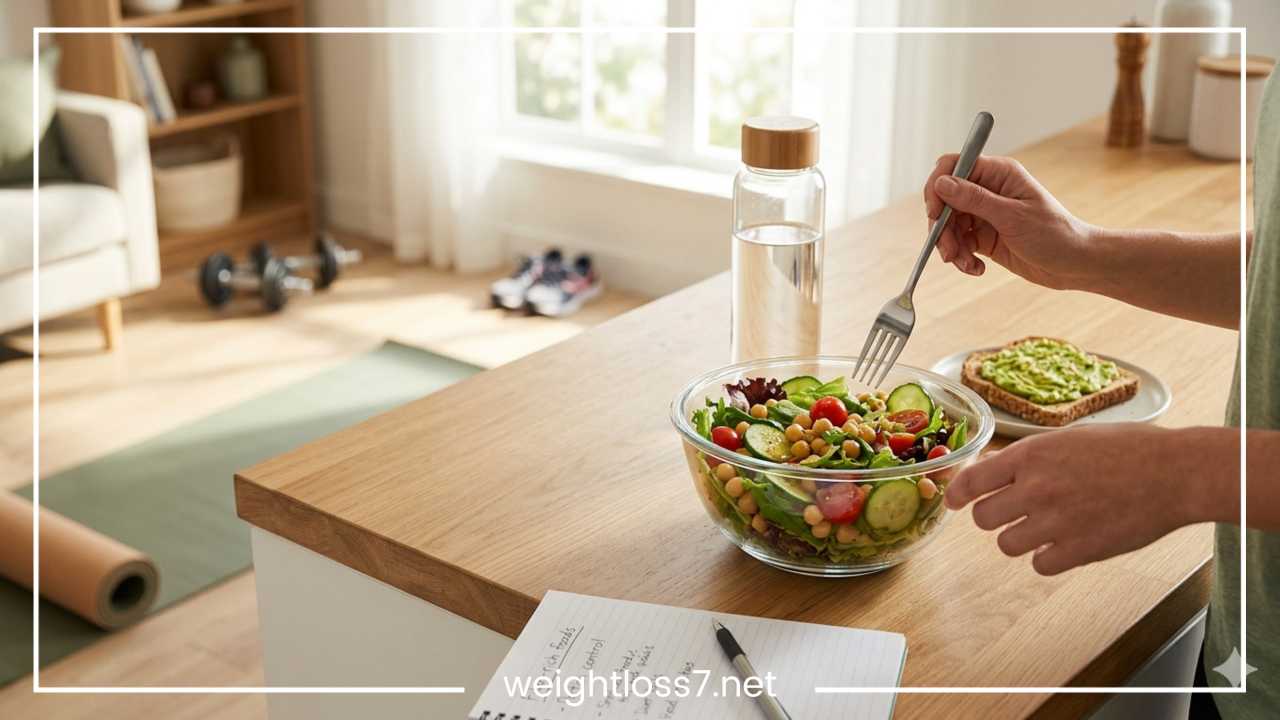
You don’t necessarily need to measure every gram of food, but being mindful of portions is vital. Using smaller plates can trick the brain into feeling satisfied with less food. Visual cues are powerful; a full small plate looks more satisfying than a half-empty large plate. A simple rule of thumb is to fill half your plate with non-starchy vegetables, one-quarter with a protein source, and one-quarter with complex carbohydrates.
Eating Slowly and Mindfully
It takes approximately 20 minutes for your stomach to signal to your brain that it is full. If you rush through your meal, you are likely to overeat before those signals arrive. Focus on chewing your food thoroughly and putting your utensils down between bites. This practice, known as mindful eating, helps you reconnect with your body’s hunger and fullness cues. It also improves digestion, as the process of breaking down food begins in the mouth with saliva.
Reducing Highly Processed Foods
Processed foods—like sugary snacks, white breads, and pre-packaged meals—are often engineered to be “hyper-palatable,” making them easy to overeat. They are usually high in calories but low in nutrients and fiber. Reducing these in favor of whole foods naturally lowers your calorie intake without leaving you feeling deprived. These foods often cause spikes in blood sugar, followed by crashes that leave you feeling hungry and irritable shortly after eating.
Regular Meal Timing
Consistency in your eating schedule helps regulate hunger hormones like ghrelin and leptin. Skipping meals often leads to intense hunger later in the day, which can result in poor food choices and binge eating. Find a rhythm that works for you, whether that is three square meals or smaller, frequent snacks. The “best” timing is the one that prevents you from feeling ravenous at your next meal.
Managing Cravings
Restriction often leads to obsession. Instead of banning your favorite treats, incorporate them in moderation. If you crave something sweet, have a small portion and move on. This prevents the “all-or-nothing” mindset that causes many people to abandon their goals after one small slip-up. Understanding the difference between emotional hunger (which comes on suddenly) and physical hunger (which builds slowly) is also key to managing cravings.
Foods That Support Weight Loss
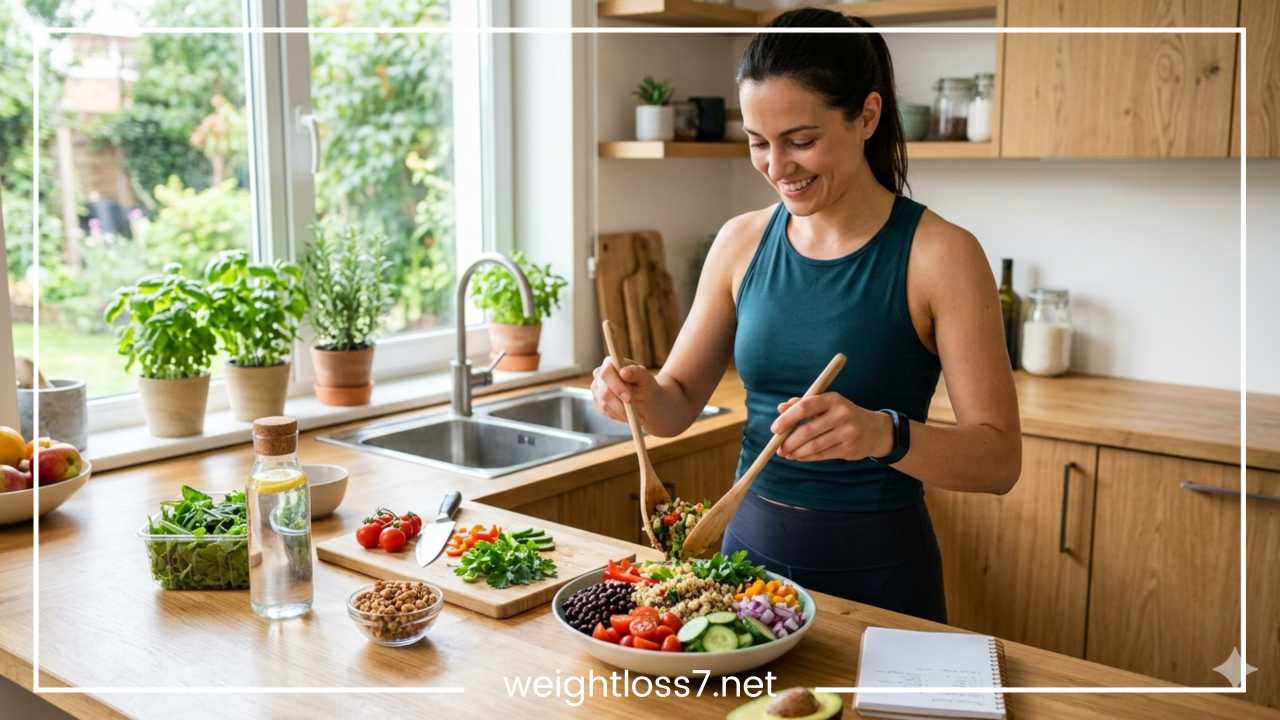
A healthy diet should be built on abundance, not just avoidance. By focusing on nutrient-dense foods, you can eat larger volumes of food for fewer calories, which is the key to staying full while losing weight. This is known as “volume eating.”
High-Fiber Foods
Fiber is a weight-loss powerhouse. It adds bulk to your meals and slows down digestion, keeping you full for longer. It also supports gut health, which is increasingly linked to weight management. Focus on including plenty of:
-
Vegetables: Leafy greens, broccoli, carrots, cauliflower, and bell peppers are low in calories but high in volume.
-
Fruits: Berries, apples, and citrus fruits provide vitamins and natural sweetness.
-
Whole Grains: Oats, quinoa, barley, and brown rice provide sustained energy and fiber.
Protein-Rich Options
Protein is essential for weight loss because it has a high thermic effect—your body burns more calories digesting protein than it does digesting fats or carbohydrates. It also helps preserve muscle mass while you are in a calorie deficit. High-quality sources include legumes (beans, lentils, chickpeas), tofu, tempeh, nuts, seeds, and dairy products like Greek yogurt or cottage cheese.
Healthy Fats
While fats are calorie-dense, they are necessary for hormone production and nutrient absorption. They also provide a sense of satiety that keeps you from snacking between meals. Avocados, olive oil, and nuts should be included in moderation to ensure your meals are satisfying and nutritionally complete.
Hydrating Foods
Many vegetables and fruits have high water content (like cucumbers, celery, and watermelon). These foods help you stay hydrated and full for very few calories. Furthermore, sometimes the brain confuses thirst with hunger. Drinking water before meals can lead to increased satiety. Additionally, staying hydrated is essential for metabolic processes, including the breakdown of fat.
The Role of Exercise in Losing Weight Quickly
While diet is the primary driver of weight loss, exercise is the engine that accelerates it and ensures the weight stays off. Exercise does more than just burn calories; it improves insulin sensitivity, boosts mood, and improves sleep quality.
Cardiovascular Exercise
Cardio is excellent for burning a high number of calories in a single session. Activities like brisk walking, cycling, swimming, or jogging improve heart health and increase your daily calorie burn. For those just starting, walking is one of the most effective and sustainable forms of cardio. It is low-impact and can be easily integrated into daily life.
Strength Training
Lifting weights or performing bodyweight exercises (like push-ups, squats, and lunges) is crucial for a healthy metabolism. Muscle tissue is more metabolically active than fat tissue, meaning the more muscle you have, the more calories you burn at rest. Strength training also ensures that the weight you lose comes from fat, not muscle, which helps create a “toned” appearance.
High-Intensity Interval Training (HIIT)
HIIT involves short bursts of intense activity followed by brief recovery periods. It is highly efficient for those with limited time, as it can burn a significant amount of calories in 20 minutes and creates an “afterburn” effect (EPOC), where your metabolism remains elevated for hours after the workout. However, because it is taxing on the body, it should be limited to 2-3 times per week.
Frequency and Consistency
Aim for at least 150 minutes of moderate aerobic activity or 75 minutes of vigorous activity per week, along with strength training twice a week. If you are a beginner, start with 15-minute daily walks and gradually increase the duration and intensity. The best exercise is the one you actually enjoy and will continue to do.
Lifestyle Habits That Speed Up Weight Loss
Weight loss is a holistic process. What you do outside of the kitchen and the gym matters just as much as what you do inside them. Your body is an interconnected system, and neglect in one area can hinder progress in another.
Sleep Quality
Sleep is often the missing piece of the weight loss puzzle. Lack of sleep disrupts hunger hormones—increasing ghrelin (the hunger hormone) and decreasing leptin (the fullness hormone). When you are sleep-deprived, your brain’s reward centers are more reactive to junk food, making it much harder to stick to your goals. Aim for 7 to 9 hours of quality sleep to keep your appetite in check and your energy levels high.
Stress Management
Chronic stress triggers the release of cortisol, a hormone that can encourage fat storage, particularly in the abdominal area. Stress also leads to “cortisol-driven” eating, where we seek out high-sugar, high-fat foods for a temporary dopamine boost. Finding healthy outlets for stress, such as meditation, deep breathing exercises, reading, or spending time in nature, can significantly impact your weight loss journey.
Daily Movement (NEAT)
As mentioned earlier, NEAT covers all the calories you burn through movement that isn’t formal exercise. This is often the biggest differentiator between people who lose weight easily and those who struggle. Taking the stairs, standing while working, gardening, or pacing while on the phone can add up to hundreds of extra calories burned per day.
Limiting Sedentary Behavior
Long periods of sitting can slow down your metabolism and decrease the activity of lipoprotein lipase, an enzyme that helps your body burn fat. Make it a habit to stand up and stretch every hour. Small, frequent movements keep your body in a “burning” state rather than a “storing” state.
Common Mistakes That Slow Down Weight Loss
Even with the best intentions, certain pitfalls can stall your progress. Recognizing these early can save you weeks of frustration.
-
Skipping Meals: This often leads to overeating later in the day when willpower is low. It can also cause blood sugar crashes that leave you fatigued and unable to exercise.
-
Over-Restricting Calories: If your deficit is too extreme, your body may enter a state of metabolic adaptation, making future weight loss much more difficult. It also leads to nutrient deficiencies.
-
Relying on Quick Fixes: Detox teas, “cleanses,” and “fat-burning” supplements rarely work and can be harmful to your digestive system. Focus on the basics of nutrition and movement instead.
-
Ignoring Liquid Calories: Sodas, sweetened coffees, energy drinks, and alcohol can add hundreds of hidden calories to your day without making you feel full. These are often “empty” calories with no nutritional value.
-
Not Tracking Progress Realistically: If you only rely on the scale, you might miss signs of progress like lost inches or increased energy.
-
Comparing Yourself to Others: Genetics, starting weight, and hormonal profiles vary wildly. Your only competition is the version of yourself from yesterday.
How to Stay Motivated and Consistent
Motivation is like a battery; it eventually runs out. Habits, however, are like an engine—they keep you moving forward even when you don’t feel like it.
Set Realistic Goals
Instead of a vague goal like “lose weight,” set SMART goals: Specific, Measurable, Achievable, Relevant, and Time-bound. For example: “I will replace my afternoon soda with sparkling water five days a week” or “I will walk for 30 minutes before work.”
Track Progress Realistically
The scale is only one tool and can be influenced by water retention, salt intake, and menstrual cycles. Use other metrics to track your success, such as:
-
How your clothes fit.
-
Your energy levels throughout the day.
-
Your strength gains in the gym (lifting more weight or doing more reps).
-
Your body measurements (waist, hips, arms).
-
Improved blood pressure or cholesterol levels.
Dealing with Plateaus
If your weight loss stalls for more than two or three weeks, it may be time to adjust. As you lose weight, your body requires fewer calories to function. You might need to slightly increase your activity or re-evaluate your portion sizes. Plateaus are a normal part of the process and a sign that your body has adapted to its new weight. Sometimes, a “maintenance week” where you eat at your TDEE can help reset your hormones and break a plateau.
Celebrating Small Wins
Did you choose a piece of fruit over a candy bar? Did you complete all your workouts this week? Celebrate these victories. Positive reinforcement builds the confidence needed to stay the course.
Sample Daily Routine for Healthy Weight Loss
A structured yet flexible routine helps eliminate decision fatigue. When you have a plan, you are less likely to make impulsive choices based on hunger. Here is an example of what a healthy, weight-loss-focused day might look like:
-
7:00 AM: Wake up and drink a large glass of water to rehydrate. Perform 10 minutes of light stretching or a quick walk to wake up your metabolism.
-
8:00 AM: Breakfast—A bowl of oatmeal with berries and a spoonful of nut butter, or Greek yogurt with seeds and a dash of cinnamon.
-
11:00 AM: Mid-morning hydration. If truly hungry, a small handful of almonds or a piece of fruit.
-
1:00 PM: Lunch—A large salad with various greens, chickpeas or lentils, avocado, and a vinaigrette dressing. Include a side of whole-grain crackers or a small portion of quinoa for sustained energy.
-
3:30 PM: Afternoon movement. A 15-minute walk or some standing desk time. Drink a glass of water or herbal tea.
-
6:30 PM: Dinner—Stir-fried vegetables (bok choy, snap peas, carrots) with tofu or tempeh, served over a small portion of brown rice.
-
8:00 PM: Evening wind-down. Avoid snacking while watching TV. Have a cup of herbal tea (like peppermint or chamomile) and focus on a relaxing activity like reading or a warm bath.
-
10:00 PM: Lights out for 8 hours of restorative sleep.
FAQs
How fast can I lose weight safely?
Safe weight loss is typically 0.5 to 1 kilogram per week. While you might lose more in the first week due to water weight (especially if you reduce processed carbs), this steady pace is much better for keeping the weight off long-term and avoiding loose skin.
Can I lose weight without exercise?
Yes, weight loss is primarily driven by a calorie deficit, which can be achieved through diet alone. However, exercise makes the process faster, helps you maintain muscle (which keeps your metabolism high), and is vital for mental health and cardiovascular fitness.
What should I avoid for faster results?
Avoid highly processed sugars, excessive liquid calories, and extreme restriction. Focus on adding high-fiber and high-protein foods to your diet rather than just “cutting things out.” This “addition” mindset is psychologically easier to maintain.
Why am I not losing weight despite trying?
Common reasons include underestimating portion sizes, hidden calories in sauces or cooking oils, lack of sleep, or high stress levels. It could also be that you are gaining muscle while losing fat, which keeps the scale number the same even as your body composition improves.
Is it okay to have a “cheat meal”?
It is better to think of it as a “flex meal.” Incorporating your favorite foods occasionally prevents the feeling of deprivation. If 80-90% of your choices are nutrient-dense, the other 10-20% won’t derail your progress.
Final Thoughts
Healthy weight loss is not a sprint; it is a journey toward a better relationship with your body and the food you eat. While the desire to see quick results is natural, the most effective strategies are those that you can maintain for years, not just weeks. By focusing on nutrient-dense foods, consistent movement, and supportive lifestyle habits like sleep and stress management, you create an environment where fat loss happens naturally and efficiently.
The transformation you are seeking is more than just a number on a scale. It is about the ability to move without pain, the energy to play with your children, the confidence to pursue your goals, and the longevity to enjoy your life. Remember that consistency is more important than perfection. One “bad” meal or one missed workout will not ruin your progress. What matters is what you do the majority of the time. Stay patient, stay disciplined, and focus on becoming the healthiest version of yourself. The results will follow.
Quick Checklist: Do This Daily
-
Drink at least 2 liters of water.
-
Eat at least 3 servings of vegetables.
-
Move your body for at least 30 minutes.
-
Get 7-9 hours of sleep.
-
Practice 5 minutes of mindful breathing or meditation.