Diet and Exercise for Fat Loss


Diet and Exercise for Fat Loss | Best Tips to Burn Fat & Stay Fit
The pursuit of fat loss is one of the most common, yet frequently frustrating, goals in the world of health and fitness. It goes far beyond simply fitting into a smaller size; achieving a healthy body composition can dramatically improve your health, energy levels, and overall confidence. A lower percentage of body fat is associated with a reduced risk of chronic diseases, including type 2 diabetes and cardiovascular issues, while enhanced energy allows you to engage more fully with life.
However, the journey is often clouded by common misconceptions. We are constantly bombarded with promises of quick fixes, restrictive crash diets, and the myth of spot reduction—the belief that you can lose fat from a specific area simply by exercising that muscle (like doing endless crunches to lose belly fat). These myths lead to disappointment and often push people toward unsustainable, even unhealthy, practices.
This definitive 2600-word guide strips away the noise and provides a practical, evidence-based roadmap to sustainable fat loss. We will delve into the core science, dissect the crucial roles of both diet and exercise, explore the mindset required for long-term success, and equip you with the knowledge to make informed, lasting changes. By the end of this article, you will understand the principles that truly govern body composition and how to integrate them into your life.
Understanding Fat Loss: The Science Basics
To lose fat effectively, you must first understand the simple, yet non-negotiable, biological principle that governs it: energy balance.
Calories In vs. Calories Out: The First Law of Fat Loss
Body weight and composition are primarily determined by the balance between the energy you consume (Calories In) and the energy you expend (Calories Out). This is often referred to as the Caloric Deficit Principle.
- Calories In: The energy derived from the food and beverages you consume.
- Calories Out (Total Daily Energy Expenditure, or TDEE): This includes the energy burned through basal metabolic rate (BMR, the energy needed to stay alive), the thermic effect of food (TEF, energy needed to digest food), and physical activity (exercise and NEAT).
To lose weight (and fat), your Calories Out must consistently exceed your Calories In. This creates the essential caloric deficit, forcing your body to look for an alternative energy source.
Body Fat as Energy Storage
Body fat, scientifically known as adipose tissue, is your body’s preferred long-term energy reserve. When you create a caloric deficit, your body signals its reserves—your fat cells—to release stored energy (triglycerides) into the bloodstream, where they are broken down and used as fuel. This is the physiological process of fat loss.
Role of Metabolism in Fat Loss
Your metabolism is the complex set of chemical processes that keeps you alive. It’s not a single, easily manipulated switch, but a dynamic system. While crash dieting can temporarily slow your BMR (metabolic adaptation), a well-structured plan—which includes strength training and a moderate deficit—is the key to maintaining or even slightly boosting metabolic rate. Muscle tissue is metabolically expensive, meaning it burns more calories at rest than fat tissue, highlighting why muscle preservation is critical during a fat loss phase.
Difference Between Weight Loss and Fat Loss
This is a critical distinction.
- Weight Loss is a reduction in your overall scale number, which can be due to a loss of fat, water, glycogen (stored carbohydrates), or, unhealthily, muscle mass.
- Fat Loss is the specific reduction of adipose tissue.
Sustainable, healthy fat loss must prioritize the retention of lean muscle mass. Focusing solely on the scale can be misleading; true progress is reflected in body measurements, clothing fit, energy, and strength.
The Role of Diet in Fat Loss
The saying is true: you can’t out-train a poor diet. Diet is, without question, the most powerful lever you have for manipulating energy balance and achieving a caloric deficit.
1. Creating a Caloric Deficit
What is a Calorie Deficit?
A caloric deficit is the state where you consistently consume fewer calories than your TDEE. This is the fundamental, non-negotiable requirement for fat loss.
Safe Rate of Fat Loss
Aggressive, rapid weight loss is usually unsustainable and often results in significant muscle loss and metabolic adaptation. A safe and effective rate of fat loss for most people is 0.5 to 1 kilogram (1–2 pounds) per week. This typically corresponds to a daily deficit of 500 to 1,000 calories. This gradual approach allows the body to adapt and makes the diet easier to adhere to long-term.
Tracking Calories (Apps, Estimation)
While not strictly mandatory forever, tracking calories is the most accurate way to ensure you are in a deficit. Tools like smartphone apps (e.g., MyFitnessPal, LoseIt!) make logging easy. For those who find tracking too burdensome, methods like portion estimation (using hand sizes as guides) or focusing on highly consistent meal planning can serve as effective alternatives. The goal is consistent, accurate feedback, not obsessive precision.
2. Macronutrients and Their Importance
Macronutrients—protein, carbohydrates, and fats—supply the calories in your diet, but they have distinct roles beyond simple energy.
- Protein: Muscle Preservation, Satiety (4 calories/gram)Protein is the most crucial macronutrient during a fat loss phase. It has the highest thermic effect of food (TEF), meaning it burns more calories during digestion than carbs or fat. More importantly, a high-protein intake (generally 1.6–2.2g per kg of body weight) is essential for preserving lean muscle mass while in a deficit and for promoting satiety (feeling full), which is vital for adherence.
- Carbohydrates: Energy and Performance (4 calories/gram)Carbs are the body’s preferred fuel source for high-intensity exercise and brain function. They should be strategically consumed to fuel workouts and maintain energy. Focusing on complex, high-fiber carbohydrates (vegetables, whole grains, legumes) is recommended over simple sugars, as they aid in digestion, provide sustained energy, and improve satiety.
- Fats: Hormones, Absorption (9 calories/gram)Dietary fats are necessary for the production of hormones (including testosterone), the absorption of fat-soluble vitamins (A, D, E, K), and general health. While fat is calorie-dense, it should not be eliminated. Aim for a moderate intake, prioritizing healthy sources like avocados, nuts, seeds, and fatty fish (omega-3s).
3. Best Dietary Approaches
No single “best” diet exists; the most effective diet is the one you can stick to. All successful fat loss diets rely on creating a calorie deficit.
- Flexible Dieting (If It Fits Your Macros – IIFYM): Focuses on hitting macro targets while allowing for a wide variety of foods, promoting greater adherence and less restriction.
- High-Protein Diets: Excellent for fat loss due to increased satiety and muscle preservation benefits.
- Low-Carb or Keto: Reduces carbohydrate intake, pushing the body to burn fat (or ketones) for fuel. Can be effective but can be challenging to sustain and may impact high-intensity exercise performance.
- Intermittent Fasting (IF): Cycles between periods of eating and fasting. It’s a method of timing meals, not a magic fat loss tool; its effectiveness comes from naturally reducing the eating window, which often limits caloric intake.
- Mediterranean-Style Diet: Rich in whole foods, vegetables, healthy fats, and lean protein. While not a strict “fat loss” diet, its emphasis on nutrient-dense foods naturally promotes better food choices and easier caloric management.
4. Common Dieting Mistakes
- Under-eating or Over-Restricting: Attempting too aggressive a deficit can lead to muscle loss, severe hunger, nutrient deficiencies, and metabolic slowdown, making the diet impossible to sustain.
- Obsessive Tracking: While a useful tool, becoming overly anxious about minor numerical fluctuations can lead to stress and a poor relationship with food. It must remain a tool, not a master.
- Yo-Yo Dieting and Binge Cycles: The cycle of severely restricting, then inevitably bingeing, leads to a net gain over time, damages metabolism, and erodes confidence. Consistency, not perfection, is the key.
Exercise for Fat Loss
While diet creates the deficit, exercise is the essential component that dictates what kind of weight you lose (fat vs. muscle) and dramatically improves long-term health.
1. Why Exercise Matters
Exercise is more than just burning calories in the moment. It is vital because it:
- Boosts Metabolism: Strength training, in particular, builds and retains muscle, which increases your Basal Metabolic Rate (BMR).
- Improves Insulin Sensitivity: Regular movement helps your cells use glucose more efficiently, improving health and nutrient partitioning.
- Enhances Mood and Sleep: Which are crucial factors in managing the stress and hunger that come with a calorie deficit.
- Muscle Retention: The single most important role of exercise during a diet. You must signal to your body that your existing muscle is needed, or the body will break it down for energy in the deficit.
2. Cardio Training
Cardio is excellent for improving cardiovascular health and significantly increasing the “Calories Out” side of the equation.
- Steady-State Cardio (LISS): Low-to-moderate intensity activity (walking, light jogging) sustained for a longer duration (30–60 minutes). It’s low-impact, great for recovery, and easily managed.
- High-Intensity Interval Training (HIIT): Short bursts of maximum effort followed by brief rest periods. HIIT is time-efficient and has an “afterburn effect” (EPOC), meaning you continue to burn more calories post-workout as your body returns to homeostasis.
- Frequency and Duration: A balanced approach is best. Aim for 3–5 sessions per week, with a mix of LISS (for recovery and sustained burn) and 1–3 sessions of HIIT (for efficiency and fitness gains).
- Fat-Burning Zone: Myth or Fact? The “fat-burning zone” (a lower heart rate) is technically where a higher percentage of the calories burned come from fat. However, at higher intensities (outside the zone), you burn significantly more total calories in a shorter time, leading to a greater overall deficit and, thus, more fat loss. Focus on total calorie expenditure, not just the percentage from fat.
3. Strength Training
Strength training is arguably the most critical form of exercise for body composition change.
- Importance for Muscle Retention: When you lift weights, you create a powerful stimulus that tells your body, “I need this muscle.” This signal is vital when in a calorie deficit, protecting muscle from being broken down for energy.
- Progressive Overload: This principle—the gradual increase in stress placed upon the musculoskeletal system—is what drives adaptation. This means consistently lifting slightly heavier weights, doing more repetitions, or improving technique over time. Without progressive overload, your muscle is not challenged to grow or be maintained.
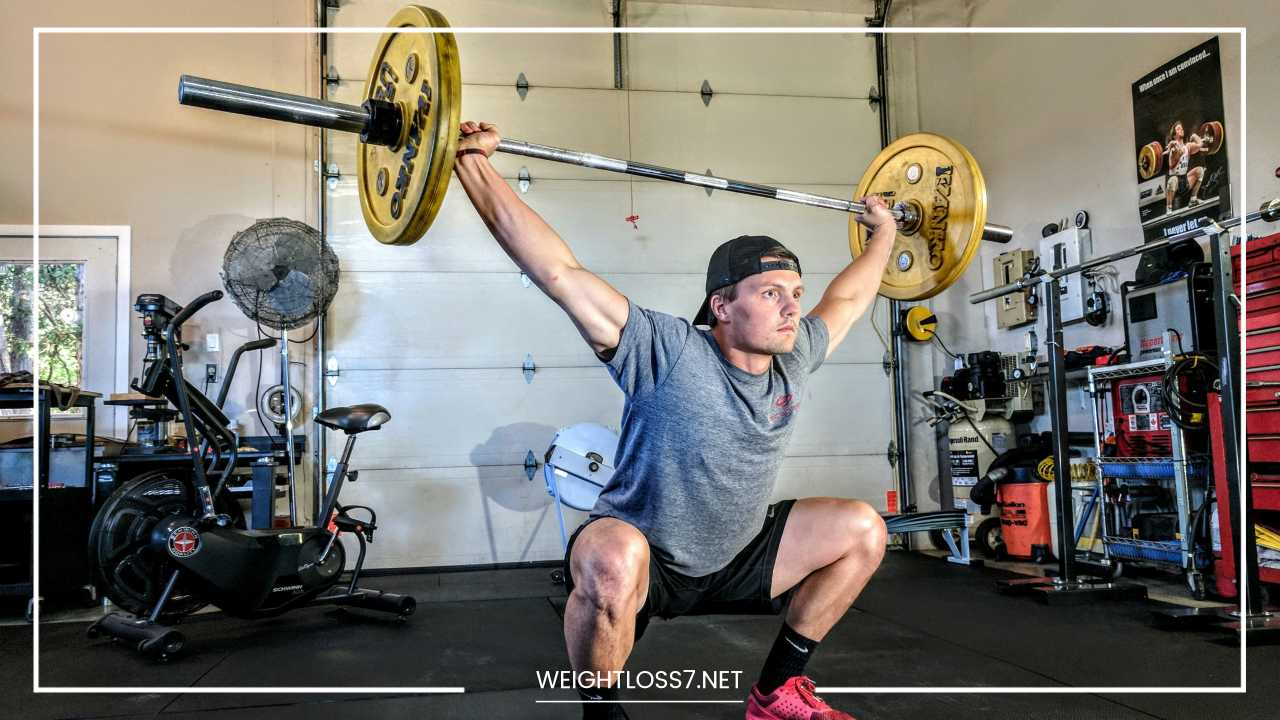
- Bodyweight vs. Weights: Both are effective, but free weights (dumbbells, barbells) and machines offer a greater ability to implement progressive overload by adding precise amounts of resistance. Aim for 3 full-body or split strength sessions per week, targeting all major muscle groups.
4. NEAT (Non-Exercise Activity Thermogenesis)
NEAT is the energy expended for everything we do that is not sleeping, eating, or sports-like exercise. This includes walking, standing, fidgeting, carrying groceries, and taking the stairs.
- Underrated Fat-Loss Tool: While a single hour of intense exercise is great, NEAT accounts for a significant portion of your total daily calorie burn and can be the difference between hitting a plateau and continuing to lose fat.
- Actionable Steps: Use a step counter and aim for 8,000–10,000 steps daily. Take walking breaks, stand more often, and take the farthest parking spot. This consistent, low-effort movement increases your total daily energy expenditure without requiring intense effort or recovery time.
Combining Diet and Exercise for Maximum Results
The synergistic effect of pairing an appropriate diet with a consistent exercise regimen is what unlocks true, sustainable fat loss.
Why Both Matter Together
- Diet (
Caloric Deficit): This is the volume knob for fat loss. It ensures the body is forced to tap into fat reserves.
- Exercise (
Nutrient Partitioning): This is the sculptor. Strength training ensures that when you lose weight, a high percentage of it is fat and not muscle. Cardio increases the deficit and improves heart health.
If you only diet, you lose weight but risk becoming “skinny fat” (low muscle, still relatively high body fat percentage). If you only exercise, it becomes extremely difficult to burn enough calories to overcome a poor diet. The magic happens when the deficit (diet) is combined with the stimulus (exercise) that dictates where the energy comes from (fat) and what mass is retained (muscle).
Creating a Sustainable Routine
The best routine is the one you enjoy and can stick to. It should not be punitive or a short-term sprint.
- Define Your Minimum Effective Dose (MED): What is the least you need to do to see results? (e.g., 3 days of lifting, 10,000 steps, a 500-calorie deficit).
- Schedule It: Treat workout and meal prep time as non-negotiable appointments.
- Track Progress Beyond the Scale: Use the scale to track weight trends, but also measure waist circumference, take progress photos, log your strength gains, and note changes in energy and mood. The goal is a healthier, stronger you, not just a lighter number.
Mindset and Habits for Long-Term Fat Loss
Fat loss is fundamentally a behavior change project, not a nutritional or training program. Your mindset and daily habits are the engines of long-term success.
Goal Setting and Realistic Expectations
- Set SMART Goals: Specific, Measurable, Achievable, Relevant, and Time-bound. Instead of “I want to lose fat,” try “I will lose 1 kg of fat per month for the next three months by hitting 1.8g/kg protein daily and lifting 3 times per week.”
- Embrace the Long Game: Accept that the process will be non-linear. Plateaus are normal, not a sign of failure. Fat loss is a marathon, not a sprint. The goal is to establish a new, permanent lifestyle, not to rush to a temporary destination.
Building Discipline and Consistency
- Discipline Over Motivation: Motivation is fleeting; discipline is the habit of acting according to your goals, regardless of your current emotional state.
- The Power of Small Wins: Focus on winning the day (hitting your protein, getting your steps, completing your workout). Consistent daily victories lead to large-scale, long-term results.
Dealing with Plateaus
A plateau occurs when your body adapts to your current caloric intake or exercise volume, and the fat loss stops. This is often because your new, lighter body requires less energy.
- The Solutions:
- Decrease Calories: Create a slightly larger deficit (100–200 calories).
- Increase Expenditure: Increase NEAT (more steps) or add a cardio session.
- Implement a Diet Break: Take a 1–2 week break at maintenance calories to reduce physical and psychological stress before returning to the deficit.
Avoiding the All-or-Nothing Trap
One missed workout or one “cheat meal” does not ruin weeks of progress. The “all-or-nothing” mentality leads to giving up entirely after a small slip. Instead, adopt a “flexible restraint” mindset: acknowledge the slip, learn from it, and immediately get back on track with the very next meal or workout.
Supplements: Do You Need Them?
The supplement industry often promises magic, but the reality is that no supplement can compensate for a poor diet or inconsistent training.
Fat Burners: Reality Check
Most over-the-counter fat burners contain a blend of caffeine and plant extracts. While they can provide a small metabolic boost, the effect is marginal compared to a proper diet and exercise plan. They are often expensive and may contain proprietary blends with unknown ingredient doses. The most effective “fat burner” is a consistently maintained calorie deficit.
Helpful Supplements (The Fundamentals)
These supplements fill nutritional gaps or support training adaptation:
- Protein Powder (Whey, Casein, Vegan): Excellent for conveniently and efficiently meeting your high-protein target, especially post-workout or for quick meals.
- Creatine Monohydrate: The most studied and effective supplement for increasing strength and muscle mass, which indirectly supports fat loss by improving training quality.
- Caffeine: A powerful and proven ergogenic aid that boosts energy for workouts and provides a temporary, slight metabolic lift.
- Fiber (e.g., Psyllium Husk): Excellent for improving satiety and gut health, often difficult to get enough of during a diet.
Whole Foods First Approach
Always prioritize whole, nutrient-dense foods (lean protein, vegetables, fruits, whole grains) to meet your vitamin, mineral, and energy needs. Supplements should be treated as just that—a supplement to an already solid foundation.
Frequently Asked Questions (FAQ)
“Can I lose fat without exercise?”
Yes. Fat loss is driven by a calorie deficit, which can be achieved through diet alone. However, this is not recommended. Without exercise, you risk losing significant amounts of valuable muscle mass and miss out on the vital health benefits of movement (cardiovascular health, improved mood, stronger bones). Exercise, especially strength training, makes fat loss healthier, more sustainable, and results in a better body composition.
“What’s the best time to work out?”
The best time to work out is the time you can consistently stick to. Research indicates no significant fat loss difference between morning, noon, or night workouts. For some, a morning routine ensures it gets done; for others, an evening session is better for stress relief and performance. Schedule your workout when it best fits your life and energy levels.
“How do I break a fat loss plateau?”
Refer to the section on Mindset:
- Re-evaluate Tracking: Are you accidentally eating more than you log? Be ruthlessly honest.
- Increase Expenditure: Add 2,000–3,000 steps per day, or add 1–2 cardio sessions.
- Reduce Calories: Drop your daily intake by 100–200 calories.
- Take a Diet Break: Spend 1–2 weeks eating at maintenance calories before returning to a deficit to reset hunger hormones and reduce fatigue.
“Is fasted cardio better?”
No, fasted cardio (exercising on an empty stomach) is not inherently superior for overall fat loss. While you may burn a slightly higher percentage of calories from fat during the session, the total 24-hour calorie expenditure and fat oxidation remain virtually the same as when exercising fed. Fasted cardio may lead to reduced exercise intensity and can sometimes make it harder to maintain muscle. The best approach is to eat a meal that supports good energy and performance prior to your workout.
Final Thoughts
We have covered the foundational science, the non-negotiable role of the calorie deficit, the sculpting power of strength training, and the importance of a resilient mindset. The complexity of the human body has been distilled into a few core principles: a consistent energy deficit, high protein intake, progressive strength training, and abundant daily movement (NEAT).
The single biggest takeaway from this guide is the importance of consistency over perfection. The person who executes a “good enough” plan consistently for six months will always achieve better results than the person who executes a “perfect” plan inconsistently for six weeks.
Your journey to fat loss is not about restrictive diets or punishing workouts; it’s about establishing a lifestyle that honors your body’s needs while pushing its boundaries. Your next step is simple: Don’t try to change everything at once. Choose one area from this article—perhaps tracking your protein, getting 10,000 steps, or scheduling three strength workouts—and commit to mastering it for the next 30 days.
Start small, build momentum, and seek professional guidance from a registered dietitian or certified personal trainer if you need a customized plan. The power to transform your health is in your hands.