What’s a Good Way to Lose Weight?

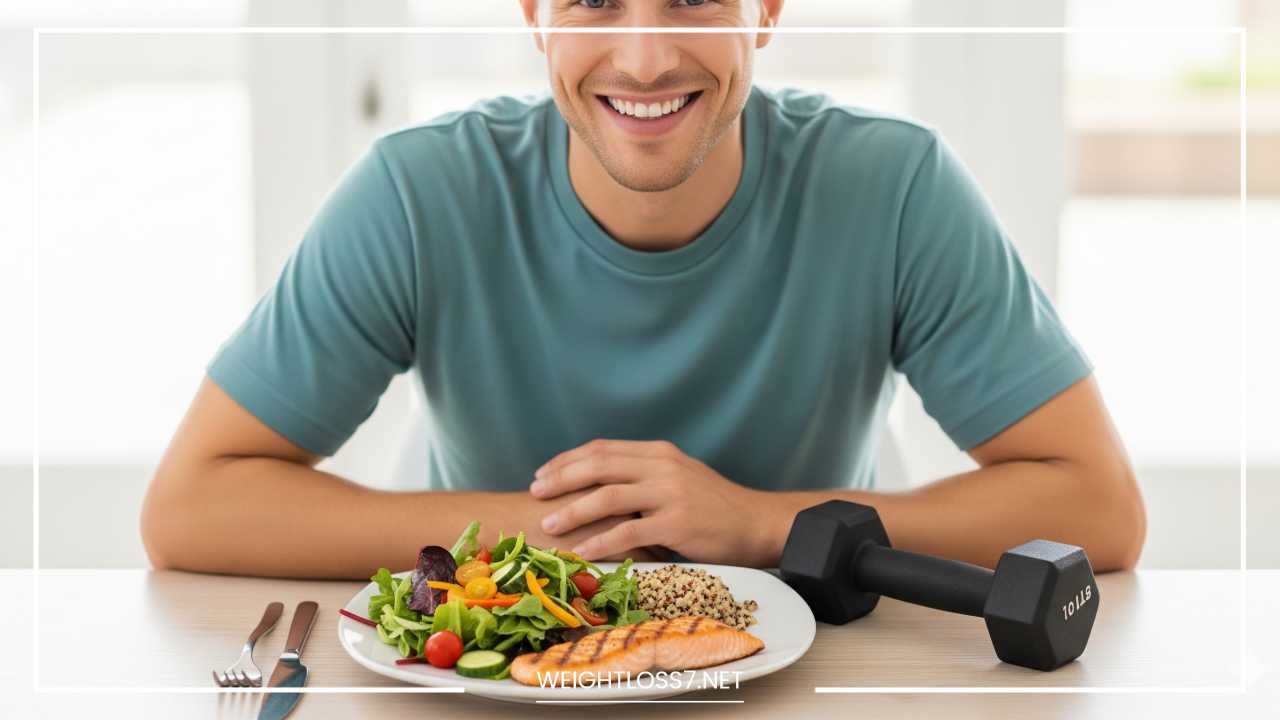
What’s a Good Way to Lose Weight? | Effective & Healthy Weight Loss Tips
The Quest for Sustainable Weight Loss
The question of how to lose weight is one of the most common and enduring topics in health and wellness. In a world saturated with quick-fix solutions, miracle supplements, and conflicting advice, it’s easy to feel lost and overwhelmed. We’re told to try every new diet trend, follow the latest celebrity workout, or buy the newest gadget, often with disappointing results. The truth is, a truly effective weight loss journey isn’t about chasing a fleeting trend. It’s about building a sustainable, healthy lifestyle that you can maintain for the long haul.
This guide will move beyond the fads to provide a comprehensive, actionable, and evidence-based approach to weight management that focuses on building lasting habits, understanding your body, and creating a plan that works specifically for you. It’s not about restriction or deprivation; it’s about a smarter, more balanced way to live.
Understanding Weight Loss: The Science in Simple Terms
Before diving into strategies, it’s crucial to understand the fundamental principles behind how your body manages weight. At its core, weight loss is governed by a simple concept: energy balance. This is often referred to as “calories in vs. calories out.” A calorie is simply a unit of energy. Your body needs a certain number of calories each day to perform all its essential functions, from breathing and thinking to moving and exercising. This is your metabolism.
When you consume more calories than your body burns, the excess energy is stored, primarily as body fat. Conversely, when you burn more calories than you consume, your body turns to its stored energy—your fat—to fuel itself, leading to weight loss. While this concept seems straightforward, many factors influence it, including genetics, hormones, and lifestyle. However, the energy balance equation remains the bedrock of weight management.
It’s also important to understand that your scale weight isn’t the only, or even the most important, measure of progress. Body composition, which refers to the ratio of fat to muscle in your body, is a much better indicator of health. For example, as you start exercising, you may build muscle while losing fat. Muscle is denser than fat, so while your clothes may fit better and you might look leaner, the number on the scale might not change much. This is a positive development, not a sign of failure.
Finally, let’s debunk some common myths. Starving yourself is not a good way to lose weight. Severe calorie restriction can slow down your metabolism, making it harder to lose weight in the long run and often leading to rebound weight gain. There’s also no single “magic food” that causes fat loss. While some foods are more nutritious and filling than others, sustainable weight loss is about the overall pattern of your eating, not about a single food.
How to Eat for Weight Loss—Without a Strict Diet
You don’t need a restrictive, complicated, or flavorless diet to lose weight. Instead, focus on building smart, sustainable eating habits that nourish your body and make you feel good.
A key strategy is portion control and mindful eating. Pay attention to what your body is telling you. Eat when you’re hungry and stop when you feel satisfied, not stuffed. Use smaller plates, bowls, and glasses to naturally reduce portion sizes. Chew your food slowly and savor each bite, which can help you recognize when you’re full and prevent overeating.
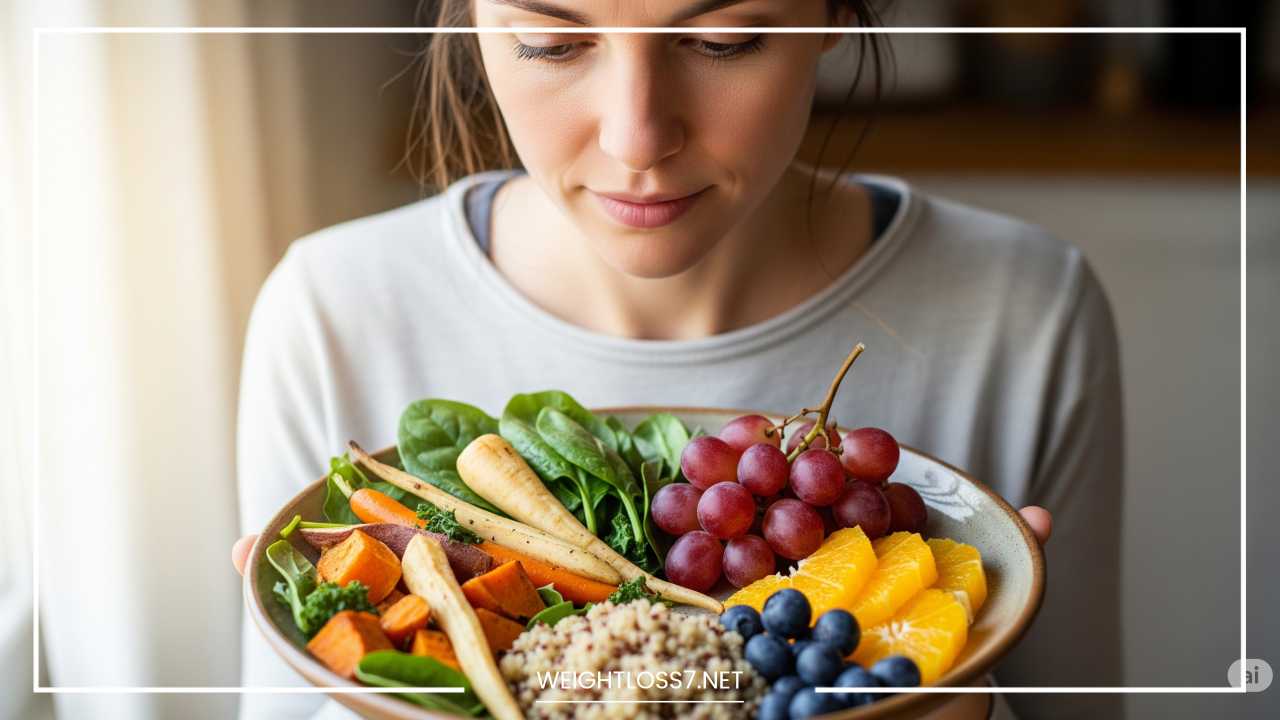
Filling your plate with fiber-rich foods is a powerful tool. Foods high in fiber—like vegetables, fruits, whole grains such as oats and brown rice, and legumes like beans and lentils—are incredibly filling and low in calories. They help you feel full for longer, which can prevent you from overeating.
A truly satisfying meal is a balanced one. Aim to build your meals around a combination of complex carbohydrates, healthy fats, and protein. Good sources of protein include dairy products like Greek yogurt and cottage cheese, legumes, tofu, nuts, and seeds. These foods help build and repair muscle and are very satiating. Healthy fats from sources like avocados, olive oil, and nuts are essential for brain health and hormone function. The combination of these macronutrients will keep your energy levels stable and prevent cravings.
One of the most effective changes you can make is to reduce added sugars and processed foods. Added sugars in sodas, pastries, and candy provide a lot of calories with very little nutritional value. Highly processed foods are often stripped of nutrients and fiber, leaving you feeling hungry and contributing to overeating. Swapping these for whole, unprocessed foods can make a huge difference in your calorie intake and overall health.
Don’t demonize snacks. Strategic snacking can actually help you manage your hunger and prevent you from becoming ravenous before a meal. Choose smart snacks like a handful of nuts, a piece of fruit, or some Greek yogurt.
Finally, remember to drink enough water. Sometimes we mistake thirst for hunger. Staying well-hydrated is essential for your metabolism and can help you feel full. Keep a water bottle with you throughout the day and aim for eight or more glasses.
Exercise That Works: Moving Your Body to Burn Fat and Build Strength
While nutrition is a primary driver of weight loss, exercise is the perfect partner. It not only helps you burn calories but also builds muscle, boosts your metabolism, and improves your overall well-being. A good exercise plan includes a mix of cardio and strength training.
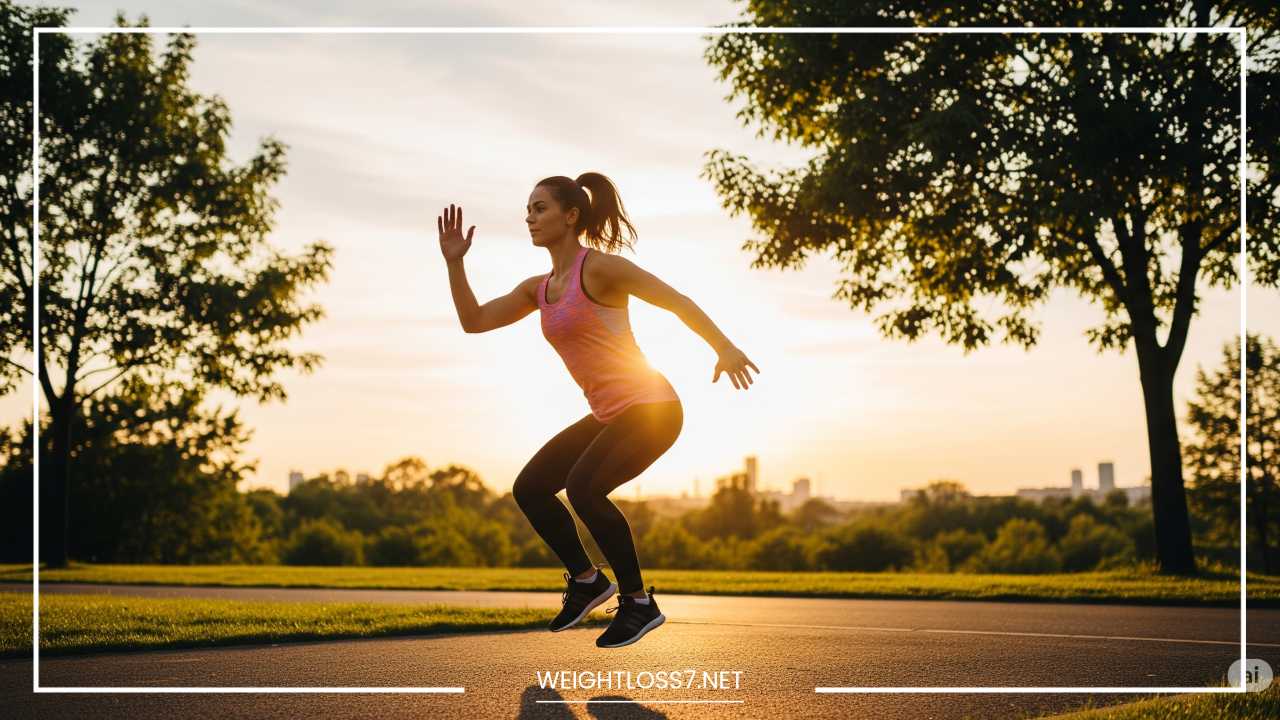
Cardio, or aerobic exercise, gets your heart rate up and burns calories efficiently. Activities like brisk walking, jogging, cycling, dancing, or swimming are all excellent choices. You don’t need to be a marathon runner to see results; even a 30-minute brisk walk each day can have a significant impact. Find an activity you enjoy, and you’ll be more likely to stick with it.
Strength training, which involves working against a resistance, is crucial for building and preserving muscle mass. The more muscle you have, the higher your resting metabolism, meaning you burn more calories even when you’re not exercising. You can use weights, resistance bands, or even just your own body weight with exercises like squats, push-ups, and lunges. Aim to incorporate strength training two to three times a week.
Beyond formal workouts, focusing on daily movement can make a huge difference. Take the stairs instead of the elevator, walk or bike to nearby errands, or do some light stretching during your workday. All of this movement adds up and contributes to your overall calorie expenditure.
The benefits of exercise extend far beyond weight loss. Regular physical activity is a powerful tool for improving your mood, boosting your energy levels, and getting better sleep. It’s a key component of a healthy, balanced life.
Habits That Make a Difference
Weight loss isn’t just about what you eat or how you move; it’s about the habits and routines you build. Small, consistent changes can lead to big results over time.
One of the most overlooked factors in weight management is sleep. A lack of sleep disrupts the hormones that regulate hunger and appetite. When you’re tired, your body produces more of the hunger hormone ghrelin and less of the fullness hormone leptin, leading to increased cravings for high-calorie, sugary foods. Aim for seven to nine hours of quality sleep per night to keep your hunger hormones in check.
Managing stress is also critical. When you’re stressed, your body releases the hormone cortisol. High levels of cortisol can increase your appetite and encourage your body to store fat, particularly around your midsection. Find healthy ways to cope with stress, such as meditation, yoga, spending time in nature, or listening to music.
Tracking your progress is essential, but it doesn’t have to be just about the scale. While weighing yourself can be a useful tool, also consider tracking other metrics like your body measurements, how your clothes fit, or your energy levels. These non-scale victories can provide motivation and a more accurate picture of your progress.
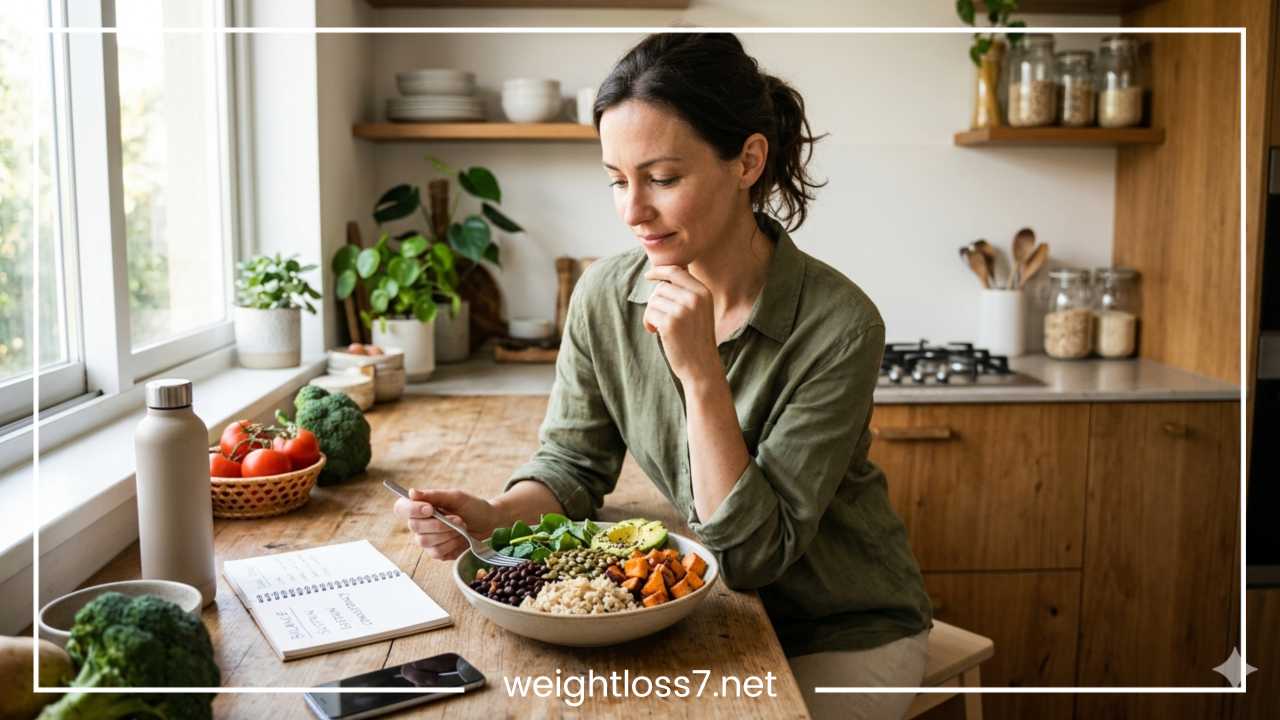
Building routines and structure can set you up for success. Meal planning for the week, prepping healthy snacks, and scheduling your workouts make it easier to stay on track. This reduces the number of decisions you have to make when you’re tired or hungry and prevents you from falling back on old, less healthy habits.
Finally, set realistic, small goals. Instead of saying “I want to lose 50 pounds,” start with “I will go for a 20-minute walk three times this week” or “I will add a serving of vegetables to my lunch every day.” Achieving small goals builds momentum and confidence, making larger goals feel more attainable.
Common Pitfalls and How to Avoid Them
The path to weight loss is rarely a straight line. Here are some common obstacles and how to navigate them:
- Relying on willpower instead of environment change: Willpower is a limited resource. Instead of relying on it, change your environment to support your goals. Stock your kitchen with healthy foods, keep unhealthy snacks out of sight, and lay out your workout clothes the night before.
- Over-restriction leading to bingeing: Cutting out all your favorite foods is a recipe for disaster. This “all or nothing” thinking often leads to intense cravings and, eventually, a binge. Instead, allow for occasional treats in moderation. A flexible approach is much more sustainable.
- Chasing fads or unrealistic timelines: There’s no such thing as losing 20 pounds in a week healthily. Focus on making slow, steady progress—about one to two pounds per week is a safe and sustainable rate of loss.
- Ignoring non-scale victories: Don’t get so fixated on the number on the scale that you miss the other signs of progress. Do your clothes fit better? Are you sleeping more soundly? Do you have more energy? These are all signs that your efforts are paying off.
Staying Motivated: Mindset Over Motivation
Motivation is a feeling that comes and goes. Discipline, on the other hand, is a skill you build through consistent action. While motivation can get you started, discipline is what keeps you going.
Understand that progress is not linear. You will have plateaus and setbacks. The number on the scale will fluctuate from day to day due to factors like water retention. Don’t let a bad day or a week of no change derail your entire journey. It’s okay to have a setback; what matters is how you respond to it. Get back on track with your next meal or your next workout.
Celebrate small wins along the way. Did you resist the office donuts? Did you choose to walk instead of drive? Acknowledge and celebrate these small victories. They build confidence and reinforce your new habits.
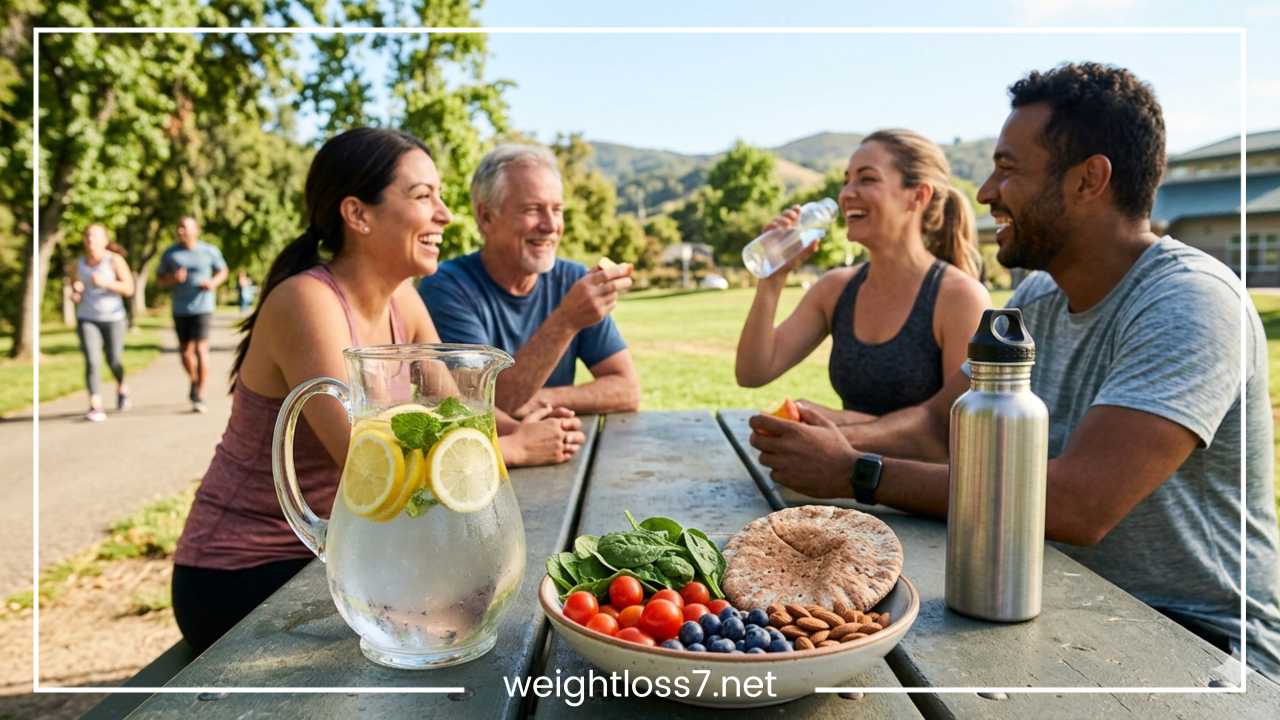
Consider finding a community or support system. This doesn’t have to be a formal group. It could be a friend you exercise with, a family member you share healthy recipes with, or an online community where you can share your challenges and successes. Having people to share your journey with can make a huge difference.
When to Seek Professional Help
For most people, sustainable weight loss can be achieved through lifestyle changes. However, there are times when it’s important to seek professional guidance.
Consult a professional if you’re experiencing red flags such as:
- Rapid or unexplained weight gain or loss
- Signs of disordered eating, such as obsessive calorie counting, purging, or an unhealthy preoccupation with food and body image
- Significant emotional eating or using food as a primary coping mechanism for stress or anxiety
A registered dietitian can help you create a personalized eating plan that’s tailored to your needs and preferences. A therapist can help you address the emotional and psychological aspects of your relationship with food and your body. A certified fitness coach can guide you in creating a safe and effective exercise routine.
Final Thoughts: Your Weight Loss Journey, Your Way
There is no single “right” way to lose weight. The best approach is the one that fits your life, your body, and your preferences. Forget about the fads and quick fixes. Instead, focus on building sustainable habits that will support your health and well-being for a lifetime. Start small, be patient with yourself, and remember that every step forward, no matter how small, is a victory. Your journey is uniquely yours—make it a healthy and rewarding one.