Weight Loss Help That Works


Effective Weight Loss Help That Works – Proven Strategies & Tips
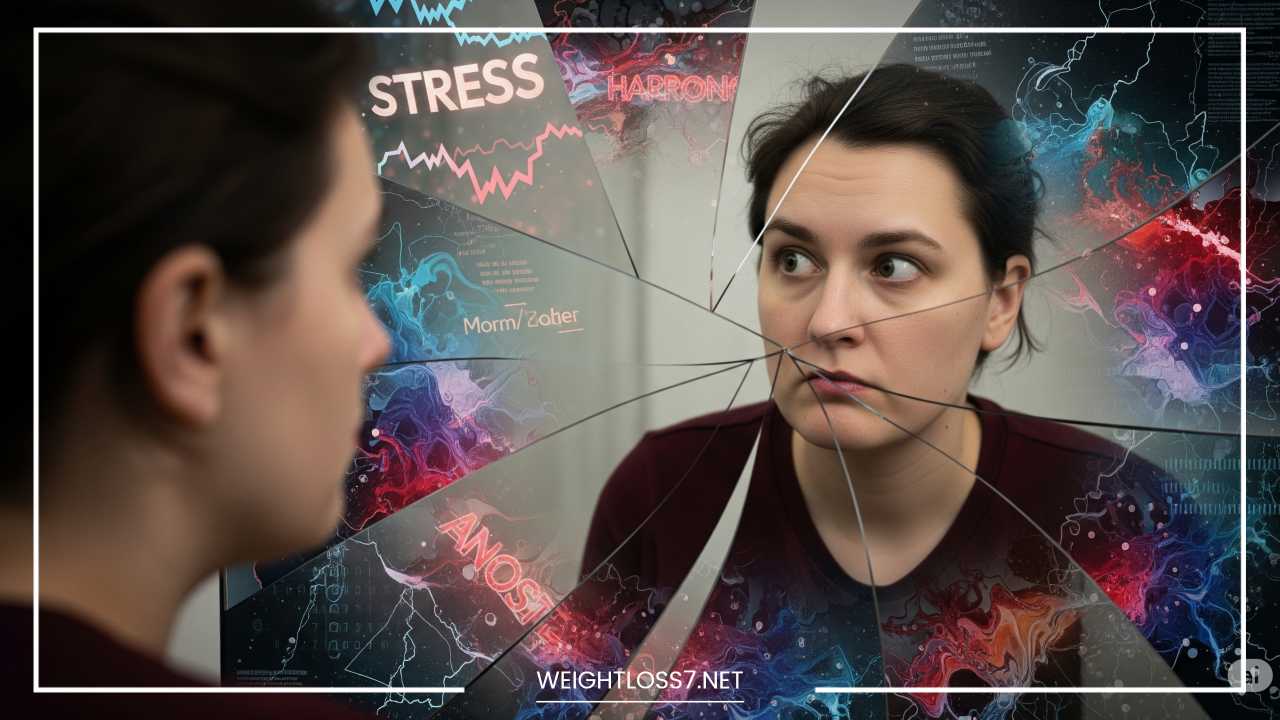
Losing weight can feel like a monumental task, a relentless uphill battle against cravings, plateaus, and a demanding schedule. We’ve all been there: staring at the mirror, feeling frustrated with our progress or lack thereof. The desire to feel healthier, more energetic, and more confident is universal, and the journey to get there can seem incredibly difficult. But what if the struggle isn’t about willpower alone? What if it’s about having the right tools and understanding?
This article isn’t about quick fixes, detox teas, or the latest fad diet. Instead, we’ll dive into what actually works—sustainable, science-backed strategies that you can incorporate into your daily life for lasting results. We’ll explore everything from the fundamental science of weight loss to practical tips on nutrition, exercise, and sleep. By the end, you’ll have a clear, actionable roadmap to help you achieve your goals and build a healthier, more vibrant life.
Understanding Weight Loss
At its core, weight loss is governed by a simple principle: to lose weight, you must burn more calories than you consume. This is known as creating a calorie deficit. Your body needs a certain amount of energy, or calories, to perform its daily functions—from breathing and thinking to walking and exercising. When you consume fewer calories than your body needs, it turns to stored energy—fat—to make up the difference. This process is how you lose weight.
However, the reality is far more complex than a simple equation. Factors like metabolism, the rate at which your body burns calories, play a significant role. Your metabolism is influenced by your age, genetics, muscle mass, and even the types of food you eat. While some people may have a naturally faster metabolism, you can boost it through exercise, especially by building muscle.
It’s also crucial to understand that weight loss isn’t just about calories. Hormones, genetics, and lifestyle choices all influence your body’s ability to lose weight. For example, the stress hormone cortisol can increase your appetite and lead to fat storage, particularly around the abdomen. Your sleep patterns, stress levels, and even the health of your gut microbiome all have a profound impact on your weight loss journey.
The biggest mistake people make is falling for quick fixes. Fad diets that promise rapid weight loss often lead to a cycle of losing and regaining weight, a phenomenon known as yo-yo dieting. While you might see initial results, these restrictive diets are often unsustainable and can harm your metabolism in the long run. Sustainable weight loss is a slow, steady process that focuses on creating healthy habits you can maintain for life.
Practical Tips for Successful Weight Loss
The most effective weight loss strategies are the ones you can stick with. They focus on making small, manageable changes across key areas of your life.
Balanced Diet
Your diet is arguably the most important factor in weight loss. You can’t outrun a bad diet.
- Prioritize Whole Foods: Focus on eating foods that are as close to their natural state as possible. This includes fruits, vegetables, lean proteins (chicken, fish, tofu), whole grains (quinoa, brown rice), and healthy fats (avocado, nuts, olive oil). These foods are packed with nutrients, fiber, and protein, which keep you full and satisfied.
- Portion Control and Mindful Eating: Pay attention to how much you’re eating. Use smaller plates, measure out servings, and avoid eating directly from the package. More importantly, practice mindful eating. Slow down, savor each bite, and listen to your body’s hunger and fullness cues. This helps you recognize when you’re truly satisfied and prevents you from overeating.
- Reduce Processed Foods and Sugar: Processed foods and sugary drinks are calorie-dense but nutrient-poor. They often contain unhealthy fats, sodium, and added sugars that lead to cravings and weight gain. Cutting back on items like soda, candy, fast food, and packaged snacks can make a huge difference.
Exercise
While diet is key for a calorie deficit, exercise is essential for boosting metabolism, building muscle, and improving overall health.
- Cardio vs. Strength Training: Both are vital. Cardio, such as running, cycling, or swimming, is excellent for burning calories and improving heart health. Strength training, like lifting weights or bodyweight exercises, builds muscle. The more muscle you have, the higher your metabolism will be, because muscle tissue burns more calories at rest than fat tissue. A balanced routine that includes both will give you the best results.
- Consistency Over Intensity: Don’t feel pressured to go all out every single day. A moderate-intensity workout you do consistently is far more effective than an intense one you only do once a week. Aim for a regular routine you enjoy, whether it’s a daily walk, a few gym sessions, or a home workout program.
- Creating a Workout Routine: Start small. If you’re a beginner, aim for 20-30 minutes of walking a few times a week. Gradually increase the duration and intensity. Try different activities to find what you love—hiking, dancing, yoga, or team sports.
Hydration
Water is a powerful, yet often overlooked, tool for weight loss.
- Boosts Metabolism: Drinking water can temporarily increase your metabolic rate, a process called thermogenesis.
- Curbs Appetite: Sometimes, your brain mistakes thirst for hunger. Drinking a glass of water before a meal can help you feel fuller, leading you to eat less.
- Aids Fat Loss: Proper hydration is essential for the metabolic process of lipolysis, which is the breakdown of fat for energy.
Aim for 8-10 glasses of water a day, but listen to your body. If you’re exercising or in a hot environment, you’ll need more.
Sleep
Lack of sleep can completely derail your weight loss efforts.
- Hormonal Regulation: When you’re sleep-deprived, your body produces more ghrelin (the “hunger hormone”) and less leptin (the “satiety hormone”). This imbalance makes you feel hungrier and less satisfied after eating.
- Tips for Better Sleep: Create a calming bedtime routine. Avoid screens before bed, keep your room dark and cool, and aim for 7-9 hours of quality sleep per night.
Stress Management
Chronic stress is a major roadblock to weight loss.
- Cortisol and Cravings: When stressed, your body releases cortisol. This hormone can increase your appetite for high-fat, sugary foods and cause your body to store fat, particularly in the abdominal area.
- Effective Stress Busters: Find healthy ways to cope with stress. This could be meditation, deep breathing exercises, yoga, spending time in nature, or engaging in a hobby you love.
Behavioral Changes for Long-Term Success
Sustainable weight loss is about more than just what you do; it’s about how you think and act.
Building a Sustainable Routine
Successful weight loss isn’t a one-time event; it’s a series of small, consistent actions that become habits. Instead of trying to overhaul everything at once, focus on one or two small changes. For example, commit to a 15-minute walk every day after dinner. Once that becomes a habit, add another, like swapping soda for water.
Setting Realistic Goals
An ambitious goal of losing 50 pounds in a month is not only unrealistic but also demoralizing. Set small, achievable goals, such as losing 1-2 pounds per week or walking three times this week. These small wins build confidence and keep you motivated.
Tracking Progress
Tracking is a powerful tool. Whether it’s a food journal, a fitness tracker, or a simple notebook, monitoring what you eat and how much you exercise can provide valuable insights. It helps you stay accountable and allows you to see patterns you might not have noticed otherwise.
Mindset and Motivation
Your mindset is your greatest asset. View setbacks as temporary learning opportunities, not as failures. When you hit a plateau, remember that your body is adjusting. This is the time to reassess your diet and exercise plan, not to give up. Focus on the non-scale victories: clothes fitting better, more energy, better sleep, and improved mood.
Dealing with Setbacks
Everyone has off days. You might indulge in a high-calorie meal or skip a workout. The key is to not let one bad day turn into a bad week. Acknowledge it, learn from it, and get back on track with your next meal or workout.
Popular Weight Loss Methods
While the fundamentals of diet and exercise are universal, many people find success with specific structured approaches.
- Intermittent Fasting (IF): This method focuses on when you eat, rather than what you eat. It involves cycling between periods of eating and fasting. Common methods include the 16:8 method (fasting for 16 hours and eating during an 8-hour window) and the 5:2 method (eating normally for five days and restricting calories on two non-consecutive days). IF can help reduce calorie intake and may improve insulin sensitivity, making it easier for your body to access stored fat.
- Low-Carb/Low-Fat Diets: These are two contrasting but popular approaches. Low-carb diets, like the Keto diet, emphasize protein and fat while severely restricting carbohydrates. The idea is to shift your body’s primary fuel source from glucose to ketones (from fat). Low-fat diets focus on reducing fat intake and increasing complex carbohydrates and protein. Both can be effective, but their sustainability depends on individual preferences and health needs.
- Ketogenic Diet: The ketogenic, or keto, diet is a very low-carb, high-fat diet. By drastically reducing carbohydrate intake, you put your body into a metabolic state called ketosis. In this state, your body becomes incredibly efficient at burning fat for energy. While it can be highly effective for weight loss, it requires strict adherence and isn’t suitable for everyone.
- Meal Planning and Prep: This simple strategy can be a game-changer. By planning your meals for the week and preparing them in advance, you eliminate the guesswork and stress of last-minute food choices. This makes it easier to stick to your healthy eating plan and avoid processed or high-calorie options.
- Supplements: The weight loss supplement market is a multi-billion dollar industry, but most products offer minimal to no benefit. While some supplements, like protein powder, can be useful for meeting your nutritional needs, most “fat-burning” pills and powders are ineffective and can even be dangerous. Always consult a healthcare professional before taking any new supplement.
The Role of Support Systems
You don’t have to do this alone. Having a support system can provide the encouragement and accountability you need to stay on track.
- Accountability Partners: Share your journey with a friend, family member, or colleague who has similar goals. You can motivate each other, share tips, and celebrate successes.
- Professional Support: If you’re struggling to make progress or have specific health concerns, consider working with a professional. A registered dietitian can help you create a personalized meal plan, a certified personal trainer can design a safe and effective workout routine, and a therapist can help you address emotional or psychological factors that may be affecting your relationship with food.
- Online Communities: Platforms like Reddit, Facebook, and various forums host communities of people on similar journeys. These groups can offer a sense of camaraderie, practical advice, and a constant source of motivation.
Common Myths and Misconceptions
The world of weight loss is filled with misinformation. Let’s debunk a few of the most persistent myths.
- The Myth of Quick Fixes: There is no magic pill or one-week detox that will solve your weight problems permanently. True, lasting weight loss is a marathon, not a sprint.
- The Myth of Spot Reduction: You cannot target fat loss from a specific area of your body. Doing crunches will strengthen your abs, but it won’t magically eliminate belly fat. When you lose weight, you lose it from all over your body.
- The Myth of Extreme Consistency: While consistency is important, you don’t have to be perfect. One slip-up won’t ruin your progress. The key is to be consistent most of the time, not all of the time.
Final Thoughts
Successful weight loss is not about deprivation or suffering. It’s about empowering yourself with knowledge and building a lifestyle that supports your health and well-being. It requires patience, balance, and a sustainable approach that focuses on whole foods, regular exercise, adequate sleep, and effective stress management.
Remember that slow progress is still progress. Every healthy meal you choose, every walk you take, and every good night’s sleep you get is a step in the right direction. Start with one small, manageable change today. Drink an extra glass of water, take a 10-minute walk, or swap a sugary snack for a piece of fruit. The journey of a thousand miles begins with a single step, and your journey to a healthier you is no different. You have the power to make these changes, and every day is a new opportunity to start.