The Best Diet to Lose Weight

The Best Diet to Lose Weight: A Comprehensive, Evidence-Based Guide
The quest to lose weight is a global phenomenon. From social media feeds to bookstore shelves, we are bombarded with a dizzying array of diet plans, each promising to be the definitive solution. The keto diet, intermittent fasting, plant-based eating, paleo—the options are overwhelming, and the conflicting advice can be a significant roadblock. This confusion often leads to a cycle of starting and stopping, or worse, trying methods that are unsustainable or unhealthy.
This article cuts through the noise. Its purpose is not to advocate for one specific diet over all others. Instead, we’ll explore what the evidence says about effective, long-term weight loss. We’ll delve into the core principles that underpin any successful diet, review popular approaches, and provide a framework for finding the best diet for you—one that is sustainable, healthy, and tailored to your life. The ultimate goal isn’t just to shed pounds but to build lasting habits that support a healthier you.
What “Best” Actually Means in a Weight Loss Diet
Before we dive into the specifics, it’s crucial to define what “the best” diet truly means. In the world of quick-fix solutions and celebrity endorsements, “best” is often synonymous with “fastest.” But a crash diet that helps you lose 10 pounds in a week only to regain 15 the next month is not a success.
A truly successful weight loss diet is one that:
- Is sustainable: You can stick to it for the long haul, not just a few weeks. It fits your lifestyle, budget, and social life.
- Is healthy: It provides all the necessary nutrients your body needs to thrive. A diet that causes nutrient deficiencies or harms your metabolic health is a failure, regardless of the number on the scale.
- Promotes steady, healthy weight loss: The goal is to lose fat, not muscle or water. A safe and sustainable rate is typically 1–2 pounds per week.
- Considers your personal preferences and health status: The best diet for an athlete will be different from the best diet for someone with a sedentary job or a pre-existing medical condition.
There is no one-size-fits-all answer. The “best” diet is a highly personalized choice, and it’s one you must make by understanding the fundamental principles of weight loss and how they apply to you.
The Unshakeable Principles of Effective Weight Loss
While a ketogenic, vegan, or Mediterranean diet may seem vastly different, all successful weight loss diets share a few core principles. Ignoring these is a surefire path to failure.
The Caloric Deficit
This is the non-negotiable foundation of all weight loss. To lose weight, you must consume fewer calories than your body burns. This deficit forces your body to tap into its stored energy—primarily fat—for fuel. It’s a simple law of thermodynamics that no diet can bypass.
- How it works: Your Basal Metabolic Rate (BMR) is the number of calories your body burns at rest. Add to this the calories you burn through daily activities and exercise. This gives you your Total Daily Energy Expenditure (TDEE). To lose weight, you must eat less than your TDEE. A deficit of 500 calories per day typically leads to a loss of one pound per week, as one pound of fat contains roughly 3,500 calories.
Macronutrients: Carbs, Protein, and Fats
While the total number of calories is paramount, the composition of those calories—the balance of carbohydrates, protein, and fats—plays a critical role in satiety, energy, and muscle preservation.
- Protein: This is the heavyweight champion of weight loss. Protein is highly satiating, meaning it keeps you feeling full for longer, reducing the urge to snack. It also has a higher thermic effect, meaning your body burns more calories digesting it than it does for carbs or fats. Crucially, adequate protein intake is essential for preserving lean muscle mass during weight loss.
- Fats: Dietary fats are vital for hormone function, nutrient absorption, and long-term energy. Healthy fats (found in avocados, nuts, seeds, and olive oil) are an important part of a balanced diet. They are calorie-dense, however, so portion control is key.
- Carbohydrates: Often demonized, carbs are the body’s primary source of energy. The key is to choose the right kind. Opt for complex carbs like whole grains, vegetables, and legumes, which are rich in fiber and provide sustained energy. Avoid simple, refined carbs like white bread, sugary drinks, and pastries, which cause blood sugar spikes and subsequent crashes, leading to cravings.
The Role of Fiber, Hydration, and Portion Control
- Fiber: Found in fruits, vegetables, and whole grains, fiber adds bulk to food and slows down digestion. This contributes to a feeling of fullness and helps regulate blood sugar levels, preventing the post-meal energy slump and cravings.
- Hydration: Water is essential for every bodily function. It can also aid weight loss by making you feel full and helping to boost your metabolism. Sometimes, the body mistakes thirst for hunger, so drinking a glass of water before a meal or when you feel a craving can be an effective strategy.
- Portion Control: Even with the healthiest foods, overeating can sabotage your efforts. Learning to recognize proper portion sizes is a skill that can be developed with simple tools like using smaller plates, paying attention to hunger cues, and using measuring cups.
A Look at Popular Diets: The Good, The Bad, and The Sustainable
Now let’s examine some of the most talked-about diets and how they stack up against the principles of effective weight loss.
The Keto Diet (Ketogenic)
- What it is: A very low-carb, high-fat, moderate-protein diet. By drastically reducing carb intake, the body enters a metabolic state called ketosis, where it burns fat for fuel instead of glucose.
- Pros: Can lead to rapid initial weight loss, primarily due to water weight. Many people report reduced appetite and stable energy levels.
- Cons: Highly restrictive and difficult to sustain long-term. It can be challenging to get enough fiber and other nutrients. The “keto flu” and potential long-term health effects are still being studied. This diet may not be suitable for people with certain medical conditions.
- Verdict: Effective for short-term weight loss and certain health conditions but challenging for most people to maintain as a permanent lifestyle.
The Mediterranean Diet
- What it is: A diet inspired by the traditional eating patterns of countries bordering the Mediterranean Sea. It emphasizes fruits, vegetables, whole grains, nuts, seeds, legumes, and olive oil. Fish and poultry are eaten in moderation, while red meat and sweets are limited.
- Pros: This diet is consistently ranked as one of the healthiest in the world. It is not overly restrictive, making it highly sustainable. It’s rich in fiber, healthy fats, and antioxidants, supporting heart health and overall well-being.
- Cons: Not a fast-acting weight loss solution. Its strength lies in its long-term health benefits and sustainability.
- Verdict: This is an excellent model for a healthy, balanced lifestyle that naturally leads to sustainable weight loss.
Intermittent Fasting (IF)
- What it is: Not a diet in the traditional sense, but an eating pattern that cycles between periods of eating and fasting. Popular methods include the 16/8 method (fasting for 16 hours and eating during an 8-hour window) and the 5:2 method (eating normally for five days and restricting calories to 500-600 on two non-consecutive days).
- Pros: It simplifies eating, often leading to a natural reduction in calorie intake without strict calorie counting. It can improve insulin sensitivity and help with appetite control.
- Cons: Can be challenging initially, causing hunger and irritability. It may not be suitable for people with a history of eating disorders or those who are pregnant or have certain medical conditions.
- Verdict: A powerful tool for creating a caloric deficit and improving metabolic health, but it’s important to ensure you’re still eating a balanced, nutrient-dense diet during your eating window.
Plant-Based and Vegan Diets
- What they are: Diets centered on foods derived from plants. Veganism excludes all animal products, while a plant-based diet may include small amounts of animal products.
- Pros: Plant-based foods are generally lower in calories and higher in fiber and nutrients. This can lead to a natural reduction in calorie intake and significant health benefits, including lower risk of heart disease and type 2 diabetes.
- Cons: Requires careful planning to ensure adequate intake of protein, iron, calcium, and B12 (especially in vegan diets). Can be restrictive for some.
- Verdict: A highly effective and healthy approach to weight loss and overall health, provided it is well-planned and balanced.
Low-Carb/Low-Fat Diets
- What they are: Broad categories that focus on reducing either carbohydrate or fat intake. Low-carb diets, like Atkins, and low-fat diets have been popular for decades.
- Pros: Both approaches can be effective for weight loss by creating a caloric deficit. Low-carb diets can help control blood sugar and appetite. Low-fat diets often promote a high intake of fruits and vegetables.
- Cons: The quality of the food matters more than the macronutrient ratio. A low-carb diet of bacon and cheese is not healthy, and a low-fat diet of sugary, processed snacks is equally bad.
- Verdict: Focusing on the quality of food (e.g., healthy fats from avocado vs. trans fats from packaged goods) is more important than simply eliminating a macronutrient group.
Paleo and Whole30 Diets
- What they are: Diets that focus on “ancestral” eating, eliminating processed foods, sugar, dairy, and grains. The Whole30 is a 30-day elimination diet designed to reset eating habits.
- Pros: By focusing on whole, unprocessed foods, these diets naturally cut out many high-calorie, low-nutrient items. They can be a great way to identify food sensitivities and build healthier habits.
- Cons: Very restrictive, making them difficult to maintain long-term. Paleo can be low in calcium, and Whole30 is meant to be a short-term reset, not a permanent lifestyle.
- Verdict: Excellent for breaking unhealthy eating habits and kickstarting weight loss, but the long-term goal should be to transition to a more flexible, sustainable approach.
The Psychological and Behavioral Side of Weight Loss
A diet is more than just a meal plan; it’s a mental game. Neglecting the psychological and behavioral aspects is a common reason for failure.
Emotional Eating and Cravings
We often turn to food for comfort, stress relief, or boredom. Understanding your triggers for emotional eating is the first step toward breaking the cycle. Instead of reaching for a snack, try a walk, a phone call with a friend, or a relaxing bath. Cravings are normal, but they don’t have to control you. Giving in to every craving reinforces the behavior. Acknowledge it, and then distract yourself with another activity.
Habit Formation
Sustainable weight loss is about building new, healthy habits that replace old ones. This is where small, consistent changes are more powerful than a dramatic overhaul. Start by adding one new healthy habit, like drinking a glass of water every morning or taking a 15-minute walk after dinner. Once that feels natural, add another.
The Importance of Tracking
Tracking your food intake, whether with a journal or a smartphone app, can be a game-changer. It provides a level of awareness that is often absent from our daily eating. You may be surprised to see how many calories are in that handful of nuts or the seemingly small post-dinner treat. Tracking helps you stay accountable and identify patterns in your eating that you may not have noticed.
Mindful Eating
Mindful eating involves paying full attention to the experience of eating and drinking, both inside and outside the body. It means slowing down, savoring each bite, and listening to your body’s hunger and fullness cues. This simple practice can help you eat less and enjoy your food more, preventing mindless overeating.
The Crucial Role of Exercise and Physical Activity
While a caloric deficit is the primary driver of weight loss, exercise is the key to maintaining it and improving overall health.
Why Diet Alone Isn’t Enough
Losing weight through diet alone can lead to a loss of both fat and muscle. Since muscle burns more calories at rest than fat, losing muscle can slow down your metabolism, making it easier to regain weight. Exercise, especially strength training, helps preserve lean muscle mass and keeps your metabolism humming.
Best Types of Workouts for Fat Loss
- Strength Training: This is non-negotiable for preserving muscle mass and boosting metabolism. Lifting weights, using resistance bands, or doing bodyweight exercises are all excellent options.
- Cardio: Activities like running, cycling, swimming, and brisk walking are great for burning calories and improving cardiovascular health.
- NEAT (Non-Exercise Activity Thermogenesis): This refers to the calories burned from everyday movements that aren’t formal exercise—walking to the store, taking the stairs, cleaning the house. Increasing your NEAT is a simple way to boost your daily calorie expenditure without even setting foot in a gym.
The best exercise is the one you will actually do consistently. Find an activity you enjoy, and it won’t feel like a chore.
What the Science Says: Evidence-Based Diet Tips
Scientific consensus provides a clear, consistent message: long-term success is not about a specific diet but about adherence and sustainability.
- Meta-analyses consistently show that many popular diets (keto, low-carb, low-fat) lead to similar weight loss after one year. The most significant predictor of success is the ability to stick with the diet.
- No magic bullets: The science is clear that detoxes, juice cleanses, and fat burners are largely ineffective and can be dangerous. The body has its own incredible detox systems (liver and kidneys). The focus should be on nourishing your body with real food, not on expensive, unproven supplements.
- Individualization is key: A study from Harvard Medical School highlighted that there is no single best diet for everyone. The best approach is the one that fits your lifestyle, preferences, and health needs.
Personalization: How to Choose the Right Diet for You
With all this information, how do you find your “best” diet? Here’s a step-by-step guide:
- Assess Your Goals and Lifestyle: Are you looking to lose a few pounds or a significant amount? Do you have any health conditions? What is your work schedule like? Do you travel often?
- Evaluate Your Preferences: Do you love meat, or do you prefer vegetables? Do you enjoy cooking? Are you a social eater who dines out frequently? A diet that forces you to eat foods you hate or give up your favorite social activities is doomed to fail.
- Start with the Core Principles: Instead of jumping into a branded diet, start by implementing the core principles: create a moderate caloric deficit, increase your protein and fiber intake, drink more water, and practice mindful eating.
- Test and Tweak: Try a few different approaches. Maybe intermittent fasting works well for your schedule, or perhaps a more plant-based approach feels right. Don’t be afraid to experiment and adjust as you go.
- When to Seek Professional Help: If you have significant weight to lose, underlying health conditions, or a history of eating disorders, consult a registered dietitian and a doctor. They can provide a personalized plan that is safe and effective for you.
Sample Daily Meal Plan Ideas
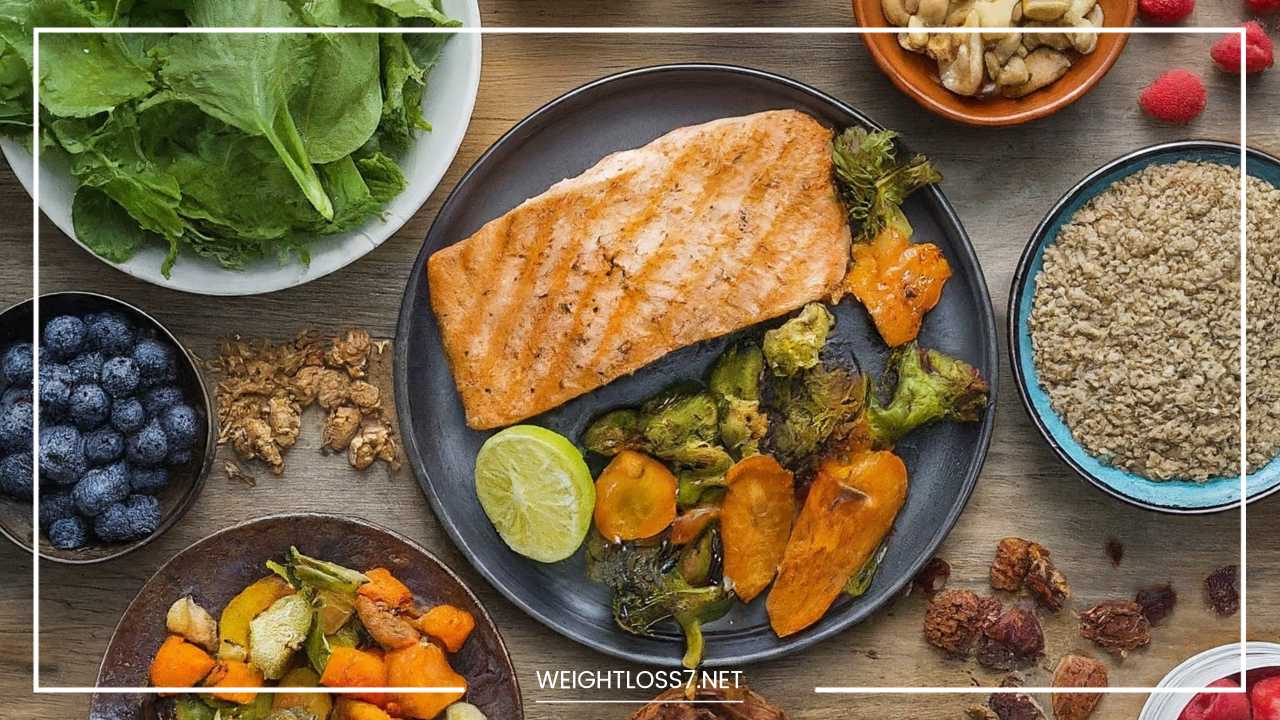
Here are a few examples to show how the principles of healthy eating can be applied to different styles. These are not rigid rules but flexible templates.
Mediterranean-Inspired Day
- Breakfast: Greek yogurt with berries, a drizzle of honey, and a sprinkle of walnuts.
- Lunch: A large salad with mixed greens, grilled chicken, cucumbers, tomatoes, and a vinaigrette dressing made with olive oil and lemon.
- Dinner: Baked salmon with roasted asparagus and a side of quinoa.
- Snack: An apple with a tablespoon of almond butter.
Intermittent Fasting (16/8) Day
- First Meal (12 PM): A hearty bowl of lentil soup with a slice of whole-grain bread.
- Second Meal (4 PM): A snack of a hard-boiled egg and an orange.
- Third Meal (7 PM): A stir-fry with lean beef, broccoli, bell peppers, and brown rice.
- Fasting begins at 8 PM.
Note: The key is to ensure each meal is balanced with protein, healthy carbs, and fats to keep you full and energized throughout the day.
Final Thoughts
The “best” diet to lose weight isn’t a secret plan that only a few people know about. It’s not a fad, a cleanse, or a restrictive set of rules. The best diet is a sustainable, personalized approach that adheres to the timeless principles of a caloric deficit, a balanced intake of macronutrients, and a focus on whole, nutrient-dense foods.
Successful weight loss is a marathon, not a sprint. It’s about consistency, not perfection. Instead of chasing quick fixes and hacks, focus on building lifelong habits. Start with small, manageable changes—drink more water, add a walk to your day, or replace one sugary drink with a healthier option. The journey to a healthier you begins not with a drastic diet but with the decision to make a single, positive change that you can maintain over time. Empower yourself to listen to your body, find what works for you, and build a relationship with food that is healthy, balanced, and sustainable for the long haul.