What to Eat to Lose Weight in a Month

What to Eat to Lose Weight in a Month | Effective Diet Tips for Fast Results
Embarking on a weight loss journey can feel overwhelming, but one of the most powerful tools you have is right in your kitchen: your food choices. While countless diets and fads promise quick results, sustainable weight loss truly begins with understanding how certain foods impact your body and metabolism. This article will guide you through practical, accessible, and effective food choices that can help anyone shed pounds in a month.
We’ll focus on nutrient-dense options that not only support weight loss but also enhance overall well-being, proving that healthy eating can be both enjoyable and highly effective.
Understanding the Science of Weight Loss
At its core, weight loss is a simple equation: you need to consume fewer calories than your body burns. This creates a caloric deficit, prompting your body to tap into its stored fat for energy. While the principle is straightforward, achieving it sustainably involves more than just cutting calories drastically. It’s about optimizing your metabolism through smart food choices. Your metabolism is the process by which your body converts what you eat and drink into energy. A healthy, efficient metabolism is key to burning calories effectively, even at rest.
The goal isn’t just to lose weight quickly, but to build habits that lead to lasting results. Crash diets often backfire, leading to nutrient deficiencies, muscle loss, and a rebound effect where lost weight is quickly regained. Instead, we’ll explore how to make intelligent food choices that keep you satisfied, provide essential nutrients, and gently nudge your body toward a healthier weight, fostering sustainable progress rather than chasing fleeting fixes.
The Role of Whole Foods in Weight Loss
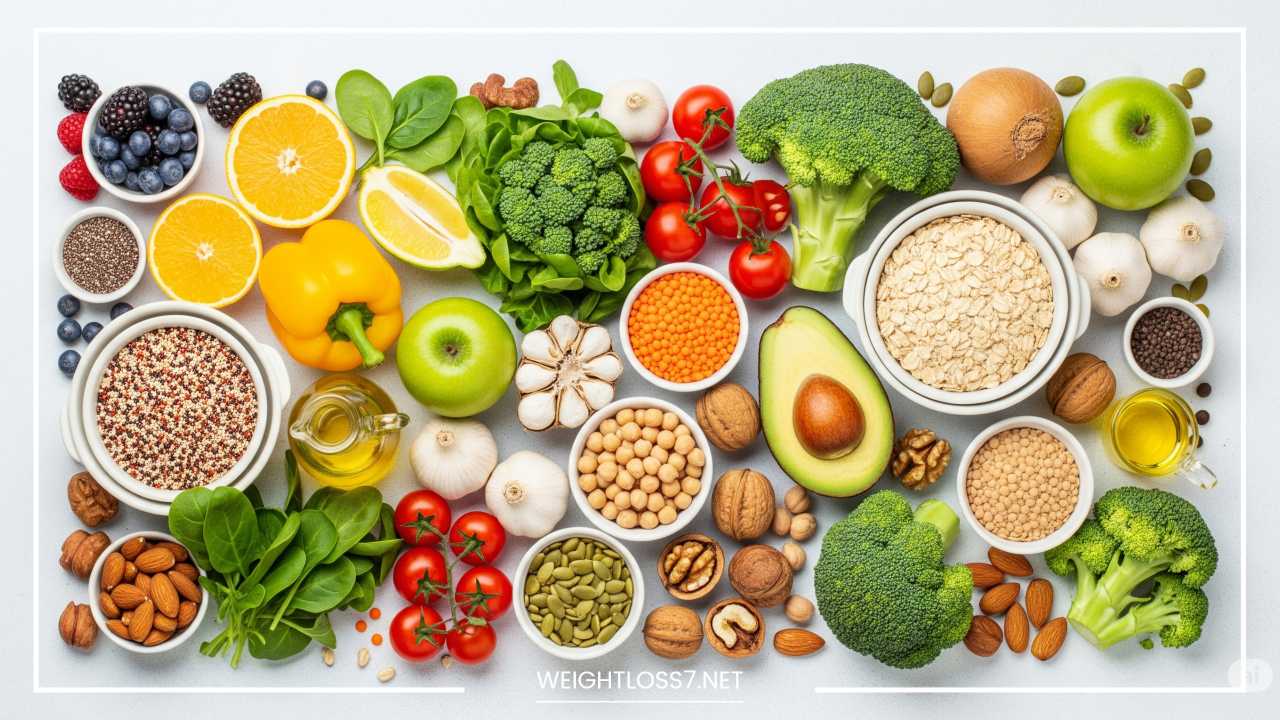
When it comes to effective and sustainable weight loss, whole, unprocessed foods are your greatest allies. These are foods that are as close to their natural state as possible, meaning they haven’t been stripped of their vital nutrients, fiber, or water content. Think fresh fruits, crisp vegetables, hearty whole grains, and nutritious legumes.
Unlike highly processed snacks and meals, whole foods are typically nutrient-dense and low in calories. This means you can eat a satisfying volume of them without consuming excessive calories. Their high fiber content is particularly beneficial; fiber adds bulk to your meals, helping you feel fuller for longer and reducing the likelihood of overeating. Furthermore, the significant water content in many fruits and vegetables also contributes to satiety and helps keep you hydrated, supporting various bodily functions crucial for weight management. By prioritizing whole foods, you naturally reduce your intake of unhealthy fats, added sugars, and sodium, all of which can hinder weight loss and overall health.
The Importance of Macronutrients
Understanding the role of macronutrients—carbohydrates, fats, and proteins—is fundamental to crafting a diet that supports weight loss. Each plays a distinct role in your body’s functions, energy levels, and satiety.
Carbohydrates
Carbohydrates are your body’s primary source of energy. However, the type of carbohydrate you choose makes all the difference. Opt for complex carbohydrates found in whole grains, legumes, and most vegetables. These are digested slowly, providing a sustained release of energy that keeps your blood sugar levels stable and prevents sudden energy crashes often associated with refined sugars. Stable blood sugar means fewer cravings and less likelihood of reaching for unhealthy snacks. Examples include oats, brown rice, quinoa, barley, lentils, and starchy vegetables like sweet potatoes.
Fats
Often misunderstood, healthy fats are essential for weight management and overall health. They contribute significantly to satiety, helping you feel full and satisfied after meals, which can prevent overeating. Healthy fats also play a crucial role in nutrient absorption and hormone production. Focus on sources like avocados, nuts (almonds, walnuts), seeds (chia, flax, pumpkin), and healthy oils such as olive oil. While these are calorie-dense, a small amount goes a long way in promoting fullness and providing essential fatty acids.
Proteins
Protein is a powerhouse macronutrient for weight loss. It helps build and repair muscle tissue, which is metabolically active, meaning it burns more calories even at rest. Furthermore, protein has a high thermic effect, meaning your body expends more energy digesting it compared to carbohydrates or fats. This can subtly boost your daily calorie burn. Protein is also incredibly satiating, helping to reduce hunger and curb cravings. Excellent alternative protein sources include:
- Legumes: Lentils, chickpeas, black beans, kidney beans, and edamame are packed with both protein and fiber.
- Tofu and Tempeh: These soy-based products are versatile and excellent sources of complete protein.
- Quinoa: A complete protein source among grains, offering all nine essential amino acids.
- Dairy-based options: Plain Greek yogurt, cottage cheese, and milk are high in protein and can be easily incorporated into meals and snacks.
By balancing these macronutrients in your meals, you create a foundation for sustained energy, reduced hunger, and effective weight loss.
The Best Foods for Weight Loss
Incorporating specific foods into your diet can significantly accelerate your weight loss journey. These selections are chosen for their nutrient density, high fiber and water content, and ability to promote satiety without excessive calories.
Fruits and Vegetables
These should form the bulk of your diet. They are naturally low in calories and packed with vitamins, minerals, antioxidants, and fiber.
- Leafy Greens: Spinach, kale, romaine lettuce, and collard greens are incredibly low in calories and high in volume, helping you feel full.
- Berries: Blueberries, strawberries, raspberries, and blackberries are rich in antioxidants and fiber, and their natural sweetness can satisfy cravings.
- Citrus Fruits: Oranges, grapefruits, and lemons are high in vitamin C and water content.
- Cruciferous Vegetables: Broccoli, cauliflower, Brussels sprouts, and cabbage offer substantial fiber and various health benefits.
- Cucumbers and Zucchini: Predominantly water, these are excellent for hydration and adding bulk to meals without many calories.
Whole Grains
Unlike refined grains, whole grains retain all parts of the grain kernel, including the fiber-rich bran.
- Brown Rice: A versatile staple that provides sustained energy.
- Oats: Especially rolled or steel-cut oats, perfect for a fiber-rich breakfast.
- Quinoa: A complete protein and excellent source of fiber, making it a powerful addition to meals.
- Barley: A chewy grain high in soluble fiber, which can help lower cholesterol.
- Whole Wheat Pasta/Bread: Choose 100% whole grain options for added fiber and nutrients.
Legumes and Pulses
These plant-based powerhouses are staples for weight loss due to their high protein and fiber content.
- Beans: Black beans, kidney beans, pinto beans, and cannellini beans are excellent in salads, soups, and main dishes.
- Lentils: Quick-cooking and incredibly versatile, lentils are perfect for stews, curries, and salads.
- Peas: Green peas add a sweet touch and a good dose of protein and fiber to your meals.
Nuts and Seeds
While calorie-dense, nuts and seeds offer healthy fats, protein, and fiber, contributing to satiety and overall health when consumed in moderation.
- Almonds and Walnuts: Provide healthy fats and are great for a quick, satisfying snack.
- Chia Seeds and Flaxseeds: Rich in omega-3 fatty acids and soluble fiber, which can help with digestion and fullness. Add them to smoothies, yogurt, or oatmeal.
Healthy Fats
These fats are crucial for nutrient absorption, hormone production, and promoting satiety.
- Olive Oil: A cornerstone of many healthy eating patterns, excellent for cooking and dressings.
- Avocados: Creamy and satisfying, rich in monounsaturated fats and fiber.
- Algae-based Omega-3s: A fantastic plant-based alternative to fatty fish for obtaining essential omega-3 fatty acids, crucial for heart and brain health and reducing inflammation.
By building your meals around these nutrient-rich foods, you create a foundation for effective and satisfying weight loss.
Portion Control and Mindful Eating
Even with the healthiest foods, portion control is paramount for weight loss. Eating too much, even of nutritious items, can still lead to a caloric surplus. It’s not just about what you eat, but how much. Start by familiarizing yourself with appropriate serving sizes. Visual cues, like comparing a serving of grains to a cupped hand or a serving of healthy fats to the size of your thumb, can be helpful. Using smaller plates can also trick your mind into thinking you have a fuller plate, reducing the urge to overserve.
Beyond simply measuring, practicing mindful eating is a game-changer. This involves paying full attention to your food and the act of eating.
- Eat Slowly: Put your fork down between bites, chew thoroughly, and take your time. This allows your brain to register fullness cues, which can take up to 20 minutes.
- Savor Each Bite: Appreciate the flavors, textures, and aromas of your food. This enhances enjoyment and reduces the desire for more.
- Recognize Hunger Cues: Eat when you’re truly hungry, not just out of boredom, stress, or habit. Stop when you feel comfortably full, not stuffed.
- Minimize Distractions: Avoid eating in front of the TV, computer, or phone. Focus solely on your meal.
By integrating portion control with mindful eating, you develop a stronger connection with your body’s hunger and fullness signals, making it easier to prevent overeating and support your weight loss goals sustainably.
Hydration’s Role in Weight Loss
Often overlooked, proper hydration is a fundamental component of effective weight loss. Water is not just essential for survival; it plays several critical roles in your body that directly impact your ability to shed pounds.
Firstly, drinking enough water can boost your metabolism. Your body requires water for all its metabolic processes, including those involved in burning calories. Being even slightly dehydrated can slow down your metabolism, making weight loss more challenging. Secondly, water is an excellent natural appetite suppressant. Drinking a glass of water before meals can help you feel fuller, leading to a reduced calorie intake. Sometimes, thirst is mistaken for hunger, so staying hydrated can prevent unnecessary snacking.
Furthermore, water aids in digestion and nutrient absorption, ensuring your body efficiently processes the healthy foods you consume. It also helps flush out waste products, reducing bloating and promoting a feeling of lightness. Aim to drink at least 8-10 glasses of water daily. You can also enhance your hydration by incorporating herbal teas (like green tea, known for its metabolic benefits) and water-rich foods such as cucumbers, watermelon, oranges, and leafy greens into your diet. Staying well-hydrated is a simple yet powerful habit that supports both weight loss and overall well-being.
Creating a Balanced Meal Plan
Building a balanced, calorie-controlled meal plan doesn’t have to be complicated. The key is to combine the principles of whole foods, macronutrient balance, and portion control to create satisfying and nutritious meals. Here’s how you can construct your daily eating schedule, keeping variety and enjoyment in mind:
Breakfast Ideas:
- Option 1: Oatmeal made with rolled oats, water or plant-based milk, topped with a handful of berries, a sprinkle of chia seeds, and a few chopped almonds.
- Option 2: Plain Greek yogurt (dairy-based) with a mix of fresh fruit (sliced banana, grapes), a tablespoon of flaxseeds, and a drizzle of natural sweetener if desired.
- Option 3: A small smoothie blending spinach, banana, a scoop of plant-based protein powder or unsweetened dairy protein powder, and water or unsweetened plant-based milk.
Lunch Ideas:
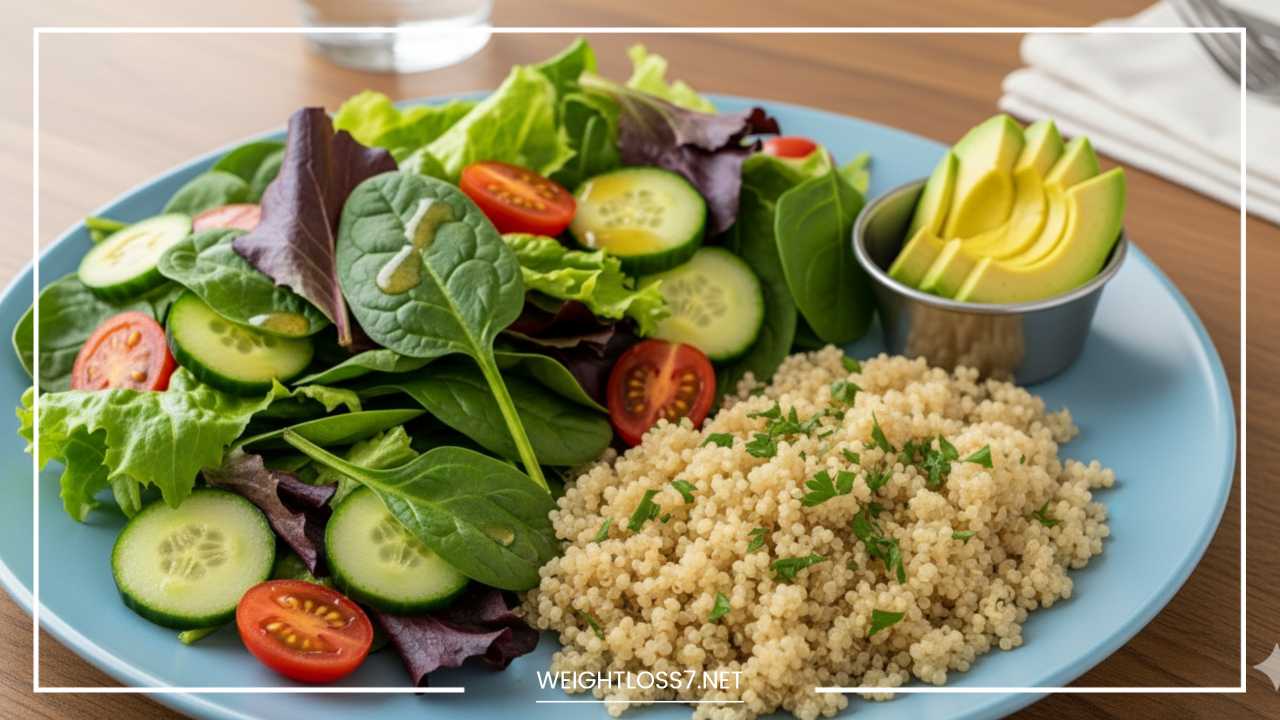
- Option 1: A large mixed green salad with a variety of colorful vegetables (bell peppers, carrots, cherry tomatoes, cucumbers), topped with a generous serving of chickpeas or black beans, and a light olive oil and lemon dressing.
- Option 2: Lentil soup or a hearty vegetable and barley soup, served with a small piece of whole-grain bread.
- Option 3: Quinoa bowl with roasted vegetables (broccoli, sweet potato, zucchini) and a serving of baked tofu or tempeh, seasoned with herbs and spices.
Dinner Ideas:
- Option 1: Brown rice stir-fry with a colorful array of vegetables (snap peas, mushrooms, carrots, bok choy) and a substantial portion of edamame or pan-fried tofu, seasoned with low-sodium soy sauce or tamari.
- Option 2: Baked sweet potato topped with black beans, corn, salsa, and a dollop of plain Greek yogurt or avocado.
- Option 3: Whole wheat pasta with a homemade tomato sauce packed with vegetables like spinach, mushrooms, and zucchini, and a side of steamed green beans.
Snack Ideas:
- A piece of fruit (apple, pear, orange)
- A small handful of almonds or walnuts
- A cup of plain Greek yogurt
- Vegetable sticks (carrots, celery, bell peppers) with hummus
- A small bowl of berries
- A rice cake with a thin spread of avocado
When creating your meal plan, remember to emphasize variety to ensure you get a wide range of nutrients and to keep your palate engaged. Experiment with different spices and cooking methods (baking, steaming, grilling) to maintain interest and make healthy eating an enjoyable part of your daily routine.
Exercise and Weight Loss
While diet is undeniably the cornerstone of weight loss, exercise acts as a powerful complement, amplifying your efforts and contributing to overall health. Incorporating physical activity into your routine not only helps burn additional calories, creating a larger caloric deficit, but also offers numerous other benefits crucial for a successful weight loss journey.
Exercise, particularly strength training, helps build and preserve muscle mass. Muscle tissue is more metabolically active than fat tissue, meaning it burns more calories even at rest. This can significantly boost your basal metabolic rate, making it easier to maintain weight loss in the long run. Beyond calorie burning, physical activity improves cardiovascular health, boosts mood, reduces stress, and enhances sleep quality—all factors that indirectly support weight loss by reducing emotional eating and improving energy levels for making healthier choices.
You don’t need to commit to grueling workouts to see results. Even simple, consistent activities can make a big difference:
- Walking: A brisk 30-60 minute walk daily is an excellent way to burn calories, improve cardiovascular health, and clear your mind.
- Yoga: Enhances flexibility, strength, and mindfulness, which can reduce stress and help with mindful eating.
- Home Workouts: Many free resources online offer guided bodyweight exercises that you can do without any equipment. Focus on exercises that engage large muscle groups.
The key is to find activities you enjoy and can stick with consistently. Combining a smart diet with regular physical activity creates a powerful synergy, propelling you towards your weight loss goals more effectively and sustainably.
Tips for Staying on Track
Losing weight in a month is an excellent start, but the real challenge often lies in maintaining momentum. Here are practical strategies to help you stay motivated and navigate common hurdles:
- Set Realistic Goals: Aim for a healthy and sustainable weight loss of 1-2 pounds per week. This prevents burnout and discourages extreme behaviors. Celebrate small victories along the way, like sticking to your meal plan for a week or trying a new healthy recipe.
- Track Your Progress: This could involve weighing yourself weekly, taking measurements, or simply noting how your clothes fit. Seeing tangible results, no matter how small, can be incredibly motivating. Consider a food journal to track what you eat; it can reveal patterns and areas for improvement.
- Reward Small Wins: Instead of food-based rewards, celebrate with non-food treats like a new book, a relaxing bath, or a new piece of workout gear.
- Overcoming Cravings: Cravings are often temporary. Distract yourself with an activity, drink a glass of water, or try a small, healthy snack if you’re truly hungry. Identify your craving triggers and develop strategies to address them.
- Manage Emotional Eating: Recognize if you’re eating due to stress, boredom, or sadness. Find alternative coping mechanisms like calling a friend, going for a walk, or engaging in a hobby.
- Handling Social Events and Eating Out: Don’t let social occasions derail your progress. Look at menus online beforehand to make informed choices. Opt for steamed or grilled options, ask for dressings on the side, and don’t be afraid to ask for smaller portions or take half your meal home. Remember that one meal won’t ruin your progress, but consistent overindulgence will.
- Meal Prep: Dedicate time each week to prepare healthy meals and snacks in advance. This ensures you have nutritious options readily available, reducing the temptation to grab unhealthy convenience foods when you’re busy or tired.
Consistency is more important than perfection. If you have an off day, don’t let it derail your entire journey. Acknowledge it, learn from it, and get back on track with your next meal.
Common Mistakes to Avoid
While the path to weight loss can seem straightforward, many common pitfalls can hinder your progress. Being aware of these mistakes can help you navigate your journey more effectively:
- Extreme Calorie Restriction: Severely cutting calories might lead to rapid initial weight loss, but it’s unsustainable and often leads to nutrient deficiencies, muscle loss, and a slower metabolism. Your body interprets extreme restriction as starvation, prompting it to hold onto fat stores.
- Skipping Meals: This can backfire by leading to excessive hunger later in the day, resulting in overeating and poor food choices. Regular, balanced meals help keep your metabolism steady and hunger at bay.
- Falling for Fad Diets: Be wary of diets promising miraculous results with little effort. These often involve strict rules, eliminate entire food groups, and are rarely sustainable in the long term. They can also create an unhealthy relationship with food.
- Ignoring Portion Sizes (Even for Healthy Foods): While healthy foods are encouraged, they still contain calories. Overeating healthy fats or grains, for example, can prevent a caloric deficit.
- Not Drinking Enough Water: As discussed, dehydration can slow metabolism and be mistaken for hunger.
- Lack of Sleep: Insufficient sleep can disrupt hormones that regulate appetite (ghrelin and leptin), leading to increased hunger and cravings for unhealthy foods. Aim for 7-9 hours of quality sleep.
- Underestimating Hidden Calories: Sweetened beverages, excessive use of cooking oils, and condiments can add significant, often unnoticed, calories to your daily intake.
- Over-relying on “Diet” or “Low-Fat” Products: These products often compensate for reduced fat with added sugars, artificial sweeteners, and unhealthy additives that can hinder weight loss and overall health. Focus on whole, unprocessed foods instead.
- Perfectionism Over Consistency: Don’t let one slip-up derail your entire plan. Weight loss is a journey with ups and downs. Focus on consistency over absolute perfection.
By recognizing and avoiding these common mistakes, you can create a more realistic, sustainable, and ultimately successful weight loss strategy.
Final Thoughts
Losing weight in a month is an achievable goal, but it’s more than just a sprint; it’s the beginning of a marathon toward a healthier lifestyle. By focusing on whole, unprocessed foods, understanding the roles of macronutrients, practicing portion control and mindful eating, and prioritizing hydration, you can create a sustainable path to weight loss.
Remember that diet is the primary driver, but complementary exercise will amplify your results and improve overall well-being. The key lies in making small, consistent changes that you can realistically maintain. Avoid the pitfalls of extreme restrictions and fad diets, and instead, embrace a balanced approach that nourishes your body and supports your long-term health. Your journey to a healthier you starts with intentional food choices and unwavering consistency.