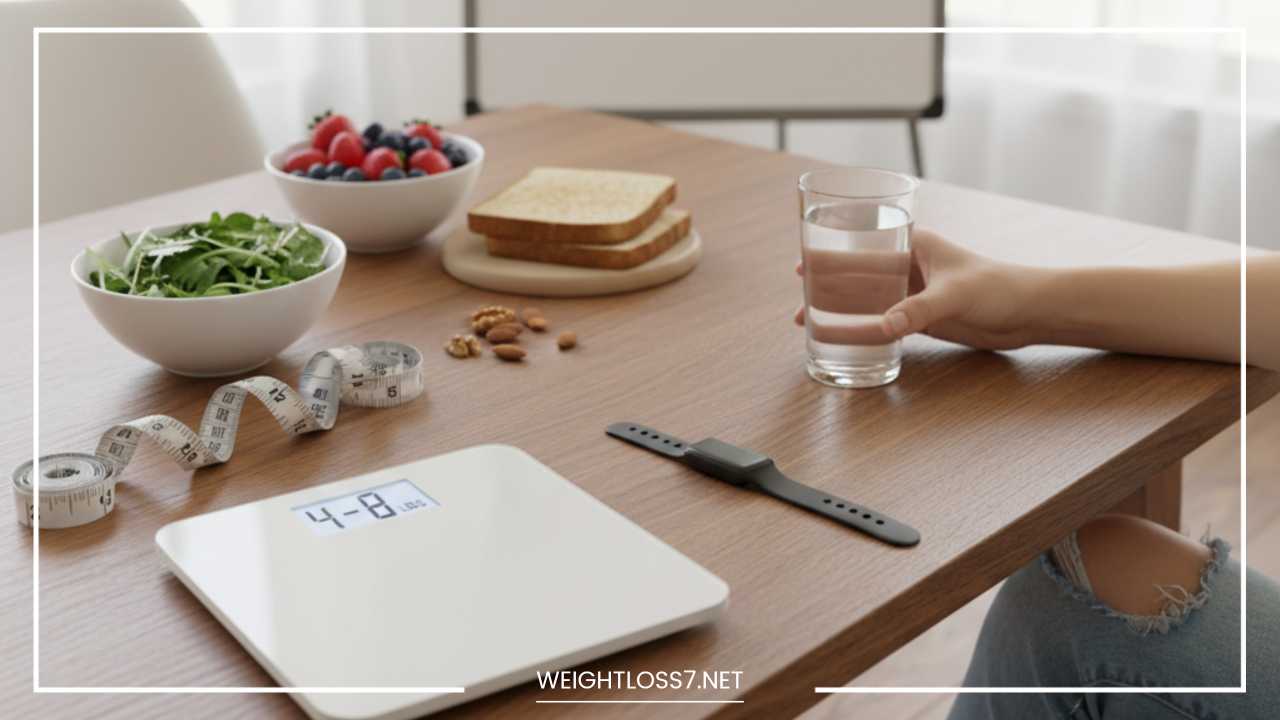
Lose Weight in 1 Month

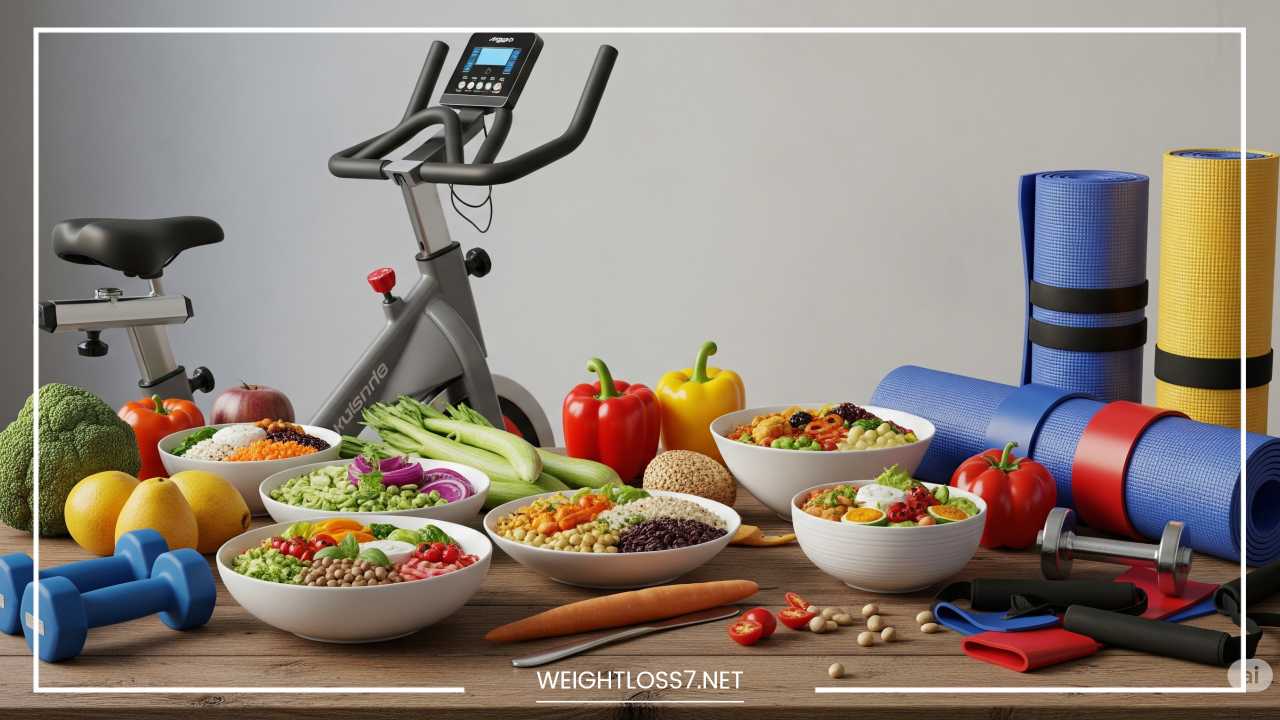
Lose Weight in 1 Month – Safe, Plant-Based Weight Loss Plan
Losing weight can feel like a daunting task, a journey fraught with conflicting advice and seemingly insurmountable challenges. However, with a focused approach, a month can be a realistic timeframe to kickstart significant, visible changes and set the foundation for a healthier lifestyle. This article isn’t about crash diets or extreme measures; it’s about embracing a sustainable, plant-based approach to weight loss that prioritizes your overall well-being. By the end of these 30 days, you’ll not only see a difference on the scale but also feel more energized, vibrant, and in tune with your body.
Understanding Weight Loss: Beyond the Scale
At its core, weight loss is a simple equation: you need to consume fewer calories than your body burns. This creates a “calorie deficit,” prompting your body to tap into stored fat for energy. However, the process is more nuanced than just counting numbers. Your metabolism, the rate at which your body converts food into energy, plays a crucial role. Factors like your muscle mass, age, and activity level all influence your metabolic rate.
It’s vital to debunk common weight loss myths. Starving yourself, for instance, is counterproductive. While it might lead to initial rapid weight loss, much of it will be water weight and muscle mass, not fat. This can slow down your metabolism in the long run, making sustained weight loss harder. The goal is gradual, sustainable fat loss, which preserves muscle mass and ensures your body remains a calorie-burning machine. Thermogenesis, the heat your body produces through metabolic processes, also contributes to calorie expenditure. Certain foods, particularly those rich in protein and fiber, can slightly boost this process.
Nutrition First: Building a Plant-Based Weight Loss Diet
The cornerstone of effective and healthy weight loss, especially within a plant-based framework, is focusing on whole, minimally processed foods. These foods are naturally lower in calories, higher in nutrients, and packed with fiber, which promotes satiety and aids digestion.
Let’s break down the macronutrients within a plant-based context:
- Carbohydrates: Don’t shy away from carbohydrates! The key is choosing the right kind. Focus on whole grains like oats, quinoa, brown rice, and whole-wheat bread. These provide sustained energy, essential fiber, and a host of vitamins and minerals. Legumes, such as lentils, black beans, kidney beans, and chickpeas, are also excellent carb sources, offering a powerful combination of complex carbohydrates and protein. Fruits, while containing natural sugars, are rich in fiber, vitamins, and antioxidants and should be included in moderation.
- Proteins: A common misconception about plant-based diets is a lack of protein. This couldn’t be further from the truth. Lentils, tofu, tempeh, chickpeas, black beans, edamame, and various nuts and and seeds (like almonds, walnuts, chia seeds, and flax seeds) are all fantastic sources of plant-based protein. Protein is crucial for building and repairing tissues, and it also promotes satiety, helping you feel fuller for longer.
- Healthy Fats: Fats are essential for hormone production, nutrient absorption, and overall health. Opt for healthy, unsaturated fats found in avocados, olive oil, nuts, and seeds. While beneficial, fats are calorie-dense, so portion control is important.
Meal Prep Tips: Planning is your superpower for successful plant-based weight loss. Dedicate a few hours each week to meal prepping. Cook larger batches of grains (quinoa, brown rice), roast a tray of vegetables, and prepare a big pot of lentils or bean chili. This ensures you always have healthy, ready-to-eat options, reducing the likelihood of reaching for unhealthy convenience foods.
Sample 1-Day Meal Plan:
- Breakfast (7:00 AM): Overnight oats made with rolled oats, plant-based milk (almond or soy), a tablespoon of chia seeds, and a handful of berries.
- Mid-Morning Snack (10:00 AM): A small apple with a tablespoon of almond butter.
- Lunch (1:00 PM): Large salad with mixed greens, roasted chickpeas, cucumber, bell peppers, cherry tomatoes, and a light lemon-tahini dressing.
- Afternoon Snack (4:00 PM): A handful of unsalted walnuts and a small orange.
- Dinner (7:00 PM): Lentil soup with a side of steamed broccoli and a small portion of quinoa.
Portion Control Strategies: Even with healthy foods, portion sizes matter. Use smaller plates, listen to your body’s hunger and fullness cues (mindful eating), and measure out calorie-dense foods like nuts, seeds, and oils initially until you get a good sense of appropriate portions. Focus on filling half your plate with non-starchy vegetables.
Foods to Embrace and Avoid
Making smart food choices is paramount for a successful 30-day weight loss journey.
✅ To Embrace:
- Leafy Greens: Spinach, kale, collard greens, lettuce – load up on these! They are incredibly low in calories, high in fiber, and packed with vitamins and minerals.
- Whole Grains: As mentioned, oats, quinoa, brown rice, farro, and whole-wheat bread provide sustained energy and fiber.
- Fiber-Rich Foods: Beyond whole grains and leafy greens, incorporate a variety of vegetables (broccoli, cauliflower, carrots, bell peppers), fruits (berries, apples, pears), and legumes. Fiber is your best friend for satiety and digestive health.
- Legumes: Lentils, beans (black, kidney, pinto), chickpeas, and peas are excellent sources of plant-based protein and fiber.
- Nuts and Seeds: In moderation, these provide healthy fats, protein, and fiber. Think almonds, walnuts, chia seeds, flax seeds, and pumpkin seeds.
❌ To Limit/Avoid:
- Sugary Snacks and Beverages: Sodas, fruit juices (even 100% juice can be high in sugar without the fiber), candy, pastries, and sweetened cereals are major culprits for empty calories and sugar crashes.
- Processed Foods: Packaged snacks, frozen meals high in sodium and unhealthy fats, and refined grains offer little nutritional value and can derail your progress.
- Fried Foods: French fries, fried vegetable pakoras, and other deep-fried items are loaded with unhealthy fats and calories.
- High-Calorie “Health” Traps: While seemingly healthy, be mindful of excessive amounts of dried fruit (high sugar), granola (can be high in added sugars and fats), and large portions of nut butters. Check labels carefully.
Importance of Hydration: Water is often overlooked but crucial for weight loss. It helps with metabolism, aids digestion, and can help you feel full. Aim for at least 8-10 glasses of water daily. Herbal teas are also excellent choices and can help curb cravings.
Exercise for Weight Loss
While nutrition is about 80% of the weight loss equation, physical activity plays a vital role in accelerating fat burning, building muscle (which boosts metabolism), and significantly improving your mood and energy levels. The key is to find activities you enjoy and can stick with consistently.
Mix of Activities:
- Cardio (Aerobic Exercise): This is excellent for burning calories and improving cardiovascular health. Aim for at least 150 minutes of moderate-intensity cardio per week, or 75 minutes of vigorous-intensity cardio.
- Walking: An accessible and effective starting point. Aim for brisk walks.
- Jogging/Running: Gradually increase your pace and duration.
- Swimming: A full-body, low-impact workout.
- Dancing: A fun way to get your heart rate up.
- Cycling: Outdoors or on a stationary bike.
- Strength Training: Don’t skip this! Building muscle mass is crucial because muscle burns more calories at rest than fat. You don’t need a gym; bodyweight exercises are incredibly effective. Aim for 2-3 sessions per week.
- Bodyweight Exercises: Squats, lunges, push-ups (on knees or full), planks, glute bridges, triceps dips.
- Resistance Bands: Offer versatile and portable resistance for various exercises.
- Flexibility/Mindfulness: These help with recovery, reduce stress, and improve body awareness.
- Yoga: Improves strength, flexibility, balance, and promotes relaxation.
- Stretching: Important before and after workouts to prevent injury and improve range of motion.
Weekly Workout Plan Example for Beginners:
- Monday: 30-40 minutes brisk walking or light jogging.
- Tuesday: 20-30 minutes bodyweight strength training (e.g., 3 sets of 10-12 reps: squats, lunges, push-ups, plank).
- Wednesday: 30 minutes active recovery (e.g., gentle yoga, leisurely walk).
- Thursday: 30-40 minutes brisk walking or light jogging.
- Friday: 20-30 minutes bodyweight strength training.
- Saturday: 45-60 minutes moderate-intensity cardio (e.g., cycling, swimming, longer walk).
- Sunday: Rest or light stretching.
Remember to warm up for 5-10 minutes before each workout and cool down with 5-10 minutes of stretching afterwards. Listen to your body and gradually increase intensity and duration as you get stronger.
Lifestyle Habits That Accelerate Weight Loss
Beyond diet and exercise, several lifestyle factors significantly impact your weight loss journey.
- Sleep and its Impact on Appetite Hormones: Adequate sleep is non-negotiable. When you’re sleep-deprived, your body produces more ghrelin (the hunger hormone) and less leptin (the satiety hormone). This makes you feel hungrier and less satisfied, often leading to increased calorie intake and cravings for unhealthy foods. Aim for 7-9 hours of quality sleep per night.
- Stress Management (Cortisol & Weight Gain Link): Chronic stress elevates cortisol levels. High cortisol can increase appetite, promote cravings for sugary and fatty foods, and encourage fat storage, particularly around the abdominal area. Incorporate stress-reducing activities into your daily routine: meditation, deep breathing exercises, spending time in nature, listening to calming music, or engaging in hobbies you enjoy.
- Mindful Eating and Avoiding Late-Night Snacking: Pay attention to your food. Eat slowly, savor each bite, and truly taste your meals. This helps you recognize your body’s hunger and fullness cues. Avoiding late-night snacking, especially within 2-3 hours of bedtime, gives your digestive system a break and prevents unnecessary calorie intake. If you must snack, choose something light like a few berries or a small handful of nuts.
- Journaling or Tracking Progress (Non-Scale Wins): While the scale can be a useful tool, don’t let it be your only measure of success. Keep a food and exercise journal to track your intake and activity. This helps you identify patterns and areas for improvement. Also, celebrate “non-scale wins” – increased energy, better sleep, clothes fitting looser, improved mood, stronger workouts. These are powerful motivators!
Common Mistakes and How to Avoid Them
Even with the best intentions, pitfalls can derail your progress. Being aware of them helps you navigate your journey more effectively.
- Unrealistic Expectations: Losing 10-15 kg in a month is not only unrealistic but also unhealthy. A healthy and sustainable weight loss rate is typically 0.5 to 1 kg per week. Set achievable goals to avoid discouragement. Focus on consistency over perfection.
- Over-Restriction or Binge Cycles: Severely restricting calories or entire food groups often leads to intense cravings and eventually, binge eating. This creates a vicious cycle of deprivation and overconsumption. The plant-based approach emphasizes abundance and variety, making it less likely to feel deprived.
- Skipping Meals or Relying on Processed “Diet” Foods: Skipping meals can slow your metabolism and lead to extreme hunger, making you overeat later. Processed “diet” foods are often laden with artificial sweeteners, unhealthy additives, and can still be high in calories, offering little nutritional value. Focus on whole, natural foods instead.
- Not Adjusting for Plateaus: At some point, your weight loss might slow down or stop, known as a plateau. This is normal as your body adapts. When this happens, reassess your calorie intake and exercise routine. You might need to slightly reduce calories or increase the intensity/duration of your workouts. Staying consistent and patient is key.
One-Month Plant-Based Weight Loss Plan (Sample Schedule)
This sample schedule provides a general framework. Listen to your body and adjust as needed.
Week 1: Foundations and Detox
- Goal: Eliminate sugary drinks, processed foods, and unhealthy snacks. Focus on hydration and incorporating more whole, plant-based foods into every meal. Start a consistent walking routine.
- Diet: Emphasis on fresh fruits, vegetables, whole grains, and legumes. Aim for three balanced meals a day.
- Exercise: Daily 30-minute brisk walk. Introduce 2-3 sessions of light bodyweight exercises.
- Mindset: Begin a food and exercise journal. Prioritize getting 7-8 hours of sleep.
Week 2: Increasing Activity and Balancing Meals
- Goal: Increase the intensity or duration of your walks. Refine your meal portions and ensure a good balance of protein, complex carbs, and healthy fats at each meal.
- Diet: Experiment with new plant-based recipes. Ensure adequate protein intake (lentils, tofu, beans).
- Exercise: Increase walks to 40-45 minutes or incorporate light jogging. Continue with 2-3 strength training sessions, gradually increasing reps or sets.
- Mindset: Focus on mindful eating. Practice stress-reduction techniques (e.g., 10 minutes of meditation daily).
Week 3: Tweak and Tune-Up
- Goal: Assess progress. If plateaus, slightly adjust calorie intake or increase workout intensity. Focus on consistency and avoiding temptations.
- Diet: Review your food journal to identify any hidden calorie sources or areas for improvement. Ensure you’re meeting your hydration goals.
- Exercise: Consider adding an extra cardio session or increasing the intensity of existing workouts. If comfortable, explore new forms of exercise like swimming or cycling.
- Mindset: Celebrate non-scale wins! Continue journaling. Reinforce positive habits.
Week 4: Sustain and Prep for Long-Term Changes
- Goal: Solidify healthy habits for the long term. Reflect on your journey and plan for continued progress beyond the 30 days.
- Diet: Continue consistent, healthy plant-based eating. Experiment with new ingredients or recipes to keep things interesting.
- Exercise: Maintain your active routine. Consider setting new fitness goals for the next month.
- Mindset: Plan how to handle social situations and potential setbacks. Focus on maintaining a positive relationship with food and your body.
How to Measure Progress:
- Body Measurements: Take measurements of your waist, hips, thighs, and arms at the beginning and end of the month.
- Clothing Fit: Notice how your clothes feel. Are they looser?
- Energy Levels: Are you feeling more energized throughout the day?
- Mood: Is your mood more stable and positive?
- Sleep Quality: Are you sleeping more soundly?
- Photos: Take progress photos (front, side, back) in similar lighting and clothing at the start and end of the month. The camera doesn’t lie!
Final Thoughts & Motivation to Keep Going
Embarking on a “Lose Weight in 1 Month” journey with a plant-based focus is a powerful step towards a healthier, more vibrant you. Remember, this isn’t just about shedding pounds; it’s about a fundamental mindset shift – transforming your relationship with food, embracing physical activity, and nurturing your overall well-being. This 30-day period is merely the beginning of a lifelong commitment to your health.
Celebrate every small win along the way – the extra 10 minutes you walked, the healthier meal you prepared instead of ordering takeout, the good night’s sleep you prioritized. These small, consistent actions compound into significant results. Even if you don’t reach your “ideal” weight in one month, the habits you cultivate and the energy you gain will propel you forward. Embrace this journey with patience, consistency, and self-compassion. Your body will thank you for it, and you’ll discover a renewed sense of vitality that extends far beyond the scale.
Frequently Asked Questions (FAQs)
Q: Will I feel hungry on a plant-based diet for weight loss?
A: Not necessarily! Plant-based foods, especially whole grains, legumes, fruits, and vegetables, are rich in fiber and water, which are incredibly satiating. You’ll likely feel fuller for longer compared to processed foods, even on fewer calories.
Q: Do I need to take any supplements on a plant-based diet for weight loss?
A: While a well-planned plant-based diet can be nutritionally complete, certain supplements are often recommended:
Vitamin B12: Crucial for nerve function and energy, B12 is not naturally found in plants. A daily supplement is highly recommended.
Vitamin D: Especially if you have limited sun exposure, a Vitamin D supplement (D2 or plant-based D3) is beneficial for bone health and immunity.
Omega-3 (from Algae): While flaxseeds and chia seeds provide ALA omega-3s, converting them to EPA and DHA (the active forms) can be inefficient. An algae-based Omega-3 supplement ensures adequate intake of these essential fatty acids, important for brain and heart health.
Iron: While many plant foods contain iron, absorption can be enhanced by pairing them with Vitamin C-rich foods. If you have concerns, a doctor can recommend testing.
Q: Can I drink coffee or tea?
A: Yes, unsweetened coffee and tea are generally fine. Limit added sugars and high-calorie creamers. Green tea, in particular, contains compounds that may slightly boost metabolism.
Q: What if I have a bad day and overeat?
A: Don’t let one bad day derail your entire progress. Acknowledge it, learn from it, and get back on track with your next meal. Don’t punish yourself or give up. Consistency over perfection is key.
Q: Is it safe to lose weight rapidly in a month?
A: Healthy weight loss is typically 0.5 to 1 kg per week. While some people might lose more initially due to water weight, aiming for extreme rapid loss can be unhealthy and unsustainable. Focus on building sustainable habits.
Data Points and Quotes:
- “The average person needs to create a deficit of 3,500 calories to lose one pound of fat.”
- “Studies show that plant-based diets are highly effective for weight loss and maintenance, often leading to greater weight loss compared to omnivorous diets.”
- “Sleep deprivation can decrease leptin levels by 18% and increase ghrelin levels by 28%, leading to a significant increase in appetite.”