
How Much Weight Should One Lose in a Month

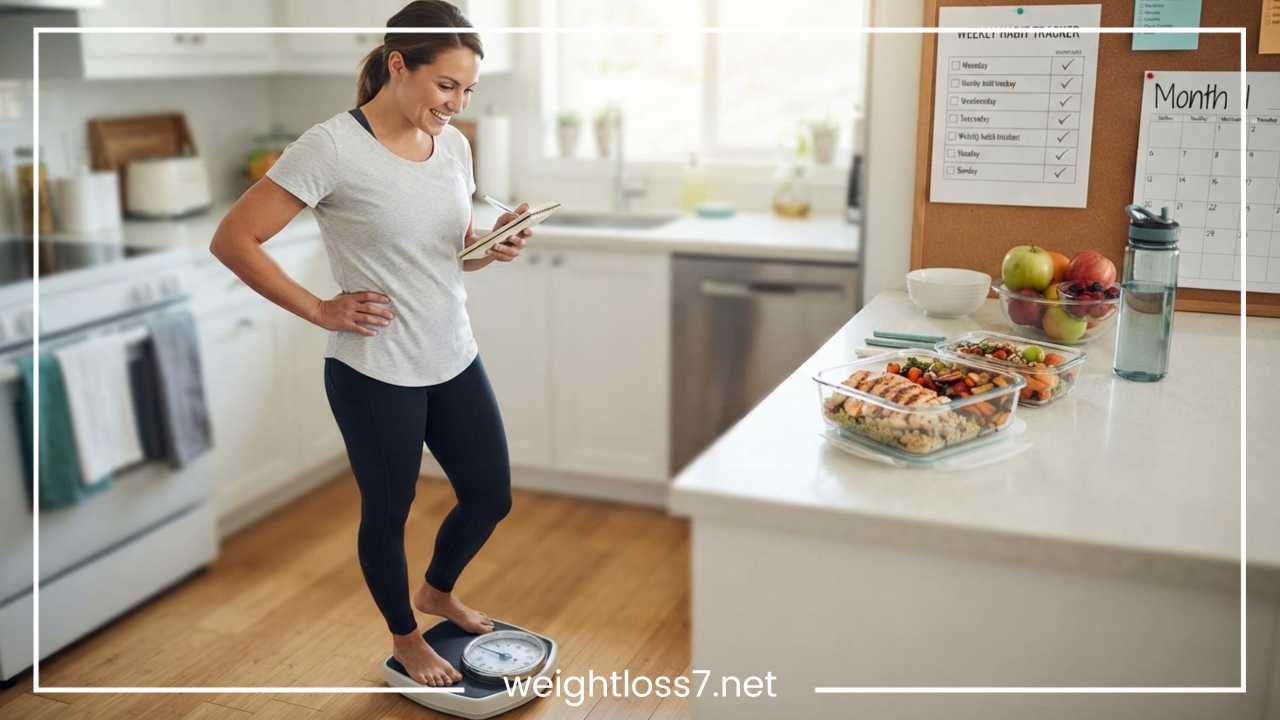
How Much Weight Should One Lose in a Month?
Setting a monthly weight-loss target is one of the most common ways people organize a health or fitness journey. A thirty-day timeframe feels concrete, manageable, and long enough to see genuine physical changes without feeling overwhelmed by distant milestones. However, choosing an unrealistic target often leads to extreme dieting, rapid burnout, and weight regain. For most adults, public health organizations such as the Centers for Disease Control and Prevention (CDC) and the National Health Service (NHS) recommend aiming for a gradual loss of 1 to 2 pounds (0.45 to 0.9 kilograms) per week. Over a four-week month, this translates to 4 to 8 pounds (approximately 1.8 to 3.6 kilograms). While this range serves as a reliable benchmark for safe and sustainable weight loss, the exact amount any individual should lose depends heavily on starting body weight, metabolic health, daily habits, and overall lifestyle.
How Much Weight Should One Lose in a Month?
Understanding how much weight you can lose in a month starts with breaking down weekly expectations into practical, everyday progress. Losing 4 to 8 pounds (1.8 to 3.6 kilograms) over thirty days means reducing your body weight by roughly 1 pound (0.45 kg) every three to seven days. In practical terms, if your goal is to lose 2 kilograms (about 4.4 pounds) in a month, you are aiming for half a kilogram per week. If your goal is 3.5 kilograms (about 7.7 pounds), you are looking at nearly 0.9 kilograms each week. These steady increments allow your body to burn stored adipose tissue rather than breaking down essential muscle or depleting vital fluids.
A common misconception in weight management is that losing more weight in a shorter timeframe produces better long-term outcomes. Crash diets, extreme fasting, and severe calorie restriction can certainly push the scale down by 12 to 15 pounds (5.4 to 6.8 kg) in thirty days, but that rapid drop rarely reflects pure fat loss. When you lose weight too quickly, a large percentage of the lost mass comes from water, stored glycogen, and lean skeletal muscle. Losing muscle tissue lowers your resting metabolic rate, making it significantly harder to keep the weight off once normal eating resumes. Rapid weight loss also increases the risk of gallstones, nutrient deficiencies, fatigue, and hormonal disruptions.
Furthermore, healthy monthly weight loss is not uniform across all body types. Medical guidelines from the National Institute of Diabetes and Digestive and Kidney Diseases (NIDDK) emphasize that individual targets should align with starting weight and underlying health status. Someone starting with a higher body mass index (BMI) may safely lose closer to 8 pounds (3.6 kg) or slightly more per month during the early stages, whereas a person who is already close to a healthy weight range may find that losing 2 to 4 pounds (0.9 to 1.8 kg) per month is far more realistic and sustainable.
What Is Considered a Healthy Amount of Weight Loss Per Month?
A healthy amount of weight loss per month is defined not merely by a number on a bathroom scale, but by the quality of the tissue you lose and how well your body adapts to the process. The primary distinction every dieter needs to understand is the difference between weight loss and fat loss. Total body weight includes body fat, muscle tissue, bone mass, organs, water, and undigested food. Healthy weight management focuses on maximizing fat loss while preserving lean muscle mass.
Achieving steady fat loss requires a moderate calorie deficit—consuming slightly fewer calories than your body expends each day. When the deficit is moderate, your body taps into stored triglycerides within fat cells to bridge the energy gap without triggering severe metabolic stress or excessive muscle breakdown. Conversely, aggressive deficits force the body to scavenge amino acids from muscle tissue for energy, resulting in a softer, weaker physique even at a lower body weight.
Body composition plays a decisive role in how monthly progress looks and feels. Two individuals can both lose 5 pounds (2.25 kg) in thirty days, yet experience completely different physical transformations. A person who combines sensible nutrition with resistance training may lose 6 pounds of fat while gaining 1 pound of lean muscle, resulting in a noticeable reduction in waist circumference and improved physical strength. Another person relying solely on starvation might lose 3 pounds of fat and 2 pounds of muscle, ending the month feeling exhausted with minimal change in clothing fit. Because daily body weight fluctuates due to hydration, digestion, and hormones, maintaining consistent healthy habits matters far more than hitting an exact numeric target every single month.
Factors That Affect How Much Weight You Can Lose in a Month
Even when two people follow the exact same meal plan and exercise routine, their monthly weight-loss results will rarely match. Several biological, lifestyle, and medical variables govern how quickly your body sheds weight.
| Factor | Primary Influence on Monthly Weight Loss | Practical Impact |
| Starting Body Weight | Higher total mass requires more energy to move and maintain | Larger individuals burn more calories at rest and often lose weight faster initially |
| Age | Gradual decline in lean muscle mass and hormonal shifts | Older adults typically have lower daily calorie requirements than younger adults |
| Biological Sex | Differences in natural muscle-to-fat ratios and hormones | Men generally carry more muscle mass and burn slightly more calories at rest than women |
| Metabolism | Genetic and adaptive differences in resting energy expenditure | Variations in thyroid function and cellular efficiency alter daily calorie burn |
| Physical Activity | Structured workouts plus non-exercise daily movement | Higher daily step counts and active routines expand the total calorie deficit |
| Dietary Habits | Macronutrient balance, fiber intake, and portion consistency | Protein-rich, whole-food diets improve satiety and reduce accidental overeating |
| Sleep and Stress | Regulation of hunger hormones (ghrelin, leptin) and cortisol | Poor sleep and chronic stress increase cravings and encourage water retention |
| Medical Factors | Underlying conditions and prescription medications | Conditions like hypothyroidism or PCOS, and certain drugs, can slow fat loss |
Starting body weight is one of the strongest predictors of early monthly progress. Carrying extra weight requires more energy for basic cellular maintenance and everyday movement. Consequently, a person weighing 240 pounds (109 kg) burns significantly more calories at rest than someone weighing 150 pounds (68 kg), allowing the heavier individual to create a larger calorie deficit without eating dangerously small amounts of food.
Age, biological sex, and body composition also shape your baseline energy expenditure. As adults age, they naturally experience a gradual loss of muscle mass—a process known as sarcopenia—unless they actively perform resistance exercise. Because muscle tissue is metabolically active, having less of it lowers your daily calorie burn. Similarly, men typically have higher testosterone levels and greater muscle density than women of comparable height and weight, giving men a slightly higher resting metabolic rate.
Metabolism and physical activity determine the “calories out” side of the energy balance equation. Beyond genetics, total energy expenditure depends heavily on both structured workouts and Non-Exercise Activity Thermogenesis (NEAT), which includes walking, standing, fidgeting, and household chores.
Dietary habits, sleep, and stress control the behavioral and hormonal environment. Diets rich in refined sugars and ultra-processed foods make it easy to consume excess calories without feeling full. Meanwhile, sleeping fewer than seven hours per night or dealing with chronic psychological stress elevates cortisol, disrupts leptin and ghrelin signaling, increases appetite for calorie-dense foods, and causes temporary water retention that masks fat loss.
Finally, medical conditions and medications can significantly alter monthly expectations. Endocrine disorders such as hypothyroidism, polycystic ovary syndrome (PCOS), and insulin resistance can reduce metabolic efficiency. Additionally, medications including certain antidepressants, corticosteroids, beta-blockers, and insulin therapies may promote weight gain or slow fat mobilization, making medical guidance essential when setting realistic targets.
How Many Calories Should You Cut to Lose Weight in a Month?
To lose weight over a thirty-day period, you must establish a consistent calorie deficit, meaning your total energy intake from food and beverages is lower than the total energy your body burns through basic physiological functions and physical movement. When this energy gap exists, your body oxidizes stored body fat to supply the missing fuel.
A widely cited guideline in nutrition science suggests that 1 pound (0.45 kg) of body fat stores roughly 3,500 calories of energy. Following this arithmetic, creating a daily deficit of 500 calories results in a weekly deficit of 3,500 calories, yielding about 1 pound (0.45 kg) of weight loss per week—or 4 pounds (1.8 kg) in a month. Doubling that deficit to 1,000 calories per day theoretically produces 2 pounds (0.9 kg) of loss per week, or 8 pounds (3.6 kg) per month.
While the 3,500-calorie rule serves as a helpful rough estimate for planning, human physiology is far more dynamic than a simple mathematical formula. As you lose weight, your smaller body requires fewer calories to operate, meaning a deficit that produced rapid loss in week one will naturally produce slightly slower loss by week four. Furthermore, calorie absorption varies depending on food processing, fiber content, and gut microbiome composition.
Because of these biological realities, extreme calorie restriction is counterproductive. Dropping daily intake below 1,200 calories for women or 1,500 calories for men without direct medical supervision frequently triggers intense hunger, fatigue, micronutrient deficiencies, and muscle loss. Rather than slashing calories aggressively, calculate your estimated Total Daily Energy Expenditure (TDEE) based on your age, weight, height, and activity level, and aim for a modest reduction of 15 to 25 percent below maintenance. Prioritizing nutrient density within your calorie budget ensures your body receives adequate vitamins, minerals, essential fatty acids, and amino acids to function smoothly while shedding excess fat.
How to Lose Weight Safely and Effectively in One Month
Sustainable weight loss in thirty days comes down to repeatable daily habits rather than temporary willpower. By combining smart nutritional choices with structured movement and proper recovery, you can steadily lose body fat while keeping energy levels high.
Prioritize adequate protein at every meal. Protein is the most satiating macronutrient, helping curb hunger and prevent late-night snacking. It also has a higher thermic effect of food—meaning your body burns more calories digesting protein than carbohydrates or fats—and protects lean muscle mass while you are in a calorie deficit. Include lean poultry, fish, eggs, Greek yogurt, tofu, lentils, or legumes in every main meal.
Build meals around high-volume, nutrient-dense whole foods. Fill at least half your plate with non-starchy vegetables such as leafy greens, broccoli, bell peppers, cauliflower, and zucchini. Pair these with whole fruits, high-fiber whole grains like oats, quinoa, and brown rice, and moderate portions of healthy fats from olive oil, avocados, nuts, and seeds. Fiber and water add physical volume to your meals, triggering stretch receptors in your stomach that signal fullness to your brain without adding excessive calories.
Reduce ultra-processed foods and liquid calories. Packaged snacks, fast food, pastries, sugary sodas, and sweetened coffee drinks pack large amounts of calories into small portions while offering minimal nutritional value. Replacing sugary beverages with water, sparkling water, or unsweetened tea is one of the fastest ways to create a meaningful calorie deficit without feeling deprived.
Practice mindful portion control. Even nutritious foods like nuts, olive oil, and whole grains can stall weight loss if eaten in oversized portions. Using smaller plates, measuring calorie-dense cooking oils, and eating slowly without screens helps you recognize natural fullness cues before overeating.
Increase daily walking and incidental movement. Formal workouts represent only a small fraction of your week. Aiming for 7,000 to 10,000 steps per day through brisk morning walks, taking the stairs, or walking after meals steadily increases daily energy expenditure without taxing your recovery capacity.
Combine strength training with cardiovascular exercise. Lifting weights or performing bodyweight resistance exercises two to three times per week signals your body to retain muscle while losing fat. Complementing strength sessions with brisk walking, cycling, or swimming boosts cardiovascular health and burns additional calories.
Stay consistently hydrated and protect your sleep. Drinking water throughout the day supports digestion, physical performance, and appetite regulation, as mild dehydration is often mistaken for hunger. Equally important, committing to 7 to 9 hours of quality sleep each night keeps hunger hormones balanced and gives you the mental focus needed to stick to your nutritional plan.
How Much Exercise Do You Need to Lose Weight in a Month?
Physical activity plays a vital role in a thirty-day weight-loss plan, though its primary value extends beyond simply burning calories during a workout session. Understanding how different forms of movement affect your metabolism allows you to structure an efficient weekly routine.
Cardiovascular exercise—such as brisk walking, jogging, cycling, swimming, or rowing—directly increases your heart rate and burns substantial energy during the activity itself. Steady-state cardio improves heart and lung capacity, enhances insulin sensitivity, and helps widen your daily calorie deficit. Accessible activities like brisk walking require no special equipment and place minimal stress on the joints, making them easy to perform daily.
Strength training offers distinct metabolic advantages that cardio alone cannot match. Resistance training using free weights, machines, resistance bands, or bodyweight movements creates microscopic stress in muscle fibers, prompting your body to repair and maintain lean tissue. Preserving muscle keeps your resting metabolic rate elevated so you burn more calories even while sleeping or sitting at a desk.
Public health guidelines from the CDC and World Health Organization recommend that adults accumulate at least 150 to 300 minutes of moderate-intensity aerobic activity (or 75 to 150 minutes of vigorous activity) per week, alongside muscle-strengthening activities on two or more days per week. For example, walking briskly for 35 to 45 minutes five days a week paired with three 30-minute full-body strength workouts easily fulfills these targets.
However, relying solely on exercise without adjusting your diet rarely produces significant monthly weight loss. A 45-minute jog might burn 400 calories, which can be erased in minutes by a single high-calorie pastry or oversized restaurant meal. Furthermore, intense exercise often stimulates compensatory hunger, leading people to unknowingly eat back the calories they burned. Combining moderate dietary adjustments with regular physical activity consistently delivers superior fat loss and better body composition than either strategy alone.
Why You May Lose More Weight in the First Month
Many people experience an encouraging surge on the scale during their first two to four weeks of dieting, sometimes losing 6 to 10 pounds (2.7 to 4.5 kg) in month one before seeing the pace settle down in month two. Understanding the physiology behind this early drop prevents discouragement when progress naturally moderates.
A large portion of rapid first-month weight loss comes from water weight and glycogen depletion rather than pure body fat. Your body stores carbohydrates in your liver and skeletal muscles in the form of glycogen to serve as readily available energy. Every gram of stored glycogen binds to approximately 3 to 4 grams of water. When you reduce your overall calorie intake—especially if you cut back on refined carbohydrates—your body draws upon these stored glycogen reserves for fuel, releasing the bound water to be excreted through urine.
Simultaneously, shifting from processed restaurant and packaged foods to whole, home-cooked meals dramatically lowers your sodium intake. High sodium levels prompt the kidneys to retain extra fluid to maintain electrolyte balance. When sodium drops, your body sheds excess subcutaneous water, quickly reducing bloating and lowering scale weight within days.
Additionally, eating smaller meal portions means there is physically less food and waste moving through your digestive tract at any given moment. Together, reduced gut content, lower water retention, and depleted glycogen can account for 3 to 6 pounds (1.4 to 2.7 kg) of weight loss in the first month on top of actual fat loss. Because your body can only shed excess water and glycogen once, subsequent months rely predominantly on steady fat oxidation. Treating month one as a unique transition phase rather than a permanent baseline keeps your expectations grounded and realistic.
Why Weight Loss May Slow Down or Stop
Hitting a weight-loss plateau—where the scale refuses to budge for two or more weeks despite ongoing effort—is a normal biological response rather than a sign of failure. Recognizing why progress stalls allows you to troubleshoot calmly without resorting to drastic measures.
The primary driver behind slower progress is metabolic adaptation, sometimes called adaptive thermogenesis. As you lose weight and maintain a calorie deficit, your body senses an energy shortage and becomes more economical. Your resting metabolic rate dips slightly beyond what would be expected from weight loss alone, and you may subconsciously reduce small daily movements—such as fidgeting, gesturing, or pacing—causing your daily NEAT to drop without you noticing.
Alongside metabolic adaptation, a smaller body simply burns fewer calories. Moving a body that weighs 10 pounds (4.5 kg) less requires less mechanical energy during every walk, workout, and household task. Consequently, the daily calorie intake that created a 500-calorie deficit during your first month may now sit much closer to your new maintenance level.
Subtle calorie creep also plays a frequent role. Over several weeks, portion sizes often drift upward, extra splashes of cooking oil go unmeasured, or weekend treats become more frequent, quietly erasing your planned deficit. At the same time, water retention and hormonal fluctuations can temporarily mask ongoing fat loss. Starting a new strength-training program causes mild muscle inflammation that holds extra water for recovery, while menstrual cycle shifts, high-sodium meals, or poor sleep can easily add 2 to 4 pounds (0.9 to 1.8 kg) of temporary fluid weight.
When weight loss stalls, avoid immediately slashing your calories further. Instead, track your food intake accurately for one week, ensure you are sleeping well, verify your daily step count, and give your body time to release temporary water weight before making small, measured adjustments.
How to Track Your Monthly Weight-Loss Progress
Because the bathroom scale measures total body mass—including water, food volume, muscle, and fat—relying on a single weigh-in can give a misleading picture of your monthly progress. Using multiple tracking methods provides a clearer, calmer assessment of how your body is changing.
If you choose to weigh yourself, do so under consistent conditions: first thing in the morning after using the restroom, before eating or drinking anything, and wearing minimal or identical clothing. Instead of reacting emotionally to single daily numbers, record your weight several times a week and look at your weekly average. Comparing week one’s average to week four’s average smooths out normal daily fluid spikes and reveals your true downward trend.
In addition to scale weight, take body circumference measurements at the start and end of each month using a flexible tailor’s tape. Measuring your waist at the navel, your hips at their widest point, and your chest or thighs captures fat loss even during weeks when water retention keeps the scale static. Losing an inch off your waist is clear evidence that your body composition is improving.
Progress photographs taken every four weeks in consistent lighting and clothing offer visual proof of subtle changes in posture, muscle definition, and midsection shape that you might miss in the mirror every day. Finally, pay close attention to non-scale indicators such as improved stamina during walks, better sleep quality, steadier afternoon energy, looser-fitting clothes, and increased strength during workouts. These functional improvements confirm that your routine is enhancing your overall health.
Common Weight-Loss Mistakes to Avoid
Well-intentioned efforts to lose weight quickly often backfire when people adopt unsustainable habits. Avoiding several common pitfalls protects both your physical health and your long-term momentum.
-
Skipping meals to save calories: Going too long without eating frequently leads to intense evening hunger, low blood sugar, and overeating later in the day.
-
Following crash diets or extreme fads: Liquid cleanses, ultra-low-calorie plans, and rigid fad diets cause rapid water and muscle loss while setting you up for rebound weight gain.
-
Cutting calories too aggressively: Slashing intake far below your body’s energy needs triggers severe fatigue, hormonal disruption, and strong cravings that derail consistency.
-
Overexercising without adequate recovery: Performing exhausting workouts every day without rest days elevates cortisol, increases injury risk, and causes water retention.
-
Eliminating entire food groups unnecessarily: Unless you have a medical allergy or intolerance, banning all carbohydrates or dietary fats makes your eating plan overly restrictive and difficult to sustain socially.
-
Relying on detox teas or fat-burning supplements: Over-the-counter fat burners and detox drinks offer minimal legitimate fat-loss benefits and often rely on laxatives or high doses of caffeine.
-
Expecting linear weight loss: Natural weight loss fluctuates week to week; expecting the scale to drop by the exact same amount every seven days leads to unnecessary frustration.
-
Comparing your timeline to others: Genetics, starting weight, hormones, and lifestyle vary widely, making comparisons with friends or social media transformations unhelpful.
Setting Realistic Monthly Weight-Loss Goals
Setting an effective monthly weight-loss goal requires balancing ambition with physiological reality. Rather than picking an arbitrary number based on an upcoming event or social pressure, anchor your target to your current body weight and health profile. For most adults, aiming to lose 4 to 8 pounds (1.8 to 3.6 kilograms) per month—or roughly 0.5 to 1 percent of your total body weight per week—provides an ideal blend of visible progress and metabolic safety.
Focus primarily on process goals rather than solely on outcome goals. While you cannot directly force your body to drop an exact number of grams on a specific date, you have complete control over daily behaviors: eating a high-protein breakfast, walking 8,000 steps, drinking two liters of water, preparing home-cooked lunches, and going to bed on time. When you execute your daily process goals consistently, the scale naturally follows over time.
Accept from the outset that weight loss is rarely a smooth downward line. Some months will bring steady, effortless progress, while busy work schedules, travel, or hormonal shifts may slow the pace in other months. Giving yourself permission to progress gradually removes artificial deadlines and shifts your mindset from temporary dieting to permanent lifestyle improvement.
Final Thoughts
Losing 4 to 8 pounds (1.8 to 3.6 kilograms) in a month—equivalent to 1 to 2 pounds (0.45 to 0.9 kilograms) per week—is a realistic, evidence-based target for most adults seeking healthy weight loss. While initial water and glycogen shifts may produce slightly faster scale drops during your first month, steady fat loss requires a moderate calorie deficit supported by whole, nutrient-dense foods, adequate protein, regular walking, and consistent strength training. Prioritizing quality sleep, managing stress, and tracking progress through weekly averages and body measurements ensures you preserve valuable muscle mass while shedding body fat. By focusing on sustainable daily habits rather than rapid, restrictive fixes, you build lasting health and keep the weight off for good.
Frequently Asked Questions
How much weight should you lose in a month to stay healthy?
For most adults, losing 4 to 8 pounds (about 1.8 to 3.6 kg) in a month—which equals 1 to 2 pounds (0.45 to 0.9 kg) per week—is considered a healthy and sustainable pace. This gradual rate supports true body fat loss while helping preserve muscle mass, steady energy levels, and long-term habits.
How many kg can you lose in a month safely without crash dieting?
A safe, non-crash-diet target for most adults is roughly 1.5 to 3.5 kg (about 3.3 to 7.7 pounds) in a month. People starting at a higher body weight or making major improvements to diet and daily movement may see slightly faster progress early on, whereas individuals closer to a healthy weight range often lose closer to 1 to 2 kg a month.
Is it possible to lose 10 pounds in a month safely?
Losing 10 pounds (about 4.5 kg) in a single month is above the standard 1 to 2 pounds per week guideline for most people, though larger initial drops sometimes happen in month one due to water weight, glycogen depletion, and lower sodium intake. Pushing for 10 pounds every month through severe calorie restriction increases the risk of muscle loss, fatigue, nutrient gaps, and rebound weight gain.
Why am I losing weight slowly even in a calorie deficit?
Slow weight loss in a calorie deficit can happen for several reasons:
-
Metabolic adaptation and lower body weight: As your weight drops, your body burns fewer calories at rest and during movement.
-
Unmeasured calories: Cooking oils, dressings, snacks, or larger weekend portions can quietly shrink your deficit.
-
Water retention: High sodium intake, hormonal fluctuations, poor sleep, or new strength workouts can hold extra water and mask fat loss on the scale.
How can I lose weight in 30 days without losing muscle?
To protect lean muscle while losing fat over a 30-day period, focus on a moderate calorie deficit rather than extreme dieting, eat adequate protein across your meals, and include resistance or strength training two to three times a week alongside regular walking and 7 to 9 hours of sleep.