
How Much Weight I Can Lose in a Month

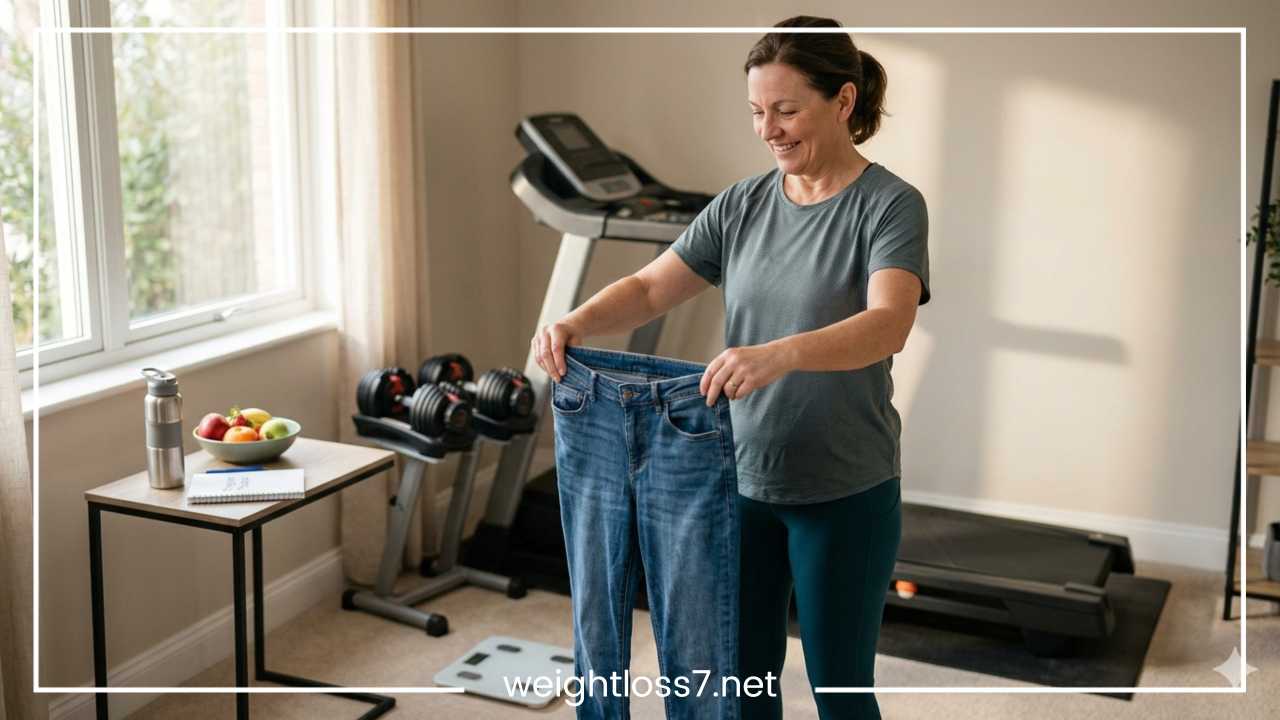
How Much Weight Can You Lose in a Month? Realistic & Safe Guide
Setting Realistic Expectations
The question of how much weight one can lose in a month is perhaps the most frequent inquiry in the world of health and fitness. It is a question born of motivation, urgency, and sometimes frustration. Whether you are preparing for a specific event or have finally decided to prioritize your long-term health, the desire for a timeline is completely natural. We live in a world of instant gratification, where we are often told that radical transformations are just thirty days away. However, the reality of human biology is more nuanced than a catchy marketing slogan.
Understanding the timeline of weight loss requires a balance between ambition and patience. There is a profound difference between rapid weight loss—often achieved through extreme measures—and sustainable weight loss, which focuses on long-term health and the preservation of muscle mass. Rapid weight loss often results in the loss of water and muscle rather than body fat, leading to a “yo-yo” effect where the weight is regained as quickly as it was lost. Sustainable weight loss, on the other hand, involves teaching the body to utilize its energy stores efficiently while maintaining a high quality of life.
In this guide, we will explore what a healthy, realistic range looks like for the average person. While extreme programs might promise ten kilograms or twenty pounds in a month, the clinical and practical consensus points toward a much more moderate figure. By setting realistic expectations now, you protect yourself from the emotional burnout that comes when the scale doesn’t move as fast as a fad diet promised. Success in the first month isn’t just about the number on the scale; it is about establishing the habits that will carry you through the months to come.
What Is a Safe and Realistic Weight Loss Per Month?
When we look at medical guidelines and fitness expertise, the standard recommendation for safe weight loss is approximately 0.5 to 1 kilogram (1 to 2 pounds) per week. When extrapolated over a full month, this translates to a healthy range of 2 to 4 kilograms (about 4 to 8 pounds). While this might seem modest compared to the dramatic “before and after” photos seen online, it is the rate at which the body can comfortably metabolize fat without triggering a starvation response.
Why is faster not necessarily better? The human body is a survival machine. If you drop your caloric intake too low or exercise to the point of exhaustion, your body may interpret this as a period of famine. In response, it can lower its basal metabolic rate (BMR), making it harder to lose weight in the future and easier to gain it back. Furthermore, losing weight too quickly increases the risk of gallstones, nutrient deficiencies, and significant hair thinning.
Individual factors play a massive role in where you land within that 2 to 4 kilogram range. Someone with a significant amount of weight to lose may find that they drop 5 or 6 kilograms in the first month quite easily, whereas someone who is already close to their goal weight might struggle to lose even 2 kilograms. The key is to avoid comparing your “Day 1” to someone else’s “Day 30.” Extreme calorie restriction—eating significantly below your body’s basic needs—might produce a larger number on the scale initially, but it is rarely a victory for body composition or long-term health.
Factors That Affect How Much Weight You Can Lose
No two bodies are identical, and therefore, no two weight loss journeys will look the same. Several variables influence the speed and ease with which you shed weight.
Starting Weight and Body Composition
One of the biggest predictors of monthly weight loss is your starting point. A person carrying 100 kilograms of body weight has a much higher daily energy requirement than someone weighing 60 kilograms. Because their “maintenance calories” are higher, it is easier for them to create a significant calorie deficit without feeling deprived. Consequently, they often see larger drops in the first few weeks. Additionally, body composition matters; muscle tissue is metabolically active, meaning people with more muscle mass burn more calories even at rest.
Metabolism and Genetics
While “metabolism” is often used as an excuse, it is a real biological factor. Some individuals naturally have a higher resting metabolic rate due to genetics, hormonal balance, or thyroid function. Genetics also dictate where your body prefers to store fat and which fat stores it relinquishes first. Some people may lose weight in their face and arms quickly, while the midsection remains stubborn, or vice versa.
Age and Gender
As we age, we naturally lose muscle mass (a process called sarcopenia) and our metabolism tends to slow down. Hormonal shifts, such as those during menopause, can also influence fat distribution and the rate of weight loss. Gender also plays a role; generally, men have more muscle mass and lower essential fat percentages than women, which often allows them to lose weight slightly faster when following the same protocol.
Activity Level
Total Daily Energy Expenditure (TDEE) is comprised of your resting metabolism, the thermic effect of food, and your physical activity. A person who works a desk job and does not exercise will have a much harder time creating a deficit than a person who walks 10,000 steps a day and hits the gym regularly. However, it is important to remember that you cannot “out-run” a poor diet; activity is a supplement to, not a replacement for, nutritional awareness.
Sleep and Stress Levels
Sleep and stress are the “silent” factors of weight loss. Lack of sleep disrupts hunger hormones like ghrelin (which increases appetite) and leptin (which signals fullness). High stress levels lead to elevated cortisol, a hormone that encourages the body to store fat, particularly in the abdominal area. If you are doing everything right with food and exercise but aren’t sleeping, the scale may refuse to budge.
Consistency and Habits
Weight loss is not about what you do on your best day; it is about what you do on your average day. Someone who is 80% consistent throughout the month will see better results than someone who is 100% “perfect” for five days and then gives up for the weekend. Small, sustainable habits—like choosing water over soda or taking the stairs—accumulate over thirty days to create a measurable impact.
Understanding the Science of Weight Loss
At its core, weight loss is governed by the laws of thermodynamics. While the “Calories In vs. Calories Out” (CICO) model is an oversimplification of complex human biology, it remains the fundamental framework for weight management. To lose weight, you must consume fewer calories than your body burns for energy.
A calorie deficit occurs when your body doesn’t get enough energy from food to fuel its activities. To make up the difference, it turns to its internal energy stores. Ideally, we want the body to burn stored adipose tissue (fat). However, the body can also break down glycogen (stored carbohydrates) and muscle tissue for energy. This is why the quality of your diet and the presence of physical activity are so important; they signal to the body that it should preserve muscle and burn fat.
It is also vital to distinguish between fat loss and water weight. A kilogram of body fat contains approximately 7,700 calories of energy. To lose a kilogram of pure fat, you need to create that much of a deficit over time. However, the scale can drop by a kilogram overnight simply due to changes in water retention. Carbohydrates and sodium both cause the body to hold onto water. When people start a diet and reduce these things, they often see a “whoosh” of weight loss that is primarily fluid, not fat. Understanding this prevents the heartbreak that occurs when the “rapid” loss slows down in week two.
The First Month: What Actually Happens
The first month of a weight loss journey is a biological and psychological roller coaster. In the first week, many people see a significant drop in weight—sometimes 2 or 3 kilograms. This is largely due to the depletion of glycogen stores and the subsequent release of the water that was bound to them. While this is encouraging, it is important to realize that this pace will not continue.
By the second and third weeks, the “honeymoon phase” of water weight loss typically ends, and the scale may even stall for a few days as the body recalibrates. This is where most people quit, thinking their “diet has stopped working.” In reality, this is when the actual fat loss begins. This “slow and steady” phase is the most critical part of the process.
During this month, the scale will fluctuate. You might weigh a kilogram more on Tuesday than you did on Monday because of a salty meal, a tough workout (which causes muscle inflammation and water retention), or hormonal cycles. This is why tracking progress beyond the scale is essential. Take photographs, use a tape measure for your waist and hips, and pay attention to your energy levels. If your clothes fit better and you feel stronger, you are moving in the right direction, regardless of what the digital readout says.
Healthy Eating Habits That Support Weight Loss
To achieve a sustainable 2 to 4 kilogram loss in a month, your eating habits must be consistent but not restrictive. Focus on balanced meals that include a variety of whole foods. A plate that consists of complex carbohydrates, healthy fats, and plenty of fiber will keep you satiated longer than processed snacks.
Portion Control
Even healthy foods contain calories. Learning to recognize what a standard serving size looks like is a superpower. You don’t necessarily need to weigh every gram of food, but being mindful of how much you put on your plate—and perhaps using smaller plates—can naturally reduce your caloric intake.
The Power of Fiber
Fiber is a weight-loss secret weapon. Found in vegetables, fruits, legumes, and whole grains, fiber adds bulk to your meals and slows down digestion. This helps you feel full for longer and prevents the blood sugar spikes that lead to cravings. Aiming for a high-fiber intake is one of the easiest ways to manage hunger while in a calorie deficit.
Hydration
Sometimes the brain confuses thirst with hunger. Drinking water throughout the day helps maintain your metabolism and ensures that your kidneys can process waste efficiently. Avoiding liquid calories—such as sugary coffees, sodas, and energy drinks—is often the simplest “tweak” that leads to immediate results.
Mindful Eating
In our busy world, we often eat while distracted by screens. This leads to overeating because we miss the body’s subtle “I’m full” signals. Practicing mindful eating—chewing slowly, savoring flavors, and stopping when you are satisfied rather than stuffed—can significantly impact your monthly total.
Exercise and Movement: How It Impacts Monthly Weight Loss
Physical activity is a powerful tool for weight loss, but its role is often misunderstood. While exercise does burn calories, its primary benefit is improving metabolic health and preserving muscle mass.
Combining Cardio and Strength
A mix of cardiovascular exercise (like walking, swimming, or cycling) and strength training (using body weight or resistance) is the “gold standard.” Cardio is excellent for burning calories in the moment and improving heart health. Strength training, however, builds muscle, which increases your resting metabolic rate. Even a few sessions of resistance training a week can ensure that the weight you lose comes from fat stores rather than muscle.
Non-Exercise Activity Thermogenesis (NEAT)
We often focus on the one hour we spend in the gym, but the other twenty-three hours matter just as much. NEAT refers to the energy expended for everything we do that is not sleeping, eating, or sports-like exercise. This includes walking to the mailbox, cleaning the house, or even fidgeting. Increasing your daily step count is often more effective for weight loss than a few intense gym sessions because it is easier to recover from and can be done every single day.
Common Mistakes That Slow Down Weight Loss
Many people inadvertently sabotage their progress through a few common pitfalls.
-
Expecting Instant Results: If it took years to gain the weight, it will not disappear in a week. Impatience leads to “crash dieting,” which almost always leads to failure.
-
Skipping Meals: This often leads to extreme hunger later in the day, resulting in binge eating. It can also slow down your metabolism as the body tries to conserve energy.
-
Overestimating Calories Burned: Most fitness trackers and gym machines overstate how many calories you burn during a workout. If you “eat back” those calories, you may accidentally eliminate your deficit.
-
Lack of Sleep: As mentioned, poor sleep is a metabolic disaster. It makes you hungrier and less likely to have the willpower to make healthy choices.
-
Inconsistency: Being “perfect” during the week and “off the rails” on weekends usually results in a net-zero change for the month.
Can You Lose More Than Average in a Month?
Is it possible to lose more than 4 kilograms in a month? Yes, it happens frequently. However, it is usually reserved for specific scenarios. Individuals with a very high starting body fat percentage will naturally lose more weight initially because their bodies require so much energy just to function.
Another reason for higher-than-average loss is a significant change in diet that reduces inflammation and water retention. While seeing 6 or 7 kilograms disappear in thirty days can be exhilarating, it is rarely sustainable. Eventually, the body’s weight loss pace will level off. The goal should always be to transition from “fast” loss to “steady” loss without getting discouraged. Speed is the enemy of longevity; the person who loses weight slowly is much more likely to keep it off for five years than the person who loses it in five weeks.
Setting a Personal Weight Loss Goal
To set a goal for your first month, start by calculating your maintenance calories using an online calculator. From there, aim for a modest deficit of about 500 calories per day. This theoretically leads to a loss of 0.5 kilograms per week.
Break your monthly goal into weekly targets. Instead of saying “I want to lose 4 kilograms,” say “I want to be consistent with my meals and movement this week.” Focus on the process goals (actions you control) rather than the outcome goals (the number on the scale). If you hit your process goals, the outcome will take care of itself. Patience is not just a virtue in weight loss; it is a physiological necessity.
Tracking Progress the Right Way
The scale is a useful tool, but it is a “liar” in many ways. It cannot distinguish between fat, muscle, water, and bone. To get a true picture of your progress over thirty days, use multiple methods:
-
Body Measurements: Measure your waist, hips, thighs, and arms. Sometimes the scale stays the same while your waist shrinks because you are losing fat and gaining muscle.
-
Clothing Fit: How do your jeans feel? Are you moving to a tighter belt notch? This is often the most rewarding indicator of success.
-
Energy Levels: Are you sleeping better? Do you have more energy in the afternoon? These are signs that your metabolic health is improving.
-
Fitness Improvements: Can you walk further or lift more than you could on Day 1? Improvements in performance are a sure sign that your body is changing for the better.
Mental and Emotional Aspects of Weight Loss
The hardest part of weight loss isn’t the diet or the exercise—it’s the mental game. Motivation is a finite resource; it gets you started, but habit keeps you going. You will have days where you don’t want to cook or go for a walk. You will have days where you eat something that wasn’t “on the plan.”
The key is to avoid the “all-or-nothing” mentality. If you have a flat tire, you don’t slash the other three; you fix the one and keep driving. Similarly, one bad meal doesn’t ruin a month of progress. Avoid comparing your progress to influencers or friends. Your journey is unique to your biology and your lifestyle. Focus on building a life you enjoy that happens to result in weight loss, rather than a miserable existence that you can’t wait to end once you reach your goal.
When to Seek Professional Guidance
While general advice works for many, some situations require a professional touch. If you find that you are losing weight very rapidly (more than 1.5 to 2 kilograms per week) without trying, or if you are following a plan and losing absolutely nothing for over a month, it may be time to consult a healthcare provider.
Underlying conditions like PCOS, thyroid imbalances, or insulin resistance can make weight loss significantly more difficult and require specific medical strategies. Furthermore, if the process of weight loss is causing significant psychological distress or leading to disordered eating patterns, seeking help from a nutritionist or therapist is vital. Health is a holistic concept that includes your mental well-being just as much as your physical stats.
Final Thoughts: What Should You Expect in One Month?
At the end of thirty days, what should a successful journey look like? For most people, a loss of 2 to 4 kilograms is a fantastic and sustainable achievement. If you see this result, you should celebrate—you are on the path to long-term success.
Remember that the first month is about more than just the number. It is about the thirty days you chose water over sugar, the mornings you chose to walk, and the evenings you practiced portion control. These habits are the foundation. Weight loss is not a race to a finish line; it is a gradual shift toward a healthier version of yourself. Be kind to yourself, stay consistent, and trust the process. The results you seek are not just in the weight you lose, but in the health and vitality you gain.
Frequently Asked Questions About Monthly Weight Loss
To help you navigate your journey, here are some of the most common questions people ask when trying to manage their weight effectively and healthily.
How can I lose 5 kg in a month without exercise?
While exercise is a great tool for health, weight loss is primarily driven by a calorie deficit. To lose weight without a formal workout routine, you must focus heavily on portion control and nutrient density. Increasing your daily movement through “non-exercise” activities—like taking the stairs, gardening, or walking while on the phone—can also help burn extra energy. Focus on high-fiber foods that keep you full longer and ensure you are staying hydrated to avoid mistaking thirst for hunger.
Is losing 10 pounds in 30 days realistic for everyone?
Losing 10 pounds (about 4.5 kg) in 30 days is a common goal, but its realism depends on your starting weight. For someone with a higher initial body weight, 10 pounds may be a safe and achievable target. However, for someone closer to their ideal weight, losing 10 pounds in a single month might require extreme restriction that isn’t sustainable. A more universal and realistic range for most people is 4 to 8 pounds per month.
Why am I not losing weight in a calorie deficit?
If the scale isn’t moving despite a perceived deficit, several factors could be at play. First, underestimating portion sizes is very common; even healthy fats and grains are calorie-dense. Second, your body may be retaining water due to high sodium intake, stress, or muscle repair after a new workout. Finally, ensure you are getting enough sleep, as chronic sleep deprivation can stall fat loss by altering your metabolic hormones.
What is the best way to lose belly fat in four weeks?
It is important to understand that “spot reduction”—losing fat from just one specific area like the stomach—is a biological myth. When you create a calorie deficit, your body decides where to pull energy from based on genetics. To reduce belly fat, you must focus on overall fat loss through a combination of balanced nutrition and consistent activity. Reducing sugar and processed foods can also help decrease bloating, making the midsection appear leaner.
How much water should I drink to lose weight faster?
While water isn’t a “magic pill” for melting fat, staying hydrated is essential for a functioning metabolism. Drinking water before meals can help with satiety, leading you to eat smaller portions. A general guideline is to aim for 2 to 3 liters a day, but this varies based on your activity level and climate. Replacing sugary beverages with water is one of the fastest ways to reduce “hidden” calories in your diet.
Can I lose weight by only eating home-cooked meals?
Cooking at home is one of the most effective strategies for weight loss. When you prepare your own food, you have total control over the ingredients, oils, and portion sizes. Restaurant meals often contain hidden sugars and much higher levels of sodium and fats than home-cooked versions. By focusing on whole, unprocessed ingredients in your kitchen, you naturally reduce your intake of ultra-processed additives that can hinder progress.