Can You Lose Weight Just by Dieting


Can Diet Alone Help You Lose Weight? Facts You Should Know
The Big Question
For decades, the quest for a healthier weight has been dominated by a single, persistent debate: is it the gym or the kitchen that holds the key? We have all seen the advertisements for high-intensity workout programs promising to melt away fat, and conversely, we have heard the popular fitness mantra that weight loss is 80% diet and 20% exercise. This has led millions of people to wonder: Can you really lose weight just by dieting?
The allure of a diet-only approach is undeniable. For the busy professional juggling twelve-hour workdays, the parent managing a household, or the individual with physical limitations that make traditional exercise difficult, the idea that one can achieve results through nutritional changes alone is incredibly empowering. It suggests that weight management is accessible to everyone, regardless of their athletic ability or access to a gymnasium.
However, opinions remain deeply divided. Some health enthusiasts claim that without exercise, your metabolism will plummet and your body will become “skinny fat.” Others point to the undeniable laws of thermodynamics, arguing that if you consume fewer calories than you burn, weight loss is a biological certainty. This article will dive deep into the science of weight loss, exploring how the body processes energy, the practicalities of a diet-centric approach, and the benefits and limitations of leaving the sneakers in the closet. We will look past the fads to provide a comprehensive guide on how to navigate weight loss through sustainable eating habits.
What Does “Dieting” Actually Mean?
Before we can determine if dieting is enough, we must define what we mean by the term. In modern culture, “dieting” often carries a negative connotation, bringing to mind images of wilted lettuce, hunger pangs, and temporary deprivation. To understand its role in weight loss, we need to distinguish between several different approaches.
Calorie Control
At its most basic level, dieting is about calorie control. This involves monitoring the total energy intake to ensure it aligns with one’s weight goals. It doesn’t necessarily dictate what you eat, but rather how much. While effective for weight loss, calorie control alone doesn’t always account for nutritional density or satiety.
Structured Meal Plans
These are specific regimens that dictate exactly what should be eaten at every meal. While they remove the guesswork and can be very effective for beginners, they often lack the flexibility needed for long-term sustainability. If a meal plan is too rigid, it becomes a burden rather than a tool.
Fad Diets vs. Sustainable Eating
This is perhaps the most critical distinction. Fad diets usually involve extreme restriction—cutting out entire food groups or eating a very limited range of items. They often promise rapid results but are nearly impossible to maintain. In contrast, sustainable eating habits focus on a permanent shift in how one interacts with food. This includes choosing whole foods, managing portions, and understanding hunger cues.
A common misconception is that dieting is synonymous with skipping meals or extreme restriction. In reality, effective dieting is about food quality and consistency. It is the practice of nourishing the body with the right amount of energy to meet its needs while slowly tapping into stored energy (fat) for the remainder.
The Science of Weight Loss
To understand how weight loss happens without exercise, we must look at the science of energy balance. The human body is a complex machine that requires a constant supply of energy to function. This energy is measured in calories.
The Calorie Deficit
The fundamental principle of weight loss is the calorie deficit. This occurs when the number of calories you consume is less than the number of calories your body burns. When this gap exists, the body must find an alternative fuel source to maintain its vital functions. It finds this fuel by breaking down stored body fat.
How the Body Uses Energy
Your Total Daily Energy Expenditure (TDEE) is comprised of several factors:
-
Basal Metabolic Rate (BMR): The energy required to keep your organs functioning while at rest (breathing, circulating blood, cell production). This usually accounts for 60-75% of your total burn.
-
Thermic Effect of Food (TEF): The energy used to digest, absorb, and process the nutrients in your meals.
-
Non-Exercise Activity Thermogenesis (NEAT): The energy expended for everything we do that is not sleeping, eating, or sports-like exercise (walking to the car, typing, fidgeting).
-
Exercise Activity Thermogenesis (EAT): The energy burned during intentional exercise.
Because BMR and NEAT account for the vast majority of our daily energy burn, it is scientifically possible to create a deficit solely by reducing the “Calories In” side of the equation. If your body requires 2,000 calories to maintain its current weight and you consume 1,500, your body will bridge that 500-calorie gap by utilizing its own stores.
Can You Lose Weight with Diet Alone?
The direct answer is a resounding yes. It is entirely possible to lose significant weight without ever stepping foot in a gym or lifting a single weight.
The primary reason is that it is far easier to “not eat” calories than it is to “burn them off.” For example, a person might spend an hour of vigorous activity to burn 400 calories. However, that same 400-calorie deficit can be achieved in seconds by simply choosing not to eat a large muffin or a sweetened latte. For many people, particularly those with physical limitations, chronic pain, or incredibly demanding schedules, the kitchen is the most efficient place to manage their weight.
Real-World Scenarios
Consider a busy professional who works 60 hours a week and commutes. Finding an hour for the gym daily might be a source of immense stress, which could actually hinder weight loss through increased cortisol. By focusing on meal prepping and portion control, they can manage their weight effectively while sitting at their desk. Similarly, individuals with limited mobility due to age or injury can achieve life-changing weight loss results by focusing strictly on the nutritional side of the health equation.
How Diet-Only Weight Loss Works in Practice
Transitioning to a diet-focused weight loss plan isn’t about magic; it’s about practical, daily choices that accumulate over time.
Reducing Portion Sizes
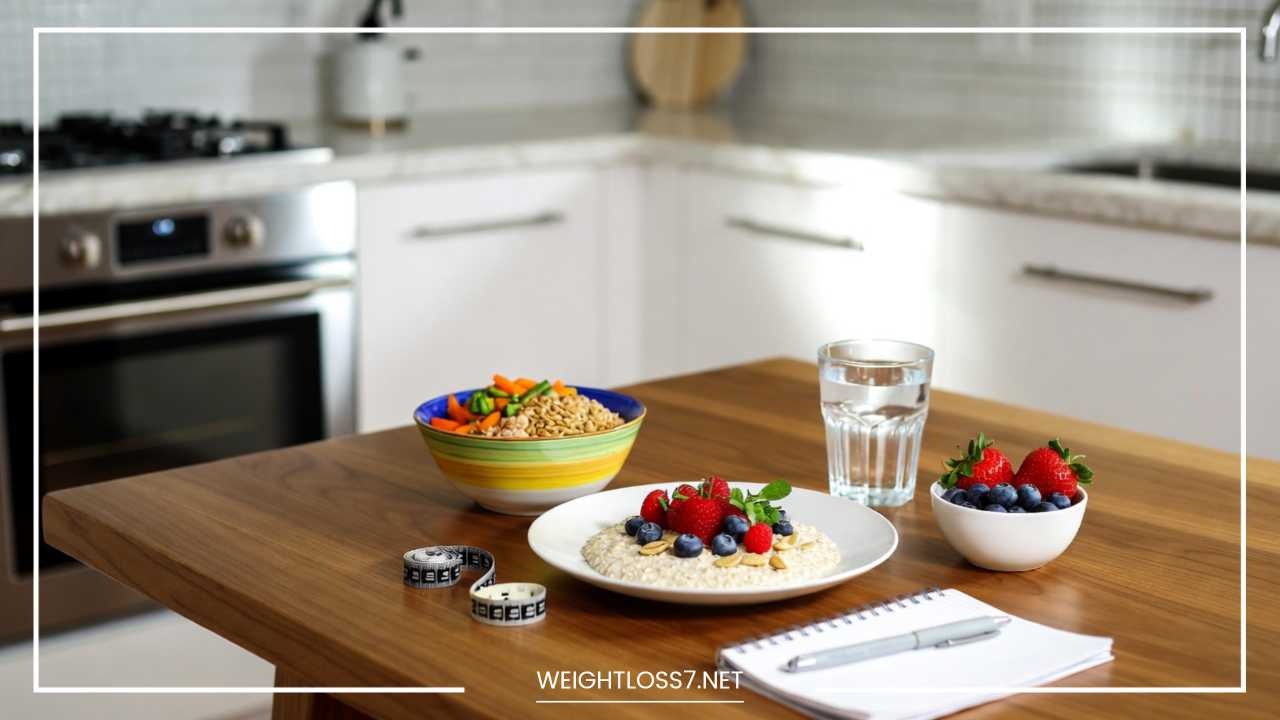
One of the most effective strategies is simply learning what a “serving” actually looks like. Many people consume two or three times the recommended portion of grains or fats without realizing it. Using smaller plates or measuring high-calorie items like oils and nuts can create a deficit without requiring a change in the types of food eaten.
Choosing Lower-Calorie, Filling Foods
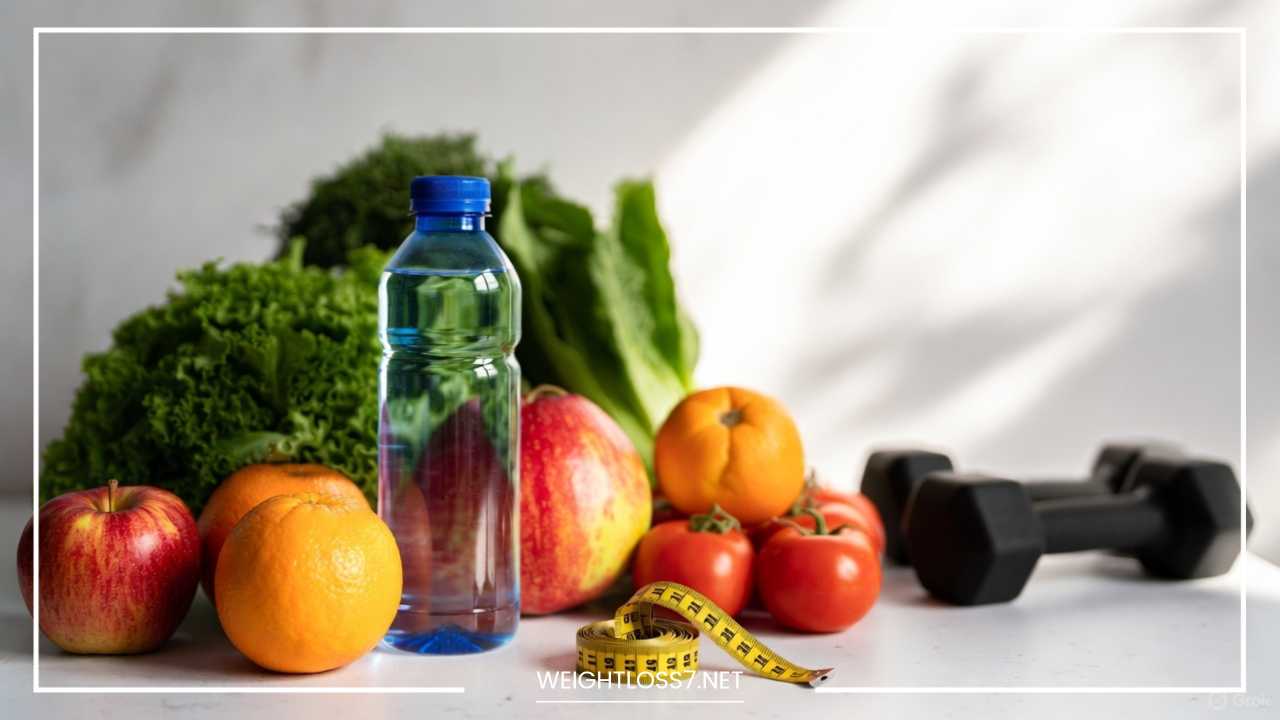
To avoid the feeling of deprivation, a successful dieter focuses on volume eating. This means prioritizing foods that are low in calories but high in physical bulk, such as leafy greens, broccoli, and other vegetables. These foods fill the stomach and signal to the brain that the body is satisfied, making it easier to maintain a deficit.
Cutting Back on Liquid Calories and Sugars
Sugary drinks and highly processed snacks are often “empty calories”—they provide a high energy load without any nutritional value or satiety. By replacing sodas with water and choosing whole grains over refined flours, you can significantly reduce your intake while often feeling more energetic.
Consistency Over Perfection
The key to diet-only weight loss is not a single “perfect” day, but a series of “good enough” weeks. Weight loss is a marathon. Those who succeed are the ones who can maintain their habits even when life gets hectic or they have a social event.
Benefits of Losing Weight Through Diet Alone
Choosing to focus solely on diet has several distinct advantages, especially for those just beginning their health journey.
-
Easier to Start: Starting a new exercise routine can be intimidating. It requires gear, a gym membership, and often a level of physical fitness that a person may not yet have. Dieting only requires a trip to the grocery store.
-
Greater Control: It is difficult to accurately track how many calories you burn during exercise (many machines and watches overestimate). However, you have near-total control over exactly how many calories go into your mouth.
-
Adaptability: You can diet anywhere. Whether you are traveling for work, on vacation, or stuck at home, you always have the ability to make choices about your food.
-
Mental Bandwidth: For some, trying to change both their diet and their activity levels at once is overwhelming. By focusing on one pillar of health first, they increase their chances of long-term success.
Limitations of Diet-Only Weight Loss
While effective, relying exclusively on diet is not without its challenges. It is important to be aware of these hurdles so they can be managed proactively.
Slower Metabolism
When you lose weight, your BMR naturally drops because there is less of you to move around. Additionally, if the calorie deficit is too extreme, the body may enter a state of “adaptive thermogenesis,” where it becomes more efficient and burns fewer calories than expected to preserve energy.
Possible Muscle Loss
Without the stimulus of resistance training, the body does not have a strong reason to maintain its muscle mass while in a calorie deficit. Some of the weight lost on the scale may come from muscle tissue rather than fat. This is why it is crucial to ensure adequate protein intake even when not exercising.
Weight Loss Plateaus
Eventually, the body reaches a new equilibrium where the calories consumed equal the calories burned at the new, lower weight. Without adding activity to boost the “calories out” side, the only way to continue losing weight is to further reduce food intake, which can eventually become unsustainable.
Mental Fatigue
Restricting food without the “buffer” that exercise provides can eventually feel very restrictive. Exercise allows for a slightly higher calorie intake, which can make social situations and dining out easier to manage.
The Role of Physical Activity (Even If Optional)
While we have established that exercise is not strictly required for weight loss, it remains a powerful ally. It is best to view physical activity not as a “chore to burn fat,” but as a way to support the hard work you are doing in the kitchen.
Physical activity helps preserve lean muscle mass, which keeps your metabolism firing at a higher rate. Furthermore, exercise has profound impacts on mental health, reducing the stress and anxiety that often lead to emotional eating.
You don’t need to join a CrossFit gym to see benefits. NEAT (Non-Exercise Activity Thermogenesis) is incredibly underrated. Simple changes like taking the stairs, parking further away, or using a standing desk can increase your daily burn by hundreds of calories without the “exhaustion” associated with a heavy workout.
Common Mistakes People Make When Dieting
Many people fail in their diet-only journeys not because the science is wrong, but because their approach is flawed.
-
Eating Too Little: This is the most common mistake. Dropping calories too low (e.g., below 1,200 for women or 1,500 for men) can lead to nutrient deficiencies, extreme fatigue, and eventually a “binge” cycle when the body’s hunger signals become overwhelming.
-
Ignoring Hunger Signals: A diet should be a dialogue with your body, not a war against it. Learning to distinguish between emotional boredom and physical hunger is vital.
-
Relying on Short-Term Motivation: Motivation is a feeling that comes and goes. Success is built on systems and routines—having a plan for when you’re tired, stressed, or busy.
-
Expecting Rapid Results: Social media often portrays weight loss as a lightning-fast transformation. In reality, healthy weight loss is slow. Expecting to lose five pounds a week is a recipe for disappointment and quitting.
Sustainable Eating Habits for Long-Term Success
To make diet-only weight loss work for the long haul, you must move away from the “restriction” mindset and toward “nourishment.”
Balanced Meals
Ensure your plate includes a balance of complex carbohydrates for energy, healthy fats for hormone health and satiety, and plenty of protein to protect your muscles. This balance prevents the energy crashes that lead to sugar cravings.
Fiber-Rich Foods
Fiber is a dieter’s best friend. Found in beans, lentils, whole grains, and vegetables, fiber slows digestion and keeps you feeling full for longer. It also supports a healthy gut microbiome, which is increasingly linked to weight management.
Hydration
The brain often confuses thirst with hunger. Staying hydrated throughout the day can prevent unnecessary snacking. Drinking a glass of water before a meal can also help with portion control.
Mindful Eating
In our fast-paced world, we often eat while distracted by screens. Mindful eating involves sitting down, chewing thoroughly, and actually tasting the food. This allows the stomach’s “fullness” signals to reach the brain before you’ve overeaten.
Psychological Side of Dieting
Weight loss is as much a mental game as it is a physical one. Our relationship with food is often tied to our upbringing, our culture, and our emotions.
Emotional eating is a significant hurdle for many. Using food as a reward or a coping mechanism for stress can easily undo a calorie deficit. Recognizing these patterns and finding non-food ways to soothe oneself—such as reading, a warm bath, or calling a friend—is essential.
Furthermore, it is vital to avoid “all-or-nothing” thinking. Many people believe that if they “cheat” on their diet with one cookie, the whole day is ruined, and they might as well eat everything in sight. A more helpful mindset is to treat each meal as a fresh start. One indulgence does not erase a week of progress.
Who Can Benefit Most from Diet-Only Weight Loss?
While anyone can use this method, it is particularly well-suited for certain groups:
-
The Time-Crunched: For those whose schedules literally do not allow for 5-7 hours of gym time per week, focusing on nutrition is the most logical path.
-
Beginners: If you have a significant amount of weight to lose, starting with diet alone can prevent the joint pain and injuries that sometimes occur when an untrained body is pushed too hard too fast.
-
Simple-Approach Seekers: Some people find the logistics of exercise (planning routines, commuting, showering) to be a barrier. A diet-only approach keeps the “to-do” list short.
-
People in Recovery: Those recovering from certain injuries or illnesses may be medically cleared to change their diet but not yet cleared for physical exertion.
When Diet Alone Might Not Be Enough
There are points in a health journey where adding movement becomes more than just “optional.”
If your weight loss has stalled for more than a month despite strict adherence to your diet, your body may have adapted to your lower calorie intake. At this point, increasing your activity level is often more effective and healthier than further reducing your food.
Additionally, if your goal is not just a lower number on the scale, but a specific “look” or physical capability—such as being able to hike a mountain, carry heavy groceries with ease, or have visible muscle definition—diet alone cannot get you there. Strength and cardiovascular health require physical stimulus.
Realistic Expectations: How Much Weight Can You Lose?
A safe and sustainable rate of weight loss is generally considered to be 0.5 to 2 pounds per week. While this might seem slow, it adds up to 26–104 pounds in a year.
Rapid weight loss through extreme dieting often results in the loss of water weight and muscle mass, and it is almost always followed by weight regain. Slow loss allows your skin to adapt, your metabolism to stabilize, and your new eating habits to become second nature. Consistency is the “secret sauce” that turns a temporary diet into a permanent lifestyle change.
Practical Tips to Start Today
You don’t need a Monday or a New Year to begin. You can start with your next meal.
-
Practice Portion Control: Start by using a smaller bowl for your cereal or a smaller plate for dinner. You’ll be surprised how much less you eat when the visual cues change.
-
Swap, Don’t Stop: Instead of “giving up” snacks, swap them. Replace a bag of chips with some air-popped popcorn or a piece of fruit.
-
Plan Ahead: Decision fatigue is the enemy of dieting. If you know what you are having for dinner before you get home hungry and tired, you are far less likely to order high-calorie takeout.
-
Track Your Habits: For the first week, simply write down everything you eat. Don’t judge it; just observe. Seeing your patterns on paper often reveals easy places to make cuts.
Final Thoughts: So, Is Diet Alone Enough?
In the final analysis, yes, diet alone is enough to lose weight. The fundamental biology of human energy storage dictates that if you provide your body with less energy than it needs, it will consume its own fat stores to survive. For many people, focusing on the kitchen is the most practical, controllable, and effective way to reach their weight goals.
However, “enough for weight loss” is not the same as “optimal for health.” While you can lose weight sitting on a couch if you eat correctly, your heart, lungs, and muscles thrive on movement. The most successful individuals are usually those who start with diet to see initial results and gain confidence, then gradually incorporate movement as they feel lighter and more energetic.
The best approach is the one you can maintain. If the thought of the gym keeps you from starting at all, then forget the gym for now. Focus on your plate, prioritize whole foods, and be patient with yourself. Weight loss is a journey of a thousand small choices, and every time you choose a nourishing, well-portioned meal, you are moving toward a healthier version of yourself.
Frequently Asked Questions About Diet-Only Weight Loss
To help you navigate the complexities of managing your weight without a structured exercise program, here are some of the most common questions people ask when starting this journey.
Can you lose belly fat by dieting alone without exercise?
Yes, you can lose belly fat through dieting alone, but it is important to understand that you cannot “spot reduce” fat from a specific area. When you maintain a calorie deficit, your body pulls energy from fat stores across your entire body, including the abdominal area. Over time, as your total body fat percentage decreases, your belly fat will naturally diminish. Consistency with high-fiber foods and reduced sugar intake is particularly effective for managing midsection weight.
Is it possible to lose 20 pounds in a month without working out?
While it is technically possible for individuals with a high starting weight to lose significant amounts quickly, losing 20 pounds in a single month through diet alone is generally not considered sustainable or healthy for the average person. Rapid weight loss often involves losing water weight and muscle mass rather than just body fat. A more realistic and permanent goal is to aim for 4 to 8 pounds per month, which allows your metabolism to adjust and helps you keep the weight off long-term.
What are the best foods for weight loss without exercise?
The best foods are those that have a high satiety index, meaning they keep you full for longer periods. Focus on:
-
Fiber-rich legumes: Lentils, chickpeas, and beans provide steady energy.
-
Non-starchy vegetables: Broccoli, cauliflower, and leafy greens allow for high-volume eating with very few calories.
-
Whole grains: Oats and quinoa provide complex carbohydrates that prevent energy crashes.
-
Healthy fats: Avocado and nuts (in moderation) help with nutrient absorption and hormone regulation.
How many calories should I eat to lose weight if I am sedentary?
The number of calories you should eat depends on your age, height, current weight, and gender. Generally, a sedentary individual should calculate their Basal Metabolic Rate (BMR) and then ensure their daily intake is slightly below that number, but rarely ever below 1,200 calories for women or 1,500 calories for men. Consuming too few calories can lead to a metabolic slowdown, making future weight loss more difficult.
Why am I not losing weight on a diet if I don’t exercise?
If the scale isn’t moving, it is usually due to one of three things:
-
Hidden Calories: Cooking oils, dressings, and “healthy” snacks can add up quickly if not measured.
-
Metabolic Adaptation: Your body may have become more efficient at using energy, requiring a slight adjustment in your portion sizes.
-
Inconsistent Tracking: You might be in a deficit during the week but over-consuming on weekends, which brings your weekly average back to a maintenance level.
Can I maintain my weight loss forever without going to the gym?
Absolutely. Weight maintenance is entirely about energy balance. As long as you continue to eat the amount of energy your body burns daily, you will maintain your weight. Many people successfully manage their weight for decades simply by practicing mindful eating, portion control, and maintaining a lifestyle that includes natural movement like walking and standing.
Does drinking water help you lose weight without exercise?
Water is a vital tool for weight loss. It helps the kidneys filter toxins, supports a healthy metabolism, and can act as a natural appetite suppressant. Often, the body signals “hunger” when it is actually experiencing mild dehydration. Drinking a glass of water 20 minutes before a meal can help you feel satisfied with smaller portions.