How Can We Lose Weight Without Exercise

How to Lose Weight Without Exercise: Simple & Effective Tips
The modern conversation around weight loss is often dominated by images of intense gym sessions, marathon running, and high-impact aerobics. We are conditioned to believe that the only way to shed unwanted pounds is through sweat, exhaustion, and physical exertion. While physical activity is undoubtedly beneficial for cardiovascular health and muscle tone, it is not the only lever available for weight management. In fact, many people find themselves unable to participate in traditional exercise due to time constraints, physical limitations, or personal preference.
The truth is that weight management is primarily a matter of energy balance and metabolic efficiency. Your body is a complex biological machine that requires fuel to function. By adjusting the quality of that fuel, the timing of your intake, and the lifestyle habits that surround your meals, you can achieve significant and sustainable weight loss without ever stepping foot in a gym. This guide explores the science and art of losing weight through dietary awareness, psychological shifts, and lifestyle optimization.
Understanding How Weight Loss Actually Works
To lose weight without a rigorous exercise regimen, one must first understand the fundamental principle of energy balance. Every physiological process, from the beating of your heart to the blinking of your eyes, requires energy. This energy is measured in calories. Weight loss occurs when the energy you consume through food and drink is less than the energy your body expends to maintain its daily functions.
This expenditure is known as your Basal Metabolic Rate (BMR). Your BMR accounts for the vast majority of the calories you burn—often between 60% to 75% of your total daily energy expenditure. When you add the energy used for digesting food and the movement involved in basic daily living (like walking to your car or cleaning the house), you have a significant “budget” of calories that your body burns naturally.
Metabolism varies from person to person based on age, height, and hormonal health. However, the most effective way to influence the weight loss equation without exercise is to focus on the “energy in” side of the balance. By making mindful choices about what and how you eat, you can create a caloric deficit that encourages your body to use its stored fat for fuel. Exercise can certainly widen this deficit, but it is not a mandatory requirement for fat loss if your nutritional foundation is solid.
The Power of Mindful Eating
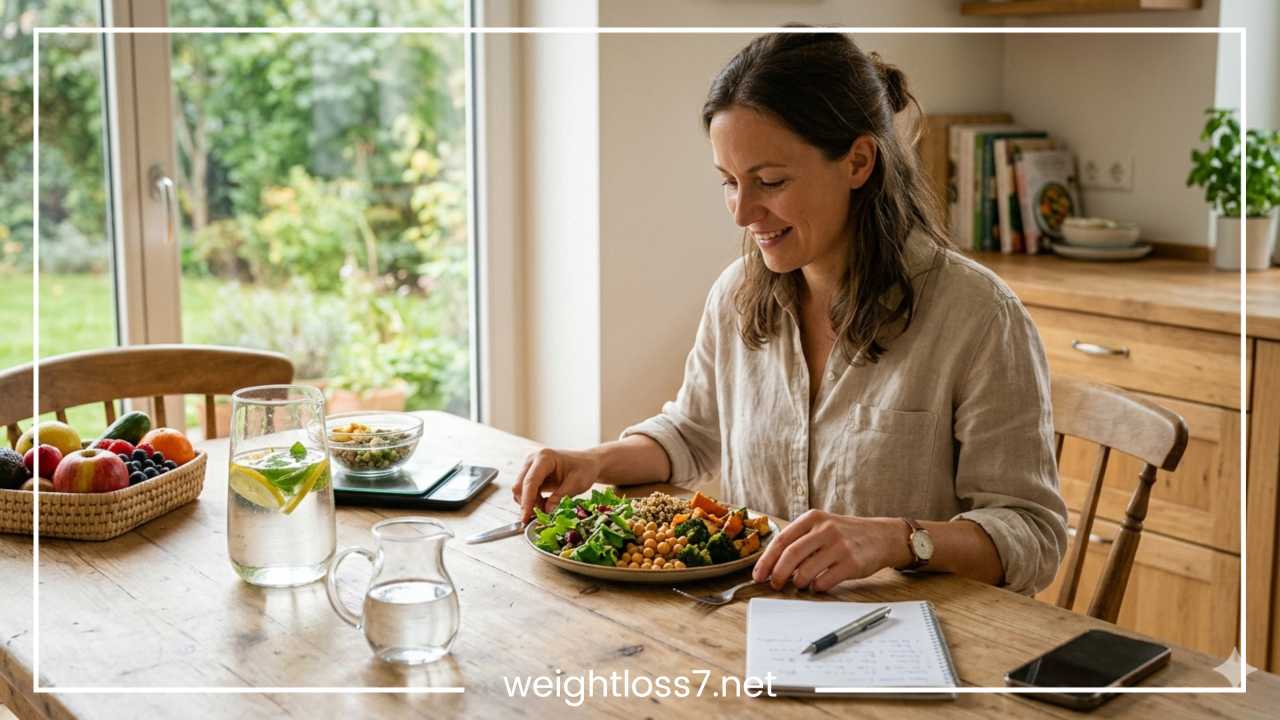
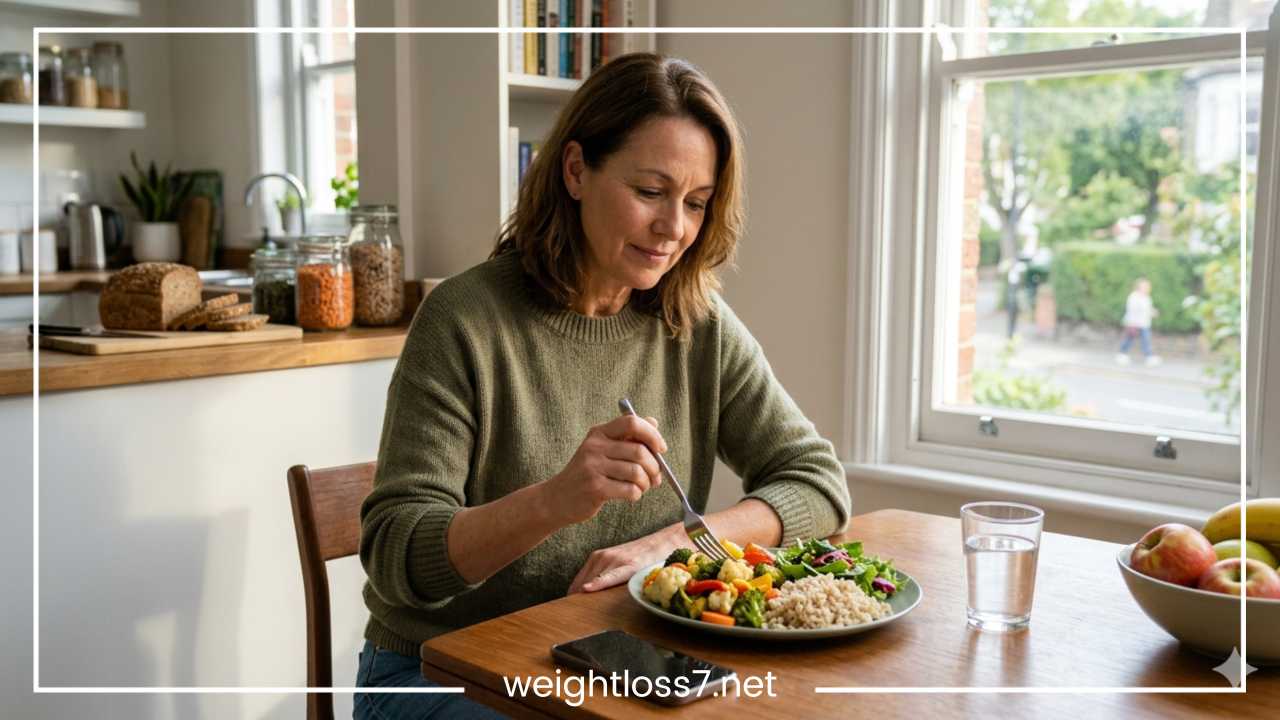
In our fast-paced world, eating has often become a secondary activity. We eat while scrolling through social media, answering emails, or watching television. This disconnected way of consuming food leads to overeating because the brain does not receive timely signals that the stomach is full. Mindful eating is the practice of bringing full attention to the experience of eating and drinking.
The process of feeling “full” is not instantaneous. It takes approximately twenty minutes for the digestive system to signal the brain that it has received enough nourishment. When we rush through a meal, we can easily consume hundreds of extra calories before that signal ever arrives. By slowing down and chewing thoroughly, you allow your body’s natural satiety hormones to take effect.
Furthermore, mindful eating helps distinguish between physical hunger and emotional hunger. Physical hunger builds gradually and can be satisfied by a variety of foods. Emotional hunger often comes on suddenly and targets specific “comfort” foods, usually those high in sugar or unhealthy fats. By pausing before you eat and asking yourself if you are truly hungry or simply bored, stressed, or tired, you gain a powerful tool for weight management.
Choosing Nutrient-Dense Foods
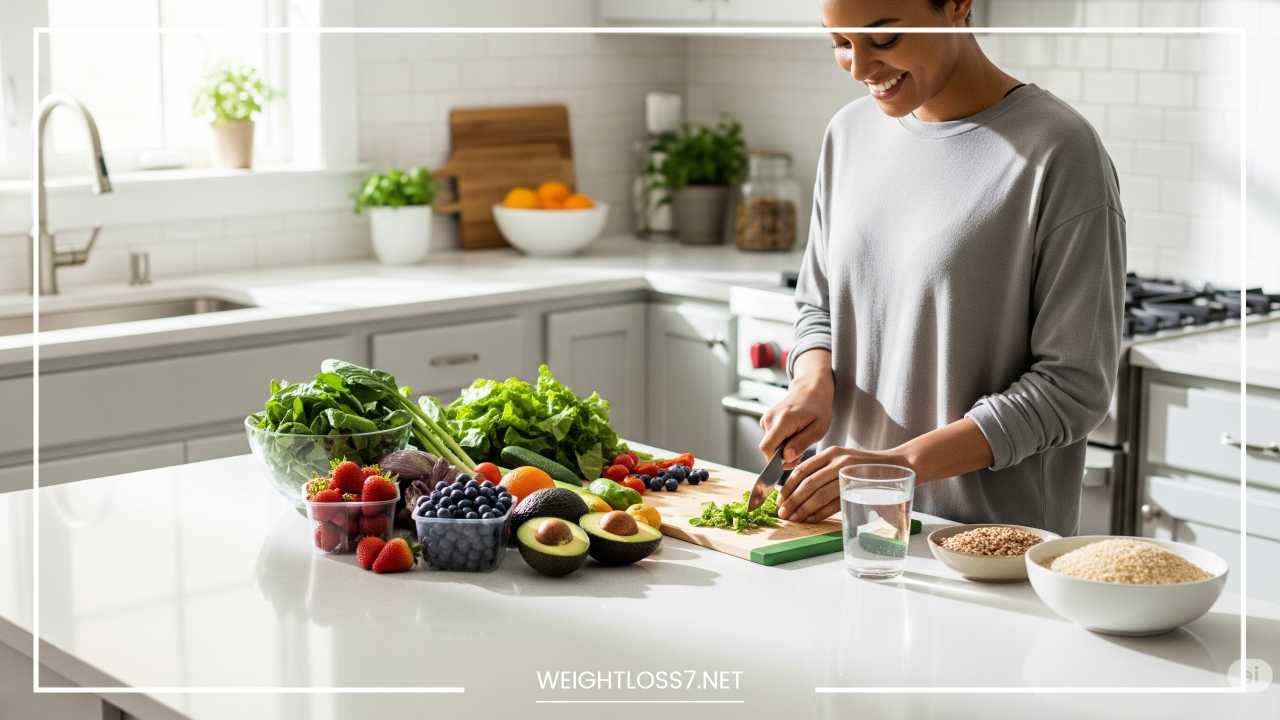
When you are not relying on exercise to burn off excess calories, the quality of the food you consume becomes paramount. The goal is to choose foods that provide maximum nutrition and satiety for the fewest calories. These are known as nutrient-dense foods.
-
Fiber-Rich Vegetables: Vegetables like broccoli, cauliflower, carrots, spinach, and bell peppers should form the cornerstone of your meals. They are high in fiber and water, which adds bulk to your diet and keeps you feeling full for longer periods without adding significant calories.
-
Whole Grains: Swapping refined grains (like white bread and white rice) for whole grains (such as oats, quinoa, brown rice, and whole-wheat pasta) provides more sustained energy. Whole grains contain fiber that slows down digestion, preventing the blood sugar spikes that lead to hunger crashes.
-
Legumes and Pulses: Beans, lentils, and chickpeas are nutritional powerhouses. They provide a dense source of plant-based protein and fiber, a combination that is incredibly effective at suppressing appetite.
-
Dairy and Calcium: If you consume dairy, options like Greek yogurt or cottage cheese are excellent. They are high in protein, which has a high thermic effect—meaning your body uses more energy to digest it compared to fats or carbohydrates.
-
Healthy Fats: Including small amounts of fats from sources like avocados, nuts, seeds, and olive oil is essential. Fat slows down the emptying of the stomach, which helps you stay satisfied between meals.
By focusing on these whole, unprocessed foods, you naturally crowd out the high-calorie, low-nutrient “empty” calories that contribute to weight gain.
Portion Control Without Feeling Deprived
One of the most common reasons weight loss efforts fail is the feeling of deprivation. You do not need to starve yourself to lose weight; you simply need to recalibrate your perception of a “normal” portion. Our modern environment has “distorted” our view of serving sizes, with restaurant portions often being two or three times larger than necessary.
A simple but effective psychological trick is to use smaller plates and bowls. A standard dinner plate often looks empty with a healthy portion size, which can leave you feeling mentally unsatisfied. Placing that same amount of food on a smaller salad plate creates the visual illusion of a full, bountiful meal.
Another strategy is the “half-plate rule.” Fill half of your plate with non-starchy vegetables first. This ensures you get plenty of volume and nutrients before you move on to more calorie-dense components of the meal. Additionally, try to avoid eating directly out of large packages or bags. By portioning out a snack into a small bowl, you create a conscious stopping point, whereas eating from the bag often leads to mindless overconsumption.
Reducing Hidden Calories in Daily Life
Weight gain is often the result of “hidden” calories—small additions that we don’t think of as meals but that add up significantly over the course of a week. The most common culprit is liquid calories. Sugary sodas, energy drinks, sweetened coffee beverages, and even some fruit juices are packed with sugar but provide almost no satiety. Your brain does not register liquid calories the same way it registers solid food, so you end up consuming these calories on top of your regular food intake.
Cooking methods also play a major role. A potato boiled or baked is a healthy, satiating food. That same potato fried in oil becomes a calorie-dense snack that is easy to overeat. Using non-stick pans, steaming, or roasting with minimal oil can save hundreds of calories a day.
Pay close attention to condiments and dressings. A healthy salad can quickly become a high-calorie meal if it is drenched in creamy dressings. Opting for vinegar, lemon juice, or small amounts of olive oil can provide flavor without the caloric baggage. Finally, be wary of “healthy” labels on packaged snacks. Often, “low-fat” items are loaded with extra sugar to compensate for flavor, and “gluten-free” items may still be highly processed and calorie-heavy.
The Role of Hydration in Weight Management
Water is perhaps the most underrated tool in the weight loss toolkit. There is a strong physiological link between thirst and hunger; the same part of the brain, the hypothalamus, interprets both signals. Often, when we think we are hungry and reach for a snack, our body is actually crying out for hydration.
Drinking a glass of water before a meal can be particularly effective. It creates a sense of fullness in the stomach, which can lead to eating smaller portions. Furthermore, staying well-hydrated is essential for your metabolism to function at its peak. Even mild dehydration can slow down your metabolic rate and leave you feeling fatigued, which often leads to “energy-seeking” behavior like eating sugary snacks.
Replacing all caloric beverages with water, herbal teas, or plain sparkling water is one of the fastest ways to see progress. If you find plain water boring, infusing it with slices of cucumber, lemon, or mint can make it more palatable without adding calories.
Improving Sleep for Better Weight Control
It may seem counterintuitive, but one of the most effective things you can do to lose weight is to simply go to bed. Sleep plays a critical role in regulating the hormones that control hunger and fullness: ghrelin and leptin.
Ghrelin is the “hunger hormone” that tells your brain when it’s time to eat. Leptin is the “satiety hormone” that tells your brain when you have enough energy stored. When you are sleep-deprived, your ghrelin levels rise and your leptin levels fall. This creates a hormonal environment where you feel hungrier than usual and your brain is less likely to register that you are full.
Moreover, lack of sleep affects the prefrontal cortex of the brain—the area responsible for impulse control and decision-making. When you are tired, you are much more likely to give in to cravings for high-calorie, sugary foods. Aiming for seven to nine hours of quality sleep per night provides the hormonal stability necessary to make healthy food choices throughout the day.
Managing Stress and Emotional Eating
Stress is a major hurdle for many people attempting to manage their weight. When we are stressed, the body releases cortisol, a hormone that prepares the body for a “fight or flight” response. While this was useful for our ancestors escaping predators, in the modern world, chronic stress leads to elevated cortisol levels, which are linked to increased appetite and the storage of abdominal fat.
Many people turn to food as a coping mechanism for stress, anxiety, or loneliness. This “emotional eating” usually involves foods that provide a temporary dopamine hit—typically those high in sugar and fat. To lose weight without exercise, it is vital to find non-food ways to manage stress.
Developing a toolkit of stress-reduction techniques can help. This might include deep-breathing exercises, reading a book, engaging in a creative hobby, or spending time in nature. By addressing the root cause of the stress rather than masking it with food, you break the cycle of emotional overeating and make weight maintenance much easier.
Building Consistent Daily Routines
Consistency is the bridge between goals and accomplishment. Random eating patterns—skipping breakfast, having a late lunch, and then binging at dinner—can wreak havoc on your blood sugar levels and your metabolism. Building a regular routine helps your body anticipate when fuel is coming, which can help stabilize hunger throughout the day.
Avoid long gaps between meals. If you go too long without eating, your blood sugar drops, leading to intense hunger that often results in poor decision-making at your next meal. Having balanced meals at relatively consistent times helps maintain steady energy levels.
Furthermore, focus on building sustainable habits rather than looking for “quick fixes.” A “diet” is something you go on and eventually go off. A lifestyle change is a permanent shift in how you relate to food. Instead of attempting a total overhaul of your life in one day, focus on making one or two small changes every week—such as drinking more water or adding a serving of vegetables to your lunch. Over time, these small changes compound into significant results.
Light Movement Still Matters
While this article focuses on losing weight without “exercise” (defined as structured, high-intensity workouts), it is important to distinguish exercise from general movement. The human body was designed to move, and incorporating light, natural movement into your day can support your weight loss goals without feeling like a chore.
Non-Exercise Activity Thermogenesis (NEAT) refers to the energy expended for everything we do that is not sleeping, eating, or sports-like exercise. This includes walking to work, standing while talking on the phone, cleaning the house, or even fidgeting. Increasing your NEAT can have a surprisingly large impact on your daily calorie burn.
Consider simple ways to be less sedentary:
-
Take the stairs instead of the elevator.
-
Park your car further away from the entrance.
-
Stand up and stretch every hour if you have a desk job.
-
Engage in light household chores or gardening.
These activities don’t require gym clothes or a membership, but they keep your metabolism active and contribute to your overall health.
Common Mistakes to Avoid
In the quest for weight loss, it is easy to fall into traps that actually hinder progress. One of the most common mistakes is skipping meals, especially breakfast. While it might seem like a good way to save calories, it often leads to extreme hunger later in the day, causing you to eat more than you saved.
Another mistake is falling for “miracle” products or extreme fad diets. Any diet that promises rapid weight loss by cutting out entire food groups or relying on special supplements is usually unsustainable and potentially harmful. These “solutions” often lead to “yo-yo dieting,” where weight is lost quickly and then regained even faster once the strict regimen ends.
Finally, avoid the “all or nothing” mentality. If you have a day where you eat more than planned, do not view it as a failure and give up entirely. Weight loss is a marathon, not a sprint. One indulgent meal will not ruin your progress, just as one healthy meal will not instantly make you thin. What matters most is what you do the majority of the time.
Setting Realistic Goals and Tracking Progress
To stay motivated without the immediate feedback of a strenuous workout, it is essential to set realistic goals. Aiming to lose half a pound to one pound per week is a healthy and sustainable rate. Rapid weight loss is often mostly water weight or muscle mass, whereas slow and steady loss is more likely to be body fat.
Instead of focusing solely on the number on the scale, which can fluctuate daily based on water retention and hormones, track your habits. Did you drink enough water today? Did you include vegetables in your lunch? Did you manage to sleep eight hours? These are “process goals” that you have direct control over.
You might also track “non-scale victories,” such as how your clothes fit, your energy levels throughout the day, or the quality of your sleep. Celebrating these small improvements keeps you engaged with the process and reinforces the positive changes you are making.
Final Thoughts
Losing weight without exercise is entirely possible through a combination of nutritional intelligence, mindful habits, and lifestyle adjustments. By focusing on the quality of your food, managing your portions, staying hydrated, and prioritizing sleep and stress management, you can create a caloric deficit that leads to lasting change.
The journey to a healthier weight is not about perfection; it is about making better choices more often. It is about learning to listen to your body’s signals and treating it with the care it deserves. While exercise is a wonderful tool for health, your kitchen and your daily routines are the most powerful weight-loss tools you possess. With patience, consistency, and a focus on long-term wellness, you can achieve your weight goals and maintain them for a lifetime.
Frequently Asked Questions About Weight Loss Without Physical Activity
Incorporating these common queries into your routine can help clarify the nuances of managing your body composition through lifestyle and nutrition alone.
How can I lose belly fat without doing any exercise?
Spot reduction, or losing fat from one specific area like the stomach, is a common myth. However, you can reduce overall body fat, including belly fat, by focusing on a high-fiber diet and reducing refined sugars. High cortisol levels from stress are often linked to abdominal fat storage, so practicing relaxation techniques and ensuring adequate sleep are vital non-exercise strategies for trimming the waistline.
What is the fastest way to lose weight without working out?
The most effective way to see steady progress without working out is to prioritize hydration and caloric density. Replacing sugary beverages with water and filling half your plate with fibrous vegetables at every meal creates a natural caloric deficit. Additionally, practicing mindful eating—chewing slowly and stopping when you are 80% full—prevents the overconsumption that often leads to weight gain.
Can I lose weight just by changing my diet and sleeping more?
Yes, diet and sleep are two of the most significant pillars of weight management. A balanced diet provides the necessary nutrients for metabolism, while quality sleep regulates the hormones ghrelin and leptin, which control hunger and satiety. Without enough sleep, your body craves high-calorie foods, making it much harder to stick to a healthy eating plan even if you aren’t exercising.
What should I eat for breakfast to lose weight without exercise?
A successful weight-loss breakfast should be rich in fiber and protein to keep you full until lunch. Options like oatmeal with nuts and seeds, or Greek yogurt with berries, provide sustained energy without the blood sugar spikes associated with sugary cereals or white toast. Starting the day with a nutrient-dense meal reduces the likelihood of mid-morning snacking.
Is it possible to maintain weight loss long-term without the gym?
Long-term maintenance is entirely possible if you focus on sustainable habit formation rather than “crash dieting.” By making permanent shifts in how you shop, cook, and eat, you can maintain a healthy weight indefinitely. Consistency in your daily routine—such as eating at regular intervals and managing stress—is far more important for maintenance than occasional high-intensity workouts.
How many calories should I eat to lose weight if I am sedentary?
The number of calories depends on your age, height, and current weight. Generally, a sedentary person requires fewer calories than someone with an active job or workout routine. A common approach is to calculate your Basal Metabolic Rate (BMR) and consume slightly less than that total. Focusing on the quality of those calories, rather than just the number, ensures that your body stays nourished while in a deficit.