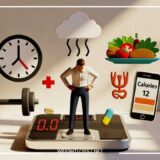
How Much Weight Can I Lose Safely?


How Much Weight Can I Lose Safely? | Safe & Healthy Weight Loss Tips
Weight loss is one of the most common health goals worldwide, driven by a desire for better health, increased vitality, and improved self-confidence. In a world saturated with quick-fix promises and sensationalized transformations, it’s easy to believe that faster is always better. However, when it comes to long-term success and protecting your health, the pace of your weight loss journey matters immensely.
The critical question isn’t just “how much weight can I lose?” but “how much weight can I lose safely and sustainably?” The answer is deeply personal and dependent on a multitude of individual factors. There is no magic number or one-size-fits-all formula. The focus must shift from the speed of the scale’s movement to the quality of the habits you build and the overall health you gain along the way. This comprehensive guide will walk you through the evidence-based principles of safe weight loss, helping you set realistic expectations and create a plan that supports your physical and mental well-being for the long haul.
What Is Considered Safe Weight Loss?
The consensus among health professionals is clear: gradual, steady weight loss is the safest and most effective path to lasting change.
The general guideline for a safe and sustainable rate of weight loss is 1 to 2 pounds (approximately 0.5 to 1 kilogram) per week. This measured approach allows your body and mind to adapt to new lifestyle habits, minimizes negative health consequences, and drastically increases the likelihood of maintaining your results over time.
Why Faster Weight Loss Can Be Risky
While dropping five or ten pounds in a single week might sound appealing, the results of rapid loss are often misleading and come with significant health risks:
- Muscle Loss: When weight loss is too fast, a disproportionate amount of the lost weight comes from lean body mass (muscle and water) rather than stored body fat. Losing muscle is counterproductive because muscle tissue is more metabolically active than fat tissue. Losing it slows your basal metabolic rate (BMR), making it harder to sustain the weight loss and easier to regain weight later.
- Nutritional Deficiencies: Extreme calorie restriction often means you are simply not consuming enough variety or volume of food to meet your body’s essential micronutrient needs (vitamins and minerals). This can lead to issues like chronic fatigue, hair loss, a weakened immune system, and reduced bone density over time.
- Metabolic Slowdown (Adaptive Thermogenesis): The body is wired for survival. When calories are drastically cut, the body perceives a threat (starvation) and adapts by reducing its total energy expenditure, essentially turning down your internal “furnace.” This metabolic adaptation makes continued weight loss extremely difficult and contributes significantly to the “rebound” effect, where weight is quickly regained once normal eating resumes.
- Other Health Complications: Rapid weight loss increases the risk of complications such as gallstones (hardened deposits in the gallbladder), electrolyte imbalances, dehydration, and hormone disruption.
- Mental and Emotional Burnout: Severe restriction is not mentally sustainable. It can lead to intense hunger, preoccupation with food, irritability, and ultimately, a breakdown of discipline, potentially resulting in disordered eating patterns or the cycle of “yo-yo dieting,” which is harmful both physically and psychologically.
The path to safe weight loss requires patience, prioritizing consistent healthy habits over aggressive, short-term depletion. It is an investment in your long-term health, not a race to a finish line.
Factors That Influence Weight Loss Speed
Understanding why one person loses weight faster than another is key to setting realistic and compassionate expectations for your own journey. The speed at which you can safely lose weight is not just a measure of your effort; it is influenced by a complex interplay of internal and external factors:
Starting Weight and Body Composition
Individuals with a higher amount of total body fat or a higher starting weight will often experience faster initial weight loss. This is primarily because a larger body requires more energy (calories) to function, leading to a larger potential calorie deficit even with moderate dietary changes. However, as total body weight decreases, the rate of loss naturally slows down, necessitating adjustments to the strategy.
Age
Metabolism tends to slow down with age. This is often due to a natural decline in muscle mass and a reduction in overall daily activity. A slower metabolism means the body requires fewer calories to maintain its weight, making it necessary for older individuals to manage their calorie intake and prioritize strength-building exercise to preserve muscle mass.
Gender
Generally, individuals assigned male at birth often have a higher proportion of lean muscle mass than individuals assigned female, due to hormonal differences. Because muscle burns more calories at rest than fat, this inherent difference contributes to a typically higher basal metabolic rate (BMR) in males, which can translate to a faster rate of weight loss when starting a program, all other factors being equal.
Genetics
Your inherited metabolic rate plays a subtle but undeniable role. Genetic factors influence how efficiently your body stores and burns fat, as well as your natural set-point for weight. While genetics are not a destiny, they can certainly influence the effort required to achieve and maintain a specific weight.
Lifestyle Factors
Daily habits exert a powerful influence:
- Sleep: Chronic sleep deprivation disrupts key appetite-regulating hormones (ghrelin and leptin), often increasing hunger and cravings for energy-dense foods. Aiming for 7-9 hours of quality sleep nightly is foundational to safe weight loss.
- Stress: High or chronic stress elevates the hormone cortisol, which is linked to increased appetite and a tendency for the body to store fat, particularly in the midsection. Effective stress management—through mindfulness, activity, or social connection—is a critical, non-dietary component of weight management.
- Activity Levels: Beyond structured exercise, your overall daily movement, known as NEAT (Non-Exercise Activity Thermogenesis), is a significant factor. A person with a desk job who is otherwise active will burn far more total daily calories than a person with the same job who remains sedentary outside of their workouts.
Medical Conditions or Medications
Certain underlying health conditions can impede weight loss, even with diligent effort. Thyroid issues (hypothyroidism), Polycystic Ovary Syndrome (PCOS), and insulin resistance can all impact metabolic function and hormone balance. Furthermore, certain common medications, including some for mood disorders, diabetes, or blood pressure, may have side effects that include weight gain. It is essential to discuss any weight loss plan with a healthcare provider, especially if you have an existing medical condition or take prescription medications.
The Science Behind Weight Loss
At its core, all weight loss—safe or otherwise—adheres to a fundamental principle of physics: the Energy Balance Equation.
Calories In vs. Calories Out
Weight loss occurs when you consistently achieve a calorie deficit, meaning the total energy (calories) you consume from food and beverages is less than the total energy your body expends (calories out).
- Calories In: The energy derived from everything you consume.
- Calories Out (Total Daily Energy Expenditure or TDEE): This is the total number of calories your body burns in a day. It is composed of four main components:
The Role of Metabolism
Metabolism is not just one thing; it’s the sum of all chemical processes that occur in your body to keep you alive. The total calories you burn each day are broken down into these categories:
- Basal Metabolic Rate (BMR): This is the largest component, accounting for approximately 60–75% of TDEE. BMR is the energy your body needs to maintain vital functions while at complete rest—breathing, circulating blood, cellular growth, and brain function. Factors like age, gender, genetics, and body size/composition directly influence your BMR.
- Thermic Effect of Food (TEF): The energy required to digest, absorb, and metabolize the nutrients in the food you eat. This accounts for about 8–15% of TDEE. Eating a variety of whole, unprocessed foods, which are generally harder to digest than refined options, can slightly increase TEF.
- Exercise Activity Thermogenesis (EAT): The energy burned during structured physical activity, such as running, lifting weights, or taking a fitness class. This component is highly variable but often accounts for the smallest portion of TDEE, especially for those new to exercise.
- Non-Exercise Activity Thermogenesis (NEAT): The energy expended for everything that is not sleeping, eating, or structured exercise. This includes walking to your car, standing, fidgeting, doing chores, and typing. For many people, increasing NEAT is a powerful and accessible way to significantly boost the “calories out” side of the equation.
The Importance of Body Composition: Fat vs. Muscle
The ultimate goal of safe weight loss is to maximize the loss of stored body fat while preserving or even building lean muscle mass.
- Muscle Mass: As noted, muscle tissue is metabolically active, burning more calories at rest. Building and maintaining muscle is your primary defense against a metabolic slowdown.
- Body Fat: Body fat is stored energy. Reducing it improves metabolic health markers like blood pressure, blood sugar, and cholesterol.
A safe, well-designed weight loss plan focuses on a moderate calorie deficit combined with physical activity to ensure the energy deficit is primarily met by burning fat stores, not muscle tissue.
Calorie Deficits: How Much Is Too Much?
A calorie deficit is non-negotiable for weight loss, but the size of that deficit is the key differentiator between safe, sustainable loss and risky, rapid depletion.
What a Healthy Deficit Looks Like
To lose 1 pound of body fat, a deficit of approximately 3,500 calories is generally required. Following the recommendation to lose 1 to 2 pounds per week translates to a daily calorie deficit of:
This range is considered safe because it is typically large enough to promote fat loss, yet small enough to allow you to consume a wide variety of nutritious foods that meet your body’s energy and micronutrient needs. This moderate deficit also minimizes the body’s protective metabolic slowdown response.
Risks of Extreme Calorie Restriction
Cutting calories drastically—say, by 1,000 or more per day—can yield quick initial results, but the cost to your health and sustainability is high:
- Severe Energy Drain: Extreme restriction leaves your body with insufficient fuel for daily activities, leading to crushing fatigue, poor concentration, and compromised performance, making it difficult to maintain an active lifestyle.
- Hormone Disruption: For both men and women, severe calorie restriction can severely disrupt the endocrine system. This can lead to imbalances in thyroid hormones (slowing metabolism), sex hormones (affecting reproductive health and mood), and appetite hormones like leptin and ghrelin, often causing increased hunger.
- Increased Risk of Disordered Eating: The rigid nature of very low-calorie diets can create an unhealthy preoccupation with food and body weight. The cycle of extreme restriction followed by uncontrollable episodes of overeating (bingeing) is a common pathway into disordered eating patterns.
How to Track or Estimate Calories Without Obsession
While constant, rigid calorie counting can be detrimental to mental health, having a rough idea of your intake is crucial for establishing and maintaining a necessary deficit.
- Short-Term Tracking: Consider tracking your intake for 1-2 weeks at the start of your journey. This educates you on portion sizes, the calorie density of common foods, and where unnecessary calories might be hiding (e.g., in beverages or condiments).
- Focus on Volume: Once you have a general awareness, shift your focus to visual cues and portion awareness. For example, fill half your plate with non-starchy vegetables, one quarter with a protein source, and one quarter with a whole grain or starchy carbohydrate. This system inherently promotes a lower-calorie, nutrient-dense diet without the need for a scale.
- Mindful Eating: Pay attention to your body’s signals. Eat slowly, put down your utensil between bites, and stop when you feel satisfied, not stuffed.
The goal is to move from tracking calories to understanding energy balance, making intuitive, healthy choices that naturally place you in a safe deficit.
Exercise and Activity in Safe Weight Loss
Physical activity is a powerful partner in safe weight loss, not simply because it burns calories, but because of its profound positive impact on metabolic health, muscle preservation, and mood. The most successful approach combines various forms of movement.
Role of Physical Activity in Fat Loss and Metabolic Health
Exercise directly contributes to the “calories out” portion of the energy equation. More importantly, consistent activity helps preserve lean muscle mass, which is key to maintaining a healthy metabolism. Regular physical activity also significantly improves insulin sensitivity, helping the body manage blood sugar more effectively and directing energy toward activity rather than storage.
Types of Exercise
A balanced, safe, and effective routine incorporates three key types of movement:
- Strength Training: This is paramount for safe weight loss. Strength training (using body weight, resistance bands, or weights) is the most effective way to build or maintain muscle mass. Since muscle is more metabolically active than fat, preserving it prevents the common metabolic slowdown associated with dieting. Aim for 2-3 sessions per week that target all major muscle groups.
- Cardiovascular Exercise: Also known as aerobic activity, this is excellent for burning calories, improving heart and lung health, and reducing stress. This includes brisk walking, running, cycling, swimming, or dancing. Aim for 150 minutes of moderate-intensity (you can talk but not sing) or 75 minutes of vigorous-intensity cardio per week.
- Non-Exercise Activity Thermogenesis (NEAT): This is the easiest, safest, and most sustainable way for most people to increase their daily energy expenditure. NEAT is about incorporating more movement into your daily life without needing a formal workout: taking the stairs, parking farther away, standing while working, taking walking meetings, and doing chores. Small, consistent increases in NEAT can accumulate into a significant calorie burn over the course of a week.
Avoiding Over-Exercise and Burnout
While movement is essential, more is not always better, especially when combined with a calorie deficit. Over-exercising—pushing yourself too hard, too often, without adequate recovery—can lead to injury, chronic fatigue, hormone imbalances (particularly increasing cortisol), and severe mental burnout.
Listen to your body. Rest and recovery are just as important as the workout itself. A tired or sore body needs rest to repair and grow stronger. If your exercise routine feels punitive rather than energizing, it’s a sign that you need to scale back or change your approach to find something you genuinely enjoy and can sustain.
Importance of Movement Beyond the Gym
Don’t fall into the trap of thinking exercise must be agonizing. If you hate the treadmill, don’t use it! Safe, sustainable movement is about finding activities that bring you joy and fit seamlessly into your life. Whether it’s gardening, playing with children, or hiking a scenic trail, movement should feel like a celebration of what your body can do, not a punishment for what you ate. Make movement a non-negotiable part of your daily rhythm, even if it’s just a 15-minute walk.
Realistic Weight Loss Expectations Over Time
Patience is the most underrated ingredient in a safe weight loss journey. The scale will not move in a straight line, and understanding the expected fluctuations and normal plateaus is vital for maintaining motivation.
What Safe Weight Loss Might Look Like
Assuming a consistent, safe deficit leading to a loss of 1 to 2 pounds per week:
Weight Plateaus Are Normal
A weight plateau is a frustrating but entirely normal phase where weight loss stops or slows dramatically for several weeks or more, even if you haven’t changed your routine.
Why They Happen and How to Manage Them:
- Metabolic Adaptation: As your body gets smaller, its energy requirements decrease (your TDEE drops). The deficit that worked initially is no longer a deficit. Solution: Recalculate your energy needs and make a minor adjustment to your intake or increase activity.
- Increased Muscle Mass: If you’ve added strength training, you may be losing fat while simultaneously gaining muscle. The number on the scale stalls, but your body composition is improving. Solution: Focus on non-scale metrics like measurements, clothing fit, or strength gains.
- Subtle “Calorie Creep”: As you get more comfortable, you may unconsciously become less precise with portion sizes or allow small, extra snacks to creep back in. Solution: Reintroduce brief, mindful tracking to re-establish portion awareness and accountability.
- Water Retention: Hormone cycles, high-sodium meals, or intense workouts can all cause temporary water retention that masks actual fat loss. Solution: Wait it out. Focus on hydration and check the scale only once a week or every two weeks.
Emphasizing Non-Scale Victories (NSVs)
A key mindset shift for safe, long-term success is to value non-scale victories over the number on the display. These are the markers of true health and lifestyle change:
- Increased Energy Levels: Feeling less reliant on caffeine, more productive, and eager to move.
- Improved Sleep Quality: Falling asleep faster, sleeping soundly, and waking up refreshed.
- Enhanced Confidence and Mood: Feeling better about yourself, experiencing less stress, and seeing a boost in mental clarity.
- Improved Fitness: Climbing stairs without being breathless, increasing the distance or speed of your walk/run, or lifting heavier weights.
- Better Health Markers: Seeing improved blood test results (blood pressure, cholesterol, blood sugar).
- Clothing Fit: Your clothes fitting better or needing to purchase a smaller size.
These victories reflect the internal changes that sustain a safe and healthy lifestyle long after the initial motivation fades.
Building Habits for Sustainable Weight Loss
The secret to sustainable, safe weight loss isn’t a diet; it’s a collection of consistent, manageable habits. Consistency, not perfection, is the goal. A few slips will not derail your journey, but abandoning your habits will.
Importance of Consistency Over Perfection
Perfectionism is the enemy of sustainable health. Trying to be 100% compliant 100% of the time often leads to feelings of failure and giving up entirely when a minor deviation occurs. Aim for 80% consistency. This acknowledges that life happens—social events, stress, and cravings are inevitable—and allows you the flexibility to handle them without guilt or abandoning your progress.
Key Foundational Habits
- Balanced Meals with Variety:
- Focus on building meals that incorporate a diverse range of nourishing ingredients.
- Prioritize a substantial source of protein (lentils, beans, tofu, seeds, fish, or poultry) in every meal, as it promotes satiety and helps preserve muscle mass.
- Include ample fiber from whole grains, fruits, and a wide variety of vegetables to aid digestion and fullness.
- Incorporate sources of healthy fats (nuts, seeds, olives, avocados) for hormone health and essential nutrient absorption.
- Variety ensures you get a complete spectrum of vitamins and minerals.
- Portion Awareness:
- Learn to recognize appropriate portion sizes without needing to weigh everything indefinitely.
- Use smaller plates and bowls to visually manage portions.
- A simple visual guide: aim for 1/2 plate of non-starchy vegetables, 1/4 plate of a protein source, and 1/4 plate of a whole-grain or complex carbohydrate.
- Hydration:
- Often, the body mistakes thirst cues for hunger cues, leading to unnecessary calorie consumption.
- Make water your primary beverage choice. Start your day with a large glass of water.
- Swap sugary drinks (soda, sweetened juices, high-calorie coffee drinks) for plain water, sparkling water, or unsweetened herbal teas to save hundreds of “empty” calories daily.
- Staying hydrated is also essential for metabolism, digestion, and energy levels.
- Mindful Eating:
- Turn off screens and put away phones during meals. Treat eating as a dedicated, focused activity.
- Eat slowly. It takes about 20 minutes for the brain to register that the stomach is full. Eating too quickly can lead to overconsumption.
- Pay attention to the sensory experience of your food—the texture, flavor, and aroma.
- Tune into your body’s signals of hunger and fullness, eating only when hungry and stopping when satisfied, not stuffed.
Tracking Progress: Journaling, Photos, Measurements—Not Just the Scale
The scale is one data point, but it’s often misleading due to water weight and muscle gain. Use multiple methods to track your holistic progress:
- Journaling/Logging: Tracking food, activity, and sleep patterns helps identify habits, triggers (like stress-related eating), and areas for improvement.
- Body Measurements: Tracking circumference measurements (waist, hips, thighs) often reveals progress even when the scale is stalled, as you lose inches due to fat loss.
- Progress Photos: Taking photos every 4-8 weeks provides the most objective visual evidence of changes in body composition and posture.
Mental and Emotional Aspects of Weight Loss
Sustainable weight loss is a mental and emotional journey as much as a physical one. Ignoring the internal landscape is the fastest route to relapse.
Motivation vs. Discipline: The Real Drivers of Long-Term Success
Motivation is a fleeting emotion—it gets you started, but it rarely keeps you going. Discipline and habit are the true engines of long-term success.
- Discipline: The ability to do what you need to do, even when you don’t feel like it. This comes from creating a structure (meal prepping, scheduled movement) that removes the need to constantly rely on willpower.
- Habit: When disciplined actions become automatic, they are transformed into habits. Once a behavior is a habit, it requires little to no motivation or willpower to execute. Focus on turning one small action (like a morning walk or hydrating first thing) into an automatic habit before moving to the next.
Body Image and Self-Compassion
The constant pursuit of a “perfect” body can be destructive. Safe weight loss requires a shift from self-criticism to self-compassion.
- Self-Compassion: Treating yourself with the same kindness and understanding you would offer a trusted friend. This means acknowledging that weight loss is difficult, that lapses are a normal part of the process, and that your worth is not tied to the number on the scale. When you struggle, self-compassion is what allows you to return to your healthy habits without spiraling into guilt and self-sabotage.
- Body Image: Focus on health improvements and functionality. Celebrate your body for what it can do (run, lift, play) rather than solely how it looks.
The Role of Support Systems
No one succeeds in isolation. A strong support system can provide accountability, encouragement, and a sounding board during difficult moments.
- Friends and Family: Share your goals with supportive people who will respect your boundaries and healthy choices.
- Communities: Connect with others pursuing similar health goals, either virtually or in person, for shared experiences and accountability.
- Professionals: Never underestimate the value of a professional team, including a doctor, registered dietitian, or therapist.
Avoiding Toxic Diet Culture and Comparison Traps
Be mindful of the media you consume. Toxic diet culture often promotes unrealistic body ideals, fast-fix schemes, and an atmosphere of shame and restriction.
- Unfollow/Unsubscribe: Curate your social media and media consumption to focus on body neutrality, health at every size, and sustainable living, not extreme aesthetics.
- Do Not Compare: Your journey is unique. Comparing your rate of loss or results to a friend, celebrity, or social media influencer is a recipe for frustration. Focus on competing only with the person you were yesterday.
When to Seek Professional Help
While the principles of safe weight loss are straightforward, the application of those principles can be complex, especially when facing underlying issues. Knowing when to call in a professional is a sign of strength and self-care.
Signs That You’re Not Losing Weight Safely
If you notice any of the following, consult a healthcare provider immediately:
- Rate of Loss is Too Fast: Losing significantly more than 2 pounds per week for an extended period without medical supervision.
- Physical Symptoms: Persistent fatigue, dizziness, frequent lightheadedness, chronic hair loss, brittle nails, menstrual irregularities, or constant coldness.
- Emotional Red Flags: Preoccupation with food, anxiety about eating out, inability to stick to a plan without severe emotional distress, or loss of interest in activities you once enjoyed.
When to Speak to a Doctor, Registered Dietitian, or Therapist
- Doctor: If you have an underlying medical condition (thyroid, diabetes, heart disease), are taking medication that affects weight, or have tried consistent lifestyle changes for 6+ months without any progress. A doctor can rule out biological barriers.
- Registered Dietitian (RD): For personalized, evidence-based nutrition planning. An RD can ensure your calorie deficit is safe, your diet is nutritionally complete, and can tailor a plan to your specific preferences and needs, avoiding unnecessary restriction.
- Therapist or Counselor: If your struggles involve emotional eating, stress eating, an unhealthy body image, or potential signs of disordered eating. Mental health support is often the missing link for long-term weight management.
Health Over Aesthetics: Red Flags of Unhealthy Behaviors
Remember that weight loss is a means to an end: better health. If the methods you are employing compromise your mental or physical health, they are fundamentally unsafe. Red flags include: obsessive weighing, excessive or punitive exercise, social isolation to avoid food, or a life consumed by diet rules. True health is balanced, flexible, and promotes vitality in all aspects of your life.
Final Thoughts: Focus on Health, Not Just Numbers
The journey to a healthier weight is a marathon, not a sprint. The question of “How much weight can I lose safely?” is best answered by reframing the goal:
You can safely lose as much weight as you can sustain by building consistent, healthy habits that improve your overall physical and mental well-being.
Safe weight loss is inherently slow, steady, and individualized. It is not defined by crash diets or extreme measures; it is defined by the day-to-day choices you make to nourish your body, manage your stress, and keep moving.
Emphasize the importance of overall health—mental, physical, and emotional—as the ultimate metric of success. Measure your victory not just by the drop in the number on the scale, but by the increase in your energy, the quality of your sleep, the clarity of your mind, and the strength of your body. Set goals beyond the scale—like walking a 5k, improving a blood test result, or simply feeling more confident and capable in your daily life.
By choosing the path of safety and sustainability, you are not just losing weight; you are building a healthier, more resilient future. Be patient, be persistent, and above all, be compassionate with yourself every step of the way.