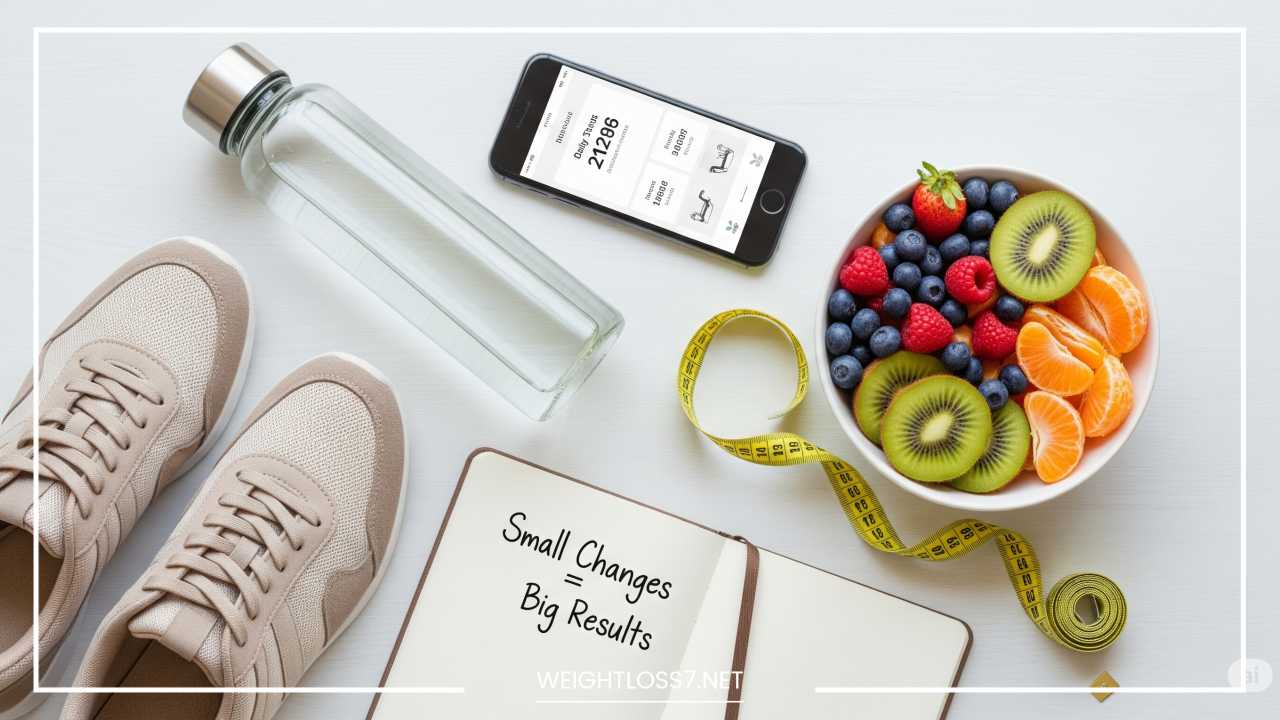
Best & Easiest Way to Lose Weight

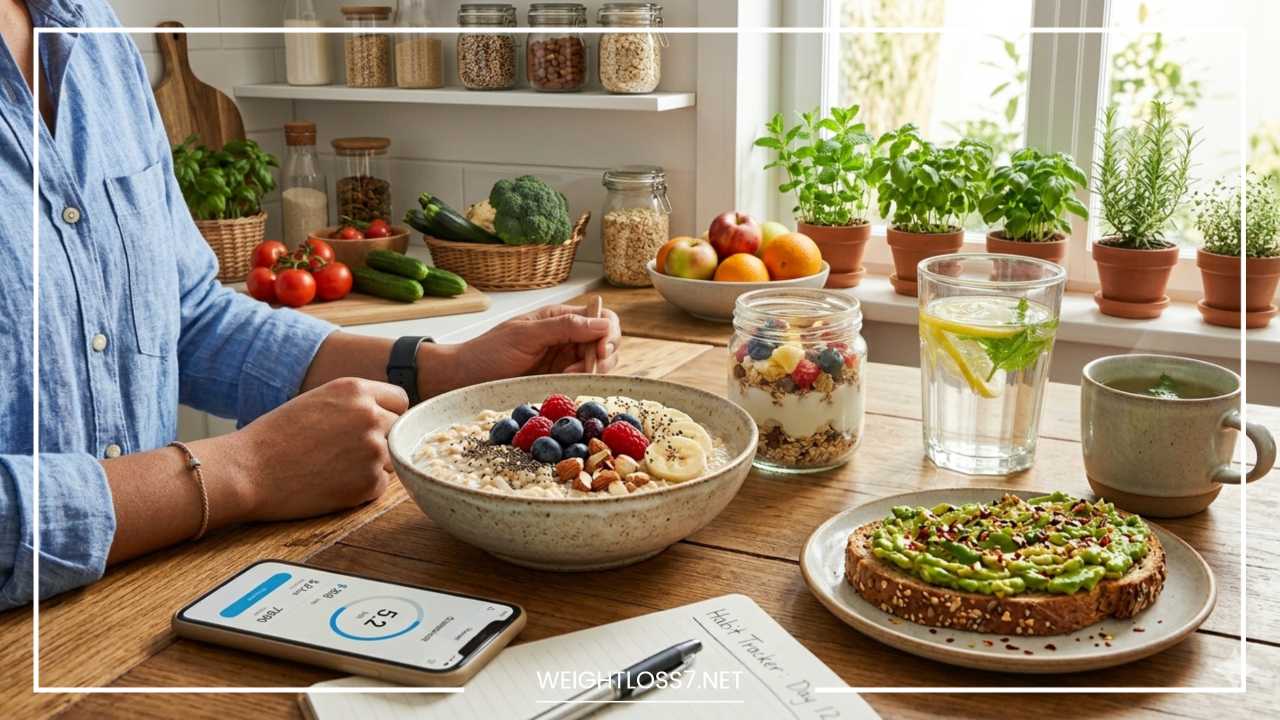
Best and Easiest Way to Lose Weight: Simple Tips for Fast Results
The pursuit of weight loss is one of the most common goals shared by people across the globe. Whether motivated by a desire to feel more comfortable in one’s own skin, a medical recommendation, or the simple wish for more energy to keep up with the demands of daily life, the journey toward a healthier weight is a deeply personal yet universal endeavor. However, the path is often cluttered with confusing jargon, extreme fad diets, and expensive supplements that promise much but deliver little.
The truth is that the best and easiest way to lose weight does not involve a “secret” formula or a grueling regime that is impossible to maintain. Instead, it relies on simple, effective strategies that anyone can apply, regardless of their starting point or lifestyle. By focusing on sustainable habits rather than quick fixes, you can achieve results that not only show up on the scale but also improve your overall quality of life. Beyond just the physical changes, weight loss brings a host of benefits including increased mental clarity, improved sleep quality, and a significant boost in long-term health. This guide is designed to strip away the complexity and provide you with a clear, actionable roadmap to success.
Understanding Weight Loss
To lose weight effectively, it is essential to understand the fundamental mechanism behind how the body manages energy. At its core, weight loss is governed by the principle of energy balance, often referred to as calories in versus calories out. Every movement you make, every breath you take, and even the process of digesting food requires energy, which we measure in calories. When you consume fewer calories than your body requires to maintain its current weight, a “caloric deficit” is created. In response, the body begins to tap into stored energy—primarily body fat—to make up the difference.
However, while the math seems simple, human biology adds a layer of nuance through metabolism. Metabolism is the chemical process by which your body converts what you eat and drink into energy. Everyone’s metabolic rate is slightly different, influenced by factors such as age, muscle mass, and genetics. For instance, individuals with more muscle tissue tend to burn more calories at rest because muscle is more metabolically active than fat. This is why a one-size-fits-all caloric number rarely works; your body’s needs are unique to you.
Setting realistic goals is the cornerstone of a successful weight loss journey. Many people fail because they aim for drastic results too quickly, leading to burnout or metabolic adaptation that stalls progress. A healthy and sustainable rate of weight loss is generally considered to be 0.5 to 1 kilogram (about 1 to 2 pounds) per week. While this may seem slow compared to the “overnight transformations” seen in advertisements, it is the pace most likely to lead to permanent change. By focusing on small, incremental victories, you build the momentum necessary to reach your ultimate destination.
Building Healthy Eating Habits
Dietary habits are arguably the most influential factor in weight management. You do not need to follow a restrictive or specialized diet to see results; rather, you need to refine how and what you eat.
Portion Control
One of the easiest ways to reduce caloric intake without feeling deprived is through portion control. In an era of “supersized” meals, our perception of a normal serving size has become distorted. A simple trick is to use smaller plates and bowls, which creates a visual illusion of a fuller plate. Additionally, using your hand as a guide can be helpful: a serving of grains should roughly be the size of your fist, while healthy fats should be about the size of your thumb. By being mindful of quantity, you can still enjoy your favorite foods while maintaining a deficit.
Balanced Meals
A balanced meal ensures that your body receives the nutrients it needs to function while keeping hunger at bay. Focus on filling half your plate with non-starchy vegetables like broccoli, spinach, or peppers. These are high in fiber and water, providing volume and satiety for very few calories. The remaining half should be split between complex carbohydrates, such as brown rice, quinoa, or oats, and healthy fats like avocados, nuts, or olive oil. Fiber is particularly important; it slows down digestion, preventing the blood sugar spikes and crashes that lead to cravings.
Meal Timing and Mindful Snacking
Consistency in meal timing can help regulate your hunger hormones. While some prefer three square meals, others find success with smaller, more frequent portions. The key is to avoid “grazing” throughout the day without intention. When snacking, choose nutrient-dense options like a piece of fruit or a handful of almonds rather than processed crackers or sweets. Pay attention to “mindless eating”—the habit of snacking while watching television or working—which often leads to overconsumption.
Hydration
Water is an unsung hero of weight loss. It is essential for every metabolic process in the body. Sometimes, our brains mistake thirst for hunger, leading us to eat when we actually just need a glass of water. Drinking a glass of water before a meal can help you feel fuller faster. Furthermore, replacing sugary drinks like sodas, sweetened teas, and processed juices with water or herbal tea can save hundreds of empty calories every day.
Smart Grocery Shopping
Weight loss begins in the grocery store. If you stock your kitchen with nutritious options, you are far more likely to make healthy choices when hunger strikes. Aim to shop the perimeter of the store, where fresh produce and whole grains are typically located. Avoid the middle aisles filled with highly processed, shelf-stable snacks as much as possible. A golden rule of shopping is never to go while hungry, as this almost always leads to impulsive, calorie-heavy purchases.
Physical Activity Made Simple
Exercise is a powerful tool for weight loss, but it doesn’t have to mean spending hours in the gym or running marathons. The best exercise is the one you actually do.
Daily Movement
Non-Exercise Activity Thermogenesis, or NEAT, refers to the energy expended for everything we do that is not sleeping, eating, or sports-like exercise. This includes walking to the mailbox, taking the stairs, cleaning the house, or even fidgeting. Increasing your daily movement is one of the easiest ways to burn extra calories. Aim to take the stairs instead of the elevator, or park further away from the entrance of your workplace. These small bursts of activity add up significantly over the course of a week.
Structured Exercise for Beginners
If you are new to exercise, start with walking. It is low-impact, requires no special equipment, and can be done anywhere. Gradually, you can introduce more structured activities. Cardio, such as cycling or swimming, is excellent for heart health and burning calories. However, do not overlook strength training. Using resistance bands or light weights helps build muscle mass, which in turn increases your resting metabolic rate. Even two sessions of full-body strength training a week can make a massive difference in how your body shapes up.
Consistency Over Intensity
Many people start with a high-intensity workout plan only to quit after a week because it is too difficult. Consistency is far more important than intensity. It is better to go for a brisk 20-minute walk every day than to do one 90-minute “killer” workout once a week. Find activities you genuinely enjoy—whether it’s dancing in your living room, gardening, or hiking. When movement feels like a hobby rather than a chore, you are much more likely to stick with it for the long term.
Integrating Movement into a Busy Schedule
If time is a barrier, look for “hidden” opportunities to move. Try “walking meetings” for phone calls, or do simple stretches and calf raises while waiting for your coffee to brew. High-Intensity Interval Training (HIIT) is another option for the time-crunched; these involve short bursts of intense activity followed by brief rest periods, often taking only 15 to 20 minutes but providing a significant metabolic boost.
Lifestyle Factors That Influence Weight
Weight loss is not just about what happens in the kitchen or the gym; it is also about what happens in your head and your bed.
The Power of Sleep
Sleep is often the missing piece of the weight loss puzzle. When you are sleep-deprived, your body produces more ghrelin (the hunger hormone) and less leptin (the fullness hormone). This hormonal imbalance leads to increased cravings for high-calorie, sugary foods. Aiming for 7 to 9 hours of quality sleep each night allows your body to recover, regulates your metabolism, and provides the energy you need to make healthy choices the next day.
Stress Management
In our fast-paced world, chronic stress is a major barrier to weight loss. High levels of cortisol, the body’s stress hormone, are linked to increased abdominal fat storage. Furthermore, many people turn to “emotional eating” as a way to cope with stress or anxiety. Finding non-food related ways to manage stress—such as deep breathing exercises, meditation, or spending time in nature—is crucial. By managing your stress, you reduce the likelihood of hormonal weight gain and impulsive eating.
Avoiding Sedentary Traps
Modern life is designed to be sedentary. Many of us sit for eight hours at a desk, only to go home and sit on the couch. This lack of movement slows down your metabolism and can lead to stiffness and fatigue. Use a standing desk if available, or set a timer on your phone to remind you to stand up and stretch every hour. Reducing screen time in the evening not only encourages more movement but also improves sleep quality by reducing exposure to blue light.
Mindset and Motivation
The psychological aspect of weight loss is often the hardest to master. Developing a resilient mindset ensures that you stay on track even when things get difficult.
Short-Term vs. Long-Term Goals
While having a long-term goal (like losing 20 kilograms) is good, it can feel overwhelming. Break this down into smaller, manageable “mini-goals,” such as losing 2 kilograms or consistently walking three times a week for a month. Celebrating these small wins provides the dopamine hit needed to keep going.
Tracking Progress
The scale is only one way to measure progress, and it can be deceptive due to water fluctuations or muscle gain. Use other metrics to track your success, such as how your clothes fit, your energy levels, or improvements in your strength and stamina. Keeping a food journal or using a mobile app can also provide valuable insight into your habits and help you identify patterns that might be holding you back.
Overcoming Setbacks
Almost everyone encounters a plateau—a period where weight loss stalls despite your best efforts. This is a natural part of the process as your body adjusts to its new weight. Do not get discouraged. Similarly, if you have a “bad day” and overeat, do not let it spiral into a bad week. One meal does not ruin your progress; what matters is what you do next. Simply return to your healthy habits at the very next opportunity.
Positive Self-Talk
Weight loss should come from a place of self-care, not self-punishment. If you constantly criticize yourself, the journey will feel miserable and unsustainable. Practice positive self-talk. Instead of saying “I can’t have that,” try saying “I am choosing to eat something that makes me feel better.” Building a healthy relationship with food and your body is the ultimate key to permanent results.
Simple Weight Loss Tips That Work for Everyone
Incorporating small, practical tweaks into your daily life can lead to significant results over time. This concept, often called “habit stacking,” involves adding a new healthy habit onto an existing one.
-
Smart Swaps: Small changes can save a significant number of calories. For example, swap creamy salad dressings for balsamic vinegar and a touch of olive oil. Use sparkling water with a squeeze of lime instead of soda. These tiny adjustments are barely noticeable but create a consistent caloric deficit.
-
Meal Prepping: You don’t have to spend your entire Sunday cooking, but preparing a few staples—like a big batch of brown rice or pre-chopped vegetables—can prevent you from reaching for convenience foods when you’re tired after work.
-
Mindful Eating: Slow down. It takes about 20 minutes for your brain to receive the signal that your stomach is full. By chewing thoroughly and savoring your food, you naturally eat less and enjoy your meals more.
-
The “One-Mile” Rule: If a destination is less than a mile away, try walking instead of driving.
-
Stay Busy: Boredom is a common trigger for snacking. Engaging in a hobby, calling a friend, or going for a walk can distract you from the urge to eat when you aren’t actually hungry.
Common Myths and Misconceptions
There is a lot of misinformation in the wellness industry that can lead to frustration. Let’s clarify a few common points:
-
Quick Fixes Don’t Work: Any plan that promises to help you lose 10 kilograms in a week is likely dangerous and definitely unsustainable. Rapid weight loss is usually mostly water weight and muscle, which returns as soon as you stop the restrictive plan.
-
Skipping Meals Backfires: Skipping breakfast or lunch often leads to extreme hunger later in the day, causing you to overeat at dinner or snack excessively at night.
-
Spot Reduction is a Myth: You cannot choose where your body loses fat. Doing a thousand sit-ups will strengthen your abdominal muscles, but it won’t specifically burn the fat covering them. Fat loss happens across the whole body simultaneously.
-
Supplements Aren’t Magic: There is no pill that can replace a healthy diet and movement. While some supplements may offer minor support, they are the “cherry on top” and will not work without the foundation of good habits.
Final Thoughts
Losing weight does not have to be a complicated or miserable process. By focusing on the fundamentals—creating a gentle caloric deficit through portion control, increasing daily movement, prioritizing sleep, and managing stress—you can achieve lasting results. The “easiest” way to lose weight is simply the one that you can stick to every day.
Remember that weight loss is a journey of a thousand small steps. It is not about being perfect; it is about being consistent. Start small: choose one habit from this guide to implement today, whether it’s drinking more water or taking a short walk after dinner. As that habit becomes second nature, add another. Over time, these small changes will compound, leading to a healthier, more energetic, and more confident version of yourself. Your journey to a better lifestyle starts with the very next choice you make.
Extending the Narrative: A Deeper Dive into Success
To reach the full depth of this guide, we must look closer at the internal mechanics of a successful transformation. Often, weight loss is framed as a battle against the self, but the most effective approach treats the body as a partner. When you nourish yourself with whole grains and hydration, your body rewards you with clarity and stamina. When you respect your need for rest, your hormones balance out, making weight management feel like a natural state rather than an uphill struggle.
Consider the environment you build around yourself. Weight loss is significantly easier when your surroundings support your goals. This means organizing your pantry so that healthy snacks are at eye level, keeping your walking shoes by the door, and surrounding yourself with people who encourage your progress. Community support, whether through an online group or a local walking club, provides accountability that can bridge the gap during periods of low motivation.
Furthermore, let us explore the concept of “metabolic flexibility.” This is the body’s ability to switch between burning carbohydrates and burning fat efficiently. By incorporating varied movement and balanced, whole-food-based meals, you train your body to be more efficient at utilizing its stored energy. This is why the focus should always remain on the quality of your lifestyle rather than the strictness of a temporary diet.
Ultimately, weight loss is about reclaiming your vitality. It is about the freedom to move without pain, the confidence to engage in social activities without self-consciousness, and the peace of mind that comes from knowing you are taking care of your future self. Every positive choice you make is a vote for the person you want to become. Stay patient, stay curious about what your body can achieve, and remember that progress—no matter how small—is still progress.