Healthy Slimming Habits for Women Over 40

Healthy Slimming Habits for Women Over 40: Simple Tips That Work
The transition into one’s forties often brings about a realization that the body no longer responds to lifestyle choices the same way it did in one’s twenties or thirties. Many women find that the “tried and true” methods of the past—skipping a meal here or adding an extra cardio session there—simply do not yield the same results. This shift is not a sign of failure, but rather an indication that the body is entering a new biological chapter that requires a more nuanced, sophisticated approach to health and weight management.
Healthy slimming after 40 is less about deprivation and more about optimization. It is about understanding the subtle shifts in metabolism, hormonal balance, and muscle density, and responding to those shifts with kindness and consistency. The goal is to move away from the frantic pursuit of a specific number on the scale and toward a sustainable lifestyle that fosters energy, strength, and longevity. By focusing on foundational habits, women can navigate this decade with confidence, achieving a body composition that feels vibrant and healthy.
Rethinking Weight Loss: From Dieting to Lifestyle
The word “diet” often carries a negative connotation, implying a temporary state of restriction and misery. For women over 40, the traditional dieting mindset is particularly counterproductive. Rapid weight loss followed by inevitable weight regain—often referred to as yo-yo dieting—can be harder on the metabolism as we age. Each cycle of restriction and bingeing can lead to a loss of lean muscle mass, making it even more difficult to maintain a healthy weight in the future.
The shift must be toward a lifestyle mindset. A lifestyle is evergreen; it does not have a start or end date. It is built on the concept of consistency over perfection. It is much more effective to be 80 percent consistent with healthy habits year-round than to be 100 percent perfect for three weeks and then give up entirely. Healthy slimming is the result of thousands of small decisions made daily—choosing water over soda, taking the stairs, or opting for a whole food snack over a processed one. When these choices become second nature, the weight tends to manage itself without the need for constant mental math or willpower-draining restrictions.
Understanding Your Body’s Changing Needs
One of the primary reasons weight loss feels different after 40 is the natural slowing of the basal metabolic rate. This is partly due to age, but more significantly due to the gradual loss of muscle mass, a process known as sarcopenia. Because muscle is more metabolically active than fat, having less of it means your body burns fewer calories at rest.
Furthermore, fat distribution often changes during this decade. Many women notice an increase in visceral fat—the fat stored around the midsection—even if their overall weight stays relatively stable. This is often linked to the body’s changing response to stress and insulin. Understanding that these shifts are biological helps remove the guilt often associated with weight gain. It also highlights why recovery, sleep, and stress management become just as important as diet and exercise. Your body is more sensitive to its environment than it used to be, and it thrives on stability and nourishment rather than intensity and depletion.
Smart Eating Habits Without Extreme Restrictions
In the quest for slimming, many are tempted to cut out entire food groups. However, for a general audience, the most successful approach involves inclusion rather than exclusion. The focus should be on what you can add to your plate to make it more nourishing.
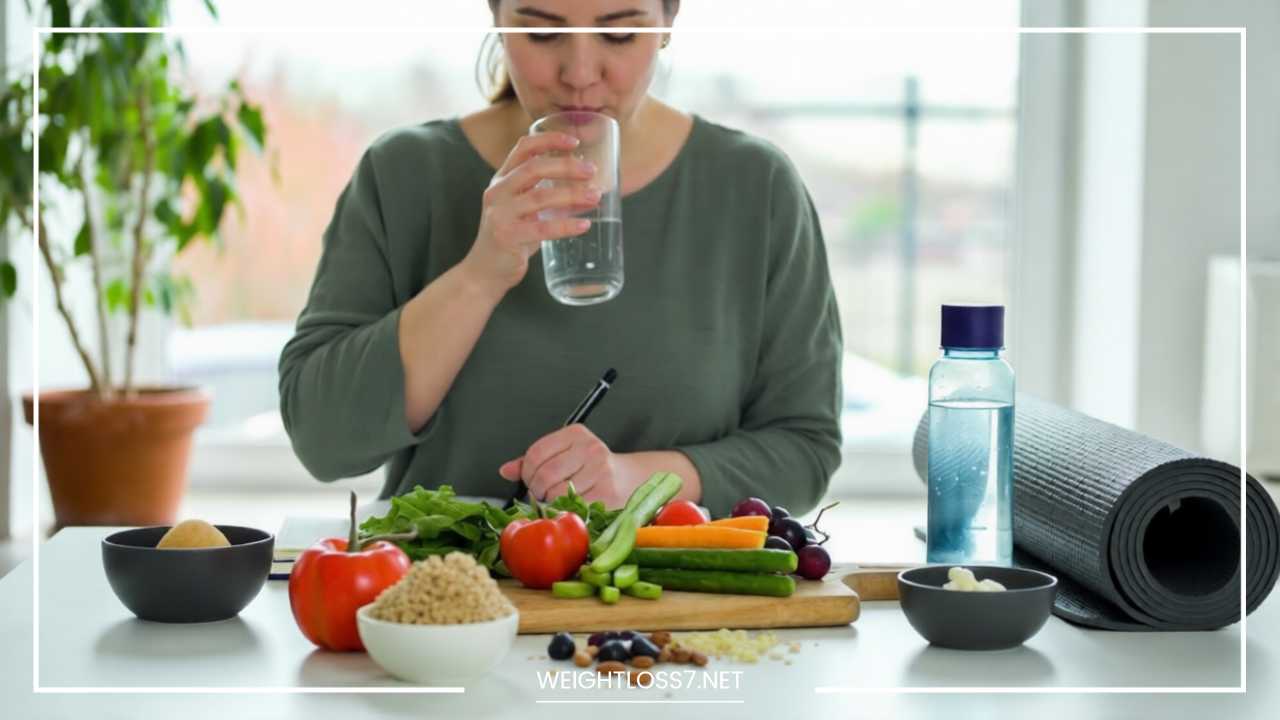
Portion awareness is a foundational habit. This does not mean you must carry a food scale everywhere, but rather that you develop an eye for balance. A helpful visual is to fill half your plate with colorful vegetables, one-quarter with high-quality protein (such as beans, lentils, chickpeas, or dairy), and one-quarter with complex carbohydrates like whole grains or starchy vegetables.
Prioritizing fiber is a “secret weapon” for healthy slimming. Fiber, found in fruits, vegetables, legumes, and whole grains, slows down digestion and helps you feel full for longer. It also supports a healthy gut, which is increasingly linked to weight regulation. Simultaneously, reducing added sugars and highly refined carbohydrates is essential. These foods cause sharp spikes in blood sugar, followed by crashes that trigger hunger and cravings.
Hydration is another critical factor. Sometimes the brain confuses thirst with hunger. Staying consistently hydrated with water, herbal teas, or infused water can prevent unnecessary snacking and support metabolic functions. Small, steady changes in how you assemble your meals will always outperform a “crash” approach.
Meal Timing and Mindful Eating
How you eat is often just as important as what you eat. In our fast-paced world, many women eat while working, driving, or scrolling through their phones. This distracted eating prevents the brain from registering fullness signals, leading to overconsumption.
Mindful eating involves slowing down and actually tasting the food. It means checking in with your body before you eat: Are you actually hungry, or are you bored, stressed, or tired? Learning to distinguish between physical hunger and emotional hunger is a transformative skill. By pausing midway through a meal to assess fullness, you allow your digestive hormones time to signal the brain that you have had enough.
Establishing regular meal patterns can also help stabilize blood sugar levels. While some find success with specific timing patterns, the most important factor is avoiding the “starve and stuff” cycle. Skipping meals often leads to intense evening hunger, which is when most people are most vulnerable to making poor food choices.
Strength Training: The Game Changer
If there is one non-negotiable habit for women over 40, it is resistance training. As mentioned, the loss of muscle mass is a primary driver of metabolic slowdown. Strength training is the only way to effectively counter this. By building or even just maintaining muscle, you keep your metabolic “engine” running efficiently.
Beyond metabolism, strength training is vital for bone health. As estrogen levels fluctuate, bone density can decrease; putting stress on the bones through resistance exercises helps keep them strong and reduces the risk of fractures later in life.
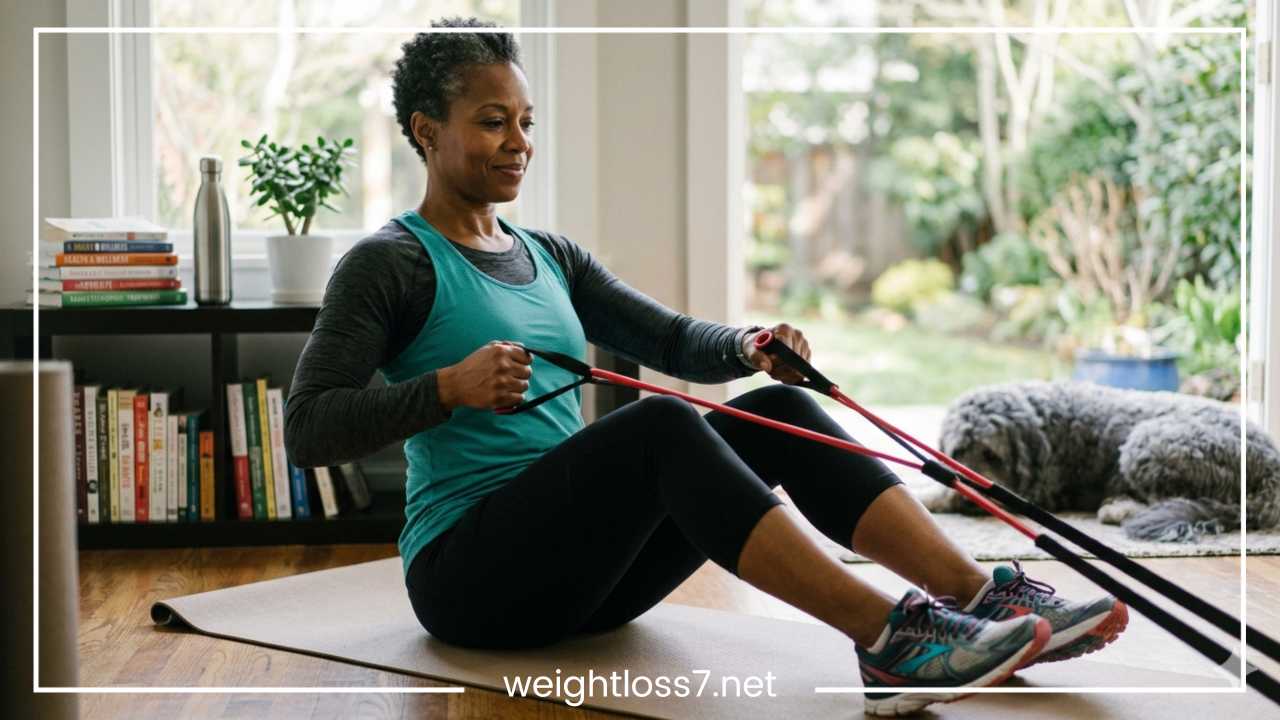
For those who are intimidated by the gym, strength training can start simply. Bodyweight exercises like squats, lunges, and modified push-ups are incredibly effective. Resistance bands are another low-impact, affordable way to build strength at home. Aiming for two to three sessions a week, focusing on all major muscle groups, can create a profound shift in body composition and confidence.
Cardio That Actually Works
While strength training is the foundation, cardiovascular health remains important. However, the “more is better” approach to cardio can backfire after 40. Long, grueling sessions of high-impact cardio can sometimes increase cortisol levels, which may encourage the body to hold onto fat.
Walking is perhaps the most underrated tool for healthy slimming. It is low-impact, accessible, and does not require a long recovery time. A daily brisk walk improves cardiovascular health, aids digestion, and serves as a powerful stress-reliever. For those looking for more intensity, “zone 2” cardio—where you are breathing harder but can still hold a brief conversation—is excellent for building aerobic capacity without overtaxing the system. The goal is to find movement that feels like a reward, not a punishment.
The Role of Daily Movement (NEAT)
Exercise is only one small part of the day. A much larger component of energy expenditure comes from Non-Exercise Activity Thermogenesis, or NEAT. This includes all the movement you do that isn’t a “workout”—cleaning the house, gardening, standing while on the phone, or walking from the far end of the parking lot.
Women who stay active throughout the day often find weight management easier than those who do a hard one-hour workout but remain sedentary for the other 23 hours. Small changes, like using a standing desk or taking a five-minute stretch break every hour, add up significantly over weeks and months. This “incidental movement” keeps the metabolism engaged and prevents the stiffness often associated with aging.
Sleep: The Overlooked Fat-Loss Factor
It is impossible to discuss healthy slimming after 40 without discussing sleep. This decade often brings sleep disruptions, yet sleep is when the body repairs tissue and regulates hormones. When you are sleep-deprived, two key hormones—ghrelin and leptin—get out of balance. Ghrelin (the hunger hormone) increases, while leptin (the fullness hormone) decreases.
This hormonal imbalance leads to intense cravings for high-calorie, sugary foods as the brain looks for a quick energy source to compensate for the lack of rest. Furthermore, poor sleep makes you less likely to exercise and more likely to feel stressed. Prioritizing a cool, dark room, a consistent bedtime, and a digital-free wind-down routine is not a luxury; it is a metabolic necessity.
Stress Management and Emotional Health
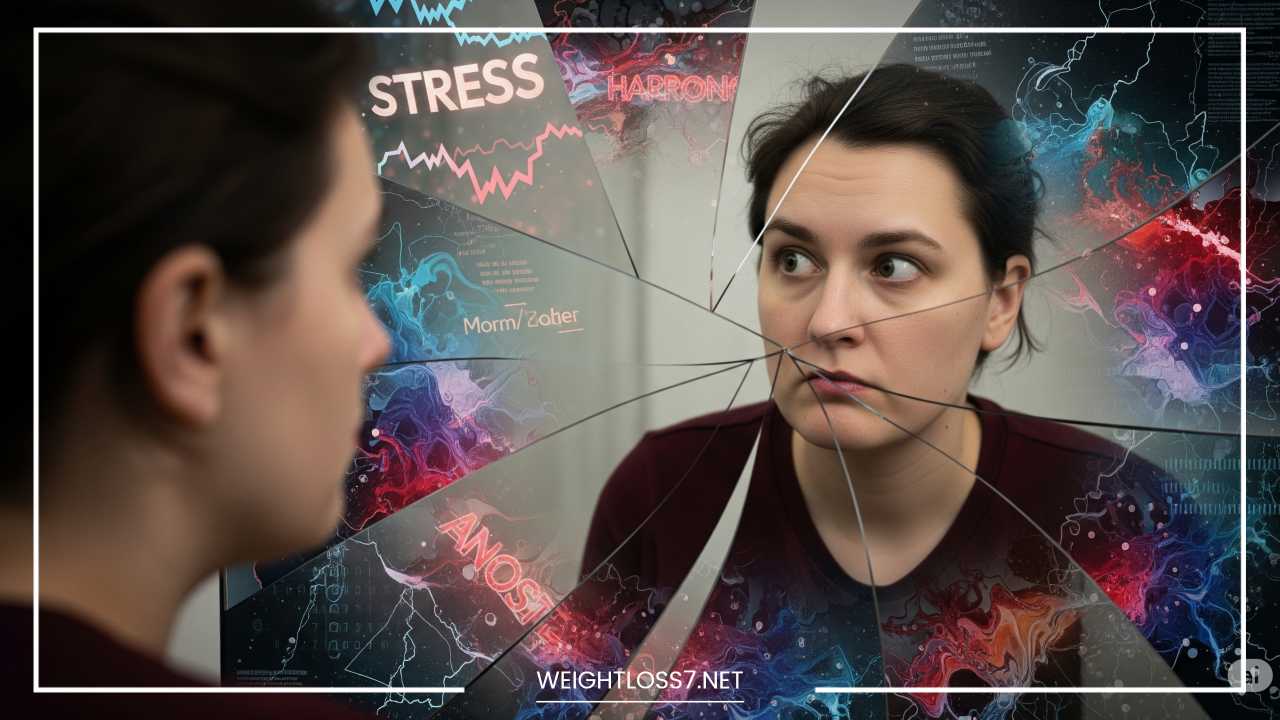
Stress is often the “silent” barrier to slimming. When the body is under chronic stress, it produces cortisol. While cortisol is necessary for survival, chronically elevated levels can signal the body to store fat, particularly in the abdominal area. It also tends to break down muscle tissue for quick energy, which is exactly what women over 40 want to avoid.
Managing stress requires proactive tools. This might include deep breathing exercises, journaling, or simply spending time in nature. It also involves setting boundaries and learning to say “no” to excessive demands on your time. Emotional health is deeply tied to physical health; when you feel centered and calm, you are less likely to turn to food for comfort and more likely to have the energy to care for your body.
Hormonal Changes Without the Hype
Much is said about the hormonal transitions of the forties, such as perimenopause. While these changes are real and can affect weight, they are not a “sentence” to inevitable weight gain. Instead, they are a signal that the body’s margins for error are narrowing.
Rather than falling for fear-based marketing or expensive “hormone-balancing” supplements, focus on what you can control. A diet high in fiber, adequate protein intake, and consistent strength training are the most effective ways to support your body through hormonal shifts. By stabilizing blood sugar and maintaining muscle, you provide your endocrine system with the best possible environment to find its new equilibrium.
Gut Health and Digestion
A healthy digestive system is the cornerstone of nutrient absorption and waste elimination. As we age, digestion can sometimes become sluggish. Ensuring you are eating enough fiber from various plant sources (vegetables, grains, beans) and staying hydrated are the first steps to supporting gut health.
A diverse gut microbiome is associated with a healthier weight and better immune function. You don’t need complicated “cleanses” to achieve this. Simply eating a wide variety of whole foods provides the prebiotics your gut bacteria need to thrive. Regular movement also aids in keeping the digestive tract moving, preventing bloating and discomfort.
Common Mistakes to Avoid
In the pursuit of slimming, it is easy to fall into old traps. The biggest mistake is the crash diet. These might provide quick initial results, but they almost always result in muscle loss and a slower metabolism, making long-term maintenance impossible.
Another mistake is over-exercising without adequate recovery. The body needs time to repair itself, especially after strength training. Without rest, inflammation remains high, and progress stalls. Finally, many women rely on “quick fixes” or trendy supplements. There is no pill or tea that can replace the foundational habits of good food, movement, and sleep. If a solution sounds too good to be true, it likely is.
Building a Sustainable Routine
The most effective way to implement these changes is through “habit stacking.” This involves taking a habit you already have (like brewing your morning coffee) and “stacking” a new habit on top of it (like doing five minutes of stretching while the coffee brews).
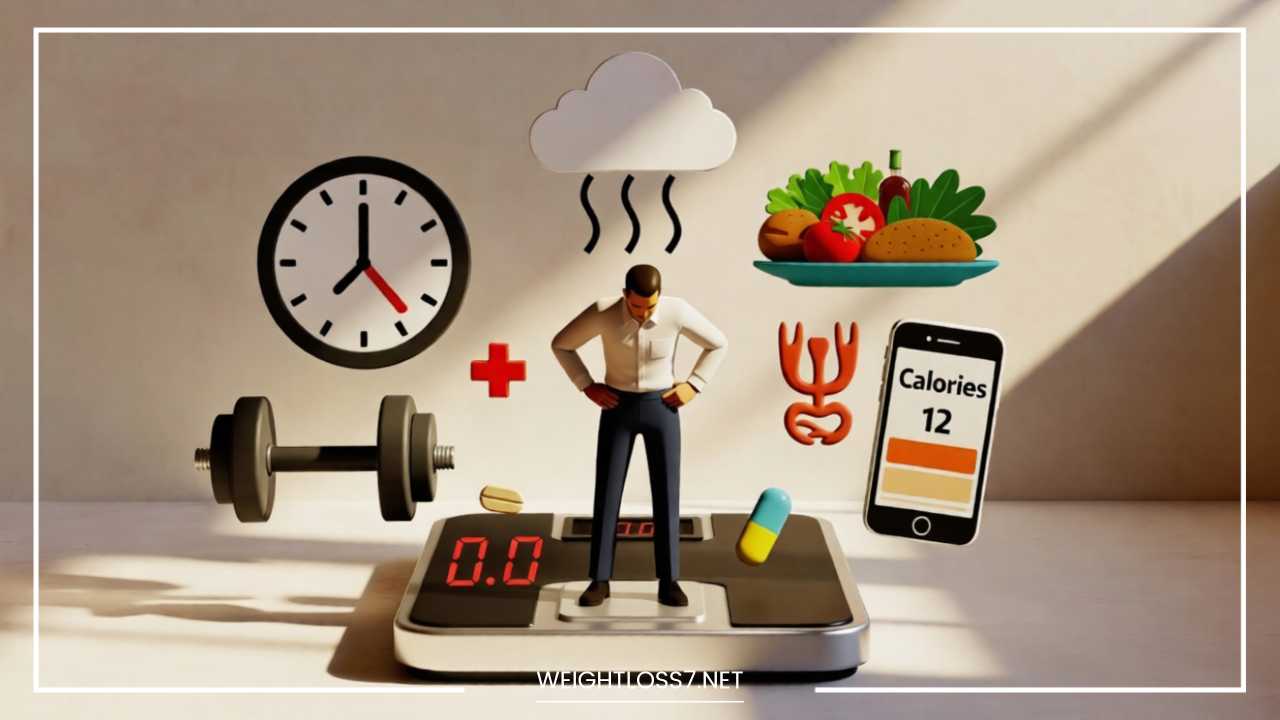
Set realistic goals that have nothing to do with the scale. For example, aim to walk 8,000 steps a day, or commit to three strength sessions a week. Track your progress by how your clothes fit, your energy levels throughout the day, and your mood. These “non-scale victories” are much more indicative of true health and are more motivating than a fluctuating number on a scale.
Motivation and Mindset
Weight loss is rarely a linear journey. There will be weeks where the scale doesn’t move, or where life gets in the way of your routine. The key to long-term success is letting go of perfectionism. If you have a “bad” day, don’t throw away the whole week. Simply make the next best choice at your very next meal.
Dealing with plateaus is a normal part of the process. Often, a plateau is just the body’s way of recalibrating to its new weight. Stay the course, focus on your strength, and celebrate the fact that you are taking care of yourself. A positive mindset—one that views healthy habits as an act of self-respect rather than a chore—is the ultimate predictor of success.
Sample Day of Healthy Habits
To see how this looks in practice, consider a typical day focused on healthy slimming:
-
Morning: Wake up and drink a large glass of water. Engage in ten minutes of light movement or a brisk walk in the fresh air. Eat a balanced breakfast with plenty of fiber and protein, such as oatmeal with seeds and nuts or Greek yogurt with berries.
-
Mid-Day: Take a break from sitting every hour. For lunch, have a large salad or a bowl of lentil soup with a side of whole-grain bread. Practice mindful eating by sitting away from your computer.
-
Afternoon: Stay hydrated with herbal tea. If hungry, have a handful of nuts or a piece of fruit.
-
Evening: Enjoy a dinner centered around vegetables and a solid protein source, like a bean-based chili or a stir-fry with tofu or cheese. Wind down by dimming the lights an hour before bed and reading a book instead of looking at a screen.
-
Night: Aim for 7–9 hours of sleep in a cool environment.
When to Seek Professional Guidance
While lifestyle habits are the foundation, there are times when professional help is beneficial. If you find that despite consistent effort, your weight continues to climb or you feel chronically exhausted, it is worth consulting a healthcare professional. They can check for underlying issues like thyroid imbalances or nutrient deficiencies. Working with a qualified trainer or a registered dietitian can also provide personalized strategies and accountability to help you break through plateaus safely.
Final Thoughts: A Long-Term Approach to Health
Healthy slimming for women over 40 is a journey toward becoming the strongest, most resilient version of yourself. It is about honoring the body you have by giving it the movement, nourishment, and rest it deserves. This decade is not the beginning of a decline, but an opportunity to refine your habits and build a foundation for a vibrant future.
By focusing on muscle preservation, mindful eating, stress management, and quality sleep, you are doing much more than just slimming down. You are protecting your heart, your bones, and your brain. Stay patient, stay consistent, and remember that true health is measured by how you feel, how you move, and the energy you bring to your life every single day. Sustainability is the ultimate goal—once you find a rhythm that feels good, the results will follow and, more importantly, they will stay.
Frequently Asked Questions About Healthy Slimming After 40
To help you navigate the journey of healthy slimming, here are answers to some of the most common questions women ask when looking for sustainable results.
How can I achieve healthy slimming for women over 40 without counting calories?
Focusing on food quality and satiety is the most effective way to slim down without the stress of constant tracking. Instead of counting every calorie, focus on “crowding out” processed foods by filling half your plate with fiber-rich vegetables and a quarter with high-quality protein. This naturally regulates your appetite. Listening to your internal hunger and fullness cues—a practice known as mindful eating—allows your body to manage its own energy balance effectively.
What are the best healthy slimming habits for menopausal weight gain?
Managing weight during menopause requires a focus on insulin sensitivity and stress reduction. Prioritizing a consistent sleep schedule and engaging in regular strength training are two of the most powerful habits. Strength training helps maintain muscle mass which often declines during this transition, while quality sleep keeps hunger-regulating hormones in check. Additionally, increasing daily fiber intake helps stabilize blood sugar levels, which can become more volatile during hormonal shifts.
How long does it take to see results from healthy slimming routines?
Healthy slimming is a gradual process that prioritizes fat loss over just “weight” loss. Most women start to notice changes in their energy levels and sleep quality within the first two weeks. Visible changes in body composition and how clothes fit typically become apparent within four to eight weeks of consistent lifestyle changes. Remember, a slower pace of roughly 0.5 to 1 kilogram per week is much more likely to be permanent than rapid, extreme loss.
Can walking every day lead to healthy slimming for women over 40?
Yes, walking is one of the most effective and sustainable tools for long-term slimming. A daily brisk walk of 30 to 45 minutes improves cardiovascular health, lowers cortisol (the stress hormone linked to belly fat), and increases your total daily energy expenditure without overtaxing your joints. For the best results, combine your walking routine with two days of resistance training to ensure you are burning fat while keeping your metabolism high.
What are the best high-protein vegetarian recipes for healthy slimming?
Focusing on legumes and whole grains is key for protein-rich, meat-free slimming. Excellent options include lentil and vegetable stews, chickpea curries with spinach, quinoa bowls topped with roasted seeds and tahini, or grilled cottage cheese (paneer) with colorful peppers. These meals provide a combination of protein and fiber that keeps you feeling full and satisfied for hours, reducing the urge to snack on refined sweets.
Why is strength training the best exercise for women over 40?
Strength training is essential because it directly addresses the root cause of age-related metabolic slowdown: the loss of lean muscle. By lifting weights or using resistance bands, you signal your body to maintain its muscle tissue. This keeps your resting metabolic rate higher, meaning you burn more calories even when you are not exercising. It also improves bone density and balance, which are vital components of long-term health.