Weight Loss Without Exercise: Simple Lifestyle & Diet Hacks


Weight Loss Without Exercise: Simple Lifestyle & Diet Hacks
The narrative surrounding weight loss is often dominated by images of grueling gym sessions, high-intensity interval training, and the pursuit of athletic performance. For many, this imagery creates a psychological barrier. Whether due to a demanding career, physical limitations, a lack of access to fitness facilities, or simply a personal preference for a sedentary lifestyle, the idea that exercise is the only gateway to a healthier weight can be discouraging.
However, the science of weight management offers a more inclusive perspective. Weight loss, at its core, is a matter of energy balance. While physical activity certainly contributes to the “energy out” side of the equation, the “energy in” side—the food and drink we consume—is the primary driver of weight changes for most individuals. It is entirely possible to achieve significant, sustainable weight loss by focusing exclusively on lifestyle and dietary adjustments. This approach doesn’t require a gym membership or a pair of running shoes; instead, it requires a series of intentional, small shifts in how we interact with food, how we sleep, and how we manage our daily environments.
The goal of this guide is to provide a comprehensive roadmap for losing weight through habit formation rather than physical exertion. By understanding how the body regulates weight and implementing strategic “hacks” into your daily routine, you can create a caloric deficit that leads to fat loss without ever lifting a weight or stepping on a treadmill.
Understanding the Basics of Body Weight Regulation
Before diving into specific strategies, it is essential to understand the biological mechanism of weight loss. Our bodies require a certain amount of energy, measured in calories, to maintain basic functions like breathing, circulating blood, and repairing cells. This is known as the basal metabolic rate. When we consume more energy than the body needs for these functions and for our daily movements, the excess is stored for later use, primarily in the form of adipose tissue (body fat).
Weight loss occurs when the body is forced to tap into these energy reserves. This happens when the energy intake from food is less than the energy the body expends. While exercise increases energy expenditure, reducing energy intake through dietary changes is often a more efficient path. For example, it might take an hour of vigorous activity to burn 400 calories, but it only takes a few seconds to decide not to eat a high-calorie snack that contains that same amount.
A common myth that holds people back is the idea of a “slow metabolism.” While metabolic rates do vary based on age, muscle mass, and genetics, most people’s metabolism is functioning exactly as it should. The “slowness” we perceive is often a result of modern environments that make high-calorie foods easily accessible while minimizing the need for movement. By focusing on consistent habits rather than looking for metabolic “miracles,” we can work with our biology rather than against it.
Portion Control: The Most Underrated Weight Loss Tool
In an era of “super-sized” meals and large dinnerware, our perception of a normal serving size has become distorted. We often eat not until we are satisfied, but until the plate is empty or the package is gone. Portion control is perhaps the most effective tool for weight loss because it allows you to eat the foods you enjoy while simply consuming less of them.
One of the easiest ways to implement portion control is by changing your environment. Research has shown that the size of our plates and bowls significantly influences how much we eat. When we use a large plate, a standard serving of food looks small, leading us to add more to fill the empty space. By switching to smaller plates, the same amount of food looks like a generous portion, which can trick the brain into feeling more satisfied.
Another strategy is to avoid eating directly from large packages or containers. Whether it is a bag of nuts or a tub of yogurt, eating straight from the source makes it nearly impossible to track how much you have consumed. Instead, serve a specific amount into a small bowl and put the package away. This creates a physical and mental “stop point.”
Learning to distinguish between true physiological hunger and emotional cues is also vital. We often eat out of boredom, stress, or simply because it is “lunchtime,” regardless of whether we are actually hungry. Before reaching for a second helping, wait ten to fifteen minutes. It takes time for the stomach to signal to the brain that it is full. Often, that initial urge for more food will pass if you give your body a chance to catch up.
Smarter Eating Patterns That Naturally Reduce Calories
The structure of your day can be just as important as the food on your plate. Irregular eating patterns often lead to “extreme hunger,” which is the enemy of weight loss. When we go too long without eating, our blood sugar drops, and our primal hunger signals take over, making us much more likely to choose high-calorie, highly processed foods and to eat them quickly and in large quantities.
Consistency is key. By eating at relatively similar times each day, you regulate your body’s hunger hormones. You don’t necessarily need to eat six small meals a day—which can actually lead to overconsumption for some—but having a predictable pattern for breakfast, lunch, and dinner helps prevent the late-night raids on the pantry.
There is also the concept of mindful timing. For instance, many people find that establishing a “kitchen closing time” in the evening helps eliminate the mindless snacking that often happens while watching television. If you decide that you won’t eat after 8:00 PM, you remove a significant window of time where many “hidden” calories are typically consumed. This isn’t about a strict diet rule; it’s about creating a boundary that supports your goals.
Choosing More Filling Foods Without Dieting Labels
Weight loss is much easier to sustain when you don’t feel hungry all the time. This is where the concept of satiety—the feeling of fullness and satisfaction after a meal—comes into play. Some foods are naturally more satiating than others, meaning they keep you full for longer on fewer calories.
High-fiber foods are the gold standard for satiety. Fiber is a type of carbohydrate that the body cannot digest. It adds bulk to your meals and slows down the digestion process, which prevents rapid spikes and crashes in blood sugar. Whole grains (such as oats, brown rice, and quinoa), legumes (beans, lentils, and chickpeas), and a wide variety of fruits and vegetables are excellent sources of fiber.
In addition to fiber, foods with high water content can help you feel full. Soups, stews, and salads allow you to eat a larger volume of food for a relatively low number of calories. Starting a meal with a simple broth-based soup or a green salad can take the edge off your appetite, leading you to eat less of the calorie-dense main course.
To create a balanced, filling meal without meat, focus on combining fiber with non-meat protein sources. Legumes, tofu, tempeh, Greek yogurt, cottage cheese, and nuts provide the necessary components to signal to your brain that you have been well-fed. When your meals are balanced this way, you are less likely to go looking for a snack an hour later.
Cutting Down Hidden Calories in Daily Habits
Many people struggle to lose weight because they are consuming hundreds of calories a day that they don’t even realize they are eating. These “hidden” calories often come in liquid form or through small, mindless habits.
Sugary beverages are perhaps the largest contributor to unintentional weight gain. Sodas, sweetened teas, specialty coffee drinks, and even some fruit juices are loaded with sugar but offer almost no satiety. Because the brain does not register liquid calories the same way it registers solid food, you can drink 500 calories and still feel just as hungry as you did before. Switching to water, sparkling water, or unsweetened tea can create a massive caloric deficit over time without requiring you to change a single thing about your meals.
Condiments and spreads are another common source of hidden calories. A heavy hand with salad dressings, mayonnaise, or creamy sauces can easily add 200 to 300 calories to an otherwise healthy meal. Opting for vinegar, mustard, lemon juice, or spices can provide flavor without the caloric load.
Finally, be aware of “distracted eating.” When we eat while scrolling through our phones or watching a movie, we lose touch with our body’s fullness signals. It is incredibly easy to finish a large bag of snacks without even tasting them when our attention is elsewhere. Making it a rule to eat only when sitting at a table, without distractions, can naturally lead to eating less.
Mindful Eating: Slowing Down Changes Everything
The pace at which we eat has a profound impact on our weight. In our fast-paced culture, we often treat eating as a task to be completed as quickly as possible. However, it takes approximately twenty minutes for the hormones produced in the gut to reach the brain and signal satiety. If you finish your meal in five minutes, you are likely to overeat before your brain even realizes you’ve had enough.
Mindful eating is the practice of being fully present during a meal. It involves engaging all the senses: noticing the colors of the food, the different textures, the aromas, and the complex flavors. By slowing down, you give your body the time it needs to process the intake.
Practical ways to slow down include:
-
Chewing thoroughly: Aim to chew each bite until it is almost liquid. This not only aids digestion but forces a slower pace.
-
Putting utensils down: Between each bite, set your fork or spoon on the table. Do not pick it up again until you have finished swallowing the previous bite.
-
Sipping water: Taking small sips of water throughout the meal can help you pace yourself and stay hydrated.
When you slow down, you often find that you are satisfied with much less food than you previously thought necessary. You begin to enjoy the food more, making the experience more rewarding and reducing the urge to seek out more food for pleasure.
Sleep and Weight Loss Connection
It might seem strange to suggest that sleeping more can help you lose weight, but the connection is backed by significant biological evidence. Sleep is a critical regulator of the hormones that control hunger: ghrelin and leptin.
Ghrelin is the “hunger hormone” that tells your brain it’s time to eat. Leptin is the “fullness hormone” that tells your brain you have enough energy stored. When you are sleep-deprived, your body produces more ghrelin and less leptin. This creates a “perfect storm” for weight gain: you feel hungrier throughout the day, and you feel less satisfied by the food you do eat.
Furthermore, a tired brain has less impulse control. When you are exhausted, the reward centers of your brain become more active, making high-calorie, sugary foods look much more appealing than they would if you were well-rested. This is why a late night often leads to cravings for junk food the following day. Prioritizing seven to nine hours of quality sleep is not just good for your mood; it is a foundational pillar of weight management.
Stress Management and Emotional Eating
Stress is another significant factor in why we hold onto weight. When we are stressed, our bodies release cortisol, a hormone that can increase appetite and specifically encourage the storage of fat in the abdominal area. For many, food becomes a primary coping mechanism—a way to soothe anxiety, numb boredom, or reward oneself after a difficult day.
The first step in managing emotional eating is awareness. Before you eat, ask yourself: “Am I physically hungry, or am I feeling something else?” If you aren’t hungry enough to eat a piece of fruit or a simple vegetable, you are likely experiencing emotional hunger.
Finding alternatives to food for stress management is essential. This doesn’t have to involve exercise. It could be as simple as five minutes of deep breathing, writing in a journal, calling a friend, or engaging in a hobby like reading or crafting. By creating a “buffer” between the stressor and the act of eating, you give yourself the opportunity to choose a different response.
Small Daily Movement (Without Calling It Exercise)
While this article focuses on weight loss without a structured exercise program, that does not mean you should aim for total stillness. There is a huge difference between “exercise” (going for a run, lifting weights) and “non-exercise activity” (standing, walking, cleaning).
In the scientific community, this is known as NEAT (Non-Exercise Activity Thermogenesis). NEAT accounts for the energy we expend doing everything that isn’t sleeping, eating, or sports-like exercise. It can vary by hundreds of calories per day between two people of the same size.
Increasing your daily movement can be seamless:
-
Stand instead of sit: If you work at a desk, try standing for parts of the day or during phone calls.
-
Take the stairs: Choosing the stairs over the elevator is a classic for a reason—it adds up over weeks and months.
-
Fidget and move: Even small movements like tapping your feet or stretching while sitting contribute to your daily energy burn.
-
Household tasks: Cleaning, gardening, or organizing a closet are all ways to stay active without it feeling like a workout.
The goal isn’t to get your heart rate into a specific “zone” but rather to avoid being sedentary for hours on end.
Smart Grocery Choices and Environment Control
Willpower is a finite resource. If you have to fight the urge to eat a bowl of high-calorie snacks every time you open your pantry, you will eventually lose that battle. The most successful people in weight loss don’t have more willpower; they simply have better environments.
The process of weight loss starts at the grocery store. If you don’t buy it, you won’t eat it. Focus on filling your cart with whole foods—vegetables, fruits, grains, and legumes. Read labels carefully. Many products marketed as “healthy” are actually high in added sugars or unhealthy fats. Look for short ingredient lists and be wary of anything where sugar is one of the first three ingredients.
Once you get home, organize your environment to make the healthy choice the easy choice. Keep a bowl of fresh fruit on the counter where it is visible. Keep pre-washed vegetables in the front of the refrigerator. Conversely, if you do keep more indulgent snacks in the house, store them in an opaque container on a high shelf where they are out of sight. Out of sight truly is out of mind when it comes to mindless snacking.
Hydration and Its Role in Appetite Control
Water is essential for every metabolic process in the body, including the breakdown of fat. Beyond its physiological necessity, water is a powerful tool for appetite management.
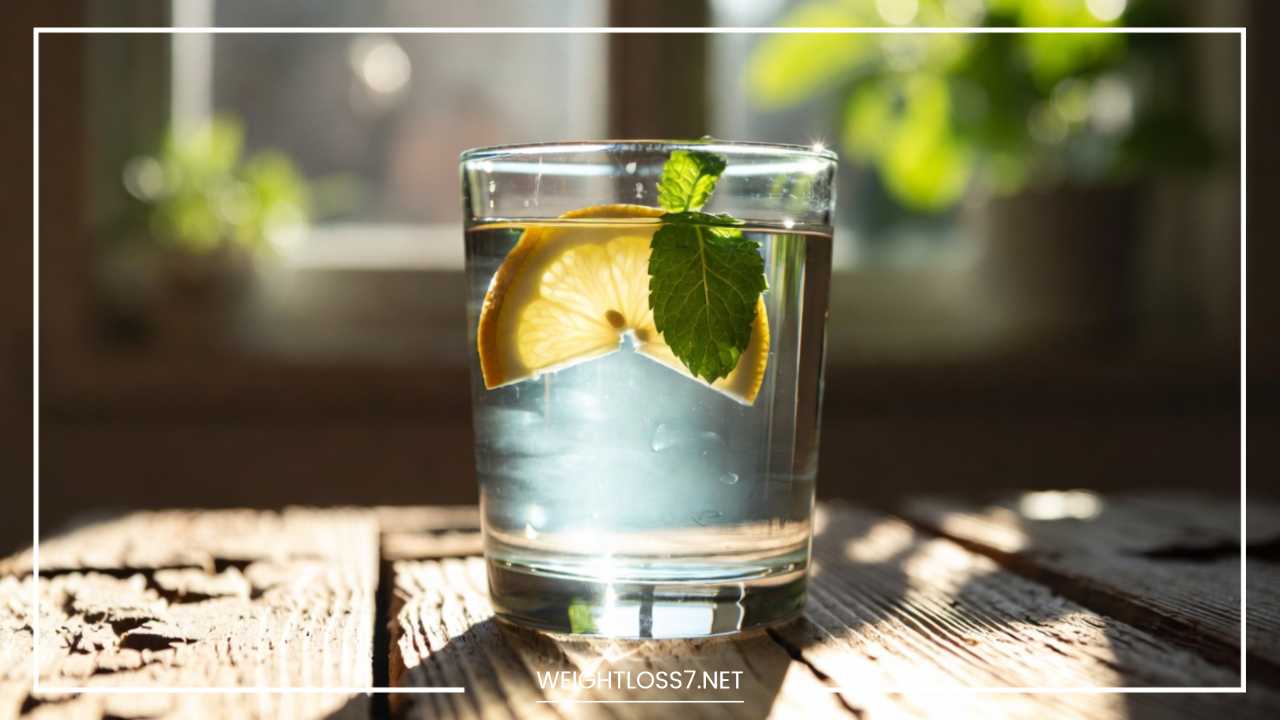
The brain’s signals for hunger and thirst are very similar. Often, when we think we are hungry, we are actually just slightly dehydrated. Before you reach for a snack, drink a glass of water and wait ten minutes. You might find that the “hunger” disappears.
Drinking water before a meal can also lead to consuming fewer calories. The water takes up space in the stomach, helping you reach that feeling of fullness more quickly. Additionally, staying hydrated ensures that your digestion remains smooth and your energy levels stay stable, making you less likely to seek out sugary “pick-me-ups” in the afternoon.
Consistency Over Perfection: The Real Secret
The biggest mistake people make when trying to lose weight is adopting an “all-or-nothing” mindset. They believe that if they “cheat” on their plan or have a day where they overeat, the whole effort is ruined. This often leads to a spiral of overconsumption.
Weight loss is not about being perfect for a week; it is about being consistent for months. A single meal or a single day will not make or break your progress. What matters is what you do the majority of the time. If you have a day where you eat more than planned, simply return to your healthy habits at the very next meal.
Flexibility is the key to sustainability. If you completely restrict the foods you love, you will eventually burn out. Allow yourself small portions of your favorite treats. By removing the “forbidden” status of these foods, you reduce their power over you and make it easier to stay on track in the long run.
Common Mistakes People Make
Even with the best intentions, certain pitfalls can stall progress. Being aware of these can help you navigate your journey more effectively:
-
Expecting instant results: Weight loss is a slow process. Aiming for a loss of 0.5 to 1 kilogram per week is healthy and sustainable. Anything faster is often just water weight and is likely to return.
-
Over-restricting food: If you eat too little, your body may respond by lowering its energy expenditure and increasing hunger hormones, making it impossible to stick to the plan.
-
Ignoring sleep and stress: You cannot out-diet a lifestyle that is chronically stressed and underslept. These factors are just as important as the food you eat.
-
Relying on motivation: Motivation is a feeling that comes and goes. Habits are behaviors that you do regardless of how you feel. Focus on building the habit, and the results will follow.
Final Thoughts: Building a Sustainable Lifestyle
Losing weight without exercise is not about finding a magic pill or a secret shortcut. It is about returning to a more intentional way of living. It is about reclaiming your kitchen, respecting your body’s need for rest, and becoming an observer of your own habits.
When you focus on portion control, nutrient-dense foods, and mindful eating, you aren’t just “going on a diet.” You are restructuring your relationship with food in a way that can last a lifetime. These small, daily “hacks”—using a smaller plate, drinking more water, sleeping an extra hour—might seem insignificant on their own, but when compounded over weeks and months, they lead to profound changes in your weight and your overall well-being.
The journey to a healthier weight is personal and unique. By removing the pressure of a rigorous exercise routine, you can focus your energy on the dietary and lifestyle changes that offer the greatest return on investment. Be patient with yourself, stay consistent, and remember that every small choice you make is a step toward a more vibrant, balanced life.
Frequently Asked Questions About Losing Weight Without Working Out
To help you navigate the nuances of weight management through lifestyle changes, here are some of the most common questions people ask when looking to shed pounds without a traditional fitness routine.
Can you really lose belly fat without doing any exercise?
Yes, it is entirely possible to reduce belly fat without targeted exercise. Fat loss occurs systemically, meaning your body draws energy from fat stores across the entire body when you are in a caloric deficit. By focusing on high-fiber foods, reducing sugar intake, and managing stress—which lowers cortisol, a hormone linked to abdominal fat storage—you can effectively reduce your waistline. Consistency in your eating patterns is the most significant factor in seeing these results.
How much weight can I lose in a month by only changing my diet?
While individual results vary based on starting weight and metabolism, a safe and sustainable rate of weight loss is generally 0.5 to 1 kilogram per week. This means you could potentially lose between 2 and 4 kilograms in a month simply by refining your dietary habits and portion sizes. Aiming for this gradual pace is superior to “crash dieting” because it helps preserve lean tissue and ensures the weight stays off long-term.
What are the best drinks for weight loss besides water?
If you are looking for variety while avoiding “liquid calories,” unsweetened green tea and black coffee are excellent choices. Green tea contains antioxidants that may subtly support metabolism, while the caffeine in coffee can act as a natural appetite suppressant for some people. Herbal teas, such as peppermint or ginger, are also great options for staying hydrated and occupied between meals without adding sugar or calories to your daily total.
Is it possible to lose weight without exercise if I have a slow metabolism?
Absolutely. While metabolism plays a role in how many calories you burn at rest, weight loss is still governed by the balance of energy. Even with a naturally slower metabolic rate, you can achieve a deficit by prioritizing protein-rich non-meat foods and high-fiber vegetables that require more energy to digest (known as the thermic effect of food). Additionally, improving your sleep quality can help optimize your metabolic health.
Why am I not losing weight even though I’m not eating much?
Plateaus or a lack of progress often stem from “hidden calories” or a lack of consistency. You might be consuming calorie-dense condiments, sugary drinks, or larger portions than you realize. Another common factor is the “all-or-nothing” cycle, where being very restrictive during the week leads to overeating on the weekends. Tracking your intake for a few days or focusing on mindful eating can help identify where these extra calories are coming from.
Does drinking water before meals actually help with weight loss?
Research suggests that drinking approximately 500ml of water about 30 minutes before a meal can significantly aid weight loss. This practice helps fill the stomach, which can lead to a natural reduction in the amount of food consumed during the meal. It also ensures that you aren’t mistaking thirst for hunger, which is a common cause of unnecessary snacking.