Not Losing Any Weight? 9 Hidden Reasons Your Scale Isn’t Moving

Not Losing Any Weight? 9 Hidden Reasons Your Scale Isn’t Moving
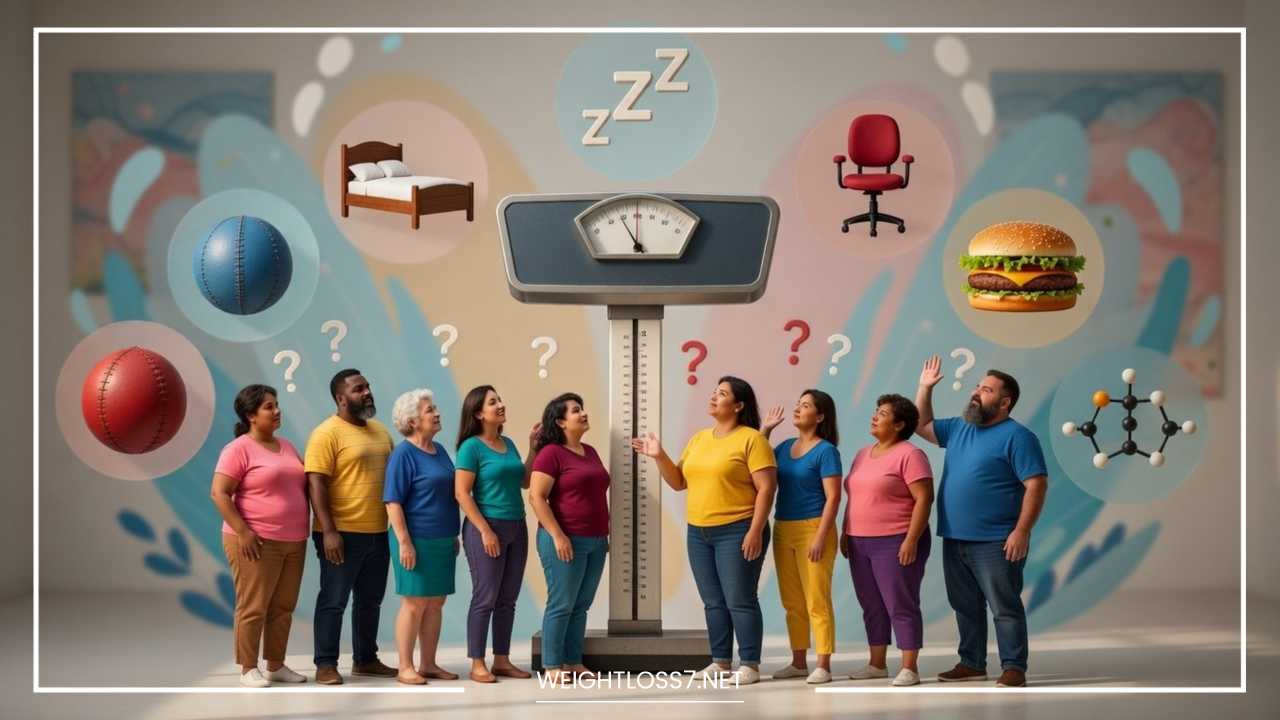
There are few experiences as universally disheartening as the phenomenon of the weight loss plateau. You have committed your time, your energy, and your focus to a plan that you believed would yield results. You have swapped convenience for preparation, chosen movement over sedentary hours, and approached your daily intake with a newfound sense of discipline. Yet, as you step onto the scale, the digital display remains stubbornly fixed. Week after week, the numbers do not budge, or perhaps they fluctuate within a range that feels agonizingly meaningless.
This moment of stagnation often triggers a cascade of negative emotions. It is common to feel like your efforts are being wasted, or worse, to conclude that your body is inherently resistant to change. However, it is vital to pause and reframe this perspective. A weight loss plateau is rarely a sign of failure. In most cases, it is a physiological signal that your body is adjusting to a new set of circumstances, or that there are subtle, invisible factors interfering with your metabolic process.
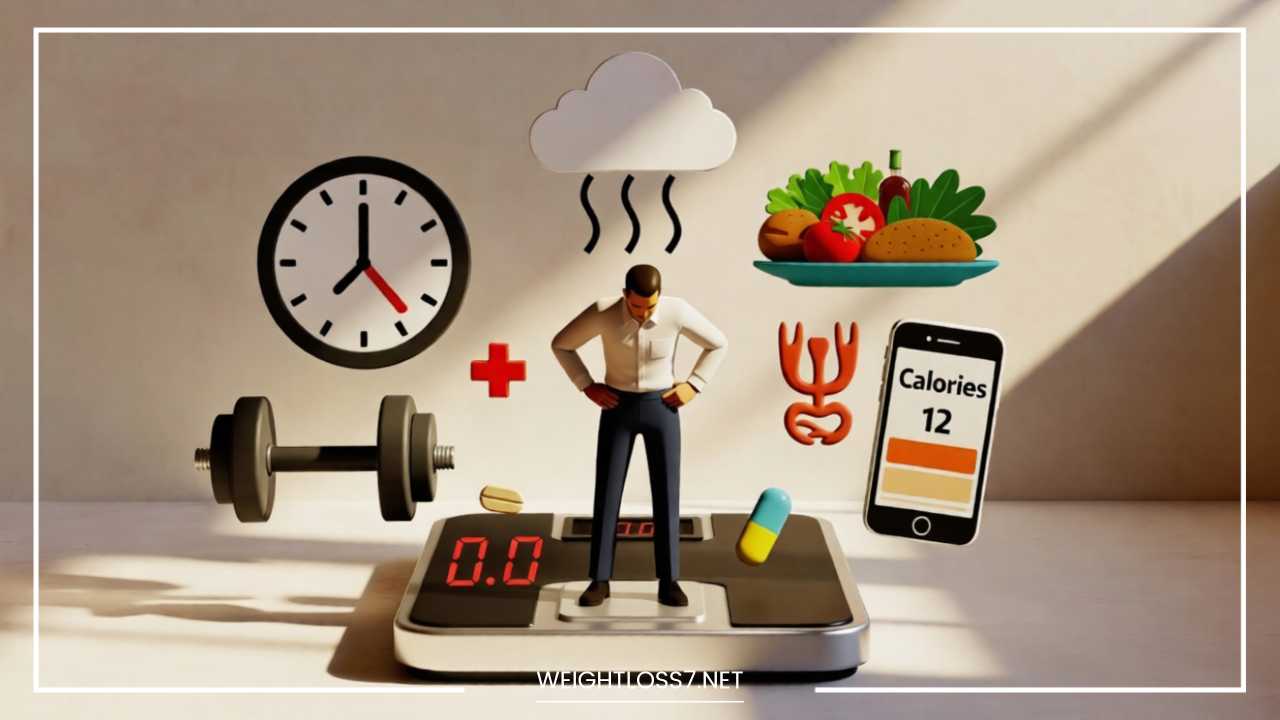
The journey toward a healthier body composition is not a linear path. It is complex, nuanced, and deeply individual. When the scale stops moving, it is rarely due to a lack of effort. Instead, it is usually because the body has adapted or because there are hidden variables—ranging from hormonal shifts to unconscious habits—that are keeping you at a standstill. In this article, we will examine nine hidden reasons why your progress might be stalled. By looking past the simplistic “calories in versus calories out” model and into the biological and behavioral realities of weight management, we can identify exactly how to break through the wall and return to a state of steady, sustainable progress.
1. Inaccurate Calorie Tracking
The most frequent culprit behind a lack of progress is the discrepancy between what we believe we are eating and what we are actually consuming. Human beings are notoriously poor at estimating caloric intake. Even when we make a conscious effort to be precise, small errors can accumulate into a significant surplus by the end of the week.
The most common mistakes include underestimating portion sizes, failing to record “bites, licks, and tastes” taken while cooking, and ignoring the calorie content of condiments or beverages. A drizzle of oil in the pan, a spoonful of dressing on a salad, or a splash of creamer in your coffee may seem insignificant in the moment, but these caloric additions add up quickly. Furthermore, we often fall into the “health halo” trap, where we assume that foods labeled as nutritious have a negligible impact on our total caloric load. While these foods are excellent for long-term health, they still contain energy that must be accounted for if weight loss is the primary goal.
To fix this, consider using a food tracking app, but do so with the goal of gaining data rather than fostering an obsessive mindset. For one week, try using a kitchen scale to weigh your food. This practice is eye-opening because it calibrates your internal estimation tools. Once you have a better grasp of what a standard serving actually looks like, you can stop the meticulous logging and move toward a more intuitive, yet informed, approach to your daily nourishment.
2. Overestimating Physical Activity
We have a tendency to view exercise as a “get out of jail free card.” When we commit to a challenging workout, we feel entitled to a surplus, often believing that we burned more calories than we actually did. Fitness trackers and the displays on gym equipment are frequently off-base, often inflating the actual energy expenditure of a session. Relying on these numbers to justify extra food intake is a common reason why weight loss stalls.
Furthermore, we often overlook the importance of non-exercise activity thermogenesis, or NEAT. This is the energy you burn during everything other than structured exercise: walking to the store, standing while you work, cleaning the house, or even simple fidgeting. If you complete a rigorous workout but spend the rest of the day in a completely sedentary state, your total daily energy expenditure may be much lower than you expect.
Instead of focusing solely on how many calories a device says you burned during a forty-minute workout, focus on increasing your baseline activity. Aim for more movement throughout the entire day. Take the stairs, walk to a further destination, or set a timer to stand up and stretch every hour. By shifting your focus from the “exercise session” to your “daily movement,” you create a more consistent and sustainable caloric burn that supports your goals without the need for intense, exhausting workouts.
3. High Stress Levels
Stress is a significant, yet often overlooked, biological barrier to weight loss. When you are under chronic stress, your body’s adrenal glands produce more cortisol, a hormone that regulates how your body manages energy and responds to danger. While cortisol is useful in short bursts, elevated levels over long periods can cause the body to prioritize energy storage, particularly in the abdominal area.
Chronic stress also affects your behavior in subtle ways. It often leads to a diminished ability to make rational, long-term decisions about food. When you are mentally or emotionally exhausted, your brain craves high-energy, comforting options that provide a quick dopamine hit. Furthermore, stress-induced fatigue can make it harder to stick to a consistent exercise routine.
Managing stress is not just a luxury; it is a weight loss strategy. Incorporating daily practices that calm the nervous system—such as deep, rhythmic breathing, meditation, or even just fifteen minutes of quiet time—can significantly lower your cortisol baseline. When you create an environment of internal calm, your body is much more likely to release stored energy. Addressing the root cause of your stress is as important as any change you make to your plate.
4. Poor Sleep Quality
If you are not sleeping well, your hormones are working against you. Sleep deprivation is a major disruptor of appetite regulation. It causes your body to increase the production of ghrelin, the hunger hormone, and decrease the production of leptin, the fullness hormone. This creates a state of biological urgency to consume more food, specifically items that provide quick, accessible energy.
Beyond the impact on your appetite, a lack of sleep affects your willpower and cognitive function. When you are tired, you are less likely to stick to your planned routine, more likely to skip your exercise, and more prone to making impulsive choices. Sleep is the time when your body repairs tissue and rebalances your metabolic processes.
To improve your sleep, you must treat it with the same respect as your exercise or diet. Establish a consistent bedtime and wake-up time, even on weekends. Minimize your exposure to artificial blue light from screens at least an hour before you intend to go to sleep. Create a sanctuary in your bedroom—ensure it is dark, cool, and quiet. If you struggle with sleep, view this as a primary health target. Often, improving the quality of your rest is the “missing key” that allows your metabolism to start functioning optimally again.
5. Hidden Medical Issues
It is possible that the resistance you are facing has a biological root that requires the support of a healthcare professional. Conditions like hypothyroidism, where the thyroid gland does not produce enough hormone, can slow your metabolic rate significantly. Insulin resistance is another common issue where the body becomes less efficient at processing glucose, which can make fat loss much harder. Additionally, certain medications for common ailments may list weight gain or increased appetite as side effects.
If you have been consistent with your efforts for three to six months and have seen zero change, do not assume you are not working hard enough. Instead, schedule a consultation with a doctor. A routine blood panel can identify if there are any underlying hormonal or metabolic issues that need attention. This is not about finding an excuse; it is about taking an informed approach to your biology. Identifying a medical issue does not mean you stop trying—it means you start working with your body rather than against it. Once medical factors are addressed, your efforts will likely begin to yield the results they deserve.
6. Consuming Too Many “Healthy” Foods
“Healthy” does not mean “calorie-free.” This is a lesson that many people have to learn the hard way. Foods that are nutrient-dense—such as avocados, nuts, seeds, nut butters, tahini, oils, and granola—provide essential vitamins, minerals, and healthy fats. However, these foods are also very energy-dense. Because they pack so much energy into such a small volume, it is extremely easy to consume more calories than you intend.
For example, a large handful of almonds can contain as many calories as a small, balanced meal, yet it may leave you feeling hungry shortly afterward because it lacks the volume of a more complete meal. When trying to manage weight, you must strike a balance between nutrient quality and total energy.
The strategy here is volume and satiety. Focus your meals on foods that have high water and fiber content, such as leafy greens, cruciferous vegetables, legumes, and whole grains. These foods allow you to eat a larger physical volume, which helps with satiety, while keeping your total caloric intake in check. You do not need to cut out healthy fats; you simply need to be mindful of how much you are using. A small serving of healthy fats can complement a meal without dominating its total energy content.
7. Not Enough Strength Training
Many people make the mistake of focusing exclusively on cardiovascular exercise. While walking, cycling, or swimming are fantastic for heart health, they are not the most efficient way to change your body’s metabolic baseline. To boost your metabolism permanently, you need to increase your lean muscle mass.
Muscle is metabolically expensive, meaning it requires more energy to maintain than fat tissue. By engaging in consistent strength training, you increase your resting metabolic rate. This means your body is essentially burning more calories simply by existing throughout the day. You do not need to join an expensive gym or lift heavy weights to see these results. Simple, consistent bodyweight exercises—such as squats, lunges, push-ups, planks, and bridges—can effectively challenge your muscles.
Try to incorporate two to three days of strength training into your weekly routine. Focus on functional movements that use your own body weight. As you get stronger, you will notice changes in your body composition and your physical strength long before the number on the scale changes. Muscles are more dense than fat; therefore, even if your weight stays the same, your body is changing in a positive, metabolic-boosting way.
8. Inconsistent Habits
Weight loss is the result of thousands of small, repetitive choices. The biggest enemy of progress is the “all or nothing” mentality, where you are perfect for five days and then lose all control for two. This cycle creates a situation where you are essentially trying to lose weight for only a portion of the week, while the other portion is spent undoing your progress.
Sustainability is the only path to long-term success. If you find yourself frequently “falling off the wagon,” it is likely that your routine is too restrictive. If you are white-knuckling your way through the week, you will inevitably look for relief on the weekend. Instead, create a sustainable habit that you can maintain every single day. This means including foods you enjoy and choosing exercise that you actually look forward to.
Consistency is about averages. If you can make small, healthy choices 80 percent of the time, you will see progress. Do not let one meal or one day derail your week. If you have an indulgent meal, simply return to your routine at the next opportunity. Stop thinking in terms of “cheat days” and start thinking in terms of a lifestyle that is balanced, enjoyable, and sustainable for the long haul.
9. Expecting Rapid Results
Our culture is obsessed with quick fixes, but the biological reality of fat loss is slow. If you go into your journey expecting to lose a significant amount of weight in a short period, you will be disappointed every time. Weight loss is rarely a smooth, downward trend. Your body is composed of water, muscle, bone, and fat, all of which change in response to salt, hydration, exercise, and stress.
It is completely normal for your weight to stay the same for several days or even weeks while your body undergoes internal adjustments. You might be losing body fat while simultaneously retaining water due to a strenuous workout or a slight change in your diet. These fluctuations are not failures; they are a normal part of the process.
Focus your attention on markers that are more reliable than the scale. How do your clothes fit? How do you feel during the day? Is your strength improving? Do you have more energy? When you prioritize these “non-scale victories,” you remove the emotional burden of the scale. When you stop obsessing over the daily number, you give your body the time it needs to change, and the scale will eventually reflect the progress you are making. Patience is a skill, and it is perhaps the most important one to cultivate if you want to reach your destination.
Final Thoughts
The journey toward a healthier version of yourself is a marathon, not a sprint. If your scale has stopped moving, please recognize that this is not a personal failing. It is a signal to stop, observe, and adjust. You now have nine potential areas to investigate: the accuracy of your tracking, the reality of your daily activity, your stress levels, the quality of your sleep, the possibility of an underlying medical issue, the caloric density of your food, the frequency of your strength training, your long-term consistency, and your expectations regarding the pace of progress.
Most of these factors are within your control. By making small, sustainable changes and shifting your mindset toward long-term health rather than short-term results, you can overcome any plateau. Remember that you are building a new way of living, not just chasing a number. Stay the course, be kind to yourself, and acknowledge the incredible work you are doing by showing up for your health every single day.