Diets to Lose Weight Without Exercise

Diets to Lose Weight Without Exercise | Effective No-Workout Weight Loss Plans
The common narrative surrounding weight loss often involves images of grueling gym sessions, sunrise jogs, and high-intensity interval training. While physical activity is undoubtedly beneficial for cardiovascular health and muscle tone, a persistent myth remains: that you must exercise to lose weight. The reality, backed by nutritional science, is quite different. Weight loss is primarily a metabolic process governed by the energy we consume versus the energy we expend just to stay alive.
For many individuals, exercise is not always an immediate option. Whether due to a demanding professional schedule, physical limitations, chronic injury, or simply a stage of life where mobility is restricted, the “gym-first” approach can feel like an impossible barrier. This guide is designed to dismantle that barrier. It explores how to achieve a healthy weight through strategic nutritional choices, metabolic understanding, and lifestyle shifts—all without the need for a formal workout regimen.
By focusing on the quality of fuel you provide your body and the timing of your intake, you can create a sustainable path to weight loss that fits into your current lifestyle, regardless of your activity level.
How Weight Loss Works (Without Exercise)
To understand how to lose weight without lifting a single weight, one must understand the fundamental math of the human body. Every person has a Basal Metabolic Rate (BMR). This is the number of calories your body burns just to keep you alive—fueling your heart, lungs, kidneys, and brain while you are at rest. Even if you spent the entire day lying in bed, your body would still require a significant amount of energy to maintain its basic functions.
Calorie Deficit Explained
Weight loss occurs when you create a calorie deficit, meaning you consume fewer calories than your body uses for its BMR and daily activities. When the body does not get enough energy from food to meet its immediate needs, it turns to stored energy, primarily body fat, to bridge the gap. In a no-exercise scenario, this deficit must be created almost entirely through dietary choices.
The Role of Digestion and NEAT
Even without “exercise,” you are still burning calories through Non-Exercise Activity Thermogenesis (NEAT). This includes all the energy expended for everything we do that is not sleeping, eating, or sports-like exercise. Walking from your car to your office, typing, folding laundry, and even fidgeting contribute to NEAT. Furthermore, the Thermic Effect of Food (TEF) means your body actually burns calories just to process the nutrients you eat. High-fiber and high-protein foods have a higher TEF, meaning they require more energy to digest, effectively boosting your metabolic output without a single push-up.
Why Diet Matters More Than Exercise for Fat Loss
Research consistently shows that while exercise is great for health, diet is the primary driver of weight loss. It is far easier to avoid consuming 500 calories (the equivalent of a large specialty coffee or a medium order of fries) than it is to burn 500 calories through exercise—which could require over an hour of vigorous running. By focusing on the “input” side of the equation, you are managing the most powerful lever in the weight loss process.
Key Principles of No-Exercise Weight Loss
Losing weight without exercise requires a higher level of intentionality regarding what goes on your plate. Without the “buffer” of extra calories burned at the gym, precision becomes your best friend.
1. Calorie Awareness (Without Extreme Restriction)
You do not necessarily need to count every single calorie, but you must be aware of them. Many people underestimate their daily intake by as much as 30% because they ignore “hidden” additions.
-
Portion Control: Use smaller plates to trick the brain into feeling satisfied with less. A smaller plate looks full, whereas a large plate with the same amount of food looks sparse and can lead to psychological hunger.
-
Reading Nutrition Labels: Often, “low-fat” products are loaded with sugar to compensate for flavor, leading to higher calorie counts than the original version. Always look at the serving size; a single bag of snacks often contains two or three servings.
-
Avoiding Hidden Calories: Cooking oils, heavy salad dressings, and creamy condiments can easily add 300–400 unrecorded calories to a “healthy” meal. Switching from pouring oil to using a spray can save hundreds of calories a week.
2. Protein and Fiber for Fullness
The biggest enemy of a no-exercise diet is hunger. To combat this, you must prioritize nutrients that provide satiety—the feeling of being full.
-
How They Reduce Hunger: Protein suppresses ghrelin (the hunger hormone) and stimulates the production of hormones that make you feel satiated. Fiber adds physical bulk to the stomach, slowing down the emptying process.
-
Blood Sugar Stability: When you eat simple sugars, your blood glucose spikes and then crashes, leading to “false hunger” shortly after eating. Fiber and protein slow the absorption of sugar, providing a steady stream of energy and preventing those mid-afternoon cravings.
-
Best General Food Categories: Focus on legumes (lentils, beans), dairy (Greek yogurt, cottage cheese), whole grains (oats, quinoa), and a massive variety of fibrous vegetables.
3. Hydration Strategy
The brain often confuses thirst signals for hunger signals.
-
Water Before Meals: Drinking 500ml of water 30 minutes before a meal has been shown to reduce the amount of food consumed during that meal. It “pre-fills” the stomach and ensures your metabolism is functioning at its peak.
-
The Liquid Calories Problem: Sodas, sweetened teas, and juices are “empty” calories. They provide energy without any satiety, making it incredibly easy to over-consume. Replacing a daily soda with water can result in significant weight loss over several months with no other changes.
Best Diet Approaches for Weight Loss Without Exercise
There is no “one size fits all” diet, but several established patterns are particularly effective when physical activity is low. These methods prioritize hormonal balance and calorie density.
1. Calorie-Controlled Balanced Diet
This is the most flexible approach and is often the most sustainable for the general audience. It focuses on a balanced ratio of macronutrients:
-
40–50% Carbohydrates: Primarily complex carbs like sweet potatoes and brown rice.
-
20–30% Protein: Essential for maintaining muscle mass while losing fat.
-
20–30% Healthy Fats: Necessary for hormone production and vitamin absorption.
This balance prevents the extreme cravings that often sabotage more restrictive diets. By including all food groups, you reduce the psychological “rebound” effect where people binge on foods they have strictly forbidden.
2. Low-Carb Diet (Moderate Version)
When you aren’t exercising intensely, your body doesn’t require as much fast-burning glucose (sugar).
-
Reducing Refined Carbs: By cutting out white bread, pasta, and sugary snacks, you lower your baseline insulin levels.
-
Blood Sugar Control: Lower insulin levels make it easier for the body to access and burn stored fat. This is particularly beneficial for individuals who carry weight around their midsection or have struggled with insulin resistance.
3. Mediterranean-Style Eating Pattern
Widely considered one of the healthiest diets in the world, this plan emphasizes whole foods over processed ones.
-
Whole Foods Focus: It relies on healthy fats (like olive oil and nuts), plenty of vegetables, and legumes.
-
Long-Term Sustainability: Because it allows for a wide variety of delicious, flavor-rich foods, people find it much easier to stick to for years rather than weeks. It’s not a “diet” in the restrictive sense, but a way of choosing high-quality ingredients.
4. High-Protein Weight Loss Diet
By increasing protein intake to about 30% of total calories, you can significantly reduce your appetite.
-
Thermic Effect: As mentioned, protein burns more calories during digestion.
-
Preventing Muscle Loss: When you lose weight without exercise, there is a risk that your body will burn muscle instead of fat. High protein intake signals the body to preserve muscle tissue, ensuring that the weight lost is primarily fat.
5. Intermittent Fasting (Simple Time-Restricted Eating)
Intermittent fasting isn’t about what you eat, but when you eat.
-
The 14:10 or 16:8 Methods: You eat all your daily calories within an 8-to-10-hour window and fast for the rest. This naturally limits the time available for late-night snacking, which is where many “excess” calories are consumed.
-
Appetite Control: Fasting can help reset hunger hormones, making you less likely to graze throughout the day. However, it should be avoided by those with a history of disordered eating or certain medical conditions like type 1 diabetes.
6. Portion-Control Diet (The Plate Method)
If you hate tracking numbers or using apps, the plate method is for you.
-
Visual Portion Tricks: Fill half your plate with non-starchy vegetables (broccoli, spinach, peppers), one-quarter with a protein source, and one-quarter with a whole grain or starchy vegetable.
-
Slower Eating Habits: Combining this with eating slowly allows your stomach to communicate with your brain before you go for seconds.
Foods That Naturally Support Weight Loss
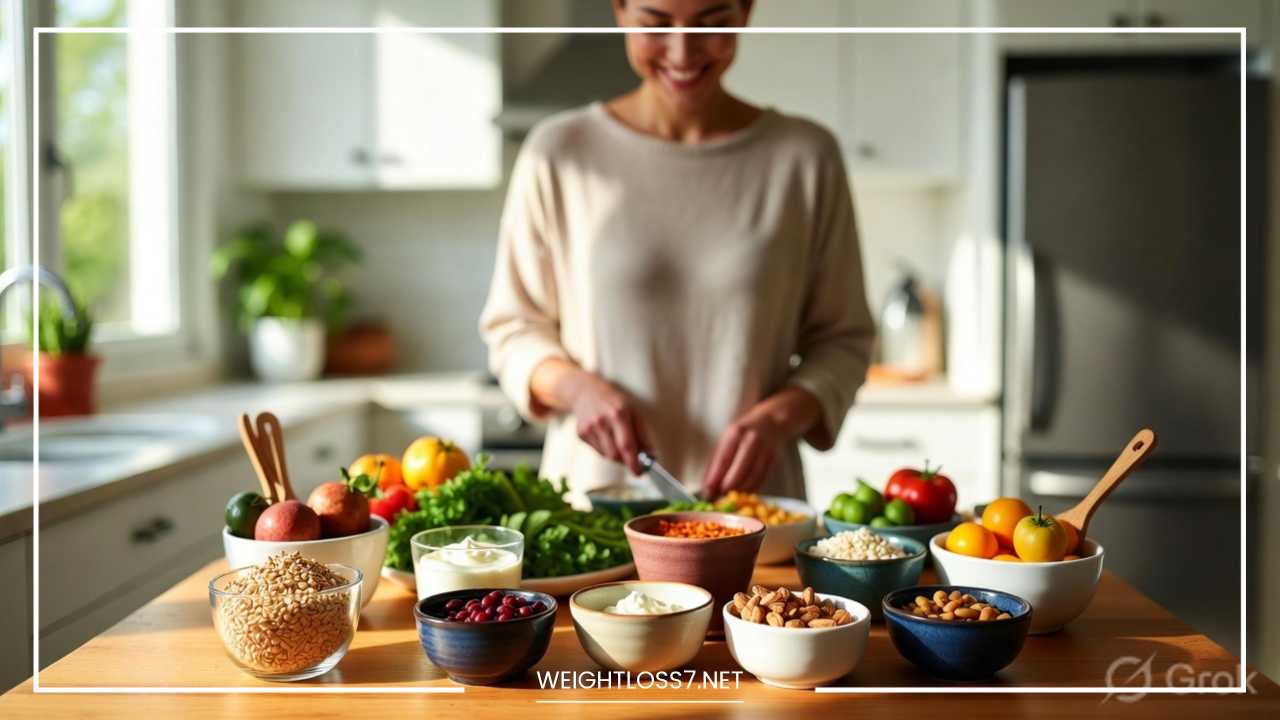
When you are not burning extra calories through sports, every bite should be nutrient-dense. The following categories provide the most “bang for your buck” in terms of health and fullness:
-
Legumes (Beans, Lentils, Peas): These are nutritional powerhouses. They provide a unique combination of protein and fiber that is almost unmatched. They are digested slowly, providing a steady release of energy.
-
Whole Grains (Quinoa, Oats, Barley): Unlike refined grains, these contain the bran and germ, which keep you full and provide steady energy without blood sugar spikes.
-
Leafy Vegetables (Spinach, Kale, Chard): These are “low-energy-density” foods. You can eat massive portions for very few calories, providing physical fullness in the stomach.
-
Fruits (Low Glycemic Options): Berries, apples, and citrus fruits satisfy a sweet tooth while providing fiber and antioxidants. They are much harder to overeat than processed sweets.
-
Nuts and Seeds (Almonds, Walnuts, Chia): While calorie-dense, the healthy fats and protein they contain are excellent for curbing hunger. The key is to keep portions to a small handful.
-
Dairy Options (Greek Yogurt, Cottage Cheese): High in calcium and protein, these are excellent for weight loss. Opt for plain versions to avoid the massive amounts of sugar found in fruit-flavored yogurts.
-
Fermented Foods (Kimchi, Sauerkraut, Kefir): A healthy gut microbiome is increasingly linked to easier weight management. These foods support the “good” bacteria that help regulate metabolism.
-
Herbal Teas: Green tea and Oolong tea contain antioxidants that may slightly boost metabolic rate and provide a calorie-free way to stay hydrated and occupied between meals.
What to Avoid (Major Weight Gain Triggers)
To succeed without exercise, you must identify and eliminate the “hidden” contributors to weight gain that bypass our fullness signals.
-
Sugary Drinks: This includes “healthy” smoothies, sports drinks, and specialty coffees. These provide a massive insulin spike without making you feel full.
-
Refined Carbohydrates: White flour products like bagels, crackers, and white pasta are stripped of fiber. They digest almost instantly, leading to hunger shortly after a meal.
-
Ultra-Processed Snacks: Items like chips and cookies are designed to be “hyper-palatable.” They are engineered with the perfect ratio of salt, sugar, and fat to keep you eating long after you are physically full.
-
Late-Night Overeating: Our metabolism slows down slightly in the evening as the body prepares for sleep. Consuming large, calorie-dense meals right before bed makes it more likely that those calories will be stored as fat.
-
“Healthy” Calorie-Dense Foods: Be careful with foods like granola, dried fruit, and large amounts of olive oil. While “healthy,” they are very high in calories, and a small over-serving can stall weight loss.
Lifestyle Factors That Help You Lose Weight Without Exercise
Your metabolism is influenced by more than just food. If you aren’t moving your body through exercise, you must optimize your internal environment through lifestyle habits.
Sleep Quality and Hormones
Sleep is a pillar of weight loss. When you are sleep-deprived, your body increases production of ghrelin (the hunger hormone) and decreases leptin (the fullness hormone). Lack of sleep also increases cravings for high-carb, high-sugar foods as your brain looks for a quick energy fix. Aiming for 7–9 hours of quality sleep can be as effective for weight loss as a daily walk.
Stress Management and Cortisol
Chronic stress leads to elevated cortisol levels. High cortisol is directly linked to an increase in abdominal fat and a tendency to “stress eat” comfort foods. Finding non-food ways to decompress—such as reading, meditation, or deep breathing—is a vital weight loss tool for the non-exerciser.
Mindful Eating
In our fast-paced world, we often eat while distracted by phones or television. This leads to “mindless” overeating because we aren’t paying attention to our body’s satiety signals. By eating slowly, chewing thoroughly, and focusing on the flavors, you give your brain the 20 minutes it needs to register that the stomach is full.
Reducing Screen-Time Snacking
Many people consume 20-30% of their daily calories while sitting in front of a screen. Establishing a “no eating in front of the TV” rule can automatically eliminate these unnecessary calories.
Sample 7-Day No-Exercise Weight Loss Meal Plan
This plan focuses on balance, satiety, and roughly 1,500–1,800 calories per day (this can be adjusted based on individual needs).
Day 1
-
Breakfast: Steel-cut oats topped with blueberries and a tablespoon of ground flaxseeds.
-
Lunch: Chickpea salad with cucumbers, tomatoes, parsley, and a lemon-tahini dressing.
-
Dinner: Stir-fried tofu or tempeh with broccoli, bell peppers, and snap peas over a small portion of brown rice.
-
Snack: An apple with a small handful of walnuts.
Day 2
-
Breakfast: Greek yogurt (plain) with a swirl of honey and sliced strawberries.
-
Lunch: Lentil soup with a side of mixed greens and balsamic vinaigrette.
-
Dinner: Stuffed bell peppers with quinoa, black beans, corn, and topped with a small amount of feta cheese.
-
Snack: Celery sticks with almond butter.
Day 3
-
Breakfast: Whole-grain toast topped with mashed avocado, red pepper flakes, and a squeeze of lime.
-
Lunch: Quinoa bowl with roasted sweet potatoes, kale, and a dollop of hummus.
-
Dinner: Whole-wheat pasta with a chunky vegetable marinara sauce (zucchini, mushrooms, spinach).
-
Snack: A small bowl of cottage cheese with pineapple chunks.
Day 4
-
Breakfast: Smoothie made with spinach, one banana, a scoop of plant-based protein powder, and unsweetened almond milk.
-
Lunch: Large spinach salad with sliced pears, goat cheese, and pumpkin seeds.
-
Dinner: Baked falafel served in a whole-wheat pita with plenty of salad and tzatziki.
-
Snack: One ounce of dark chocolate and a few almonds.
Day 5
-
Breakfast: Chia seed pudding made with soy milk and topped with raspberries and cinnamon.
-
Lunch: Burrito bowl with brown rice, pinto beans, fajita vegetables, and fresh salsa.
-
Dinner: Roasted cauliflower “steaks” served with a side of herbed couscous and sautéed green beans.
-
Snack: A hard pear or a few slices of cantaloupe.
Day 6
-
Breakfast: Buckwheat pancakes topped with Greek yogurt and a sprinkle of hemp seeds.
-
Lunch: Vegetable wrap with hummus, shredded carrots, sprouts, and cucumber.
-
Dinner: Hearty vegetarian chili made with kidney beans, diced tomatoes, and plenty of onions and peppers.
-
Snack: Edamame (steamed soy beans) with a pinch of sea salt.
Day 7
-
Breakfast: Savory oatmeal with sautéed mushrooms, spinach, and a sprinkle of nutritional yeast.
-
Lunch: Leftover chili or a large salad with any remaining vegetables and a handful of chickpeas.
-
Dinner: Sheet-pan dinner with roasted root vegetables (carrots, parsnips, beets) and marinated tofu.
-
Snack: A glass of warm milk (or soy milk) or a small bowl of berries.
How Fast Can You Lose Weight Without Exercise?
Expectations management is crucial for success. Without the calorie burn of exercise, weight loss may be slightly slower, but it is often more consistent because you aren’t dealing with the “post-workout hunger” that leads many to overeat.
-
Safe Rate: A safe and sustainable rate is 0.5 to 1 kg (1 to 2 lbs) per week.
-
The Trap of Fast Weight Loss: Rapid weight loss—losing 5kg in a week, for example—is usually just “water weight” or, worse, muscle tissue. When you lose weight too quickly, your body perceives a “famine” and may downregulate your metabolism, making it much harder to keep the weight off long-term.
-
Consistency > Intensity: Slow, steady progress allows your skin to adjust and your habits to solidify. It is better to lose 10kg over five months and keep it off forever than to lose 10kg in one month and gain 12kg back.
Common Mistakes to Avoid
-
Cutting Calories Too Low: Eating less than 1,200 calories (for women) or 1,500 calories (for men) can lead to nutrient deficiencies and a crashed metabolism. Your body will enter “starvation mode,” holding onto fat more aggressively.
-
Skipping Meals: This often leads to extreme hunger later in the day, resulting in a “binge” that exceeds the calories you would have eaten in the skipped meal.
-
Drinking “Healthy” Juices: Many green juices have as much sugar as a cola. Stick to whole fruits to get the fiber.
-
Not Tracking Portions: Even healthy foods have calories. A “drizzle” of olive oil can easily be 200 calories if not measured.
-
Ignoring Sleep: You cannot “out-diet” a lack of sleep. Your hormones will eventually win the battle against your willpower.
Frequently Asked Questions
Can I lose belly fat without exercise?
Yes. You cannot “spot reduce” fat from a specific area, but as your overall body fat percentage drops through a calorie deficit, the fat on your belly will naturally decrease. In fact, reducing sugar and alcohol—two key components of a no-exercise diet—is the fastest way to reduce abdominal bloating and visceral fat.
How many calories should I eat?
This depends on your age, height, and current weight. A general rule for weight loss is to find your TDEE (Total Daily Energy Expenditure) using an online calculator and subtract 300-500 calories.
Is walking considered exercise?
In the context of this article, walking for transport or pleasure is part of your daily “movement” (NEAT). While it burns calories, it is low-impact and accessible for most, making it the perfect partner to a no-exercise diet.
What if I can’t lose weight despite eating less?
If you are in a consistent deficit and not losing weight, it may be time to consult a doctor to check for thyroid issues or hormonal imbalances. However, most “stalls” are due to underestimating portion sizes or hidden calories in drinks and condiments.
Final Thoughts
Losing weight without a formal exercise routine is not only possible but, for many, it is the most practical way to start a health journey. By focusing on the quality of your food, managing your environment, and respecting your body’s metabolic needs, you can achieve significant results.
The key is consistency over intensity. You do not need to be perfect; you just need to be better today than you were yesterday. Small, sustainable changes—like choosing water over soda or lentils over white rice—compound over time to create a completely different version of yourself. Focus on the habits, and the results will follow.