Weight Loss for Females


Weight Loss for Females: Effective Tips, Diet Plans & Workouts
The journey toward weight management is a deeply personal and transformative experience, particularly for women. It is an endeavor that transcends simple aesthetics; it is about reclaiming energy, improving long-term health outcomes, and fostering a sense of self-confidence that radiates from the inside out. In a world saturated with “overnight transformations” and “magic pills,” it is essential to return to the foundational principles of human biology and lifestyle medicine.
For many women, the path to weight loss can feel overwhelming due to the sheer volume of conflicting information available. However, effective weight management is not about drastic, short-term changes or punishing routines. Instead, it is built upon the pillars of balanced nutrition, consistent movement, and a supportive mindset. This comprehensive guide is designed to provide a roadmap that is safe, effective, and sustainable for the general female population, respecting the complexities of the female body while providing clear, actionable advice.
Understanding the Science of Weight Loss
To embark on a successful weight loss journey, one must first understand the fundamental biological mechanisms at play. At its core, weight loss is governed by the principle of energy balance: the relationship between the calories consumed through food and beverages and the calories expended through bodily functions and physical activity.
The Caloric Balance
When you consistently consume fewer calories than your body requires to maintain its current weight—a state known as a calorie deficit—your body begins to utilize stored fat for energy. However, it is a common misconception that “less is always better.” An extreme deficit can lead to metabolic adaptation, where the body slows down its processes to conserve energy, ultimately stalling progress and causing fatigue. The goal is to find a “sweet spot” where you are fueling your body sufficiently for daily life while still encouraging the use of fat stores.
Metabolism and the Female Body
For women, the metabolic process is often influenced by unique physiological factors. Metabolism, the rate at which the body burns energy, can fluctuate based on age, muscle mass, and hormonal cycles. Hormones such as estrogen, progesterone, and insulin play a significant role in how the female body stores fat and regulates appetite.
Throughout different life stages—such as puberty, pregnancy, and menopause—the body’s nutritional requirements and metabolic rate change. For instance, muscle mass naturally tends to decrease with age, which can lead to a slower metabolism if not addressed through physical activity. Recognizing that these shifts are natural helps in maintaining a long-term perspective rather than getting discouraged by temporary plateaus.
The Myth of Quick Fixes
A healthy and sustainable rate of weight loss is generally considered to be 0.5 to 1 kilogram per week. While crash diets promise rapid results, they often lead to the loss of lean muscle tissue and essential water weight rather than fat. Furthermore, extreme restriction is rarely maintainable, leading to the “yo-yo” effect where weight is regained as soon as normal eating patterns resume. True success lies in the slow, steady adoption of habits that become second nature.
Setting Realistic and Empowering Goals
The foundation of any successful lifestyle change is the setting of clear, achievable objectives. Without a roadmap, it is easy to lose focus or become overwhelmed by the distance between where you are and where you want to be.
Utilizing SMART Goals
The SMART framework is an excellent tool for turning vague intentions into actionable plans:
-
Specific: Instead of a general goal like “get fit,” aim for “I will perform three 30-minute strength training sessions per week.”
-
Measurable: Use data to track progress. This could be the number of steps taken daily, the amount of water consumed, or the number of inches lost.
-
Achievable: While it is good to dream big, your immediate goals should be within reach. If you currently don’t exercise, aiming for seven days a week might be setting yourself up for burnout. Start with two or three.
-
Relevant: Your goals should matter to you. Ask yourself why you want to lose weight. Is it for more energy? To reduce joint pain? Connection to a deeper purpose increases motivation.
-
Time-bound: Set a timeline. “I will lose 5 kilograms in three months” provides a sense of urgency and a point of evaluation.
The Psychology of Progress
While the scale is a common tool, it is often a blunt instrument. Body weight can fluctuate by several pounds in a single day due to hydration levels, sodium intake, and menstrual cycles. It is vital to look for “non-scale victories” (NSVs). These include:
-
Energy Levels: Feeling more alert in the afternoons without needing caffeine.
-
Clothing Fit: Noticing that your favorite pair of jeans feels more comfortable.
-
Physical Strength: Being able to carry groceries or climb stairs without getting winded.
-
Sleep Quality: Falling asleep faster and waking up feeling more refreshed.
Focusing on these indicators helps build a positive relationship with your body, emphasizing what it can do rather than just how it looks.
Nutrition: Fueling for Health and Fat Loss
Nutrition is the most critical component of weight management. However, healthy eating does not mean deprivation or the exclusion of entire food groups. It is about choosing high-quality, nutrient-dense foods that support your metabolic health.
The Importance of Whole Foods
A balanced diet should be built on a foundation of whole, unprocessed foods. These foods are generally lower in calories but higher in the nutrients your body needs to function optimally.
-
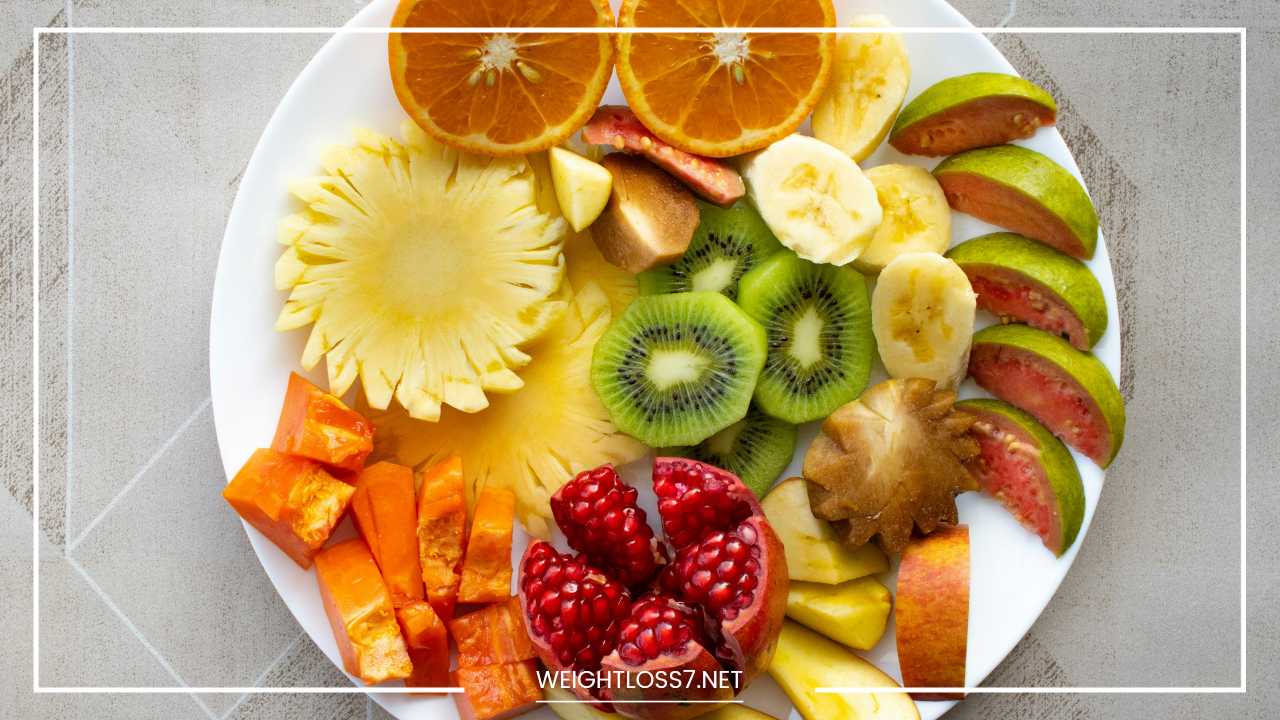
Vegetables and Fruits: These should make up the bulk of your plate. They are rich in fiber, which aids digestion and promotes a feeling of fullness. Aim for a “rainbow” of colors to ensure a wide range of antioxidants and minerals.
-
Whole Grains: Foods like oats, brown rice, quinoa, and barley provide complex carbohydrates. Unlike refined grains (white bread or sugary cereals), whole grains release energy slowly, preventing the blood sugar crashes that lead to hunger pangs.
-
Legumes and Pulses: Beans, lentils, and chickpeas are nutritional powerhouses. they are high in both fiber and protein, making them incredibly satiating.
-
Healthy Fats: Do not fear fats. Sources like avocados, nuts, seeds, and olives are essential for hormone production and brain health. Because fat is calorie-dense, portion control is key, but it should not be eliminated.
Protein’s Role in Satiety
Ensuring adequate protein intake is vital for women losing weight. Protein has a higher “thermic effect” than carbohydrates or fats, meaning the body uses more energy to digest it. Furthermore, protein is essential for repairing and maintaining muscle tissue. Including a source of protein at every meal—such as Greek yogurt, cottage cheese, tofu, or legumes—can significantly reduce the urge to snack between meals.
Mindful Eating Practices
How you eat is often as important as what you eat. Mindful eating is the practice of being fully present during meals.
-
Slow Down: It takes about 20 minutes for your brain to receive the signal from your stomach that you are full. Eating quickly often leads to overconsumption.
-
Eliminate Distractions: Put away phones and turn off the TV. Focus on the taste, texture, and aroma of your food.
-
Listen to Hunger Cues: Learn to distinguish between physical hunger and emotional hunger (eating because of stress, boredom, or sadness).
Hydration and Liquid Calories
The body often confuses thirst with hunger. Staying well-hydrated throughout the day can prevent unnecessary snacking. Water should be your primary beverage. Be wary of “liquid calories” found in sugary coffees, sodas, and even some fruit juices. These drinks provide energy without satiety and can easily lead to a calorie surplus.
Effective Workouts for the Female Body
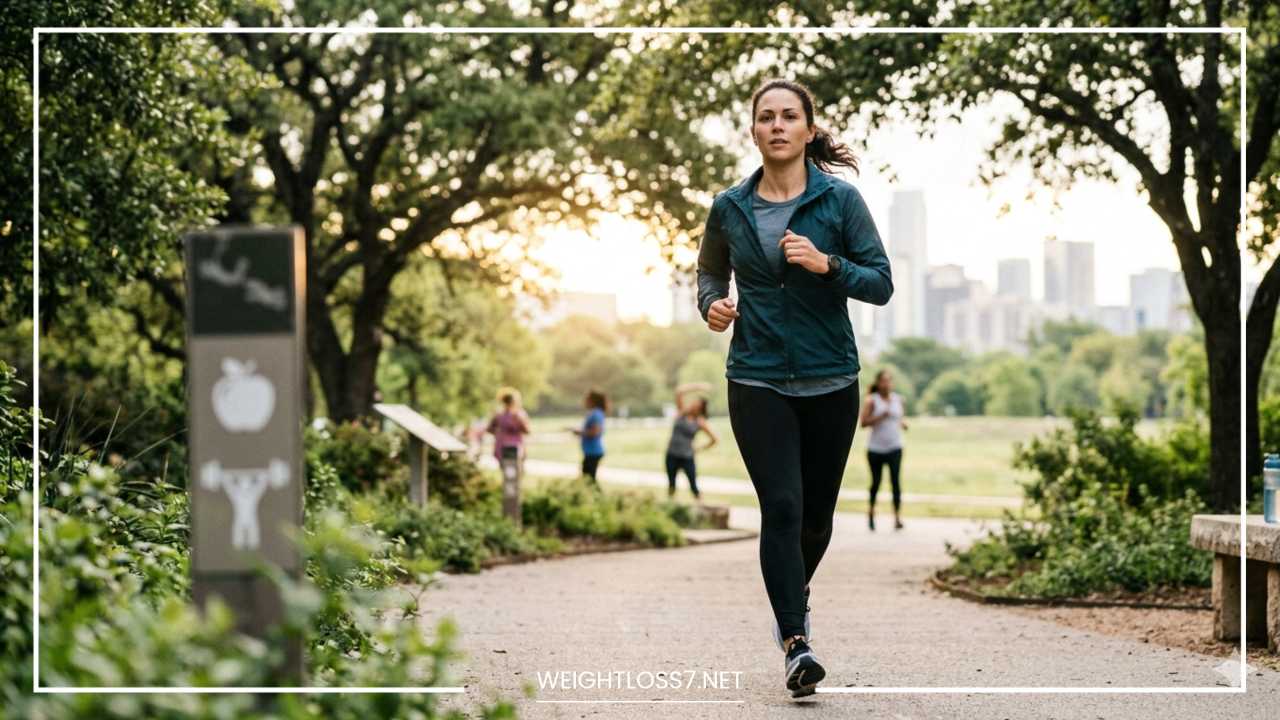
While nutrition handles the “calories in,” physical activity manages the “calories out” and shapes the body’s composition. For women, a combination of cardiovascular exercise and strength training provides the best results.
Cardiovascular Training (Aerobic)
Cardio is vital for heart health and burning calories. For beginners, walking is one of the most effective and sustainable forms of cardio. It is low-impact and can be easily integrated into daily life. As fitness improves, you might incorporate:
-
Brisk Walking or Hiking: Great for mental health and endurance.
-
Swimming: An excellent full-body workout that is easy on the joints.
-
Cycling: Builds leg strength and cardiovascular capacity.
-
Dancing or Aerobics: High-energy options that keep the heart rate up and improve coordination.
Strength Training (Resistance)
Strength training is perhaps the most underrated tool for female weight loss. Many women worry about becoming “bulky,” but women generally do not have the testosterone levels to build massive muscle mass without extreme effort. Instead, strength training creates a “toned” appearance and, more importantly, increases your resting metabolic rate.
Muscle tissue is metabolically active, meaning it burns calories even when you are sitting or sleeping. By increasing your muscle-to-fat ratio, you make weight maintenance much easier in the long run.
-
Bodyweight Exercises: Squats, lunges, planks, and push-ups.
-
Resistance Bands: A portable and effective way to add tension to movements.
-
Free Weights or Machines: Using dumbbells or gym equipment to progressively challenge the muscles.
Flexibility and Mobility
Including yoga or a dedicated stretching routine is essential for maintaining a full range of motion. Flexibility training reduces the risk of injury during other workouts and can help lower cortisol levels, the stress hormone that is often linked to abdominal fat storage.
Designing Your Week
Consistency is the key to physical transformation. A sample balanced routine for a woman starting her journey might include:
-
3 days of cardio: 30 minutes of moderate activity (walking, swimming).
-
2 days of strength training: Full-body movements focusing on major muscle groups.
-
1 day of active recovery: A light walk or yoga session.
-
1 day of full rest: Allowing the body to repair and grow stronger.
Lifestyle Habits That Influence Weight
Weight loss is not just about the hour you spend at the gym or the food on your plate; it is a 24-hour-a-day process. Several lifestyle factors play a silent but powerful role in your success.
The Power of Sleep
Sleep is often the missing piece of the weight loss puzzle. When you are sleep-deprived, your body’s hunger hormones go out of balance. Ghrelin (which tells you to eat) increases, while leptin (which tells you that you are full) decreases. Furthermore, lack of sleep affects the prefrontal cortex of the brain, making it harder to exercise self-control and easier to reach for high-calorie “comfort foods.” Aim for 7 to 9 hours of quality sleep to keep your hormones and willpower in check.
Managing Stress and Cortisol
Chronic stress is a major barrier to weight loss. When we are stressed, the body releases cortisol. This hormone is designed for “fight or flight,” and it signals the body to store energy—specifically in the midsection—for a perceived emergency. Finding healthy ways to manage stress is vital. This could include:
-
Meditation or Deep Breathing: Even five minutes a day can lower the heart rate and calm the nervous system.
-
Journaling: Putting thoughts on paper can help process emotions that might otherwise lead to emotional eating.
-
Social Connection: Spending time with friends and family can lower stress and provide a support system.
Increasing NEAT
Non-Exercise Activity Thermogenesis (NEAT) refers to the energy we burn doing everything that isn’t formal exercise. This includes walking to your car, cleaning the house, fidgeting, and standing. For many people, increasing NEAT has a larger impact on total daily calorie burn than a single hour-long workout. Small changes like taking the stairs, using a standing desk, or pacing while talking on the phone add up significantly over weeks and months.
The Mindset for Long-Term Success
Weight loss is as much a mental challenge as a physical one. To succeed long-term, you must move away from the “diet” mindset and toward a “lifestyle” mindset.
Consistency Over Perfection
One of the biggest reasons women quit their weight loss journeys is the feeling that they have “ruined” their progress after a single slip-up. It is important to remember that perfection is not required for results. If you eat a meal that wasn’t part of your plan, don’t wait until “next Monday” to start again. The very next choice you make is an opportunity to get back on track.
Self-Compassion
Be kind to yourself. You are making significant changes to your life, and that takes time. Negative self-talk is a poor motivator and often leads to the stress-eating cycle. Treat yourself with the same encouragement you would give to a friend who was trying to improve her health.
Overcoming Plateaus
It is normal for weight loss to stall occasionally. The body is an adaptable machine, and it may reach a point where it becomes more efficient with the calories it is given. When a plateau occurs:
-
Re-evaluate: Are portions creeping up? Is your activity level as high as you think?
-
Change it up: Try a new type of workout or change the intensity of your current routine.
-
Be Patient: Sometimes the body needs a few weeks to adjust before the scale moves again.
Common Mistakes to Avoid
In the pursuit of weight loss, it is easy to fall into traps that can actually hinder your progress or harm your health.
-
Skipping Meals: This often leads to extreme hunger later in the day, resulting in overeating or poor food choices at night.
-
Focusing Only on Cardio: While great for the heart, cardio-only routines can lead to muscle loss, which lowers the metabolism over time.
-
Underestimating Portions: Even healthy foods have calories. Using a kitchen scale or measuring cups occasionally can help “recalibrate” your eyes to what a serving size actually looks like.
-
Relying on “Diet” Foods: Many products marketed as “low-fat” or “diet” are highly processed and filled with sugar or artificial thickeners to compensate for flavor. Stick to whole foods whenever possible.
-
Lack of Patience: It took time for the weight to be gained, and it will take time for it to be lost. Avoid the urge to speed up the process through dangerous means.
Maintaining the New You
The true challenge of weight loss is not just reaching the goal, but staying there. This is why the habits you build during the weight loss phase must be sustainable.
Transitioning to Maintenance
Once you reach your target weight, you will need to slightly increase your calorie intake to stop the weight loss while still staying in balance. This is a delicate phase that requires continued mindfulness. Continue to track your activity and weight periodically to ensure you are staying within your desired range.
Flexibility and Adaptation
Life changes. Your routine during your 20s will look different than your routine in your 40s or 60s. Your lifestyle should be flexible enough to accommodate travel, holidays, and changes in family life. The core principles—balanced nutrition and regular movement—remain the same, but the application can change.
The Role of Professionals
If you find yourself struggling, do not hesitate to reach out for professional help.
-
Doctors: Can check for underlying issues like thyroid dysfunction or PCOS that may affect weight.
-
Registered Dietitians: Can provide personalized meal plans that fit your cultural and lifestyle preferences.
-
Personal Trainers: Can ensure your exercise form is correct and keep you motivated.
-
Therapists: Can help address the emotional and psychological roots of eating behaviors.
Final Thoughts
Weight loss is a journey of self-discovery. It is about learning what makes your body feel its best, how to fuel yourself for the life you want to lead, and how to treat yourself with the respect and care you deserve. There is no “perfect” diet or “best” workout; the best plan is the one that you can stick to, day after day, year after year.
Focus on the small wins. Every glass of water instead of soda, every 10-minute walk, and every extra hour of sleep is a deposit into your “health bank.” Over time, these small investments compound into a life of greater health, energy, and happiness. Stay patient, stay consistent, and remember that you are capable of making lasting changes. Your health is your most valuable asset—invest in it wisely.
The path forward is clear: nourish your body, move with purpose, rest deeply, and keep a positive heart. By doing so, you aren’t just losing weight; you are gaining a better version of yourself.