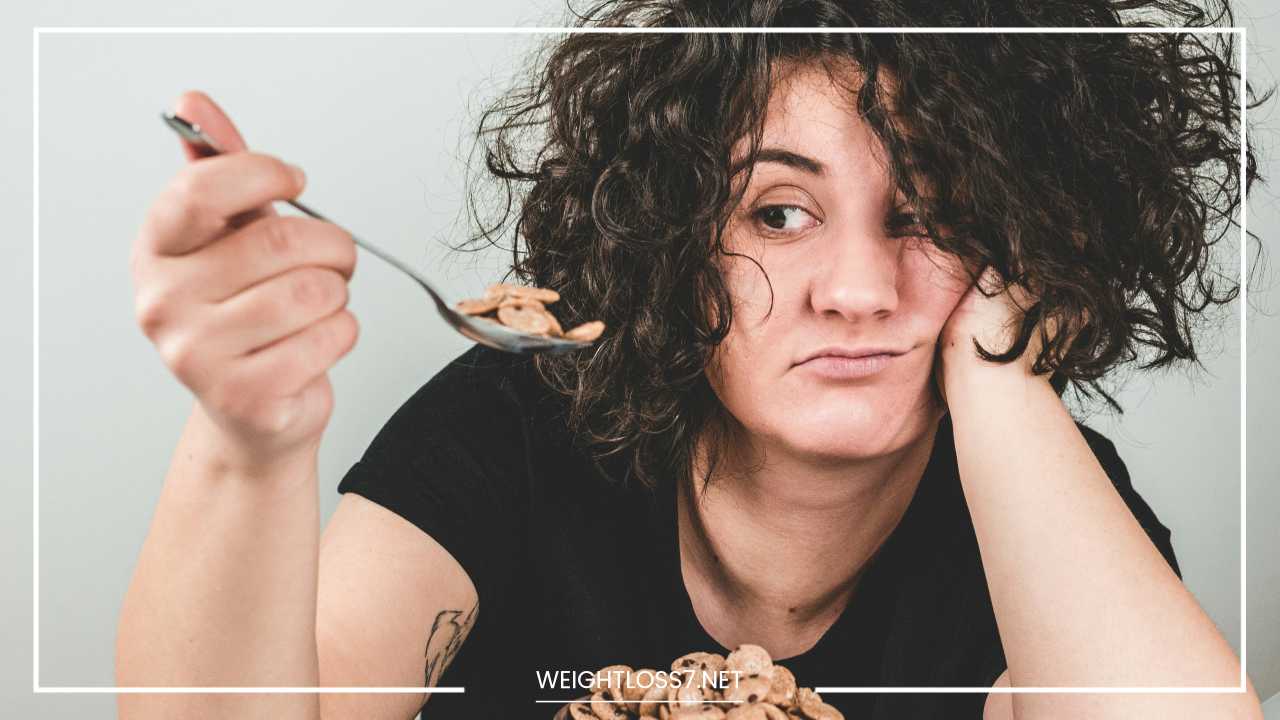
How Do You Lose Weight Healthy

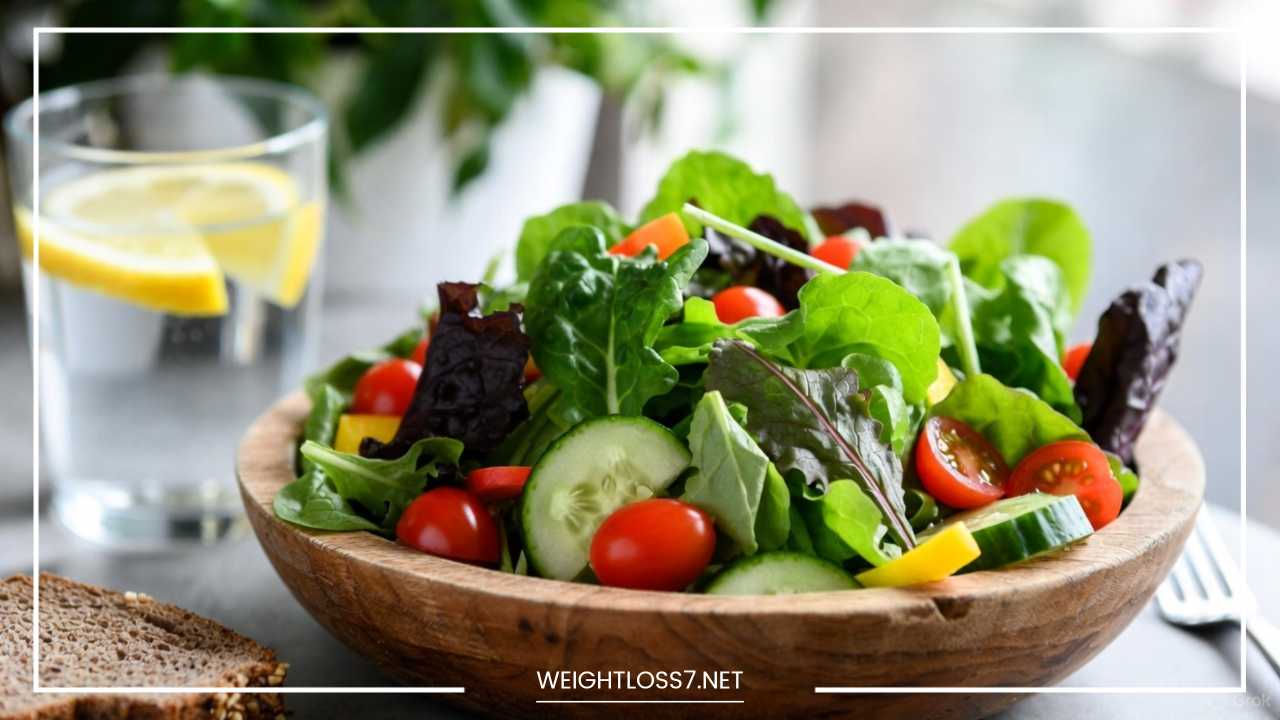
How Do You Lose Weight Healthy
Losing weight is one of the most common health goals, yet the journey is often fraught with confusion, frustration, and fleeting results. The simple truth is that healthy weight loss is not about restrictive crash diets or grueling, unsustainable exercise routines; it is a holistic process built upon the pillars of balanced nutrition, consistent physical activity, and fundamental lifestyle changes.
The goal is not merely to see a lower number on the scale, but to achieve a level of sustained well-being that promotes better energy, improved mood, and long-term health. A healthy approach to weight loss is a sustainable approach—one that you can maintain long after you’ve reached your initial goal. It is an investment in your future, reducing the risk of chronic diseases and significantly enhancing your quality of life.
This comprehensive guide will break down the science, the strategies, and the habits required to achieve healthy, lasting weight loss, focusing on universally applicable principles for everyone.
Understanding Weight Loss
To embark on a healthy weight loss journey, it is essential to first understand the basic science governing it. The fundamental principle of weight loss is achieving a calorie deficit.
The Science of Calorie Balance
Weight is ultimately a function of energy balance: the relationship between the calories you consume (energy in) and the calories your body burns (energy out).
-
Energy In: This refers to the calories you get from food and beverages.
-
Energy Out: This includes the energy burned through your Basal Metabolic Rate (BMR, which is the energy required to keep your body functioning at rest), the Thermic Effect of Food (TEF, the energy needed to digest food), and physical activity.
To lose weight, you must consistently burn more calories than you consume, forcing your body to draw upon stored energy reserves, primarily body fat. A deficit of 500 calories per day, for example, typically leads to a loss of about one pound per week, which is considered a safe and sustainable rate.
Healthy vs. Rapid Weight Loss
The lure of quick fixes and dramatic, rapid weight loss is strong, but these methods—often crash diets that severely restrict calories or cut out entire food groups—are rarely healthy or effective long-term.
Rapid weight loss often results in the loss of water weight and muscle mass, not just fat. Losing muscle is counterproductive, as muscle tissue is more metabolically active than fat, meaning it burns more calories even at rest. Furthermore, crash diets are psychologically taxing and often lead to a rebound known as weight cycling or “yo-yo dieting,” where the lost weight is regained, often with extra pounds.
Healthy weight loss, on the other hand, prioritizes a slow, steady rate (typically 1–2 pounds per week) by focusing on a modest calorie deficit coupled with nutrient-rich eating and exercise. This approach ensures you are losing fat while preserving muscle, making the weight loss sustainable and the resulting health benefits—like improved energy and reduced disease risk—lasting.
Balanced Nutrition Principles
The cornerstone of healthy weight loss is balanced nutrition. This does not require sacrificing flavor or severely restricting yourself; it requires making conscious choices that prioritize nutrient density and portion control.
Focus on Nutrient-Dense Foods
A crucial strategy for weight loss is selecting foods that offer the maximum amount of vitamins, minerals, and other beneficial compounds for the fewest calories—these are nutrient-dense foods.
-
Vegetables and Fruits: These should form the largest part of your intake. They are packed with fiber and water, making them incredibly filling while being naturally low in calories. Aim for a wide variety of colors to ensure a broad spectrum of nutrients.
-
Whole Grains: Unlike refined grains (like white bread or pasta), whole grains (such as oats, brown rice, quinoa, and whole-wheat products) retain the bran and germ, which are rich in fiber and essential nutrients. They digest slower, providing sustained energy and better satiety.
-
Legumes, Nuts, and Seeds: These provide vital plant-based protein, fiber, and healthy fats. Legumes (like lentils and beans) are particularly beneficial for feeling full, while nuts and seeds offer concentrated nutrition but require careful portioning due to their calorie density.
-
Healthy Fats: Including sources of unsaturated fats, such as avocados and olive oil, is essential. Fats are necessary for nutrient absorption and hormone production, and they contribute to satiety.
The Power of Fiber
Fiber, found abundantly in vegetables, fruits, whole grains, and legumes, is a secret weapon in weight management. Because the body cannot fully digest it, fiber adds bulk to food without adding significant calories.
-
Satiety: Fiber slows down the digestive process, keeping you feeling full for longer and reducing the likelihood of overeating or unnecessary snacking.
-
Digestive Health: It promotes regularity and supports a healthy gut microbiome, which is increasingly linked to metabolic health and weight regulation.
Aim to include a fiber source in every meal.
Portion Control: The Key to Calorie Management
Even when eating nutrient-dense foods, consuming too large a quantity will prevent weight loss. Portion control is a practical way to manage your overall calorie intake without meticulously counting every number.
-
Understand Serving Sizes: Take the time to understand standard serving sizes. Don’t rely solely on large dishware; studies show people tend to eat more when served on larger plates.
-
The Plate Method: A simple visual guide is to fill half your plate with vegetables and fruits, one-quarter with whole grains or starchy vegetables, and the final quarter with a protein source (like legumes or dairy/dairy alternatives).
-
Mindful Snacking: If you snack, pre-portion calorie-dense items like nuts or seeds into small containers instead of eating straight from the large package.
Hydration: More Than Just Thirst-Quenching
Water plays a surprisingly critical role in weight loss.
-
Satiety: Drinking a glass of water before a meal can help fill the stomach and reduce the amount of food consumed.
-
Metabolism: Water is required for many metabolic processes. Even mild dehydration can slow down your metabolism.
-
Reducing Calorie Intake: Often, the body mistakes thirst for hunger. Drinking water first can help you determine if you genuinely need food or just fluids. Furthermore, replacing sugary drinks (sodas, juices, sweetened coffees) with plain water or unsweetened tea is one of the easiest ways to eliminate hundreds of empty calories daily.
Reducing Added Sugar and Processed Foods
Processed foods and those high in added sugars are typically calorie-dense but nutrient-poor. They are often engineered to be hyper-palatable, making it easy to overconsume.
-
Identify Hidden Sugars: Sugars are hidden in everything from dressings and sauces to yogurts and breakfast cereals. Learning to read nutrition labels and identifying terms like corn syrup, dextrose, and maltose is vital.
-
Cook and Prepare: The best way to reduce processed food is to prepare more meals at home, giving you complete control over ingredients, portion sizes, and added fats, sugars, and salts.
Smart Meal Planning and Habits
Healthy weight loss is sustained by routine and consistent habits, particularly around meal timing and consumption.
Establishing Regular Meal Patterns
Skipping meals, particularly breakfast, can lead to excessive hunger later in the day, often resulting in overeating or making poor food choices.
-
Consistency: Eat at regular intervals. This helps regulate blood sugar levels, prevents energy crashes, and manages hunger effectively.
-
Balance: Every meal should be balanced, containing a source of fiber-rich carbohydrates (whole grains, vegetables), protein, and healthy fat. This combination maximizes satiety and ensures a steady release of energy.
Mindful Eating Practices
Mindful eating is the practice of paying full attention to the experience of eating, including the food, the body’s signals, and the surroundings. It is a powerful tool for weight management.
-
Slow Down: It takes the brain about 20 minutes to register fullness. Eating too quickly can lead to consuming more than the body needs. Put your fork down between bites, savor the taste, and chew thoroughly.
-
Pay Attention to Hunger Cues: Learn the difference between genuine physical hunger and emotional or habitual eating. Start eating when you are moderately hungry, not starving, and stop when you are satisfied, not painfully full.
-
Eliminate Distractions: Avoid eating in front of a screen (TV, phone, computer). When distracted, you are far less likely to register how much you have eaten.
The Value of Home-Prepared Meals
Cooking and preparing your own meals is arguably the single most impactful habit for healthy weight loss.
-
Control: When you cook, you control the type and amount of oil, salt, sugar, and overall ingredients.
-
Meal Prep: Dedicating a few hours each week to preparing simple, healthy components (like cooked grains, chopped vegetables, or portioned meals) makes healthy eating effortless during busy weekdays.
-
Healthy Swaps: In the kitchen, simple substitutions can drastically cut calories without compromising flavor. Use olive oil spray instead of heavy oil, unsweetened applesauce for some oil in baking, or whole-grain flours instead of refined white flour.
Physical Activity and Exercise
While nutrition creates the calorie deficit necessary for weight loss, physical activity is vital for increasing energy expenditure, preserving muscle mass, and improving overall metabolic health.
The Multifaceted Benefits of Movement
Exercise contributes to weight loss in several key ways:
-
Increased Calorie Burn: Physical activity directly increases the “energy out” side of the calorie balance equation.
-
Muscle Preservation: Exercise, particularly strength training, signals to the body to retain muscle mass while losing fat.
-
Metabolic Boost: Muscle tissue burns more calories at rest than fat tissue, meaning the more muscle you have, the higher your basal metabolic rate (BMR).
-
Mood and Stress: Exercise is a powerful tool for stress management, which can reduce the likelihood of stress-induced emotional eating.
Types of Exercise for Weight Loss
A well-rounded routine includes a mix of cardiovascular work, strength training, and flexibility exercises.
1. Cardiovascular Exercise
Cardio is essential for burning calories and improving heart health.
-
Moderate Intensity: Activities like brisk walking, cycling, swimming, or dancing are great for beginners. Aim for at least 150 minutes per week.
-
High Intensity: More vigorous activities, like running or interval training (HIIT), burn more calories in less time and continue to elevate metabolism post-workout.
2. Strength Training
Strength training is non-negotiable for preserving and building muscle mass during weight loss.
-
What it is: Using resistance (such as bodyweight, dumbbells, resistance bands, or machines) to challenge and build muscle tissue.
-
Examples: Squats, lunges, push-ups, planks, and weightlifting.
-
Consistency: Aim for 2–3 strength training sessions per week, allowing muscles time to recover between sessions.
3. Flexibility and Balance
While not direct calorie burners, activities like yoga or simple stretching are critical for injury prevention, improved posture, and managing stress. They allow you to stay active consistently without being sidelined by soreness or injury.
Making Exercise a Consistent Habit
The best workout is the one you will actually do regularly.
-
Start Small: If you are sedentary, begin with a 10-minute walk each day. Gradually increase the duration and intensity.
-
Find Enjoyment: Choose activities you genuinely find engaging. If you hate the gym, try hiking or joining a sports league.
-
Schedule It: Treat exercise like an important appointment—put it on your calendar and commit to it.
Lifestyle Movement: The Non-Exercise Activity Thermogenesis (NEAT)
NEAT refers to the calories burned through non-exercise daily activities. These small, frequent movements can add up significantly.
-
Take the stairs instead of the elevator.
-
Park farther away from your destination.
-
Take frequent standing and stretching breaks if you have a desk job.
-
Walk while taking phone calls.
Increasing your daily steps and overall movement is a passive way to burn more calories without dedicating extra time to structured exercise.
Lifestyle Factors
Weight loss is not solely about food and exercise; it is deeply intertwined with overall lifestyle and psychological health. Ignoring these factors is often why attempts to lose weight fail.
The Crucial Role of Sleep
Sleep is perhaps the most underestimated component of weight management. Your body needs 7–9 hours of quality sleep per night.
-
Hormone Regulation: Lack of sleep disrupts the balance of key appetite-regulating hormones:
-
Ghrelin: The “hunger hormone,” which increases when you are sleep-deprived, stimulating appetite.
-
Leptin: The “satiety hormone,” which decreases when you lack sleep, reducing your feeling of fullness.
-
-
Energy and Decision-Making: When tired, you are less likely to have the energy for exercise and are more susceptible to making poor food choices, often craving high-sugar, quick-energy foods.
-
Metabolism: Chronic sleep deprivation is linked to insulin resistance, making it harder for the body to manage blood sugar and store less fat.
Stress Management and Cortisol
Chronic stress elevates levels of the hormone cortisol. While necessary in acute situations, consistently high cortisol levels can promote fat storage, particularly visceral fat (fat around the abdomen), which is metabolically dangerous.
-
Mind-Body Connection: Find effective, healthy ways to manage stress: meditation, deep breathing exercises, spending time in nature, or creative hobbies.
-
Avoid Emotional Eating: Stress often triggers emotional eating—using food to soothe or distract from uncomfortable feelings. Recognizing this pattern is the first step to breaking it. Replace the urge to eat with a non-food coping mechanism, like calling a friend or taking a short walk.
Avoiding Fad Diets and Quick Fixes
Fad diets—often promising extremely fast results by eliminating entire food groups or relying on restrictive rules—are the antithesis of healthy, sustainable weight loss.
-
Unsustainability: They are impossible to maintain long-term, leading to the inevitable rebound effect.
-
Nutrient Deficiencies: Extreme restrictions can lead to deficiencies in essential vitamins and minerals.
-
Focus on Behavior: Focus instead on long-term behavioral changes. Ask yourself: “Can I eat this way for the rest of my life?” If the answer is no, the diet is not sustainable for healthy weight loss.
Social and Environmental Influences
Your environment—your home, workplace, and social circle—heavily influences your habits.
-
Home Environment: “Out of sight, out of mind.” Keep nutrient-dense foods visible on the counter (e.g., a bowl of fruit) and keep processed, high-calorie foods hidden or, ideally, out of the house.
-
Social Eating: Be mindful when eating out or at social gatherings. Make the conscious choice to eat a small, balanced meal beforehand to avoid arriving famished. Don’t be afraid to ask for half-portions or share desserts.
Tracking Progress Without Obsession
The scale is a useful tool, but it is a flawed and often demoralizing measure of progress because it fluctuates wildly based on water retention, muscle gain, and digestive status. Healthy weight loss recognizes that progress is multifaceted.
Non-Scale Indicators of Progress
Shift your focus to measurable improvements that are not tied to the number on the scale. These are often better indicators of true, sustained health improvement.
-
Energy Levels: Do you have more energy throughout the day? Do you feel less reliant on caffeine?
-
Fitness Improvements: Can you walk farther or faster? Can you lift heavier weights? Are you taking the stairs more easily?
-
Clothing Fit: Are your clothes fitting looser? This is often a sign of fat loss and body recomposition, even if the scale hasn’t moved.
-
Quality of Sleep: Are you falling asleep faster and sleeping more soundly?
-
Mood and Confidence: Do you feel better, less stressed, and more positive?
Using Trackers and Journals Mindfully
Tools like food journals, fitness apps, or habit trackers can be helpful for accountability, but they should be used to provide insight, not foster obsession.
-
Food Journal: Use it to identify patterns, such as when you tend to snack unnecessarily or what triggers emotional eating, rather than as a means to judge every calorie.
-
Fitness Trackers: Focus on consistency (e.g., meeting your weekly activity goal) rather than striving for unrealistic intensity.
-
Celebrate Habits: Track and celebrate the consistency of your positive habits—like getting 7 hours of sleep or drinking enough water—as these are the real drivers of long-term weight loss.
Common Challenges and How to Overcome Them
The path to healthy weight loss is rarely linear. Recognizing common obstacles and preparing solutions for them is key to staying the course.
Emotional Eating and Cravings
The Challenge: Turning to food (often high-sugar, high-fat, or high-salt items) in response to feelings like boredom, sadness, stress, or anxiety. Cravings are intense, specific urges for particular foods.
The Solution:
-
Identify Triggers: Keep an “Emotional Eating Journal” to note why you are eating (bored? stressed? tired?).
-
The 10-Minute Rule: When a craving or urge hits, commit to waiting 10 minutes. During that time, engage in a non-food distraction (take a walk, call a friend, read). Often, the intensity of the urge will subside.
-
Healthy Substitutions: If you must eat, have pre-portioned, nutrient-dense options ready, such as a piece of fruit, a handful of nuts, or plain yogurt.
Plateaus in Weight Loss
The Challenge: A frustrating period where the scale stops moving, even if you haven’t changed your diet or exercise routine. This is common and happens as your body adjusts to its lower weight (requiring fewer calories) or adapts to your current exercise level.
The Solution:
-
Reassess Calorie Intake: As you lose weight, your BMR decreases. You may need to slightly lower your calorie intake or make adjustments to your portion sizes.
-
Change Your Routine: If you’ve been doing the same workout for months, your body has adapted. Introduce a new form of exercise or increase the intensity (e.g., adding interval training or heavier weights).
-
Focus on Non-Scale Progress: This is the perfect time to ignore the scale and focus on strength gains, energy levels, or clothing fit. Your body may be subtly changing its composition (losing fat, gaining muscle) without a change in overall weight.
Staying Motivated Long-Term
The Challenge: The initial excitement wears off, and the daily grind of healthy habits feels tiresome.
The Solution:
-
Set Non-Weight Goals: Focus on performance (e.g., “I will run a mile without stopping,” or “I will learn five new healthy recipes”) rather than solely on weight.
-
Find an Accountability Partner: Enlist a friend or family member who is also pursuing health goals to check in with regularly.
-
Reward Milestones (Non-Food): Celebrate reaching small goals with non-food treats, like new workout gear, a massage, or a fun activity.
-
Accept Imperfection: A slip-up is not a failure; it is a learning opportunity. The key is how quickly you return to your healthy habits. Don’t let one bad meal turn into a bad week.
Final Thoughts
Healthy weight loss is not a quick sprint; it is a marathon paced by sustainable, mindful choices. True success is found not in deprivation, but in establishing a harmonious relationship with food, movement, and your body.
The most effective and lasting weight loss is achieved when the focus shifts from short-term restrictions to long-term lifestyle adjustments. Remember the pillars of this journey:
-
Balanced Nutrition: Prioritize nutrient-dense foods, manage portions, and stay hydrated.
-
Consistent Activity: Incorporate a mix of cardio and strength training into your routine.
-
Lifestyle Adjustments: Prioritize sleep and actively manage stress.
Anyone can achieve their weight loss goals with patience, consistency, and a commitment to overall well-being. Do not seek perfection; seek progress. Start small, be kind to yourself, and trust that these healthy habits, day by day, will lead you to a healthier, more energetic, and more fulfilling life.
Begin today by choosing one small, healthy change you can commit to for the next week.