The Easiest Way to Lose Weight


The Easiest Way to Lose Weight | Simple & Effective Weight Loss Tips
For so many people, the idea of losing weight feels like a monumental, almost impossible task. It’s often associated with extreme deprivation, grueling workouts, and a level of perfection that’s simply not sustainable in the real world. We’re bombarded with a constant stream of information—or, more accurately, misinformation—about quick fixes and miracle solutions. This overload can make us feel like we’re already failing before we even begin, leading to a cycle of starting and stopping, or worse, never starting at all.
But what if the key to successful weight loss isn’t about being perfect? What if it’s about making it easy? Not fast, but simple, sustainable, and entirely manageable. The true secret to losing weight and keeping it off isn’t about following a complicated plan created for someone else. It’s about building a few key habits that fit seamlessly into your life, making the process feel less like a temporary punishment and more like a natural evolution toward a healthier you. This article is your guide to understanding that process, breaking it down into simple, actionable steps that anyone can follow, regardless of their current lifestyle or physical condition.
Before we dive in, a quick but important note: Always consult with a healthcare professional or a registered dietitian before making any significant changes to your diet or exercise routine. They can provide personalized advice and ensure any new plan is safe and appropriate for your individual health needs.
Understanding Weight Loss Basics
At its core, weight loss is a simple concept, even if it feels complicated in practice. It all boils down to one fundamental principle: caloric balance. Put simply, to lose weight, you need to expend more energy (calories) than you consume. This is known as a calorie deficit. Your body uses calories for everything you do—from breathing and sleeping to walking and running. When you consume fewer calories than your body needs to maintain its current weight, it starts to tap into its stored energy, which is primarily stored as fat.
The number of calories your body needs to function at rest is called your basal metabolic rate (BMR). This rate is influenced by factors like your age, gender, weight, and muscle mass. The more muscle you have, the higher your BMR tends to be, because muscle tissue requires more energy to maintain than fat tissue. This is why building muscle is often a great strategy for long-term weight management.
The world of weight loss is filled with common myths that can easily lead you astray. For instance, many people believe they need to eliminate entire food groups, like carbohydrates or fats, to see results. The truth is, a healthy body needs a balance of all macronutrients: carbohydrates, proteins, and fats. Cutting out a major food group can lead to nutrient deficiencies and often results in intense cravings that make it difficult to stick to the plan. Another common misconception is that you need to spend hours at the gym every day. While exercise is incredibly beneficial, you can’t out-exercise a poor diet. In fact, what you eat has a far greater impact on your weight than your physical activity level.
The “easy” way to lose weight isn’t about instant results. It’s a marathon, not a sprint. The real goal is to create habits you can sustain for the rest of your life, making the process enjoyable and natural, rather than a constant struggle.
Focus on Portion Control, Not Perfection
One of the most liberating things you can do for your weight loss journey is to stop counting every single calorie. While a general understanding of calories is helpful, becoming obsessed with tracking can lead to burnout and frustration. A much easier, more sustainable approach is to focus on portion control. This allows you to enjoy your favorite foods in moderation without feeling deprived.
A great way to get a handle on portion sizes is to use simple, visual cues. The plate method is an excellent tool. Imagine your plate divided:
- Half of your plate should be filled with non-starchy vegetables (think leafy greens, broccoli, bell peppers).
- A quarter of your plate should be a source of whole grains or starchy vegetables (like brown rice, quinoa, or sweet potatoes).
- The last quarter should be a source of lean protein.
Another handy tool is your own hand. It’s a surprisingly accurate and always-available measuring device:
- A clenched fist is roughly one cup. This is a good guide for grains or vegetables.
- Your palm (without fingers) can represent a serving of protein.
- A cupped hand can be used for nuts or snacks.
The key to portion control isn’t just about what’s on your plate, but how you eat it. Pay attention to your body’s signals. Eat slowly and mindfully, savoring each bite. Stop eating when you feel satisfied, not uncomfortably full. By listening to your body, you can prevent overeating naturally, without the need for strict rules or calorie counting. This practice transforms the act of eating from a mindless activity into a conscious, enjoyable experience.
Simple Daily Habits That Support Weight Loss
Long-term success in weight loss isn’t about one grand gesture; it’s the result of small, consistent daily habits. These habits, when stacked together, can create a powerful and effortless momentum.
One of the most overlooked habits is drinking enough water. Sometimes, our bodies mistake thirst for hunger. Staying well-hydrated throughout the day can help you feel fuller and reduce the urge to snack unnecessarily. Aim for a large glass of water before each meal to help with satiety. You can make water more appealing by adding slices of lemon, cucumber, or a few berries.
Another critical habit is prioritizing sleep. When you’re sleep-deprived, your body produces more ghrelin, the “hunger hormone,” and less leptin, the “satiety hormone.” This hormonal imbalance makes you feel hungrier and less satisfied after eating, and it can also increase your cravings for high-calorie, high-carbohydrate foods. Aim for 7-9 hours of quality sleep per night. This single change can have a profound impact on your ability to make good food choices.
Lastly, incorporate daily movement. This doesn’t mean you have to go to the gym. It means looking for opportunities to be more active in your daily life. Take the stairs instead of the elevator, walk or cycle to do errands, or do some light stretching while watching TV. Even a brisk 20-minute walk each day can significantly boost your metabolism, improve your mood, and help create a calorie deficit.
Smart Food Swaps Anyone Can Make
You don’t need to overhaul your entire pantry overnight to start seeing results. The easiest way to improve your eating habits is through a series of simple, smart swaps. These small changes can dramatically reduce your calorie intake and increase your nutrient consumption without a lot of effort.
A great place to start is with your beverages. Swap sugary drinks like sodas, fruit juices, and sweetened coffees for naturally flavored water, herbal teas, or black coffee. The calories in these drinks are often called “empty calories” because they provide little to no nutritional value and can add up quickly. By making this simple swap, you can save hundreds of calories a day.
Next, look at your grains. Many people consume refined grains like white bread, white rice, and traditional pasta. A simple switch to whole versions—like brown rice, quinoa, whole-wheat bread, and whole-wheat pasta—will give you a significant boost in fiber and other nutrients. Fiber helps you feel full for longer, which can prevent overeating at your next meal.
For snacks, instead of reaching for processed chips or cookies, opt for high-fiber choices like fresh fruits, vegetables, nuts, or seeds. An apple with a handful of almonds, for example, is a satisfying and nutritious snack that provides a good balance of fiber, healthy fats, and vitamins, keeping you full and energized until your next meal.
Finally, try to gradually reduce your intake of highly processed foods. These foods are often calorie-dense and lack nutrients. You don’t have to eliminate them completely, but try to make them the exception, not the rule. A good rule of thumb is to look at the ingredients list—if you can’t pronounce half of the items, it’s probably a processed food.
Building a Balanced Plate Without Overthinking It
Creating a healthy meal doesn’t require a culinary degree or a list of exotic ingredients. The easiest approach is to think in terms of balance. A well-balanced meal contains a mix of vegetables, grains, proteins, and healthy fats. This combination ensures you get all the nutrients you need to feel satisfied and energized.
Here’s a simple visual breakdown to keep in mind for every meal:
- Veggies are your foundation. Fill at least half of your plate with a variety of colorful vegetables. They are low in calories and packed with fiber, vitamins, and minerals.
- Grains provide energy. A quarter of your plate can be a source of whole grains or starchy vegetables like sweet potatoes or corn.
- Protein is for satiety. The remaining quarter of your plate should be a source of lean protein. This macronutrient is crucial for building and repairing tissues and, most importantly for weight loss, it keeps you feeling full and satisfied.
- Healthy fats are essential. Don’t be afraid of healthy fats from sources like avocados, nuts, seeds, or olive oil. They are vital for brain function and hormone production. Use a small amount to cook with or as a garnish.
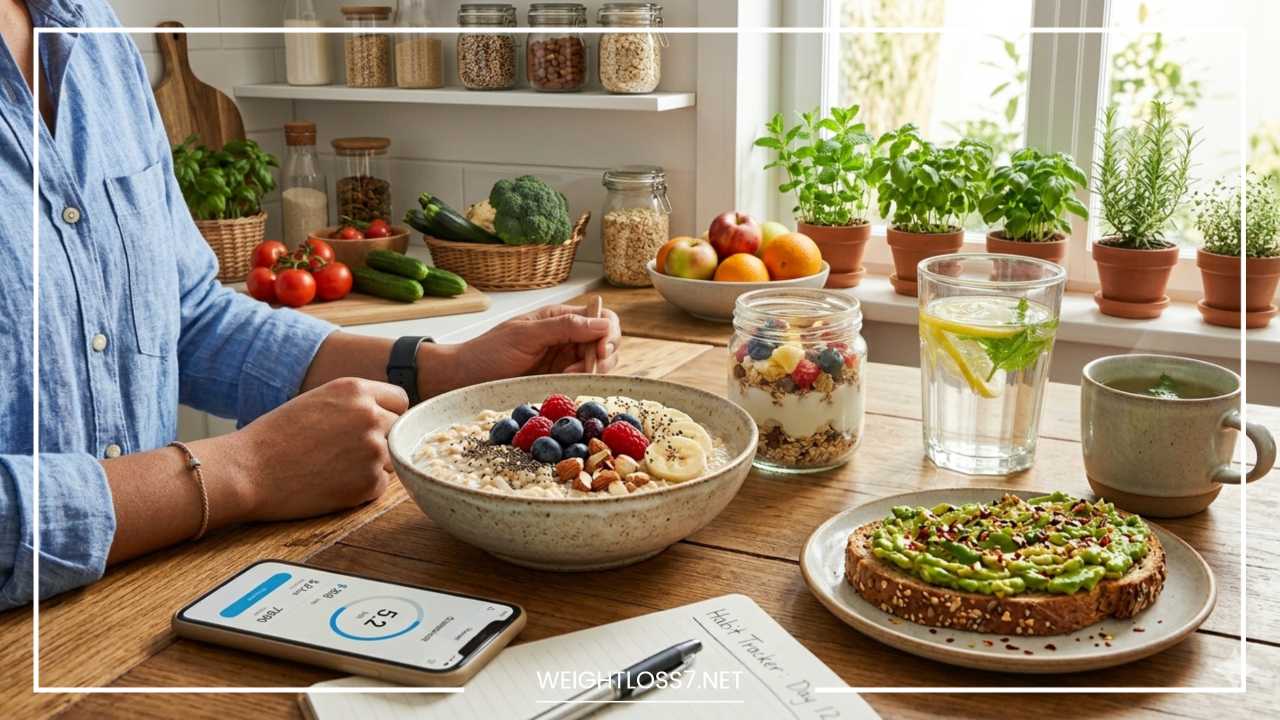
The beauty of this approach is its flexibility. You can create countless meal combinations that fit this model. For breakfast, you could have a bowl of oatmeal with berries and a spoonful of nuts. For lunch, a salad with a variety of vegetables, grains like quinoa, and a source of protein. For dinner, a baked sweet potato alongside roasted vegetables and a serving of protein. The possibilities are endless and can be adapted to your personal preferences and what you have on hand. The key is to aim for variety and consistency over time.
Move More – Without a Gym Membership
When people think of exercise for weight loss, they often picture intense, sweaty sessions at the gym. While that can be effective, it’s not the only way, and for many, it’s not the easiest way. The most sustainable way to move more is to find activities you genuinely enjoy and to incorporate movement into your daily life.
Walking is arguably the most underrated and easiest form of exercise. It’s low-impact, accessible to almost everyone, and incredibly effective. A daily 30-minute walk can help burn calories, improve cardiovascular health, reduce stress, and boost your mood. You can listen to music or a podcast, or even better, invite a friend to walk with you.
Think beyond traditional exercise. Stretching, dancing, or engaging in active hobbies like gardening, hiking, or playing with your pets are all excellent ways to move your body. The goal isn’t to punish yourself; it’s to make movement a natural and enjoyable part of your day.
Look for simple ways to be more active. Take the stairs instead of the elevator. Park a little farther from the store entrance. Do some squats while you wait for your food to cook. These small, consistent bursts of activity throughout the day add up. Focusing on consistent, low-intensity movement is often more effective and sustainable for weight loss than occasional, high-intensity workouts that can lead to injury or burnout.
The Psychology of “Easy” Weight Loss
Losing weight is as much a mental game as it is a physical one. The “easy” way to lose weight involves changing your mindset and building a healthy relationship with food and your body.
One of the most powerful mental shifts is mindful eating. This means paying attention to the food you’re eating, savoring the taste and texture, and listening to your body’s signals of hunger and fullness. Mindful eating can help you recognize emotional triggers for eating, such as stress or boredom, and address them in a healthier way.
Another crucial psychological strategy is habit stacking. This is the process of adding a new habit to an existing one. For example, if you already have a morning ritual of making coffee, you could “stack” a new habit on top of it, like drinking a large glass of water while the coffee brews. This makes the new habit easier to remember and integrate into your routine.
It’s also important to let go of all-or-nothing thinking. Many people believe they have to be “on a diet” 100% of the time, and a single slip-up means they’ve failed completely. This is a recipe for disaster. The reality is that progress is rarely linear. Acknowledge that setbacks are a normal part of the process, learn from them, and get back on track without guilt or shame.
Finally, celebrate your small wins. Did you choose water over soda? Did you go for a walk when you didn’t feel like it? Acknowledge these victories, no matter how small they seem. Celebrating your progress reinforces positive behavior and builds momentum, making you feel successful and motivated to continue.
Common Pitfalls to Avoid
Even with the best intentions, it’s easy to fall into traps that derail your progress. By being aware of these common pitfalls, you can navigate your journey more effectively.
First, avoid crash diets. These are typically very low in calories, restrictive, and often promise unrealistic results in a short amount of time. While they may lead to initial weight loss, much of it is often water weight and muscle. Once you stop the diet, the weight almost always returns, and often with a little extra. They are simply not sustainable and can be harmful to your metabolism.
Second, try not to obsess over the scale. Your weight can fluctuate daily due to a variety of factors, including water retention, hormonal changes, and what you’ve recently eaten. Weighing yourself too frequently can lead to anxiety and frustration. Instead, focus on other metrics of success, like how your clothes fit, your energy levels, or simply how you feel.
Third, avoid comparing yourself to others. Everyone’s body is different, and everyone’s weight loss journey is unique. What works for one person may not work for another. Focus on your own progress and celebrate your own victories, rather than worrying about what others are doing.
Finally, don’t ignore your sleep, stress, or emotions. These factors are just as important as diet and exercise. If you’re stressed, sleep-deprived, or emotionally unwell, it will be much harder to make healthy choices. Prioritize your mental and emotional well-being as part of your overall health plan.
Final Thoughts: Make It Your Own
There is no one-size-fits-all solution for weight loss. The “easiest way” is the one that you can stick with for the long haul. It’s not about finding the perfect diet or exercise routine. It’s about building a few simple, positive habits that you can maintain and enjoy.
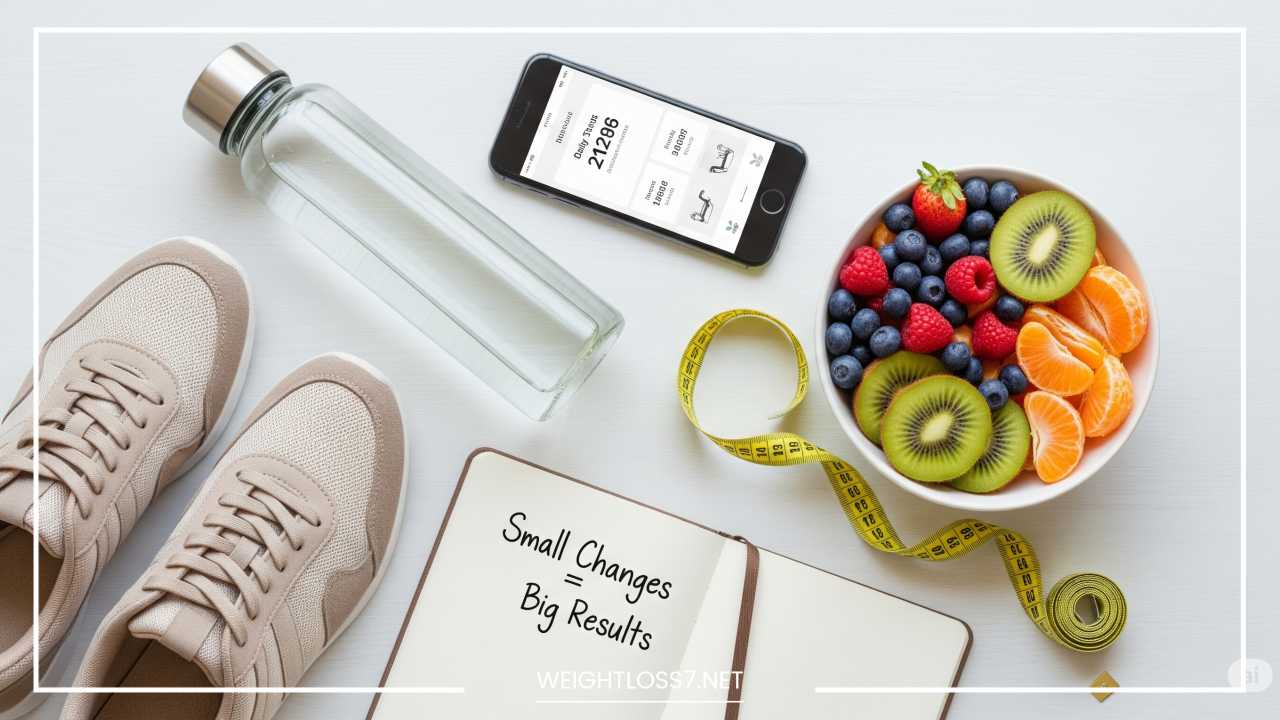
Remember, the goal is not to be perfect. The goal is to make progress. Start small. Choose one or two habits from this article that resonate with you and focus on them for a week. Once they feel easy, add another. This gradual, deliberate approach removes the pressure and makes the process feel manageable and even enjoyable. By focusing on simple changes and consistent action, you can achieve your goals without the stress and struggle you may have experienced in the past. Your journey to a healthier you starts with a single, easy step.