Dieting and Not Losing Weight?


Dieting and Not Losing Weight? Here’s What You Need to Know
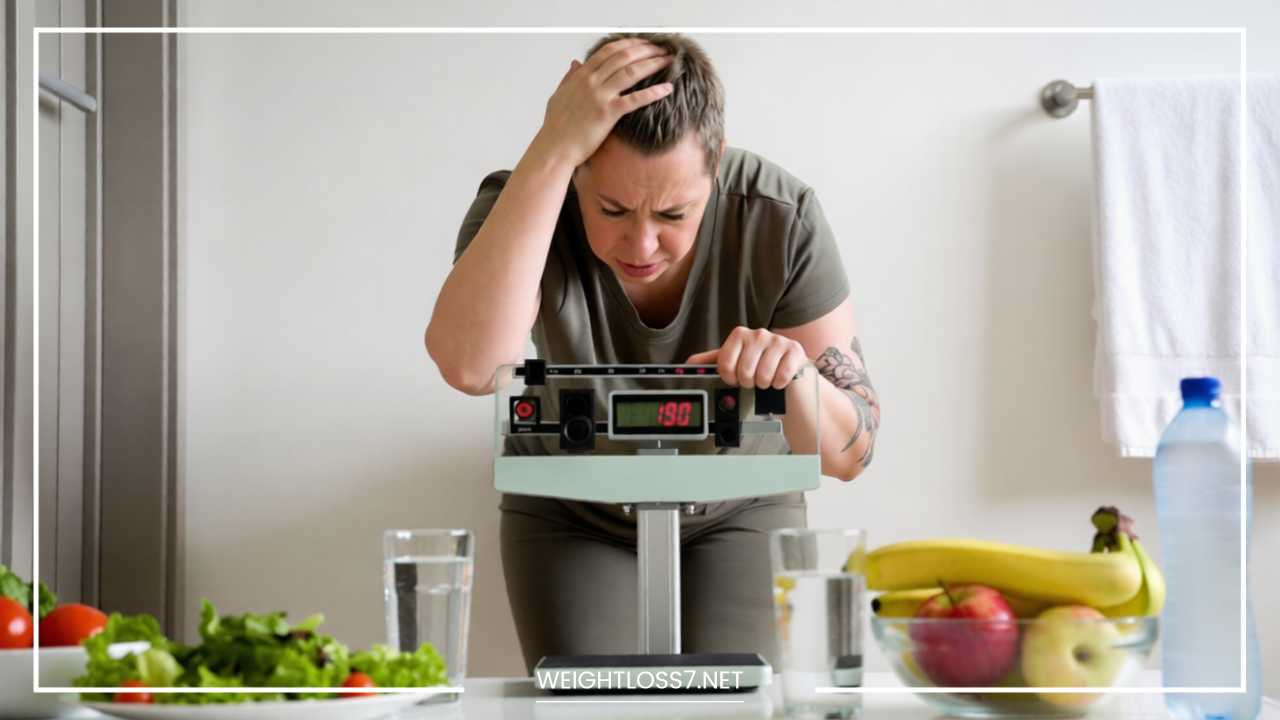
You’ve been doing everything right. You’re carefully choosing what you eat, you’ve cut back on your favorite treats, and you might even be moving more. Yet, when you step on the scale, the number doesn’t budge. Or worse, it’s going up. It’s an incredibly frustrating experience that can make you feel like your body is working against you. You feel defeated and wonder, “What’s the point?”
If this sounds familiar, please know that you are not alone. The struggle is real, and it’s far more common than you might think. We are often told that weight loss is simply a matter of “eating less and moving more,” but that advice is a vast oversimplification. The human body is a complex system influenced by more than just what’s on your plate. Your metabolism, sleep, stress levels, and even the simple act of drinking a glass of water can all play a role in what the scale says. The good news is that understanding these factors can empower you to break through a plateau and finally see the progress you’ve been working so hard for.
The Role of Metabolism in Weight Loss
When people struggle with weight loss, they often blame a “slow metabolism.” But what does that really mean? Metabolism is the process by which your body converts what you consume into energy. It’s not a single switch you can flip on or off; it’s a constant, complex process that includes three main components:
- Basal Metabolic Rate (BMR): This is the energy your body uses to perform its most basic functions while at rest, such as breathing, circulating blood, and maintaining body temperature. It accounts for the majority of your daily energy expenditure.
- Physical Activity: This includes any movement, from a structured workout to simply getting up to get a glass of water.
- Thermic Effect of Food (TEF): This is the energy your body uses to digest, absorb, and process the nutrients in what you consume.
When you drastically cut calories, your body can go into a state of adaptive thermogenesis. It senses a severe restriction and, in an effort to protect you from what it perceives as starvation, slows down its processes to conserve energy. This can lower your BMR, making it harder to lose weight. Instead of a sustainable trickle of energy, your body becomes a thrifty, slower burner. This is why a crash diet that initially seems to work often leads to a quick weight regain—your body is primed to hold onto every last bit of energy it gets once you return to normal eating. A sustainable approach to calorie intake is crucial for keeping your metabolism stable and working for you, not against you.
Hidden Calories and Portion Distortion
You may think you’re eating a controlled number of calories, but the truth is, most people significantly underestimate how much they consume. This isn’t due to a lack of effort; it’s because many everyday foods contain surprising amounts of hidden calories.
Think about the “healthy” additions you make to your meals. The oil you cook with, the dressing on your salad, or the sugar you add to your morning beverage can all contribute hundreds of calories without filling you up. A handful of nuts might seem like a small snack, but it can pack a substantial calorie punch. Even beverages, from sweetened coffees to fruit juices, can add up quickly without you even realizing it. These “liquid calories” can be especially tricky because they don’t provide the same sense of fullness as solid food.
Beyond hidden calories, portion sizes have grown over time, making it easy to misjudge what a standard serving is. What used to be a single serving of a food in the past is often now sold and consumed as two or three servings. The size of plates, bowls, and even glasses has expanded, subtly encouraging us to consume more.
One of the most effective strategies to combat this is to start paying closer attention without becoming obsessive. You don’t need to meticulously count every calorie for the rest of your life. Instead, use tools like measuring cups or a kitchen scale for a short period to “recalibrate” your perception of a serving. Mindful eating—paying attention to the experience of eating and recognizing when you’re full—can also help you tune into your body’s signals and avoid overconsumption.
The Impact of Stress and Sleep
Many people focus on what they eat but overlook two critical factors that can completely derail their efforts: stress and sleep.
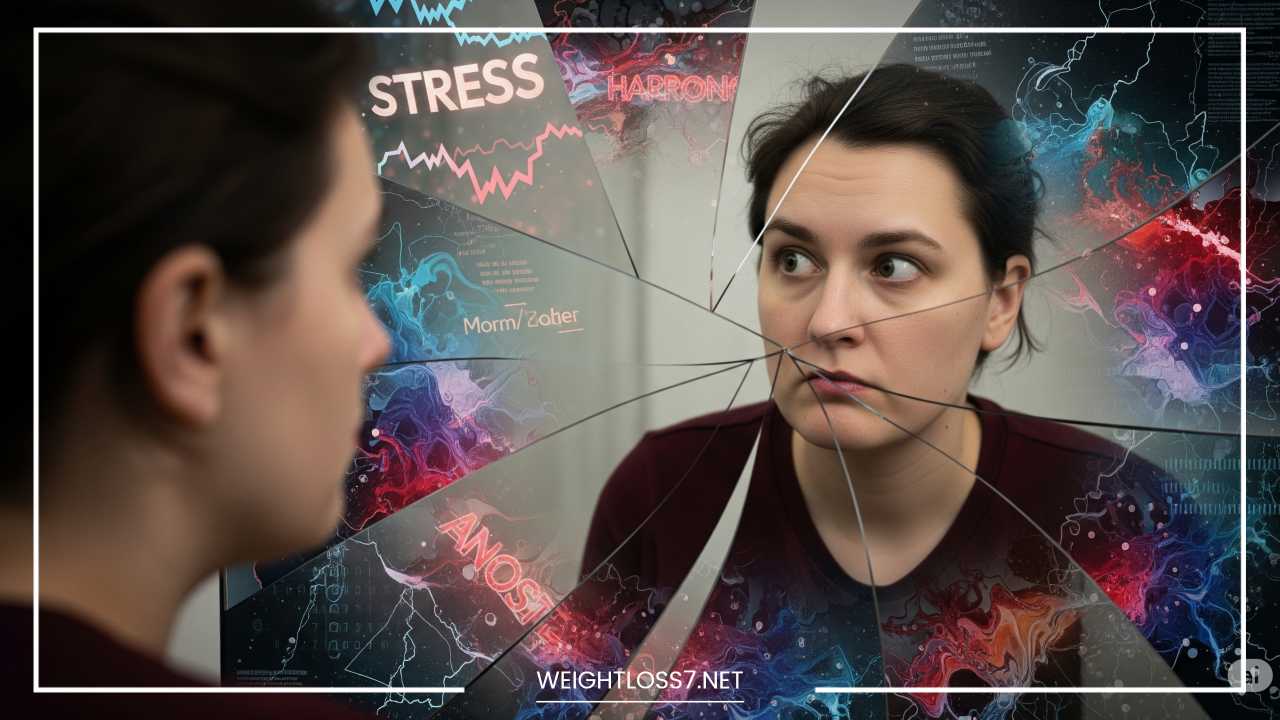
When you are under chronic stress, your body releases a hormone called cortisol. Cortisol is part of your body’s “fight or flight” response, and when it’s elevated for long periods, it can increase your appetite, particularly for foods high in sugar and fat. It also tells your body to hold onto fat, especially around the abdominal area. This means you can be eating the same number of calories as someone who is less stressed, but your body will be more likely to store those calories as fat.
Just as critical is sleep. A single night of poor sleep can throw your appetite-regulating hormones into chaos. Sleep deprivation decreases levels of leptin, the hormone that tells you you’re full, and increases levels of ghrelin, the hormone that signals hunger. This double whammy makes you feel hungrier and less satisfied, making it incredibly difficult to stick to your goals. You’re not just tired; you’re biologically primed to eat more.
Prioritizing your mental and physical recovery is not a luxury; it’s a necessity for weight loss. Simple tips like creating a consistent bedtime routine, avoiding screens before bed, and finding healthy ways to manage stress—such as a short walk, meditation, or a calming hobby—can make a significant difference.
Are You Actually in a Calorie Deficit?
The core principle of fat loss is a calorie deficit, which means you expend more energy than you consume. While this sounds simple, it’s a common misconception to assume that because you are “eating healthy,” you are automatically in a deficit.
The difference between healthy eating and fat loss is a crucial one. A wholesome food can still be very calorie-dense. For example, a generous portion of avocados, nuts, or certain whole grains are incredibly nutrient-rich but can quickly add up in calories. A small smoothie packed with nutrient-dense ingredients might contain more calories than a typical lunch. It’s not that these foods are “bad”—they are fantastic for your health—but when your goal is fat loss, portion size becomes paramount.
If you’re unsure whether you’re in a deficit, you might consider trying a short period of honest tracking. This doesn’t mean you need to do it forever. Use an app or a journal for a few days to record everything you consume, from the drinks to the smallest snacks. Be as accurate as possible. You might be surprised to see where your calories are really coming from. This exercise can be a powerful educational tool to help you understand your eating patterns without a long-term commitment.
Exercise: Helpful, But Not a Free Pass
Exercise is a cornerstone of a healthy lifestyle and is a powerful tool to support weight loss. It builds muscle, improves heart health, and boosts your mood. However, it’s also a common mistake to think of it as a get-out-of-jail-free card.
Many people tend to overestimate the number of calories they burn during a workout and then unknowingly eat back those calories (and often more). A challenging 30-minute cardio session might burn 200–300 calories, which is easily undone by a single indulgent treat or a large, restaurant-sized meal.
The most powerful form of daily activity might not be a high-intensity workout at the gym but rather your Non-Exercise Activity Thermogenesis (NEAT)—the energy expended for everything you do that is not sleeping, eating, or structured exercise. This includes walking to your car, taking the stairs, doing chores, and fidgeting. Small, consistent movements throughout the day can add up to a significant number of burned calories over time. Focus on making consistent movement a part of your daily routine—a short walk after dinner, standing while you work, or taking the stairs instead of the elevator. Consistency in small ways can be more effective than a single high-intensity workout followed by a day of inactivity.
Water Retention and Scale Fluctuations
The scale is an easy and tempting way to measure progress, but it’s a highly unreliable indicator of actual fat loss. It measures your total body weight, which can fluctuate wildly from day to day due to factors completely unrelated to fat.
One of the most common reasons for a sudden increase on the scale is water retention. This can be caused by:
- Sodium Intake: A single high-sodium meal can cause your body to hold onto excess water.
- Hormonal Changes: Monthly cycles, for example, can lead to significant water retention.
- Inflammation: A difficult or new workout can cause microscopic muscle tears and inflammation, which is a sign of recovery but also causes temporary water retention.
These fluctuations are a normal part of the process and can be incredibly frustrating if you’re not prepared for them. Instead of focusing solely on the number on the scale, try to track your progress in other ways. Look for non-scale victories:
- How do your clothes fit? Are your pants feeling a little looser?
- Do you have more energy?
- Are you sleeping better?
- Have you noticed improvements in your mood?
You can also take body measurements with a tape measure or take progress photos every few weeks to see the changes that the scale might be hiding.
Hormonal Factors and Medical Conditions
While lifestyle and diet are often the biggest pieces of the puzzle, sometimes a medical issue or hormonal imbalance can make weight loss extremely difficult. It’s important to acknowledge that not everyone’s body works the same way.
Some medical conditions that can impact weight include:
- Hypothyroidism: An underactive thyroid can slow down your metabolism.
- Polycystic Ovary Syndrome (PCOS): This hormonal disorder can make it difficult for the body to use insulin effectively, leading to weight gain and fat storage.
- Insulin Resistance: This can occur when your body’s cells don’t respond to the hormone insulin as they should, which can make it hard to lose weight and can be a precursor to other health issues.
These are just a few examples, and a professional can provide an accurate diagnosis. If you’ve been consistently putting in the effort with no results, it’s a good idea to speak with a healthcare provider. They can help rule out any underlying conditions and provide guidance tailored to your specific needs.
Psychological and Emotional Eating
Weight loss isn’t just a physical journey; it’s a mental and emotional one. For many people, food is linked to more than just physical hunger. Emotional triggers—such as boredom, stress, sadness, or a need for reward—can lead to eating even when your body doesn’t need fuel.
This often leads to a pattern of “being good all day” and then feeling overwhelmed by a powerful urge to eat at night. You might feel you “deserve” a treat for having a stressful day or a “reward” for sticking to your diet. This cyclical behavior can completely undermine your efforts.
To break this pattern, you must become a detective of your own habits. When you feel the urge to eat, pause and ask yourself: “Am I truly hungry, or is there an emotion behind this?” A powerful tool is to start a journal to track not just what you eat but also how you feel before and after you eat. This can help you identify triggers and find new, healthy coping mechanisms. This could be calling a friend, going for a walk, or reading a book.
Consistency Over Perfection
The biggest mistake people make is seeking perfection and then giving up when they inevitably fall short. No one eats perfectly every day, and a single slip-up doesn’t ruin your progress. The problem isn’t the indulgence; the problem is the decision to quit entirely because of it.
Many people fall into a pattern of “diet hopping”—starting a new, restrictive plan, sticking to it for a few weeks, and then abandoning it. This can lead to a yo-yo effect on both your weight and your metabolism. Sustainable change comes from consistent, long-term habits, not short, intense bursts of effort. It’s not about being perfect; it’s about getting back on track after a less-than-perfect moment.
Be patient with yourself. The body takes time to change, and progress isn’t always linear. A small change that you can stick with for a year will yield far greater results than a major change you can only stick with for a month.
Final Thoughts and Action Steps
If you’re dieting and not losing weight, you’re not a failure, and there’s nothing wrong with you. The process is far more complex than a simple equation. It’s about understanding your body, managing your emotions, and building sustainable habits for life.
Start by looking beyond the scale. Pay attention to how your clothes fit, how your energy levels feel, and your overall sense of well-being. Consider one or two of the strategies mentioned above to implement into your routine. Perhaps you’ll start with a few days of mindful eating or by focusing on getting an extra hour of sleep. The most successful approach isn’t a quick fix but a slow, steady journey of self-discovery and consistent effort. Your body isn’t broken; you just need a better map.