Best Thing to Take to Lose Weight

Best Thing to Take to Lose Weight | Top Weight Loss Supplements & Tips
Weight loss. It’s a journey many embark on, often with a similar question echoing in their minds: “What’s the best thing to take to lose weight?” In a world saturated with quick fixes, fad diets, and an overwhelming array of products promising miraculous results, navigating this landscape can feel like an arduous task. This article aims to cut through the noise, providing a balanced, evidence-informed perspective on the most effective “things” – whether they be supplements, habits, or mental tools – that individuals can truly take or incorporate into their lives to achieve sustainable and healthy weight loss.
Our focus here is on universal principles and widely applicable strategies. We understand that personal preferences and dietary choices vary greatly, and our goal is to offer advice that resonates with everyone, regardless of their specific eating patterns. We won’t be diving into restrictive dietary mandates or specific food groups; instead, we’ll explore foundational elements that support the body’s natural ability to manage weight, emphasizing safety, sustainability, and overall well-being. Losing weight isn’t about deprivation; it’s about empowerment through informed choices and consistent action.
Understanding Weight Loss: The Fundamental Principles
Before we discuss what to “take,” it’s crucial to grasp the fundamental science behind weight loss. At its core, weight management boils down to an energy balance equation: the relationship between the calories you consume and the calories your body expends. To lose weight, you generally need to achieve a caloric deficit, meaning your body burns more calories than it takes in.
This deficit doesn’t necessarily require extreme reductions; even a modest, consistent deficit can lead to gradual, healthy weight loss over time. Your body constantly burns calories through its basal metabolic rate (BMR), which is the energy required to maintain basic bodily functions like breathing, circulation, and cell production, even at rest. On top of that, calories are burned through physical activity and the thermic effect of food (the energy used to digest and absorb nutrients).
Several factors influence your metabolism – the chemical processes that convert food into energy. These include age, gender, genetics, and importantly, your muscle mass. Muscle tissue is more metabolically active than fat tissue, meaning it burns more calories at rest. This highlights why preserving or building muscle can be a beneficial aspect of any weight loss strategy.
It’s vital to understand that no single pill, powder, or food item can magically bypass these biological realities. Sustainable weight loss is rarely achieved through isolated interventions. Instead, it’s about strategically combining various “tools” – be they nutritional components, lifestyle habits, or psychological approaches – to create an environment where your body can effectively and safely shed excess weight. The real “best thing” is often a multi-faceted approach, tailored to your individual needs.
Natural Supplements That May Support Your Weight Loss Journey
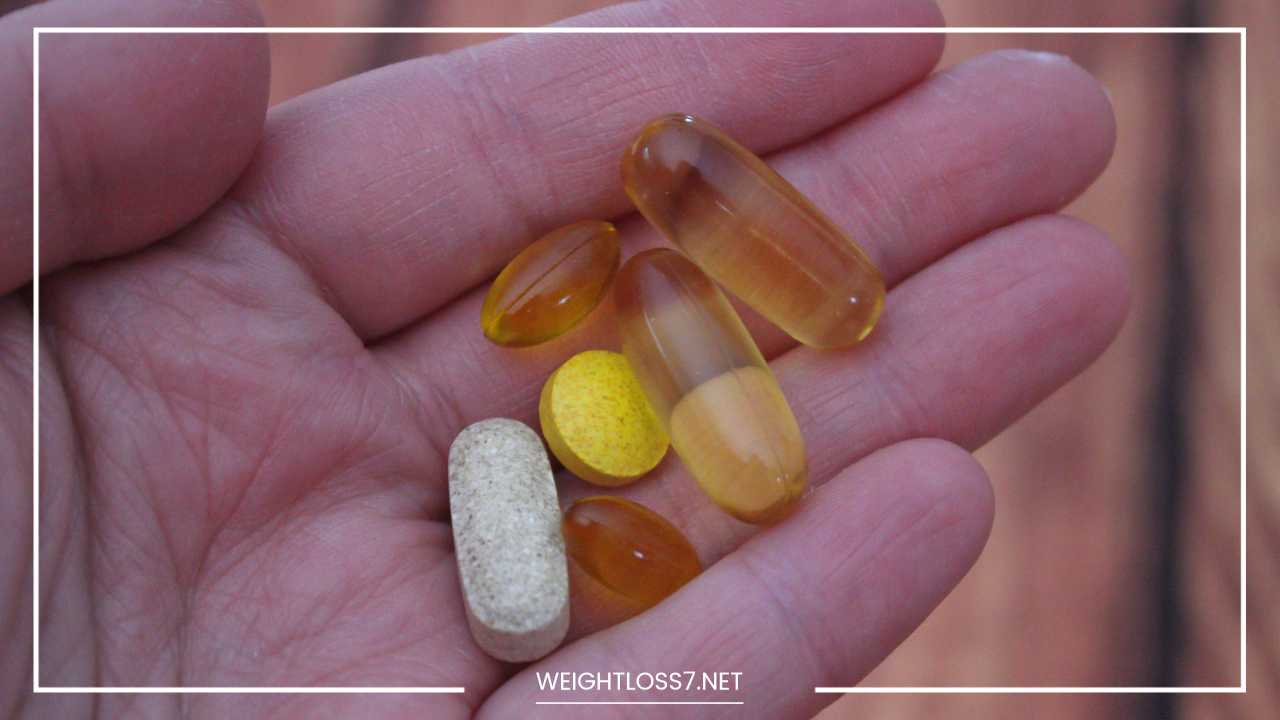
While no supplement is a magic bullet, certain natural compounds have shown promise in supporting weight loss when combined with a balanced approach to diet and activity. It’s crucial to remember that supplements are intended to supplement a healthy lifestyle, not replace it. Always consult with a healthcare professional before adding any new supplement to your regimen, especially if you have underlying health conditions or are taking other medications.
- Green Tea Extract: Derived from the leaves of the Camellia sinensis plant, green tea extract is rich in compounds called catechins, particularly epigallocatechin gallate (EGCG). Research suggests that EGCG, along with the caffeine naturally present in green tea, may help boost metabolism and increase fat oxidation, especially during exercise. It’s thought to work by enhancing the activity of norepinephrine, a neurotransmitter that plays a role in burning calories.
- Glucomannan: This natural, water-soluble dietary fiber is extracted from the konjac plant. Glucomannan is renowned for its exceptional ability to absorb water, forming a thick gel in the digestive tract. This gel can promote feelings of fullness (satiety), helping to reduce overall calorie intake by making you feel satisfied with less food. It also helps slow down digestion, contributing to stable blood sugar levels.
- Caffeine: A well-known stimulant found in various beverages like coffee and tea, caffeine can temporarily increase metabolism and enhance fat burning. It achieves this by stimulating the central nervous system, leading to increased energy expenditure. Caffeine can also improve focus and energy levels, potentially aiding in adherence to physical activity routines. However, moderation is key, as excessive caffeine can lead to side effects like anxiety and disrupted sleep.
- Probiotics: These beneficial microorganisms, often referred to as “good bacteria,” play a crucial role in gut health. Emerging research suggests a complex link between the gut microbiome and weight regulation. A healthy gut flora may influence metabolism, inflammation, and even how calories are absorbed. While more research is needed to fully understand the extent of this connection for weight loss, supporting gut health with probiotics is generally beneficial for overall well-being.
- Apple Cider Vinegar (ACV): A popular home remedy, apple cider vinegar has gained attention for its potential role in weight management. Some studies suggest that acetic acid, the main active compound in ACV, may help reduce appetite, decrease fat storage, and improve blood sugar control. While evidence is mixed and often based on smaller studies, incorporating a small amount of diluted ACV into your routine could be a low-risk addition for some individuals.
When considering these or any supplements, prioritize products from reputable manufacturers. Pay attention to the dosage, as more is not always better, and be aware of potential interactions or side effects. The quality of a supplement can significantly impact its effectiveness and safety.
The Most Powerful “Thing” to Take: Habit-Based Tools
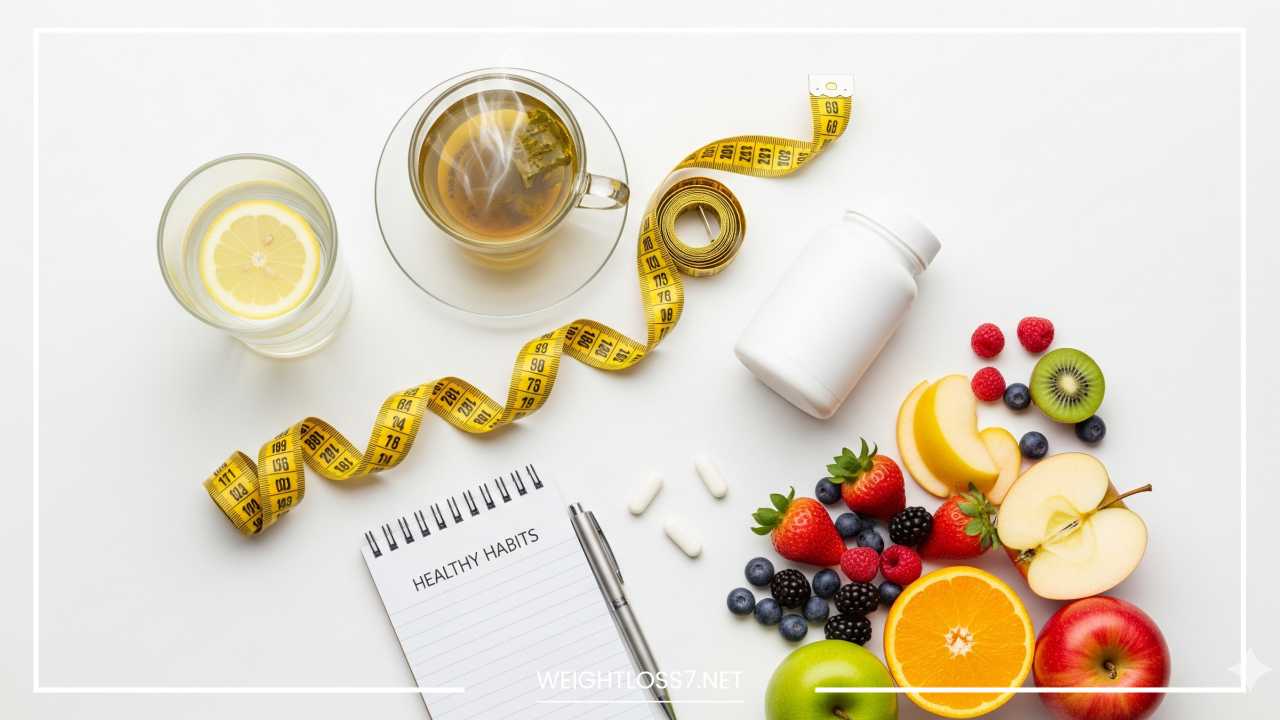
Perhaps the most potent “thing” you can take for weight loss isn’t found in a bottle or a special ingredient, but rather in the consistent habits you integrate into your daily life. These are the tools that build the foundation for long-term success, influencing your body’s functions and your relationship with food in profound ways.
- Water: The Unsung Hero: Often overlooked, plain water is arguably one of the best things you can “take” to support weight loss. Drinking enough water can significantly enhance feelings of fullness, leading to reduced calorie intake. Often, our bodies can confuse thirst with hunger, so hydrating regularly can prevent unnecessary snacking. Water also plays a vital role in metabolic processes, aiding in the breakdown of fats and carbohydrates. Consider drinking a glass of water before each meal; it’s a simple habit with a potentially large impact.
- Prioritizing Quality Sleep: In our fast-paced world, sleep is often the first thing to be sacrificed. However, adequate, quality sleep is paramount for weight management. A lack of sleep disrupts the delicate balance of hunger-regulating hormones: ghrelin (which stimulates appetite) and leptin (which signals fullness). When you’re sleep-deprived, ghrelin levels rise, and leptin levels fall, leading to increased cravings, particularly for high-calorie, sugary, and processed foods. Aim for 7-9 hours of restful sleep per night to help regulate these crucial hormones and improve your body’s ability to manage weight.
- Stress Management Tools: Chronic stress is a silent sabotage for weight loss efforts. When stressed, your body releases cortisol, a hormone that can promote fat storage, especially around the abdomen. Furthermore, stress often triggers emotional eating, where food is used as a coping mechanism rather than for genuine hunger. Learning to “take” control of stress through various techniques is incredibly powerful. This could involve mindfulness practices, deep breathing exercises, gentle movement like yoga, spending time in nature, or engaging in hobbies. Consider using guided meditation apps or simply dedicating a few minutes each day to quiet reflection.
- Integrating “Movement Snacks”: You don’t need to commit to grueling, hour-long gym sessions every day to reap the benefits of physical activity. The concept of “movement snacks” involves incorporating short bursts of activity throughout your day. This could be taking the stairs instead of the elevator, a brisk 10-minute walk during a break, doing a few stretches while waiting for water to boil, or even standing while taking calls. These small, consistent efforts add up, contributing to your overall calorie expenditure, improving circulation, boosting energy, and supporting metabolic health. The “thing to take” here is the initiative to move whenever and wherever you can.
By consciously “taking” these habits into your daily routine, you create a supportive environment for your body to naturally move towards a healthier weight, without the need for extreme measures or constant struggle.
Prescription or Clinical Options: When Medical Guidance is Key
For some individuals, especially those with significant weight challenges or obesity-related health conditions, prescription medications or clinically supervised interventions may become a part of their weight loss strategy. It’s crucial to understand that these options are not a substitute for lifestyle changes but rather tools used in conjunction with them, and always under strict medical supervision.
Modern weight loss medications work through various mechanisms. Some help to reduce appetite and increase feelings of fullness by mimicking natural hormones (like GLP-1 receptor agonists such as semaglutide or liraglutide). Others may work by blocking the absorption of certain fats in the diet or by affecting brain chemicals that control hunger and satiety.
These medications are typically prescribed only for individuals who meet specific criteria, often based on their Body Mass Index (BMI) and the presence of weight-related health issues (e.g., type 2 diabetes, high blood pressure). They are not intended for cosmetic weight loss or for everyone looking to shed a few kilograms.
The decision to use prescription weight loss medication is a significant one that requires careful consideration and a thorough discussion with a qualified healthcare provider. Your doctor will assess your overall health, medical history, potential risks, and benefits, and monitor your progress closely. They can also provide guidance on potential side effects and how these medications integrate with your existing health regimen and lifestyle changes.
It is paramount that anyone considering such options understands that these are powerful tools, and self-medication or obtaining them without a prescription can be dangerous and is strongly advised against. Clinical weight loss programs often involve a multidisciplinary team, including doctors, dietitians, and sometimes psychologists, to provide comprehensive support for sustainable results.
Psychological Tools to “Take” Control of Cravings and Eating Habits
Weight loss is not solely a physical endeavor; it’s profoundly influenced by our minds, emotions, and behaviors. The “best things to take” in this realm are psychological tools that help you understand and reshape your relationship with food, manage cravings, and build sustainable eating habits.
- Mindful Eating: This practice involves paying full attention to your food—its appearance, aroma, texture, and taste—and to your body’s signals of hunger and fullness. Instead of eating on autopilot or while distracted, mindful eating encourages you to slow down, savor each bite, and truly experience your meal. By doing so, you become more attuned to when you’re truly hungry and when you’re satisfied, often leading to natural portion control and greater enjoyment of your food. Try taking a few deep breaths before you eat, put your fork down between bites, and chew slowly.
- Understanding Hunger Cues: Physical vs. Emotional Hunger: It’s essential to differentiate between genuine physical hunger (a biological need for fuel, often characterized by stomach rumbling, low energy, or lightheadedness) and emotional hunger (a desire to eat triggered by feelings like stress, boredom, sadness, or joy, often manifesting as a sudden craving for specific “comfort” foods). Learning to “take” a moment to assess why you want to eat can empower you to respond appropriately. If it’s emotional hunger, you can then choose to address the underlying emotion with a non-food coping mechanism.
- Cognitive Behavioral Strategies (CBS): CBS involves identifying and challenging unhelpful thought patterns and behaviors related to food and eating. This might mean recognizing triggers for overeating, questioning self-sabotaging thoughts (“I blew it, so I might as well eat the whole thing”), or practicing alternative responses to difficult situations. Tools like journaling can be incredibly effective here. By documenting your eating patterns, moods, and thoughts, you can gain valuable insights into your habits and begin to make conscious changes.
- Behavior Tracking and Accountability: Simply “taking” the time to track what you eat, even if it’s just for a few days, can dramatically increase your awareness. This isn’t about rigid calorie counting for everyone, but rather about observation. Apps or simple notebooks can help you log meals, portion sizes, and even your mood when you eat. This data provides objective feedback and helps identify patterns you might not otherwise notice. Similarly, finding an accountability partner or joining a supportive community can provide encouragement and help keep you on track.
- Setting Realistic Expectations and Self-Compassion: The journey of weight loss will have its ups and downs. “Taking” a compassionate approach to yourself means understanding that perfection isn’t attainable or necessary. Instead of viewing occasional slip-ups as failures, see them as learning opportunities. Setting realistic, achievable goals prevents burnout and discouragement. Celebrate small victories, learn from setbacks, and focus on progress rather than an elusive ideal.
By actively engaging with these psychological tools, you move beyond simply managing what goes into your mouth and start to understand and manage the underlying drivers of your eating behaviors, leading to more profound and lasting change.
Debunking Myths About Weight Loss “Magic Pills”
In the quest for weight loss, the allure of a “magic pill” or a quick fix is incredibly strong. Unfortunately, this desire often leads people down paths that are ineffective, expensive, and sometimes even dangerous. It’s essential to critically evaluate claims and “take” a skeptical approach to products that promise rapid, effortless results.
- The “Melt Fat Away” Myth: Many products claim to “melt fat” or help you lose weight without any changes to your diet or activity. Scientifically, this concept is largely unfounded. While some supplements may slightly boost metabolism or aid in fat oxidation, they cannot independently eliminate significant amounts of fat without a caloric deficit created through sensible eating and increased activity. These claims are often designed to exploit a consumer’s desire for an easy solution.
- Unregulated and Unsafe Products: The supplement industry is vast, and not all products are created equal or regulated with the same rigor as pharmaceuticals. Many “diet pills” sold online or through dubious channels contain unlisted ingredients, dangerous stimulants, or are contaminated. These can lead to serious health issues, including heart problems, liver damage, and severe side effects. The “best thing to take” is always caution when considering any unregulated product.
- Detoxes and Cleanses: The concept of “detoxing” the body is popular, with many programs and products promising to flush out toxins and reset your metabolism for weight loss. While the body has its own highly efficient detoxification systems (liver, kidneys), there is little scientific evidence that commercial “detox” programs or cleanses are necessary or effective for weight loss. They often involve extreme calorie restriction, which can lead to temporary water weight loss, but this is rarely sustainable or healthy.
- The “More Is Better” Fallacy: With supplements, there’s a common misconception that if a little is good, a lot must be better. This is often untrue and can be dangerous. Overdosing on certain vitamins or supplements can lead to toxicity and adverse health effects. Always adhere to recommended dosages and consult with a professional.
The reality is that sustainable weight loss is a journey of consistent, informed effort, not a destination reached via a single, miraculous product. Focusing on balanced nutrition, regular activity, adequate sleep, and stress management will always yield more reliable and safer results than relying on unproven “magic pills.”
Final Thoughts: So What’s the Best Thing to Take?
After exploring the myriad avenues, from natural compounds to daily habits and psychological strategies, we return to our central question: What is the best thing to take to lose weight? The unequivocal answer is that there isn’t one single “thing.” The most effective approach to weight loss is a comprehensive, multi-factorial strategy that integrates several key elements into your life.
The “best things to take” are not confined to a single pill or product. They encompass a blend of:
- Smart Nutritional Choices: Focusing on fiber-rich foods that promote satiety, choosing wholesome, minimally processed ingredients, and being mindful of portion sizes. This is about nourishing your body, not depriving it.
- Consistent Hydration: Making water your primary beverage, recognizing its role in satiety and metabolic function.
- Adequate, Restorative Sleep: Prioritizing 7-9 hours of quality sleep to regulate hunger hormones and support overall bodily function.
- Effective Stress Management: Employing techniques to reduce cortisol levels and prevent emotional eating.
- Regular Physical Activity: Incorporating movement, whether structured exercise or “movement snacks,” to boost calorie expenditure and build muscle.
- Mindful Eating Practices: Paying attention to hunger and fullness cues, and savoring your meals to enhance satisfaction and control.
- Psychological Resilience: Cultivating self-awareness, challenging unhelpful thoughts, and practicing self-compassion throughout your journey.
For some, under medical guidance, specific natural supplements or even prescription medications may offer additional support. However, these are always secondary to the foundational lifestyle changes.
The journey to a healthier weight is personal and unique to each individual. It requires patience, persistence, and a willingness to learn and adapt. The most powerful “thing” you can take is an informed, proactive mindset, coupled with a commitment to sustainable habits that serve your long-term well-being. Always remember to consult with a healthcare professional before embarking on any significant weight loss program or introducing new supplements, ensuring your approach is safe, personalized, and effective for you. Embrace the process, celebrate your progress, and focus on building a healthier, happier you, one mindful choice at a time