How to Lose Weight Healthy Without Exercise


How to Lose Weight Healthy Without Exercise – Effective Tips & Guide
Losing weight can feel like an uphill battle, especially when a lack of time, physical limitations, or simply a dislike for exercise gets in the way. We’ve been told for so long that the only path to a healthier weight is through a rigorous workout routine. But what if that’s not entirely true? What if there was a way to lose weight in a healthy, sustainable manner by focusing on the changes you make in the kitchen and in your daily routines, rather than in the gym?
It’s a common misconception that weight loss is solely about burning calories through physical activity. While exercise is undoubtedly beneficial for overall health, it’s not the only way to shed pounds. The truth is, the foundation of lasting weight loss is built on the choices you make every day regarding what and how you eat, how you manage stress, and how you prioritize rest. This article will show you that it is not only possible but also empowering to take control of your weight loss journey without ever having to break a sweat. You’ll learn how to create a healthy, realistic path to your goals by focusing on the power of nutrition and smart lifestyle adjustments.
Understand How Weight Loss Works
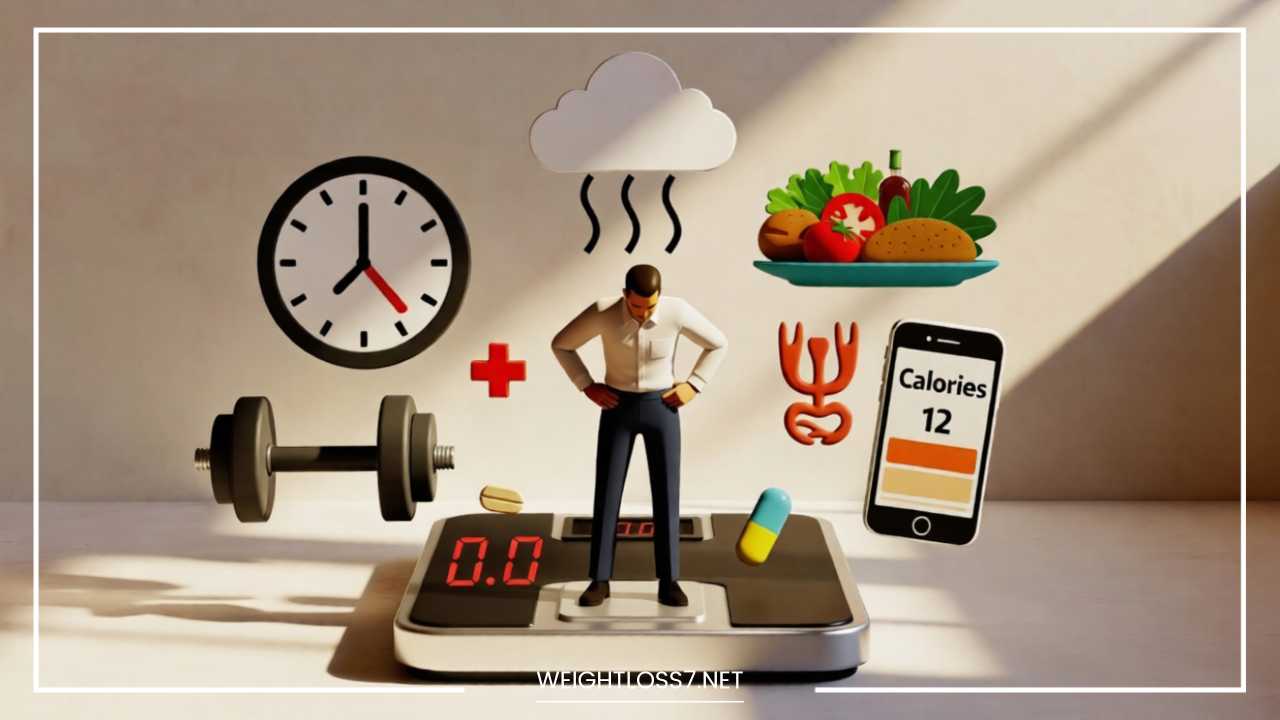
Before diving into the “how-to,” it’s crucial to understand the fundamental principle of weight loss: the caloric deficit. In simple terms, a caloric deficit is when you consume fewer calories than your body uses for energy. Think of it like a bank account. Your body needs a certain amount of energy (calories) to function—to breathe, think, digest food, and maintain all its processes. This is your basal metabolic rate (BMR). When you add in the energy needed for daily activities (walking, cooking, working), you get your total daily energy expenditure (TDEE). To lose weight, you must ensure your caloric intake is less than your TDEE. When this happens, your body turns to its stored energy—the fat on your body—to make up the difference.
It’s important to distinguish between fat loss and other types of weight loss. When you step on the scale, the number can fluctuate based on water retention, muscle mass, and other factors. True, sustainable weight loss is about losing fat, not just a temporary dip in the number on the scale. When you create a caloric deficit through dietary changes, you are targeting fat stores specifically.
So, why isn’t exercise the only way to create this deficit? Because a single workout often burns fewer calories than you think. For example, a 30-minute walk might burn around 150-200 calories, but a single sugary drink could contain that and more. It is far more efficient and often easier to reduce your calorie intake by a few hundred calories each day through smart food choices than it is to try and burn that same amount through physical activity. For many people, changing their eating habits is the most effective and sustainable strategy for long-term weight loss.
Focus on Nutrient-Dense, Lower-Calorie Foods
The key to a successful weight loss plan without exercise is to fill your body with foods that provide maximum nutrition for minimal calories. This is the concept of nutrient density. Instead of relying on empty calories from processed snacks, you’ll shift to whole, unprocessed foods that help you feel full and satisfied.
One of the most effective strategies is to eat more volume with fewer calories. Foods rich in fiber and water are perfect for this. Think of a large bowl of leafy greens, a generous helping of roasted vegetables, or a plate of legumes and whole grains. These foods take up a lot of space in your stomach, signaling to your brain that you’re full, while delivering a fraction of the calories found in a smaller portion of processed or fried food.
Fiber is your secret weapon. Found in abundance in fruits, vegetables, legumes, and whole grains, fiber not only adds bulk to your meals but also slows down digestion. This means you feel satiated for longer, which can help prevent snacking between meals.
Beyond whole foods, it’s vital to be aware of hidden calories. Sauces, dressings, and many beverages are major culprits. A simple salad can become a high-calorie meal with a heavy dressing. Opt for oil-free or vinegar-based dressings, or even just a squeeze of lemon juice. Similarly, those seemingly harmless sugary coffees, juices, and sodas can add hundreds of calories to your daily total without providing any nutritional value or feeling of fullness.
When it comes to snacking, mindful choices are essential. Instead of grabbing a bag of chips, which is easy to overeat, have a bowl of fresh berries or a handful of unsalted nuts. These snacks provide nutrients and healthy fats that can keep you going until your next meal. Portion control is also a critical skill. Learn to use the appropriate serving sizes and don’t eat directly from large containers to avoid mindlessly consuming too much.
Smart Eating Habits That Support Weight Loss
Losing weight isn’t just about what you eat, but how you eat. By changing your habits and becoming more aware of your body’s signals, you can significantly reduce your calorie intake without feeling deprived.
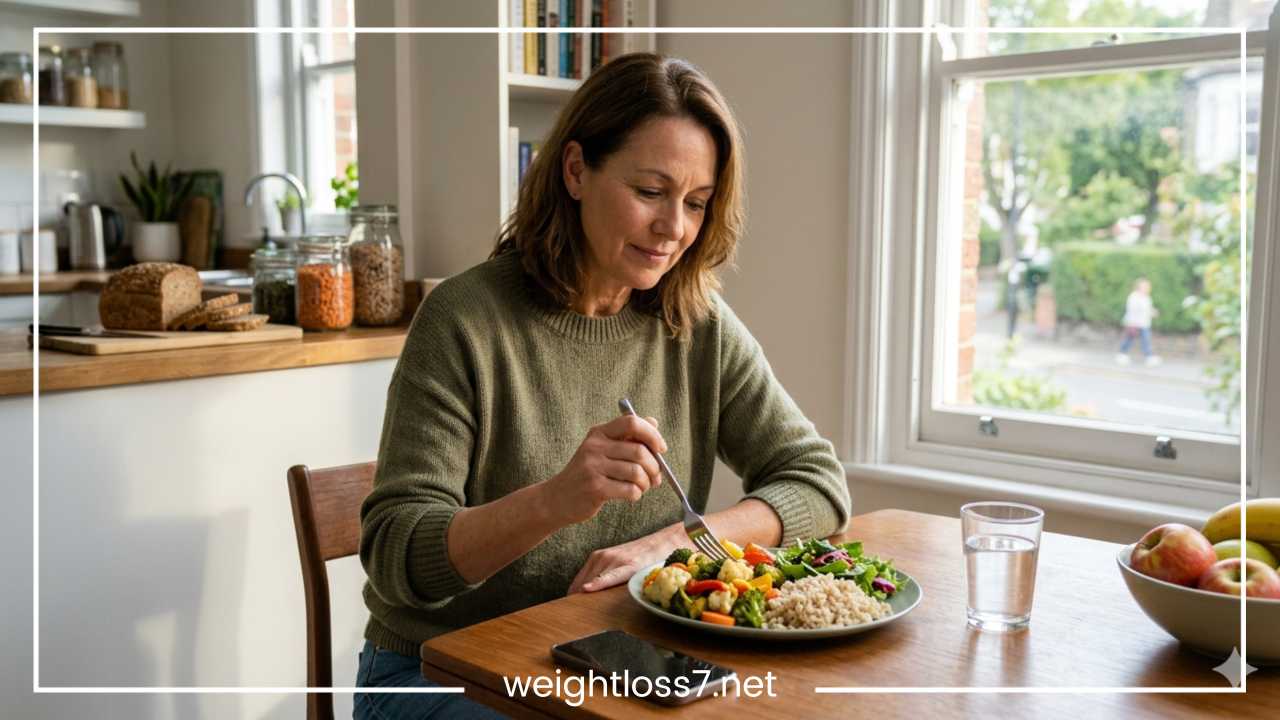
One simple yet powerful change is to eat slowly and chew thoroughly. This gives your brain time to receive the signals that you are full. It takes about 20 minutes for your stomach to tell your brain it’s satisfied. When you eat too quickly, you can easily consume more than your body needs before it even registers that it’s full.
Another crucial habit is to practice mindful eating. This means paying attention to your food and your body’s hunger and fullness cues. Before you eat, ask yourself if you’re truly hungry or if you’re eating out of boredom, stress, or habit. When you eat, focus on the taste, texture, and smell of your food. Avoid distractions like the TV, your phone, or your computer. When you eat while distracted, you tend to consume more and don’t feel as satisfied afterward, which can lead to overeating later.
Using smaller plates and bowls can also be a simple but effective visual trick. A smaller plate piled high with food looks more satisfying than a small amount of food on a large plate. This can trick your brain into thinking you’re eating more, helping you naturally reduce your portion sizes without feeling like you’re missing out.
Drink More Water and Cut Liquid Calories
Staying hydrated is one of the most underrated tools for weight loss. Water is essential for your body’s metabolic processes, and being even mildly dehydrated can slow down your metabolism. It’s also a powerful appetite suppressant. Sometimes, your body confuses thirst for hunger. The next time you feel a craving, try drinking a large glass of water first. You might find that the feeling passes.
A great strategy is to drink a glass of water before every meal. This can help fill your stomach, leading you to eat less during the meal.
Perhaps the most impactful change you can make is to replace sugary drinks with water or herbal teas. Sodas, sweetened coffees, juices, and energy drinks are loaded with empty calories. They don’t provide any feeling of fullness and are easily overconsumed. Switching to water, unsweetened tea, or sparkling water with a slice of lemon or lime can eliminate hundreds of calories from your daily intake without you even noticing. You’ll be hydrating your body while cutting out a major source of empty calories.
Improve Sleep and Manage Stress
The journey to a healthier weight isn’t just about what you eat; it’s also about how you live. Your sleep and stress levels have a profound impact on your weight, often more than people realize.
Lack of sleep can wreck your weight loss efforts by disrupting the hormones that control hunger and appetite. When you don’t get enough sleep, your body produces more ghrelin, the hormone that signals hunger, and less leptin, the hormone that signals fullness. This imbalance makes you feel hungrier, especially for high-calorie, sugary, and fatty foods, even if you’ve eaten enough. Aim for 7-9 hours of quality sleep per night. Simple strategies to improve sleep include sticking to a consistent sleep schedule, making your bedroom dark and cool, and avoiding screens before bed.
Similarly, stress and emotional eating are closely linked. When you’re under chronic stress, your body releases cortisol. This hormone can increase your appetite and a tendency to store fat, particularly around your abdomen. Many people also turn to food as a coping mechanism for stress, boredom, or sadness. Finding healthier ways to manage stress is vital. Consider simple stress-reduction tips like deep breathing exercises, spending time in nature, listening to music, or journaling. Hobbies you enjoy, whether it’s painting, reading, or gardening, can also provide a healthy outlet and reduce the urge to eat emotionally.
Structure Your Day Around Healthy Routines
A chaotic, unplanned day can be a weight loss disaster. When you’re busy and unprepared, you’re far more likely to make impulsive, unhealthy food choices. Creating a routine and planning ahead can make healthy eating second nature.
Having consistent mealtimes can help regulate your hunger and prevent you from getting so hungry that you overeat. When you skip meals, especially breakfast, you often become ravenous later, which can lead to overeating and making poor choices.
Planning meals ahead is a simple strategy that pays off immensely. Take some time at the beginning of the week to plan your meals and make a shopping list. This helps you buy only the ingredients you need and reduces the temptation to order takeout or grab something quick and unhealthy. Keeping healthy options visible and easily accessible in your fridge and pantry, while keeping junk food out of sight, is another powerful tactic. If you see a bowl of fresh fruit every time you open the fridge, you’re more likely to reach for it.
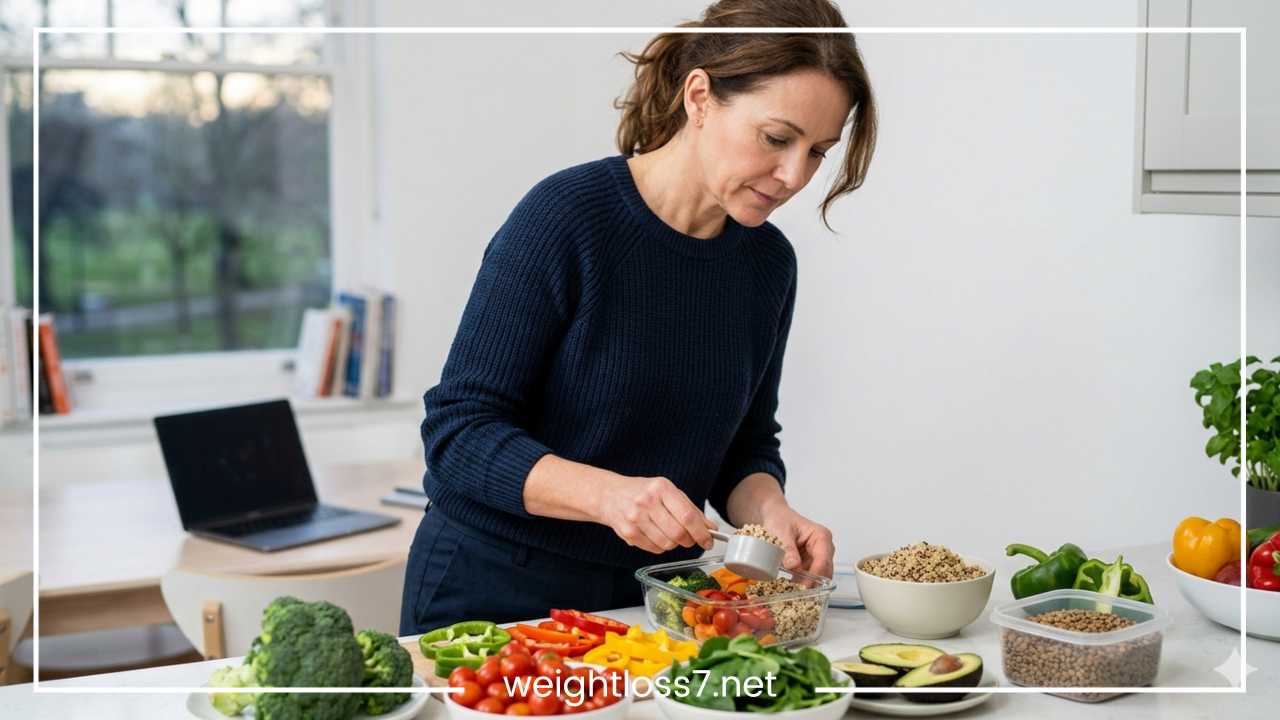
Meal prepping can be a game-changer for busy individuals. Spending a few hours on a weekend to chop vegetables, cook a batch of whole grains, or prepare some simple components for your meals can save you time and ensure you have healthy options ready to go throughout the week.
Reduce Processed Foods and Added Sugars
Processed foods and added sugars are a major roadblock on the path to healthy weight loss. They are often stripped of nutrients and fiber but loaded with calories, unhealthy fats, and sweeteners that can lead to cravings and overconsumption.
Hidden sugars are particularly sneaky. They are in everything from bread and salad dressings to yogurt and canned soups. Getting into the habit of reading food labels is crucial. Look for ingredients like high-fructose corn syrup, sucrose, and dextrose, which are all forms of added sugar. A simple rule of thumb is to choose foods with shorter ingredient lists that you can easily pronounce and understand.
When you start reducing processed foods, you’ll naturally gravitate toward healthier snack alternatives. Instead of packaged cookies or chips, try air-popped popcorn, plain yogurt with berries, or whole-grain crackers with a spread. These options are more satisfying and provide better nutrition.
It’s also important to be mindful of salt and fat-heavy processed foods. Many processed foods use a combination of sugar, salt, and fat to make them irresistible. By focusing on whole, fresh ingredients, you can season your food with herbs, spices, and a small amount of healthy fats (like those found in nuts and avocados) to enhance flavor without the negative health effects.
Track Your Progress Without Obsessing
Weight loss is a marathon, not a sprint. It’s easy to get discouraged if you don’t see results immediately, but focusing on consistency and non-scale victories can keep you motivated and on track.
Instead of obsessing over the number on the scale every day, which can fluctuate due to water weight, focus on consistency, not perfection. It’s about making a series of good choices most of the time. If you have a day where you eat off-plan, don’t give up. The next meal is a new opportunity to get back on track.
Journaling your meals, moods, and hunger cues can be incredibly insightful. It helps you identify patterns in your eating habits and understand what triggers you to eat. This self-awareness is a powerful tool for making lasting changes.
Beyond the scale, celebrate your non-scale victories. These are often more meaningful and sustainable indicators of progress. Maybe your clothes are fitting more loosely, you have more energy to get through the day, you’re sleeping better, or your skin looks clearer. You could also use a tape measure to track changes in your waist or hips or take photos to see the gradual changes in your body over time. These victories prove that your efforts are paying off, even if the scale isn’t moving as fast as you’d like.
Common Pitfalls and How to Avoid Them
Even with the best intentions, it’s easy to fall into common traps that can derail your progress. By being aware of them, you can navigate your journey more effectively.
Relying too much on diet fads or shortcuts is a recipe for short-term results and long-term frustration. Quick fixes often involve extreme calorie restriction or eliminating entire food groups, which are not sustainable. Once you stop the fad diet, the weight often comes back, sometimes with a few extra pounds. The focus should be on building a healthy lifestyle, not a temporary diet.
Skipping meals with the goal of saving calories often backfires. When you skip a meal, your blood sugar can drop, leading to intense hunger and an almost guaranteed binge later on. Eating regular, balanced meals helps keep your energy levels stable and prevents you from making impulsive, unhealthy choices.
Finally, not being patient is one of the biggest challenges. Healthy, sustainable weight loss is a slow and steady process. Aim for a loss of 1-2 pounds per week. If the number is smaller than that, remember that any loss is a win. Comparing your journey to others is also unhelpful, as everyone’s body is different. Your unique path is a testament to your personal progress, so celebrate every step you take.
Final Thoughts
Losing weight without exercise is a completely valid and achievable goal. By shifting your focus from “burning off” calories to “fueling your body with intention,” you can achieve sustainable, long-term results. The journey is not about perfection but about building a series of small, consistent changes that lead to a healthier lifestyle.
Remember that a caloric deficit is the ultimate key, and you can achieve that through simple, smart, and intentional food choices. Prioritizing nutrient-dense foods, drinking more water, improving your sleep, and managing stress are powerful tools that can transform your body and your relationship with food. The most important step is simply to start, even with just one habit change.