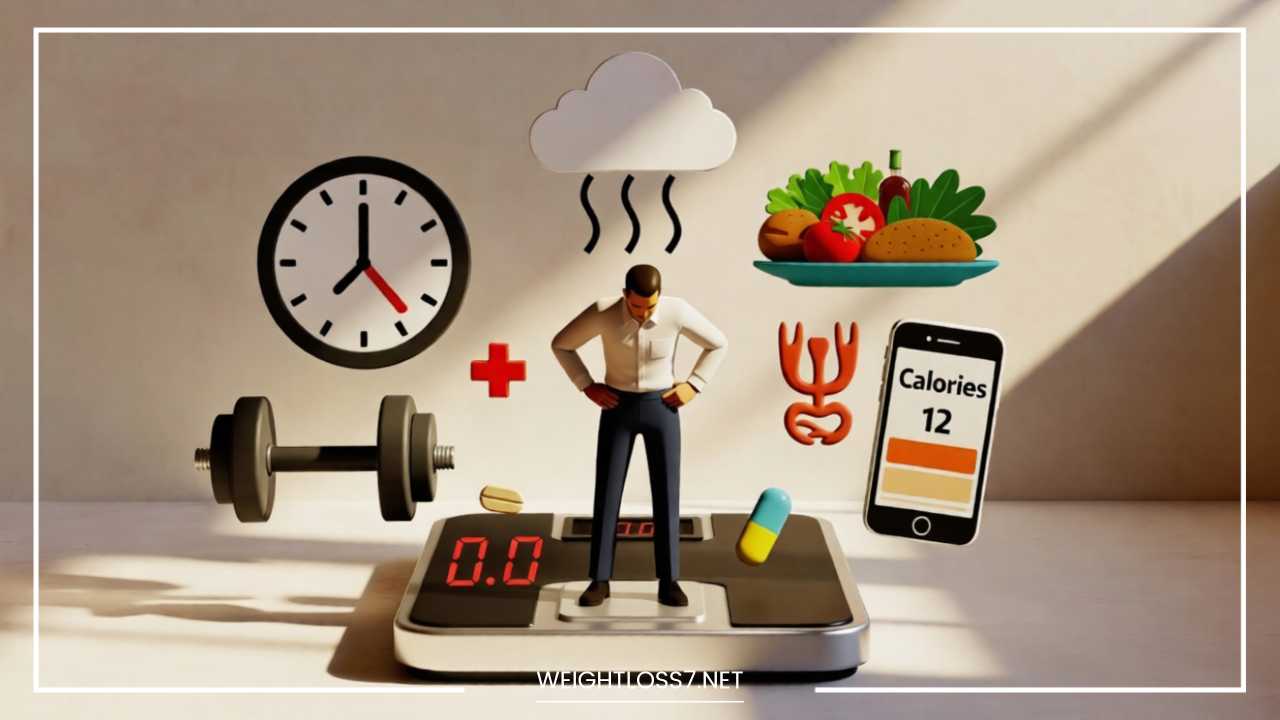
Medical Reasons for Not Losing Weight


Medical Reasons for Not Losing Weight | Common Causes & Solutions
When we embark on a weight loss journey, we often expect a straightforward relationship between our efforts and the results we see on the scale. We diligently track our calories, increase our physical activity, and make conscious decisions to eat more nourishing foods. Yet, for many, the numbers on the scale refuse to budge, or they may even creep upward despite their best efforts. This can be incredibly frustrating and disheartening, leading to self-doubt and the temptation to abandon the effort altogether. While it’s easy to assume that a lack of discipline is the culprit, the reality is far more complex. The body is a intricate system, and a variety of underlying medical reasons can significantly hinder weight loss. Understanding these hidden barriers is the first and most crucial step toward a successful and sustainable journey.
This article will explore the myriad medical factors that can make shedding pounds difficult, from hormonal imbalances and metabolic conditions to the unexpected effects of certain medications and lifestyle habits. By shedding light on these often-overlooked obstacles, we can move beyond a one-size-fits-all approach and begin to work with our bodies, not against them, to achieve our health goals.
Hormonal Imbalances
Hormones are the body’s chemical messengers, regulating nearly every function, including metabolism, appetite, and fat storage. When these delicate systems fall out of balance, the results can be frustrating, especially when it comes to weight.
Thyroid Dysfunction (Hypothyroidism)
The thyroid gland, a small butterfly-shaped organ in the neck, plays a significant role in regulating your metabolism. It produces hormones that control how your body uses energy. When the thyroid gland is underactive, a condition known as hypothyroidism, it doesn’t produce enough of these essential hormones. This slowdown can have a profound impact on your body’s energy expenditure, leading to a sluggish metabolism. A slower metabolism means your body burns fewer calories at rest, making it easier to gain weight and much harder to lose it. In addition to weight gain, symptoms can include fatigue, increased sensitivity to cold, dry skin, and constipation.
If you suspect thyroid issues are the cause of your weight struggles, a simple blood test can measure your thyroid hormone levels. Once diagnosed, hypothyroidism is typically managed with medication that replaces the missing hormones. With proper treatment, your metabolism can return to a normal rate, making weight management more achievable.
Insulin Resistance and Diabetes
Insulin is a hormone produced by the pancreas that helps regulate blood sugar. After you consume food, especially carbohydrates, your blood sugar levels rise. Insulin is then released to help move that sugar from your bloodstream into your cells for energy. In a state of insulin resistance, your body’s cells don’t respond effectively to insulin. As a result, the pancreas works overtime, producing more and more insulin to try and get the job done. High levels of insulin circulating in the blood can signal the body to store fat, particularly around the midsection.
This vicious cycle not only contributes to weight gain but can also be a precursor to prediabetes and type 2 diabetes. The key to managing insulin resistance and its impact on weight is a combination of lifestyle changes. Incorporating regular physical activity, which improves insulin sensitivity, is crucial. Additionally, a balanced diet that focuses on whole, unprocessed foods and limits refined sugars and carbohydrates can help regulate blood sugar and insulin levels. In some cases, medication may also be prescribed to help improve insulin sensitivity.
Cortisol and Stress
Cortisol is often referred to as the “stress hormone.” In a short-term, stressful situation, a surge of cortisol is a beneficial part of the body’s fight-or-flight response. It raises blood sugar, boosts energy, and prepares the body for action. However, when stress becomes chronic, the body is constantly exposed to elevated cortisol levels. High cortisol can have several negative effects on weight, including increased appetite and cravings for sugary, high-fat foods. This is the body’s ancient survival mechanism kicking in, encouraging you to consume quick-energy foods in preparation for a perceived threat.
Furthermore, chronic stress and high cortisol levels are directly linked to the accumulation of visceral fat—the deep, dangerous fat that wraps around your abdominal organs. This type of fat is metabolically active and can increase the risk of other health issues. Managing stress is therefore not just a mental health priority but a critical component of weight management. Practicing mindfulness, engaging in hobbies, spending time in nature, and getting enough sleep are all powerful tools for keeping cortisol in check.
Polycystic Ovary Syndrome (PCOS)
PCOS is a common endocrine disorder that affects people with ovaries, often leading to a hormonal imbalance. One of the hallmark features of PCOS is a state of chronic insulin resistance. As discussed, this makes it very difficult to lose weight and increases the likelihood of weight gain, particularly in the abdominal area. The hormonal shifts in PCOS can also lead to other symptoms, such as irregular menstrual cycles, acne, and increased hair growth.
Weight management is a primary focus of PCOS treatment because even a modest reduction in weight can significantly improve insulin resistance and other symptoms. While this can be a challenging process, medical treatments, including specific medications to improve insulin sensitivity, can be combined with lifestyle adjustments to help manage the condition and support weight loss efforts.
Metabolic Factors
Beyond hormones, your body’s unique metabolic makeup and genetic blueprint play a significant role in how you process food and energy. These factors can create a natural resistance to weight loss that has little to do with willpower.
Slow Metabolism
Metabolism is the process by which your body converts food and drinks into energy. The speed of your metabolism, often referred to as your metabolic rate, determines how quickly you burn calories. While some people seem to have a naturally fast metabolism and can eat more without gaining weight, others have a slower metabolism, making weight loss more challenging. A slow metabolism can be influenced by several factors, including age, gender, and genetics.
As we get older, our metabolism naturally slows down, partly due to a decrease in muscle mass. Muscle tissue is more metabolically active than fat tissue, meaning it burns more calories at rest. This is why incorporating strength training into your routine is so important as you age. While you can’t drastically alter your baseline metabolic rate, you can influence it with smart lifestyle choices. Prioritizing quality sleep, staying hydrated, and engaging in both aerobic exercise and strength training can help boost your metabolism and make your weight loss efforts more effective.
Genetics and Weight Loss Resistance
The role of genetics in weight is undeniable. While not an excuse for unhealthy habits, your genes can influence your body type, where you store fat, and how your body responds to exercise and diet. Genetic predisposition can make some people more prone to gaining weight or make it more difficult for them to lose it. For example, certain genes may affect your body’s ability to regulate appetite, control fat storage, or respond to specific types of exercise.
While you can’t change your genes, understanding your genetic makeup can provide valuable insights. In some cases, genetic testing can help uncover potential predispositions to weight gain and guide a more personalized approach to diet and fitness. The key is to work with what you have. A person with a genetic predisposition to a slower metabolism may need to be more diligent with their physical activity and dietary choices, but their goals are still completely achievable.
Leptin Resistance
Leptin is a hormone produced by your fat cells that plays a crucial role in regulating appetite and body weight. It’s often called the “satiety hormone” because it signals your brain when you have enough stored energy (fat), effectively telling you to stop eating. In a healthy system, as your fat stores increase, so do your leptin levels, which should help suppress your appetite and prevent overeating.
However, in individuals with a significant amount of excess weight, this system can break down, leading to a condition called leptin resistance. In this state, your brain no longer responds effectively to leptin’s signals. It’s as if the “stop eating” signal is being sent, but the brain isn’t receiving it. This can lead to a persistent feeling of hunger and a tendency to overeat, making weight loss incredibly difficult. Managing leptin resistance is a complex process but often involves a combination of weight loss, improving sleep, and reducing inflammation through dietary changes.
Medical Conditions Affecting Weight Loss
Sometimes, the difficulty with weight loss is a direct symptom of another underlying health issue. These conditions can disrupt the body’s normal functions, making it a struggle to maintain a healthy weight.
Sleep Apnea
Sleep is a fundamental pillar of health, and its quality can significantly impact your weight. Sleep apnea is a condition in which breathing repeatedly stops and starts during sleep. This constant disruption prevents the body from achieving the deep, restorative sleep it needs. Poor sleep quality leads to increased levels of the stress hormone cortisol and can throw other hunger-regulating hormones out of balance. Specifically, it can increase levels of ghrelin, the “hunger hormone,” and decrease levels of leptin, the “satiety hormone.” This hormonal chaos can lead to increased appetite, intense cravings, and a tendency to overeat the next day.
Furthermore, the chronic fatigue that comes with sleep apnea makes it difficult to have the energy for physical activity. If you are constantly tired, a workout is often the last thing you want to do. Treating sleep apnea, often with a CPAP (Continuous Positive Airway Pressure) machine, can dramatically improve sleep quality, normalize hormone levels, and give you the energy you need to engage in a more active lifestyle, thereby supporting weight loss.
Gastrointestinal Disorders
The health of your digestive system is intricately linked to your overall well-being and, as it turns out, your weight. Conditions like Irritable Bowel Syndrome (IBS) and celiac disease can cause chronic inflammation in the gut, leading to a cascade of issues. For some, these disorders can cause malabsorption of nutrients, which might seem like it would lead to weight loss, but often the body compensates in other ways, such as by holding onto fat as an energy reserve. Chronic bloating, pain, and discomfort can also lead to a more sedentary lifestyle, as individuals may feel too unwell to exercise.
Moreover, the gut microbiome, the community of microorganisms living in your digestive tract, plays a critical role in metabolism and weight. An imbalanced microbiome can contribute to inflammation and may influence how your body stores fat. Addressing these gastrointestinal issues with the help of a healthcare provider is essential. They may recommend dietary changes, probiotics, or other medical interventions to help restore gut health.
Depression and Mental Health
The mind-body connection is a powerful one, and mental health conditions like depression can profoundly impact a person’s weight. For some, depression leads to a loss of appetite and unintentional weight loss, but for many, it leads to emotional eating, a lack of motivation to exercise, and subsequent weight gain. The fatigue and low energy that are common symptoms of depression can make it feel impossible to maintain an active lifestyle or even prepare a nourishing meal.
Furthermore, many antidepressants and other mental health medications can have weight gain as a side effect. Some of these medications can alter metabolism, increase appetite, or cause fluid retention. It’s crucial to work with a healthcare provider to find a medication that manages your mental health symptoms with the fewest side effects possible. Addressing your mental well-being is a key component of a successful and sustainable weight loss journey, and often, with improved mental health, the motivation for physical activity and healthy eating returns.
Lifestyle Factors and Their Role
While not strictly medical conditions themselves, certain lifestyle habits can contribute to the medical challenges discussed above, creating a perfect storm that prevents weight loss.
Sedentary Lifestyle and Lack of Physical Activity
In our modern world, a sedentary lifestyle is a common reality for many. Hours spent sitting at a desk, commuting, and watching screens mean we are moving less than ever before. A lack of physical activity has a direct impact on your metabolism and overall health. Muscle mass naturally decreases with age, and a sedentary lifestyle accelerates this process. As muscle burns more calories than fat, a decrease in muscle mass leads to a slower metabolic rate, making it easier to gain weight.
The good news is that even small, consistent changes can make a big difference. Incorporating light physical activity into your daily routine, such as a brisk walk during your lunch break, taking the stairs instead of the elevator, or stretching for a few minutes every hour, can all help. While structured workouts are beneficial, simply increasing your overall daily movement is a powerful tool for boosting your metabolism and supporting weight loss.
Dietary Factors Beyond Specific Diet Types
Weight loss is not simply about restricting calories; it’s also about the quality of the food you consume. A diet rich in processed foods, refined sugars, and unhealthy fats can hinder weight loss efforts, regardless of calorie count. Processed foods are often high in calories and low in nutrients, leaving you feeling unsatisfied and more likely to overeat. High sugar intake can lead to blood sugar spikes and crashes, which trigger cravings and can contribute to insulin resistance.
The key is to focus on a balanced diet rich in whole foods, including a variety of vegetables, fruits, whole grains, and healthy fats. This type of eating pattern provides the nutrients your body needs to function optimally, stabilizes blood sugar levels, and promotes a feeling of fullness. It is also important to pay attention to your body’s signals and identify potential food sensitivities or allergies that might be causing inflammation or discomfort, which can indirectly affect your ability to lose weight.
Sleep and Rest
We often view sleep as a luxury, but it is a biological necessity. Inadequate sleep, or a lack of restorative rest, can wreak havoc on your body’s hormonal balance. It can increase levels of ghrelin, the hormone that stimulates appetite, and decrease levels of leptin, the hormone that signals fullness. This dual effect leaves you feeling hungrier and less satisfied after eating. Chronic sleep deprivation also increases cortisol levels, which, as we’ve discussed, can lead to fat storage, especially around the belly.
Aiming for 7 to 9 hours of quality sleep per night is one of the most effective and often overlooked strategies for weight management. Improving sleep hygiene—by creating a relaxing bedtime routine, keeping your bedroom dark and cool, and avoiding screens before bed—can have a profound impact on your weight loss journey.
Other Factors Affecting Weight Loss
Age and Weight Loss Challenges
As we age, our bodies change in several ways that can impact our ability to lose weight. The natural decline in muscle mass, known as sarcopenia, slows our metabolism. Additionally, hormonal shifts, such as those that occur during menopause for women, can lead to increased fat storage and a redistribution of fat to the abdominal area. For both men and women, hormone levels like testosterone and estrogen change with age, which can affect metabolism and body composition.
While these changes are a normal part of aging, they don’t make weight loss impossible. It simply means that different strategies may be needed. Prioritizing strength training to preserve muscle mass, staying consistent with cardiovascular exercise, and making conscious dietary choices become even more critical as the years go by. It’s about adapting your approach to meet your body’s changing needs.
Gut Health and Microbiome
The human gut is home to trillions of microorganisms, collectively known as the gut microbiome. This complex ecosystem plays a vital role in digestion, immunity, and even metabolism. An imbalanced gut, with a lack of beneficial bacteria, can lead to inflammation and metabolic issues. A healthy gut microbiome can influence how your body extracts energy from food, stores fat, and regulates blood sugar.
Improving gut health is an important strategy for supporting weight loss. You can do this by consuming a diet rich in prebiotics (fiber that feeds good bacteria) and probiotics (foods or supplements containing live beneficial bacteria). Examples of prebiotic-rich foods include onions, garlic, and bananas. Consulting a healthcare provider or a registered dietitian can help you understand how to best support your gut health to aid in your weight management journey.
How to Work with Healthcare Providers
The journey to understanding and overcoming the medical reasons for not losing weight is not one you should take alone. Partnering with healthcare professionals is the key to a personalized, effective, and sustainable approach.
The Importance of Professional Support
When you’ve tried everything and the scale isn’t moving, it’s time to consult a healthcare provider. A physician can order comprehensive blood work and other diagnostic tests to check for underlying conditions like thyroid dysfunction, insulin resistance, or hormonal imbalances. This is a critical step because you cannot effectively treat a problem until you know what it is. A medical evaluation provides a clear picture of what is happening inside your body and helps you move beyond guesswork.
Beyond a general practitioner, a multidisciplinary team can be incredibly beneficial. A registered dietitian can provide expert nutritional guidance tailored to your specific needs and medical conditions. A therapist or psychologist can help address emotional eating patterns and the psychological aspects of weight management. A physical therapist or certified personal trainer can develop a safe and effective exercise plan that accounts for any physical limitations.
Personalized Approaches to Weight Loss
There is no one-size-fits-all solution for weight loss. The journey for a person with hypothyroidism will be different from the journey of someone with PCOS or sleep apnea. A personalized approach, guided by medical professionals, is the most effective way to achieve long-term success. It involves understanding your unique biology, addressing any underlying medical issues, and then building a sustainable plan for diet and exercise that fits your life and your body.
By seeking professional support, you are not admitting defeat; you are empowering yourself with knowledge. You are trading frustration and self-blame for a strategic, evidence-based path forward. This shift in mindset is one of the most powerful tools you can have on your journey to better health.
Final Thoughts
The struggle to lose weight is a common and often deeply personal one. For many, it’s not a matter of willpower or effort but rather an unseen battle against a complex interplay of hormones, genetics, and medical conditions. From a sluggish metabolism due to thyroid issues to the relentless hunger caused by leptin resistance, the body can put up significant barriers that are beyond the scope of a typical diet and exercise plan.
Recognizing that there may be medical reasons for your weight loss struggles is a crucial first step toward finding a solution. It frees you from the cycle of frustration and self-blame and allows you to approach your health with curiosity and a new perspective. By working with a team of healthcare professionals, you can uncover the root cause of the issue and create a personalized plan that works with your body, not against it. Remember, this journey is about progress, not perfection. Be patient with yourself, seek the help you need, and know that with the right support and understanding, achieving your health and wellness goals is absolutely possible.