
How to Fat Loss

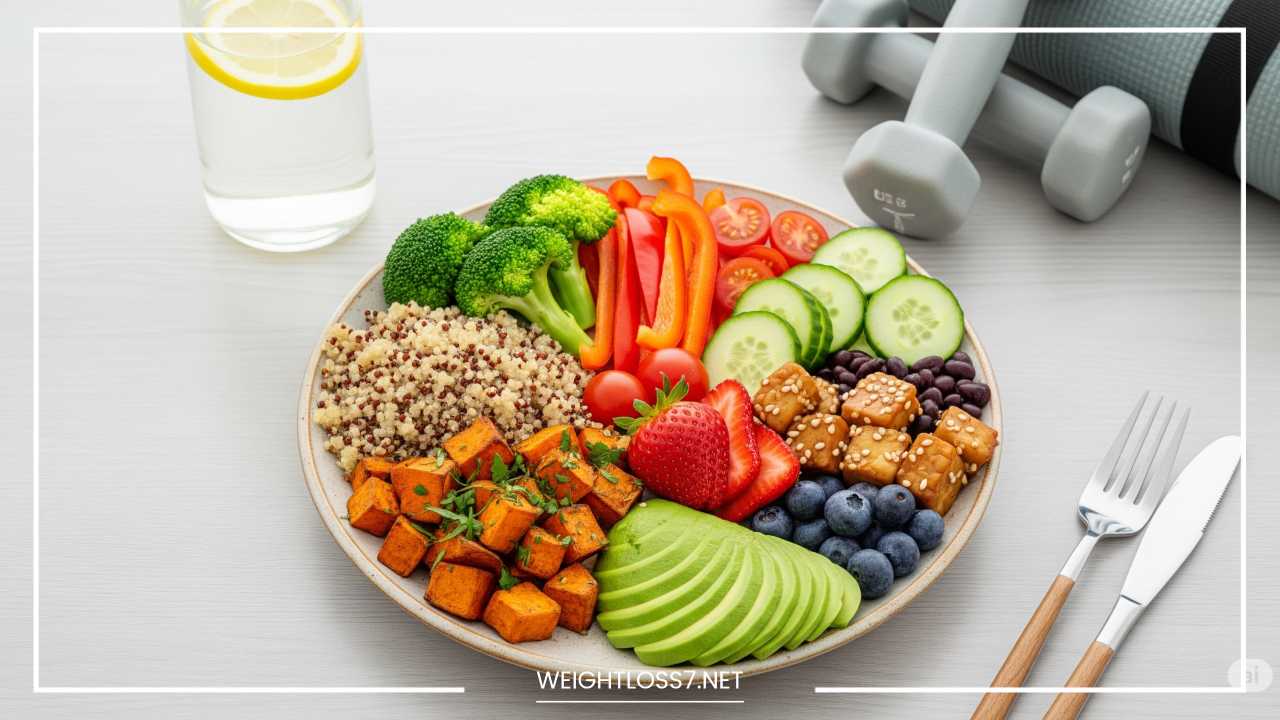
How to Lose Fat Effectively: Tips and Strategies for Sustainable Weight Loss
Fat loss is a journey many people embark on, but few truly understand the science behind it. It’s often shrouded in myths, fads, and overly complex advice that can leave you feeling frustrated and lost. At its core, fat loss is a simple concept governed by the principle of energy balance: the relationship between the calories you consume and the calories you expend. If you consistently burn more calories than you take in, your body will tap into its stored energy—your fat—to make up the difference. This process is known as a calorie deficit, and it’s the single most important factor for shedding unwanted fat.
However, simply understanding this concept isn’t enough. The human body is a complex system, and many factors can influence how efficiently you burn fat, from your metabolism to your hormones and even your sleep habits. Sustainable fat loss isn’t about extreme diets or endless hours on a treadmill. It’s about creating a balanced lifestyle that you can maintain long-term. This article will guide you through the science, the strategies, and the mindset required to achieve lasting fat loss, focusing on practical, actionable steps for a general audience.
The Science of Fat Loss
To lose fat, you must first understand how your body uses and stores energy. Your body is constantly burning calories to fuel its functions, even when you’re resting. This is your metabolism, and it’s a dynamic process influenced by various factors. The calories you consume from food and beverages are the fuel. When you eat more calories than your body needs, the excess energy is stored, primarily as fat, for later use.
How Does the Body Burn Fat?
When you create a calorie deficit—by eating fewer calories or by increasing your physical activity—your body needs to find an alternative energy source. It first uses up readily available glucose from your bloodstream and glycogen stored in your muscles and liver. Once those are depleted, it turns to your stored fat. This fat is broken down through a process called lipolysis into fatty acids and glycerol, which are then transported to cells to be used for energy.
The efficiency of this process is influenced by several factors:
- Basal Metabolic Rate (BMR): This is the number of calories your body burns at complete rest to perform basic functions like breathing, circulation, and cell production. It accounts for the majority of your daily calorie expenditure. A higher BMR means you burn more calories throughout the day.
- Age and Gender: Men generally have a higher BMR than women due to a higher percentage of muscle mass. As you age, your BMR naturally slows down, which is why maintaining fat loss can become more challenging.
- Genetics: Your genetic makeup can influence your body’s tendency to store fat and where it stores it. While you can’t change your genes, you can learn to work with your body’s natural tendencies.
- Hormones: Hormones like cortisol (the stress hormone) and insulin play significant roles in fat storage. Chronic stress can lead to elevated cortisol levels, which may promote fat storage, especially around the midsection. Insulin’s primary job is to regulate blood sugar, but high insulin levels can also promote fat storage.
Understanding these biological processes is crucial because it helps you appreciate that fat loss is not just about willpower; it’s about creating an environment in your body where fat can be efficiently burned.
Creating a Calorie Deficit: The Foundation of Fat Loss
A calorie deficit is the most critical element of any fat loss plan. It’s the simple math that dictates whether you lose, maintain, or gain weight. But how do you determine what your deficit should be and how to achieve it?
How to Calculate Your Daily Caloric Needs
Before you can create a deficit, you need to know your Total Daily Energy Expenditure (TDEE). This is the total number of calories your body burns in a day, including your BMR and the calories burned through physical activity. TDEE calculators are widely available online and use your age, gender, height, weight, and activity level to give you a solid starting point. While these are estimates, they provide a valuable baseline.
Once you have your TDEE, you can create a deficit. A sustainable, moderate deficit is key. A deficit of 500 calories per day is often recommended, as it can lead to a healthy and gradual loss of about one pound of fat per week. This is a realistic goal that prevents the severe hunger and fatigue that often accompany more extreme approaches.
Tracking and Avoiding Common Mistakes
To ensure you’re in a deficit, you need to track your intake. This doesn’t mean you have to meticulously count every calorie for the rest of your life. Start with a few weeks of tracking using a food journal or a mobile app. This practice can be incredibly eye-opening, revealing hidden calories from snacks, beverages, and portion sizes.
Common mistakes to avoid include:
- Underestimating Calorie Intake: Many people unknowingly consume more calories than they think. A handful of nuts, a splash of cream in your coffee, or an extra spoonful of dressing can quickly add up.
- Overestimating Calorie Burn from Exercise: While exercise is crucial, many people overestimate the number of calories they burn during a workout. A 30-minute jog might burn 300 calories, which can easily be negated by a single soda or a small snack.
Nutrition and Macronutrients for Fat Loss
While a calorie deficit is the ultimate driver of fat loss, the quality and composition of your diet matter immensely. The right mix of macronutrients—carbohydrates, proteins, and fats—will support your energy levels, preserve muscle mass, and keep you feeling full and satisfied.
The Role of Macronutrients
- Proteins: Protein is your ally in the fat loss battle. It’s crucial for muscle preservation, which is important because muscle tissue is more metabolically active than fat. This means the more muscle you have, the more calories you burn at rest. Protein also increases satiety, helping you feel fuller for longer and reducing the urge to snack.
- Carbohydrates: Carbs are your body’s primary source of fuel. Rather than eliminating them, focus on choosing complex carbohydrates like whole grains, vegetables, and legumes. These provide sustained energy and are packed with fiber, which aids digestion and promotes a feeling of fullness.
- Fats: Healthy fats, found in sources like avocados, nuts, and seeds, are essential for hormone production and nutrient absorption. They also contribute to satiety, helping you manage your appetite.
Meal Timing, Frequency, and Whole Foods
For fat loss, the overall calorie deficit is far more important than the timing of your meals. Whether you prefer to eat three large meals or six smaller ones throughout the day, the key is to stay within your daily calorie target. Some people find that specific eating patterns, like intermittent eating, help them manage their calorie intake. The most effective approach is the one you can stick to consistently.
Focusing on whole, minimally processed foods is one of the best strategies you can adopt. These foods are generally more nutrient-dense and less calorie-dense than their processed counterparts. They also tend to be more filling due to their fiber and water content.
The Importance of Micronutrients and Hydration
Vitamins and minerals (micronutrients) are essential for a healthy metabolism and overall well-being. A diet rich in a variety of fruits, vegetables, and legumes will ensure you’re getting the nutrients your body needs to function optimally.
Hydration is another unsung hero of fat loss. Drinking plenty of water supports a healthy metabolism, helps your body flush out waste products, and can even help manage hunger, as the brain can sometimes confuse thirst with hunger. Aim for at least eight glasses of water a day, but listen to your body’s cues.
Exercise and Fat Loss: Combining Strength and Cardio
Exercise is not just about burning calories; it’s about improving your body’s composition and metabolic health. A well-rounded exercise plan that includes both cardiovascular and strength training is the most effective approach for fat loss.
The Power of a Balanced Approach
- Cardiovascular Exercise: Also known as cardio, this type of exercise (like running, cycling, or swimming) is excellent for burning a significant number of calories in a single session. It also improves heart health, endurance, and overall fitness.
- Strength Training: Building muscle is a game-changer for fat loss. Muscle tissue requires more energy to maintain than fat tissue, so the more muscle you have, the higher your resting metabolic rate (RMR). This means you’ll be burning more calories even when you’re not working out. Aim for at least two to three strength training sessions per week, focusing on compound movements that work multiple muscle groups.
There’s no need to choose between cardio and strength training. A balanced routine that incorporates both is the most efficient way to achieve your fat loss goals. You can do cardio on one day and strength on another, or combine them in a single workout.
Non-Exercise Activity Thermogenesis (NEAT)
While structured workouts are important, they only account for a small portion of your daily calorie burn. Non-exercise activity thermogenesis (NEAT) refers to the energy expended for everything we do that isn’t sleeping, eating, or sports-like exercise. This includes walking to work, taking the stairs, standing up from your desk, and even fidgeting. Increasing your NEAT can significantly boost your daily calorie expenditure. Small changes like walking more, parking farther away from the store, or taking regular breaks to stand and stretch can make a big difference over time.
Sleep and Stress Management
Often overlooked, sleep and stress are two of the most powerful influencers of fat loss. Ignoring them can sabotage even the most dedicated efforts.
The Connection Between Sleep and Fat Loss
When you’re sleep-deprived, your body’s hormone balance is thrown off. Levels of ghrelin, the “hunger hormone,” increase, while levels of leptin, the “satiety hormone,” decrease. This imbalance can lead to increased cravings for high-calorie, high-sugar foods and a larger appetite. Poor sleep also increases cortisol levels, which can lead to fat storage. Prioritizing 7-9 hours of quality sleep per night is one of the most effective things you can do for your body and your fat loss goals.
Managing Stress to Support Fat Loss
Chronic stress triggers the release of cortisol. High cortisol levels can lead to increased blood sugar, which in turn causes the body to release more insulin. This can lead to insulin resistance and fat storage. Finding healthy ways to manage stress is crucial. This could include mindfulness, meditation, yoga, deep breathing exercises, spending time in nature, or engaging in a hobby you enjoy.
Common Myths and Misconceptions About Fat Loss
The world of fat loss is full of misinformation. Separating fact from fiction is essential for a successful journey.
- Myth 1: “You have to eat fewer meals to lose fat.” The number of meals you eat per day has no magical effect on your metabolism. What matters is your total calorie intake over a 24-hour period. Whether you consume your daily calories in two meals or six is a matter of personal preference and what helps you manage hunger and satiety best.
- Myth 2: “You can target fat loss in specific areas.” This is known as spot reduction, and it’s a popular but ineffective myth. While you can strengthen muscles in a particular area, you cannot choose where your body burns fat from. Fat loss occurs systemically throughout the body. A strong core will not, on its own, get rid of belly fat. A calorie deficit and a full-body exercise routine will.
- Myth 3: “Carbs are bad for fat loss.” Carbohydrates are not inherently bad for fat loss. The type of carb and the total amount you consume are what matters. As mentioned earlier, complex carbohydrates provide sustained energy and are a vital part of a balanced diet. Eliminating carbs can lead to a lack of energy, nutrient deficiencies, and intense cravings that can lead to binge eating.
- Myth 4: “You have to do hours of cardio to burn fat.” While cardio is a great tool, it’s not the only one. Strength training is equally, if not more, important for long-term fat loss due to its ability to build muscle and increase your resting metabolic rate. A combination of both is the most effective and efficient strategy.
Tracking Progress and Staying Motivated
The scale can be a useful tool, but it doesn’t tell the whole story. Fat loss is not a linear process, and weight can fluctuate daily due to water retention and other factors.
How to Track Fat Loss Effectively
- Non-Scale Victories: Pay attention to things other than the number on the scale. Are your clothes fitting better? Do you have more energy? Is your fitness improving? These “non-scale victories” are often more accurate indicators of progress.
- Measurements: Take measurements of your waist, hips, and other areas. A decrease in inches is a clear sign that you’re losing fat, even if the scale hasn’t budged.
- Body Fat Percentage: While a bit more difficult to track at home, a decrease in body fat percentage is the ultimate goal.
Staying Motivated
Set realistic goals. Instead of aiming to lose a large amount of weight in a short time, focus on small, sustainable goals. Consistency is more important than perfection. You will have good days and bad days. The key is to get back on track the next day. Celebrate your small wins—a new personal record in the gym, a week of consistent tracking, or a noticeable change in how your clothes fit.
Overcoming Plateaus and Adjusting Your Plan
A fat loss plateau is a frustrating but normal part of the process. As you lose weight, your body requires fewer calories to function, and your metabolism may slow down as a result. This is a sign of metabolic adaptation.
How to Break Through a Plateau
When you hit a plateau, it’s time to reassess your plan.
- Re-evaluate Your Calorie Intake: Your TDEE is now lower. You may need to create a new calorie deficit based on your current weight.
- Adjust Your Exercise Routine: Try a new form of exercise, increase the intensity of your workouts, or add more variety. This can “shock” your body and kickstart progress.
- Focus on Consistency: Sometimes, a plateau is simply a sign that you need to be more diligent with your tracking and habits.
- Take a Diet Break: In some cases, a temporary increase in calories back to your maintenance level for a week or two can help reset your metabolism and prepare you for continued fat loss.
Final Thoughts: Sustainable Fat Loss for Life
Fat loss is not a destination; it’s a lifelong journey of developing healthy habits. The goal is not just to lose fat but to build a lifestyle that supports your body’s health and well-being. This means moving away from a “diet” mentality and toward a mindset of consistent, healthy choices.
Embrace patience and consistency. There will be ups and downs, but by understanding the science and applying these principles, you can create a sustainable path to lasting fat loss and a healthier, more vibrant life.