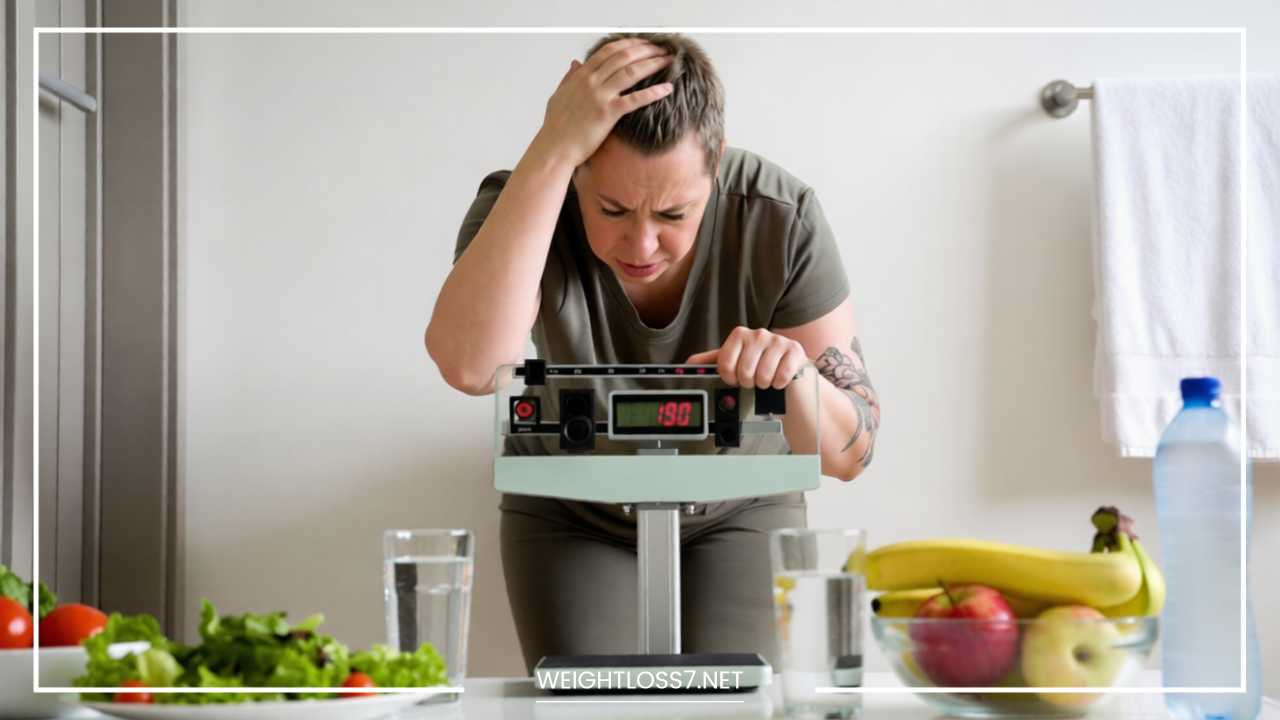
Dieting But Not Losing Weight?


Dieting But Not Losing Weight? Here’s Why It Might Be Happening
It’s one of the most frustrating experiences on a health journey: you’re doing everything right, or so you think. You’ve said goodbye to your favorite treats, started exercising more, and are diligently logging your meals. You feel better, you have more energy, and your clothes are starting to feel a little looser. But then you step on the scale, and the number hasn’t budged, or it’s even gone up. The scale’s stillness can feel like a direct contradiction to your hard work, a moment of discouragement that makes you question everything.
Losing weight can feel like a simple equation: calories in versus calories out. Yet, as so many people discover, the human body is far more complex than a simple calculator. It’s an intricate system influenced by hormones, sleep, stress, and a host of other factors that have little to do with what’s on your plate. If you’ve found yourself in this frustrating cycle, it’s not because you’re failing. It’s because the true story of weight loss is about more than just a single number. This article will explore the real, evidence-based reasons why the scale might not be moving and offer practical, actionable advice to help you get back on track.
You’re Eating Less, But Still Too Much (Caloric Miscalculations)
One of the most common stumbling blocks on a weight loss journey is a simple miscalculation of calories. We often assume that because we are making healthier choices, the calories are no longer an issue. But many seemingly innocent foods can be surprisingly calorie-dense. Sauces, dressings, and condiments can add hundreds of calories to a meal without you even realizing it. A single tablespoon of many popular salad dressings can contain 100 calories or more, and it’s easy to use two or three times that amount. Even “healthy” snacks like dried fruit, nuts, and granola bars can pack a significant caloric punch.
Portion sizes are another major culprit. We tend to underestimate how much we’re consuming, especially with foods that we deem healthy. A recommended portion of a particular grain or a serving of nuts might be a lot smaller than what you typically pour into your bowl or grab from the container. It’s a common mistake to eyeball portions instead of measuring them, leading to an unconscious caloric surplus.1 A large coffee with added cream and sweeteners can be a few hundred calories, and those extra sips can accumulate over the week. While these things seem small on their own, they can completely erase a day’s or a week’s worth of caloric deficit.
The key to overcoming this is accurate tracking. Reading nutritional labels is crucial, and paying attention to serving sizes is even more important. Invest in a food scale and measuring cups to ensure you’re getting the correct portions. This isn’t about being obsessive; it’s about gaining an honest understanding of what you’re consuming. By doing this for just a week or two, you’ll likely discover some hidden sources of calories that are preventing you from reaching your goals.
You’re Not Eating Enough (Too Much Restriction Backfires)
On the flip side, sometimes the problem isn’t that you’re eating too much, but that you’re eating too little. It seems counterintuitive, but very low-calorie diets can be counterproductive and even harmful. When you drastically cut calories, your body goes into a protective mode, interpreting the lack of food as a sign of famine. To protect itself, your body slows down your metabolism to conserve energy. This means you burn fewer calories just by existing, making it even harder to lose weight.
Restricting too much can also lead to muscle loss. When your body doesn’t get enough energy from food, it will start to break down muscle tissue for fuel. This is a double-edged sword because muscle is metabolically active; it burns more calories at rest than fat does. Losing muscle means your metabolism slows down even further, setting you up for a difficult time losing weight and an even harder time keeping it off.2 Severe calorie restriction can also lead to extreme fatigue, making you less likely to be physically active throughout the day.
Perhaps most importantly, these highly restrictive diets are unsustainable. The feelings of deprivation and hunger can become overwhelming, often leading to a cycle of binge eating and rebound weight gain. The solution is not to starve yourself but to aim for a sustainable and moderate calorie deficit. This means reducing your daily intake by a small amount that allows for consistent, healthy weight loss without triggering your body’s protective mechanisms.
Exercise Isn’t Matching Your Goals
When it comes to weight loss, many people believe that exercise is the ultimate solution. They hit the gym, do intense cardio, and then get frustrated when the scale doesn’t move. A common mistake is overestimating the number of calories burned during a workout. That intense 30-minute cardio session might only burn a few hundred calories, which can easily be undone by a single high-calorie snack or a slightly oversized meal. It’s easy to fall into the trap of thinking you’ve “earned” a treat after a workout, but this can quickly negate the calories you just burned.
Another issue is a sole reliance on cardio.3 While cardio is excellent for heart health and can burn a lot of calories in a short amount of time, it’s not the only piece of the puzzle. Strength or resistance training is crucial for building and maintaining muscle mass.4 As mentioned earlier, muscle is a metabolic powerhouse, meaning it helps you burn more calories even when you’re not working out.5 By incorporating resistance training into your routine, you can increase your body’s overall calorie-burning capacity.6
Lastly, don’t underestimate the power of NEAT (non-exercise activity thermogenesis). This is the energy your body expends for everything that isn’t sleeping, eating, or sports-like exercise. This includes walking to your car, taking the stairs, fidgeting, and doing household chores. If you sit at a desk all day and then only get a workout in the evening, your overall daily calorie expenditure might be lower than you think. Aim to balance your dedicated workouts with daily movement, whether it’s a short walk after dinner, a stretching session, or simply finding more reasons to get up and move.
You’re Gaining Muscle While Losing Fat
This is perhaps the most deceptive reason the scale isn’t moving. Many people get so focused on the number on the scale that they forget what that number actually represents. The scale measures your total body weight, which includes everything from your bones and organs to your muscle and fat. It can’t distinguish between a pound of fat and a pound of muscle.
If you’ve started a new exercise routine, especially one that includes strength training, you may be building muscle at the same time you are losing fat.7 Muscle is denser than fat, meaning it takes up less space. A pound of muscle and a pound of fat weigh the same, but a pound of muscle is much smaller. As a result, you might be losing inches, and your clothes are fitting better, even if the number on the scale stays the same or goes up. This is a sign of a positive body composition change, where you are building a leaner, more toned physique.
To track this kind of progress, it’s important to look beyond the scale. Take measurements of your waist, hips, and arms. Take progress photos to visually see the changes in your body. Pay attention to how your clothes feel and how your energy levels are improving. These non-scale victories are often a much better indicator of real progress than the number on a scale.
Hidden Sugars and Refined Carbs
We often associate sugar with obvious things like candy and soda, but it lurks in many places we don’t expect. Processed foods, even those marketed as “healthy,” can be loaded with hidden sugars and refined carbohydrates. Things like flavored yogurts, cereals, breakfast bars, and even many dressings and sauces contain large amounts of added sugars that contribute to a calorie surplus. These sugars can also lead to blood sugar spikes and crashes, leaving you feeling hungry and craving more.
Refined carbohydrates, found in white bread, pastries, and many packaged snacks, are quickly broken down by your body into sugar. This can trigger a spike in insulin, a hormone that helps your body store energy from food. When insulin levels are high, your body is more likely to store fat, especially around the midsection. These foods often lack fiber, which is essential for feeling full and for healthy digestion.
The solution is to focus on whole, unprocessed foods. Prioritize a diet rich in fiber, which helps you feel full and satisfied for longer. Look for foods that are minimally processed, such as whole grains, fresh produce, and nuts. Make an effort to read the ingredients list and nutritional information, even on things that seem harmless. By reducing your intake of hidden sugars and refined carbs, you can better manage your insulin levels and reduce cravings, leading to more sustainable weight loss.
Sleep and Stress Are Working Against You
When we think about weight loss, we tend to focus on diet and exercise. But two of the most powerful factors are often overlooked: sleep and stress. The human body is not a machine that can be pushed to its limits without consequences. Poor sleep can have a profound impact on your weight loss efforts.8 When you don’t get enough rest, your body’s hunger hormones go haywire.9 The hormone ghrelin, which signals hunger, increases, while leptin, which signals fullness, decreases. This can leave you feeling constantly hungry, leading to cravings for high-calorie, sugary foods.
Similarly, chronic stress can sabotage your progress. When you’re stressed, your body produces more of the hormone cortisol. High levels of cortisol have been linked to an increase in appetite and a tendency to store fat, particularly in the abdominal area.10 Stress can also lead to emotional eating, where you turn to food for comfort rather than because you’re physically hungry. This cycle of stress and poor eating habits can make it nearly impossible to lose weight.
To combat this, you need to make sleep and stress management a priority. Aim for 7 to 9 hours of quality sleep per night.11 Create a bedtime routine that helps you wind down, such as reading a book, taking a warm bath, or meditating. For stress, find healthy coping mechanisms that work for you. This could be anything from deep breathing exercises and a walk in nature to journaling or spending time with friends. Remember that managing your mental and emotional health is just as important as what you eat and how much you exercise.
Hormonal and Medical Conditions
Sometimes, the reasons for not losing weight are beyond your immediate control. A number of medical conditions and hormonal imbalances can make weight loss incredibly challenging.12 Thyroid issues, for example, can slow down your metabolism, making it difficult to burn calories. Insulin resistance and conditions like Polycystic Ovary Syndrome (PCOS) can also affect how your body stores and uses energy.
In addition, certain medications can cause weight retention as a side effect. Some antidepressants, steroids, and other prescription drugs can affect your metabolism, appetite, or how your body processes nutrients. If you have been making a consistent effort and still aren’t seeing results, it might be time to consider whether an underlying medical issue is at play. It’s crucial to consult a healthcare provider to rule out any conditions that might be hindering your progress. They can perform a thorough check-up, review your medications, and provide guidance tailored to your specific health needs.
Inconsistency or Impatience
Losing weight is a long-term commitment, and inconsistency is one of its biggest enemies. It’s common to be very strict with your diet during the week, only to overeat or binge on weekends. While a single “cheat meal” might not seem like a big deal, a weekend of overindulging can easily erase the caloric deficit you worked so hard to create during the week. The occasional treat is fine, but it needs to be an intentional part of your plan, not an uncontrolled free-for-all.
Impatience is another hurdle. The scale is a fickle thing; it can fluctuate by several pounds from day to day due to factors like water retention, sodium intake, and hormonal changes. Weighing yourself every day can be discouraging and lead to a sense of failure. Instead, it’s better to weigh yourself once a week at the same time, or even just track the trend over time. Looking at a graph of your weight over a month or two can show you a downward trend that you might miss if you are only focused on day-to-day fluctuations.
Remember that progress isn’t a straight line. There will be good days and bad days, weeks when the scale doesn’t move, and moments of frustration. The key is to be consistent with your habits, even on the days you don’t feel like it.
Final Thoughts & Encouragement
The path to a healthier you is rarely a straight or easy one. It’s a journey filled with ups, downs, and plateaus. If you’ve been working hard and not seeing the results you want on the scale, it’s important not to give up. The number on the scale is just one tiny piece of your overall health.
Think about all the other ways you’ve improved your life: you have more energy, you sleep better, your clothes fit differently, you’re stronger, and you’re establishing healthy habits that will last a lifetime. These are the true markers of success. Focus on overall well-being, not just on a single number. Celebrate the small victories—the workout you completed when you didn’t want to, the balanced meal you made instead of ordering in, the extra flight of stairs you took.
Weight loss is not a race. It’s a process of listening to your body, understanding what it needs, and being patient with yourself. Remember that your health journey is unique to you. Don’t compare your progress to anyone else’s. Stay consistent, stay patient, and trust that your body is changing in all the right ways, even if the scale doesn’t seem to agree.