How to Lose Weight with Food

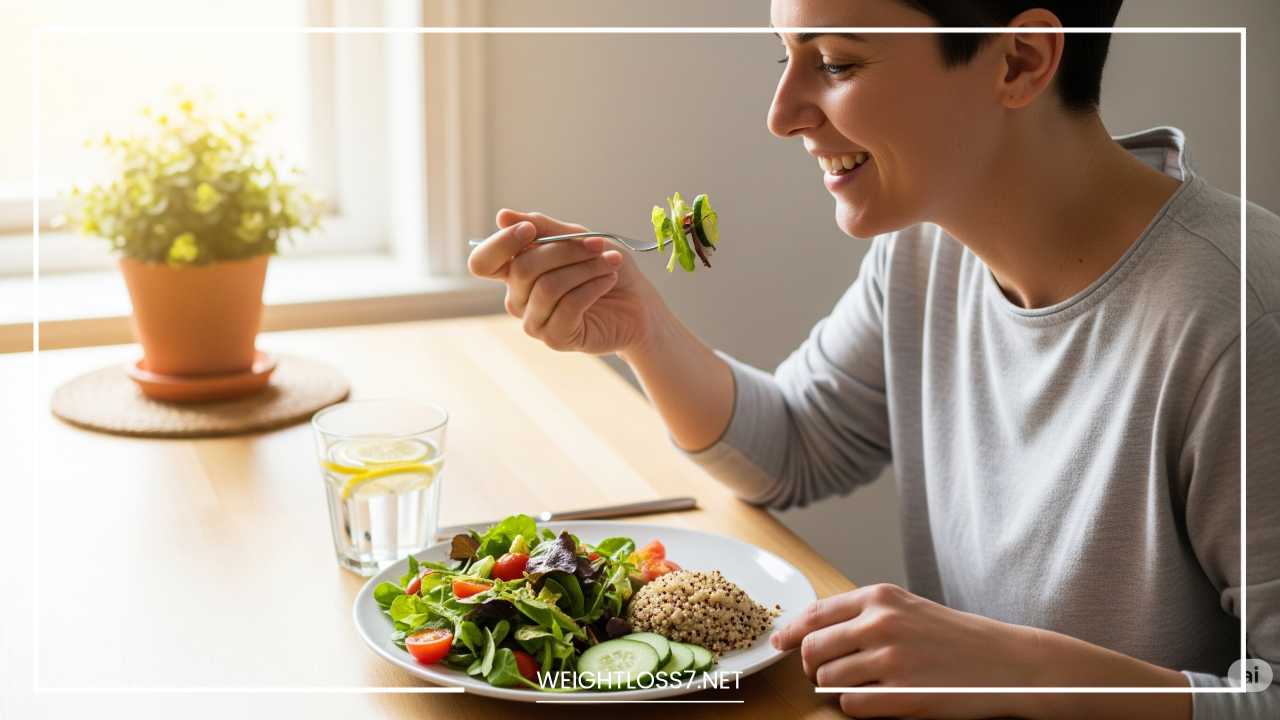
How to Lose Weight with Food: Healthy Eating Tips for Effective Weight Loss
Weight loss often feels like a puzzle, with a dizzying number of diets and conflicting advice. Yet, the most sustainable and effective approach doesn’t involve extreme measures or cutting out entire food groups. Instead, it’s about a deeper understanding of how food works with your body, not against it. This article is your guide to navigating weight loss through informed, practical choices. We’ll explore how to make food your ally, focusing on what to add to your diet rather than what to remove, and how to create lasting habits that support your health and well-being.
By focusing on smart, balanced choices and listening to your body, you can achieve your goals without deprivation or feeling left out. This isn’t about a fleeting diet; it’s about a mindful approach to nourishment that works for everyone.
Understanding the Role of Food in Weight Loss
The food we eat is more than just fuel; it’s a powerful tool that dictates our metabolism, energy levels, and overall health. Sustainable weight loss is not just about eating less, but about eating better. This means focusing on nutrient-dense foods—those that provide a high concentration of vitamins, minerals, and other beneficial compounds for their calorie count. Think of a bowl of leafy greens versus a handful of potato chips. Both have calories, but the greens offer a wealth of nutrients that support bodily functions, while the chips provide mostly empty calories that don’t satisfy or nourish.
The concept of energy balance is fundamental. Your body uses energy (calories) for everything from breathing to exercising. If you consume more calories than you burn, your body stores the excess as fat. To lose weight, you need to create a calorie deficit, meaning you burn more calories than you consume. However, a calorie is not just a calorie. The quality of your food affects your hormones, metabolism, and feelings of fullness (satiety). Foods rich in fiber, healthy fats, and complex carbohydrates are more satiating, helping you feel full and satisfied on fewer calories. This makes it easier to maintain a deficit without feeling constantly hungry or deprived.
Calorie Basics Without Counting Obsessively
The idea of a calorie deficit can sound daunting, conjuring images of meticulous food logging and mathematical calculations. While understanding calories is important, you don’t need to count them obsessively to succeed. The goal is to create a deficit in a sustainable way. One of the best ways to do this is through intuitive eating, which involves listening to your body’s internal cues. Your body is remarkably good at telling you when it needs fuel and when it’s full. Learning to recognize true hunger and fullness signals is key. Before reaching for a snack, ask yourself: Am I truly hungry, or am I just bored, stressed, or thirsty?
Extreme calorie restriction often backfires. When you drastically cut calories, your body can go into “starvation mode,” slowing your metabolism to conserve energy. This makes it harder to lose weight and can lead to intense cravings and binge-eating episodes. The solution is to find a moderate, consistent approach. By focusing on nutrient-rich foods that fill you up, you can naturally reduce your overall calorie intake without the feeling of being on a “diet.” This prevents the yo-yo cycle of dieting and makes weight loss a more enjoyable, long-term journey.
Choosing the Right Carbohydrates
Not all carbohydrates are created equal. The key to weight loss is distinguishing between whole carbohydrates and refined carbohydrates. Refined carbohydrates, such as white bread, pastries, and sugary drinks, have been stripped of their fiber and nutrients. They are quickly digested, causing a rapid spike in blood sugar followed by a crash, which can lead to cravings and overeating.
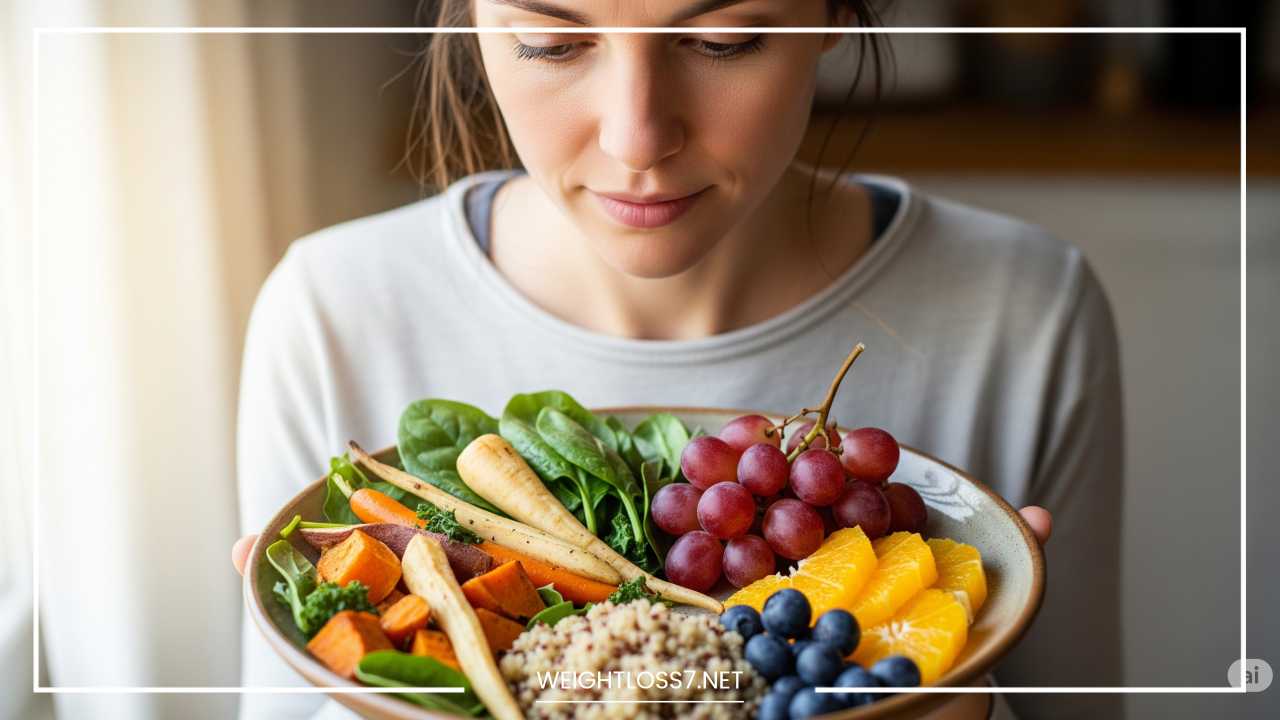
In contrast, whole carbohydrates are your ally. Found in whole grains (oats, brown rice, quinoa), legumes (beans, lentils), and starchy vegetables (sweet potatoes, corn), they are digested more slowly due to their high fiber content. This slow digestion helps maintain stable blood sugar levels, provides sustained energy, and keeps you feeling fuller for longer. By incorporating these types of carbohydrates into your meals, you can prevent the energy crashes and hunger pangs that often lead to poor food choices. The key is balance: pairing your whole carbs with sources of protein and healthy fats to create a complete meal that keeps you satisfied and energized.
The Power of Fiber-Rich Foods
If there’s one nutrient that’s a true superstar for weight loss, it’s fiber. Fiber is a type of carbohydrate that your body cannot digest. Instead, it passes through your system, performing a number of beneficial functions. Most importantly, it adds bulk to your meals without adding calories, promoting a feeling of fullness and helping you feel satiated. This feeling of satiety is crucial for reducing overall calorie intake naturally. When you’re full, you’re less likely to reach for a second helping or an unnecessary snack.
Fiber also plays a vital role in digestive health. It keeps your digestive system moving smoothly, which can prevent bloating and discomfort. High-fiber foods include a wide range of delicious options: beans, lentils, oats, whole grains, fruits (especially with the skin on), vegetables, nuts, and seeds. By intentionally adding more of these foods to your plate, you can dramatically improve your body’s ability to regulate appetite. A simple tip is to start your day with a bowl of oatmeal, add a side of steamed vegetables to your lunch, or sprinkle seeds on your salad. These small additions can make a huge difference in how full and satisfied you feel throughout the day.
Healthy Fats That Support Weight Loss
For a long time, fats were seen as the enemy of weight loss. We now know that healthy fats are essential for our health and can actually support weight loss efforts. The key is understanding the difference between healthy and unhealthy fats, and practicing portion awareness. Healthy fats, such as monounsaturated and polyunsaturated fats, are vital for hormone health, nutrient absorption, and promoting satiety. When you consume a meal that includes healthy fats, it slows down the digestion of other nutrients, which helps you feel full for a longer period.
Sources of these beneficial fats include nuts, seeds, avocados, olives, and certain oils like olive oil. While these foods are incredibly healthy, they are also energy-dense, meaning a small amount contains a lot of calories. For example, a handful of almonds is a great snack, but eating the entire bag will quickly undo your calorie deficit. The solution is to be mindful of your portions. A good guideline is to use your thumb as a measure for a serving of nuts, or half an avocado for a meal. By incorporating small, measured amounts of healthy fats into your diet, you can enhance your meals, feel more satisfied, and support your body’s natural functions.
Smart Snacking and Portion Control
Snacking can be a major hurdle in a weight loss journey, but it doesn’t have to be. The problem often lies in the type of snacks we choose and how we consume them. Common pitfalls include grabbing a bag of chips out of convenience or mindlessly eating a whole box of crackers. These snacks are typically high in calories, refined carbs, and salt, and they don’t provide lasting fullness.
A better approach is to plan your snacks and choose options that are a mix of fiber and protein. This combination is a powerhouse for satiety and stable energy levels. Examples of smart snacks include an apple with a tablespoon of nut butter, a small handful of mixed nuts, or a serving of Greek yogurt with berries.
Portion control is another critical skill. Instead of relying on packages or endless bowls, use visual cues. The plate method is a simple and effective tool: fill half your plate with non-starchy vegetables, a quarter with a whole carbohydrate source (like quinoa or brown rice), and the remaining quarter with a lean protein source. For snacks, use your hand as a guide: a cupped hand for a serving of nuts, a fist for a serving of fruit, and a thumb-sized portion for a serving of healthy fats. These simple visual cues can help you stay on track without the need for scales or measuring cups.
Hydration and Foods with High Water Content
One of the most common reasons we overeat is mistaking thirst for hunger. Our bodies often send similar signals for both, and if you’re not properly hydrated, you might find yourself reaching for a snack when all you really need is a glass of water. Staying hydrated is essential for metabolism, digestion, and overall bodily function. Aim for consistent water intake throughout the day rather than chugging a lot at once.
In addition to plain water, you can increase your hydration and fullness by incorporating water-rich foods into your diet. These foods are low in calories but high in volume, which helps you feel full. Think of cucumbers, zucchini, watermelon, strawberries, and leafy greens. For example, starting a meal with a large salad or a bowl of vegetable soup can fill you up on very few calories, making you less likely to overeat during the main course. A simple tip is to keep a water bottle with you at all times and add slices of fruit or herbs like mint to make it more appealing.
Mindful Eating Habits
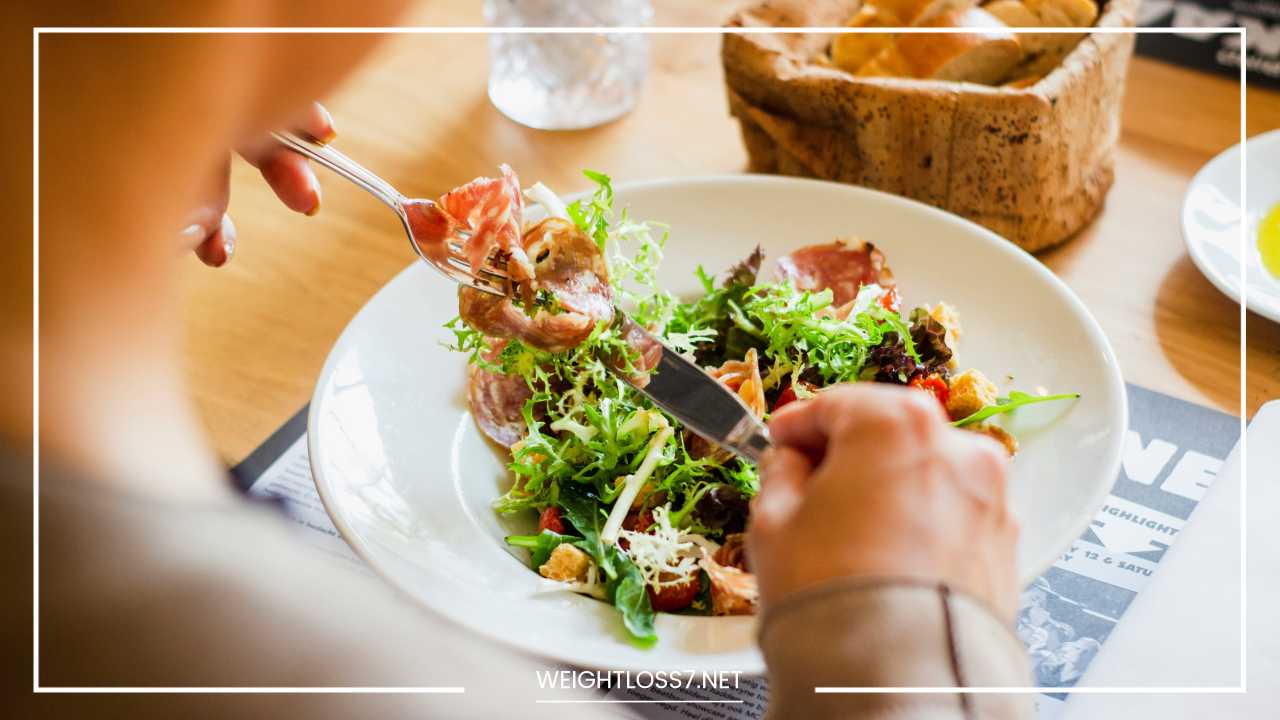
Weight loss isn’t just about what you eat, but also how you eat. Mindful eating is the practice of paying attention to your food and your body’s signals during a meal. In our fast-paced world, it’s easy to eat while distracted—watching TV, scrolling on your phone, or working at your desk. This leads to mindless consumption, where you don’t even register how much you’ve eaten until the plate is empty.
To practice mindful eating, start by sitting down at a table without distractions. Pay attention to the colors, smells, and textures of your food. Chew each bite thoroughly, at least 20-30 times. This not only aids digestion but also gives your brain time to receive the satiety signal from your stomach. It takes about 20 minutes for your brain to realize you’re full, so eating slowly can prevent overeating. Pay attention to how your body feels as you eat. Are you starting to feel satisfied? Is the pleasure of the food diminishing? Learning to recognize the difference between physical hunger (a rumble in your stomach) and emotional hunger (craving a specific food out of boredom or stress) is also a powerful tool. A food journal can help you identify patterns and triggers, giving you greater control over your choices.
Meal Planning and Consistency
Consistency is the cornerstone of any successful weight loss journey, and meal planning is the key to consistency. When you don’t have a plan, you’re more likely to make impulsive, less healthy choices. This often happens when you’re hungry and tired after a long day. Having a clear idea of what you’re going to eat for the week takes the guesswork out of mealtimes and ensures you always have a healthy option on hand.
A good way to start is by planning your meals and snacks for the week ahead, then creating a shopping list to match. Focus on structuring your meals to create a balanced plate: a source of lean protein, a portion of whole carbohydrates, and a generous serving of vegetables or fruits. This balanced approach ensures you get a wide range of nutrients and feel satisfied. Regularity in your eating schedule is also important. Eating meals and snacks at roughly the same time each day helps stabilize blood sugar and energy levels, preventing the intense hunger pangs that lead to overeating.
Final Thoughts
Losing weight with food is not about deprivation; it’s about empowerment. It’s about choosing foods that nourish your body, keep you full, and provide sustainable energy. By focusing on whole carbohydrates, fiber-rich foods, and healthy fats, you can build a plate that supports your weight loss goals without feeling like you’re on a restrictive diet. Remember that small, gradual changes are the most powerful. It’s not about being perfect, but about being consistent. Embrace intuitive eating, mindful habits, and the practice of planning, and you’ll find that sustainable weight loss is not only possible but also a journey toward a healthier, more vibrant you.