What’s the Best Weight Loss Method?


What’s the Best Weight Loss Method? A Guide to Sustainable Health
The quest for a healthier body and a more comfortable weight is a journey many people undertake at some point in their lives. The reasons are as varied as the individuals themselves—from seeking increased energy and confidence to managing health conditions. However, the path to weight loss is often littered with conflicting advice, faddish diets, and promises of quick fixes that rarely, if ever, deliver lasting results. The sheer volume of information can be overwhelming, leading to confusion and frustration.
This article aims to cut through the noise, offering a comprehensive, balanced, and sustainable approach to weight management. We’ll explore the foundational principles of effective weight loss, steering clear of fleeting trends and focusing instead on strategies that work for everyone, regardless of their background or personal circumstances. Our focus is not on a single “best” method, but on equipping you with the knowledge to build a personalized, long-term plan that supports your overall well-being.
Understanding Weight Loss: The Basics
At its core, weight loss is a matter of energy balance, often simplified to “calories in versus calories out.” To lose weight, you must consume fewer calories than your body expends. This caloric deficit forces your body to tap into its stored energy reserves, which are primarily fat. While this fundamental principle is simple, its application is nuanced. Your metabolism, the complex set of chemical reactions that keeps you alive, plays a crucial role. A higher metabolism means you burn more calories at rest, making weight management easier. Factors like age, genetics, and activity level all influence your metabolic rate.
It’s also essential to distinguish between fat loss and simple weight loss. The number on the scale can fluctuate daily due to changes in water retention, undigested food, or even muscle mass. True, sustainable progress is about losing body fat, not just a temporary dip in the number. Crash diets, which often involve severe calorie restriction, can lead to rapid weight loss, but much of this is often water and muscle tissue. This is counterproductive in the long run because muscle is more metabolically active than fat. When you lose muscle, your metabolism slows down, making it harder to keep the weight off and more likely to regain it once you stop the diet. This is a primary reason why quick-fix diets often fail; they don’t address the underlying metabolic health required for lasting change.
The Best Weight Loss Method Isn’t One-Size-Fits-All
The internet is filled with articles and influencers touting “the best diet” or “the perfect workout,” but the truth is, there is no single solution that works for everyone. We are all unique, with different genetic predispositions, psychological relationships with food, and lifestyle demands. What works for a professional athlete may not be feasible for a working parent. A plan that a young adult can follow might not be suitable for a retiree. Your journey must be personalized.
Instead of seeking a universal answer, the most effective approach is to find what works for you. This requires a period of self-discovery and honest reflection. What are your daily challenges? What foods do you genuinely enjoy? What types of movement make you feel good? Setting realistic goals is a key part of this process. Aiming to lose 2 pounds a week is often more sustainable and less daunting than a goal of 10 pounds in a month. The focus should shift from idealized, short-term outcomes to the development of consistent, positive habits. Small, manageable changes—like adding a walk to your daily routine or drinking more water—are far more likely to stick than drastic overhauls. These habits, not fleeting plans, are the foundation of long-term success.
Eating for Sustainable Weight Loss
When it comes to nutrition, the principles of sustainable weight loss are refreshingly simple and free from dogmatic rules. The goal is not to endure a restrictive diet but to build a nourishing and balanced way of eating that you can enjoy for a lifetime.
A foundational principle is to focus on whole, minimally processed foods. Think of foods that are as close to their natural state as possible—fruits, vegetables, legumes, grains, nuts, and seeds. These foods are typically rich in nutrients, fiber, and water, which contribute to a feeling of fullness and support overall health. They provide the body with the sustained energy it needs without the “sugar crash” associated with highly processed snacks.
Portion sizes are another critical aspect. Even healthy foods can contribute to a caloric surplus if eaten in large quantities. Learning to recognize appropriate portion sizes and paying attention to your body’s hunger and fullness cues is a powerful tool. Mindful eating—the practice of paying full attention to your food, savoring each bite, and eating slowly—can help you tune into these signals and prevent overconsumption.
Satiety, or the feeling of being full and satisfied, is key to preventing overeating. Foods rich in fiber and water are excellent for this. Think of a large salad or a bowl of oatmeal; they take up space in your stomach and keep you feeling full for longer. Incorporating healthy fats, found in things like avocados, nuts, and olive oil, also contributes to satiety and is essential for hormone function and nutrient absorption.
Equally important is the reduction of ultra-processed foods and added sugars. These items are often calorie-dense, nutrient-poor, and designed to be hyper-palatable, making it easy to overeat. They can lead to blood sugar spikes and crashes, which trigger cravings and perpetuate a cycle of unhealthy eating.
Hydration is a simple but often overlooked component of weight management. Sometimes, the body mistakes thirst for hunger. Drinking plenty of water throughout the day can help manage appetite, support metabolism, and improve digestion.
Finally, meal planning and preparation can be a game-changer. By dedicating time to plan your meals and prepare some food in advance, you reduce the likelihood of making impulsive, unhealthy choices when you’re hungry and short on time. This proactive approach empowers you to take control of your diet. The key takeaway is to avoid extremes; highly restrictive diets often lead to feelings of deprivation, which can backfire, resulting in binge eating and a negative relationship with food. A flexible, balanced approach is always more effective in the long run.
Movement and Exercise: More Than Just Burning Calories
While nutrition is often the primary driver of weight loss, physical activity is a non-negotiable partner in the journey. The benefits of movement extend far beyond the calories you burn during a workout. Regular exercise is a potent tool for improving mood, increasing energy levels, enhancing sleep quality, and building a stronger, more resilient body. It helps build and maintain muscle mass, which, as we’ve discussed, is crucial for a healthy metabolism.
A comprehensive approach to physical activity includes different types of movement. Cardiovascular exercise, or cardio, is excellent for heart health and calorie expenditure. This can include anything from a brisk walk or a dance class to cycling or swimming. The key is to find an activity that gets your heart rate up and that you genuinely enjoy, because enjoyment leads to consistency.
Strength training is another vital component. This can involve using your own body weight (push-ups, squats), resistance bands, or free weights. Strength training builds muscle, which not only burns more calories at rest but also makes everyday tasks easier and helps prevent injuries. You don’t need a gym membership to get started; a set of dumbbells or even just a floor mat can be enough.
Finally, there’s NEAT—non-exercise activity thermogenesis. This refers to all the calories you burn from activities that aren’t structured exercise, such as walking to the store, taking the stairs, cleaning the house, or fidgeting. Small changes in your daily routine, like parking further away from the entrance or using a standing desk, can significantly increase your NEAT and contribute to your overall energy expenditure. The most important thing is to find a form of movement you enjoy. Whether it’s hiking, gardening, or a team sport, consistency is the key to reaping the long-term benefits.
Behavior, Habits & Psychology
Sustainable weight loss is as much a mental and emotional journey as it is a physical one. It’s not just about what you do, but why you do it. The power of habit is a cornerstone of lasting change. Instead of relying on willpower, which is a finite resource, it’s more effective to build routines and systems that make healthy choices automatic. This is where the concept of “habit stacking” comes in—linking a new habit to an existing one. For example, after you brush your teeth in the morning, immediately drink a full glass of water.
A critical aspect of this journey is understanding and managing emotional eating. Stress, boredom, sadness, or happiness can all trigger the desire to eat, even when you’re not physically hungry. Learning to identify these triggers and developing alternative coping mechanisms—like calling a friend, taking a walk, or practicing deep breathing—is essential.
Creating a supportive environment is also key. Willpower is often overrated; your environment is far more influential. If your kitchen is filled with unhealthy snacks, you’re more likely to eat them. By simply removing temptations and making healthy options easily accessible, you set yourself up for success.
Tracking tools, such as food journals or apps, can be a valuable way to increase self-awareness. They can help you identify patterns in your eating, understand portion sizes, and stay accountable. However, it’s important to use them as a tool for information, not a source of obsession or guilt. Similarly, establishing a system of non-food-related rewards for your progress—like buying a new book or treating yourself to a massage—can provide motivation without undermining your goals. The ultimate goal is to foster a positive, empowering relationship with your body and your choices.
Sleep, Stress, and Other Overlooked Factors
In the modern world, we often focus on diet and exercise while neglecting other crucial pillars of health. Sleep and stress are two of the most significant, yet frequently overlooked, factors in weight management.
When you don’t get enough quality sleep, your body’s hormone balance is thrown off. The hunger hormone, ghrelin, increases, while the satiety hormone, leptin, decreases. This makes you feel hungrier and less satisfied, often leading to increased calorie consumption the next day. Poor sleep also increases cravings for high-carbohydrate and high-sugar foods. Aiming for 7-9 hours of quality sleep per night is one of the most effective, and often easiest, things you can do to support your weight loss efforts.
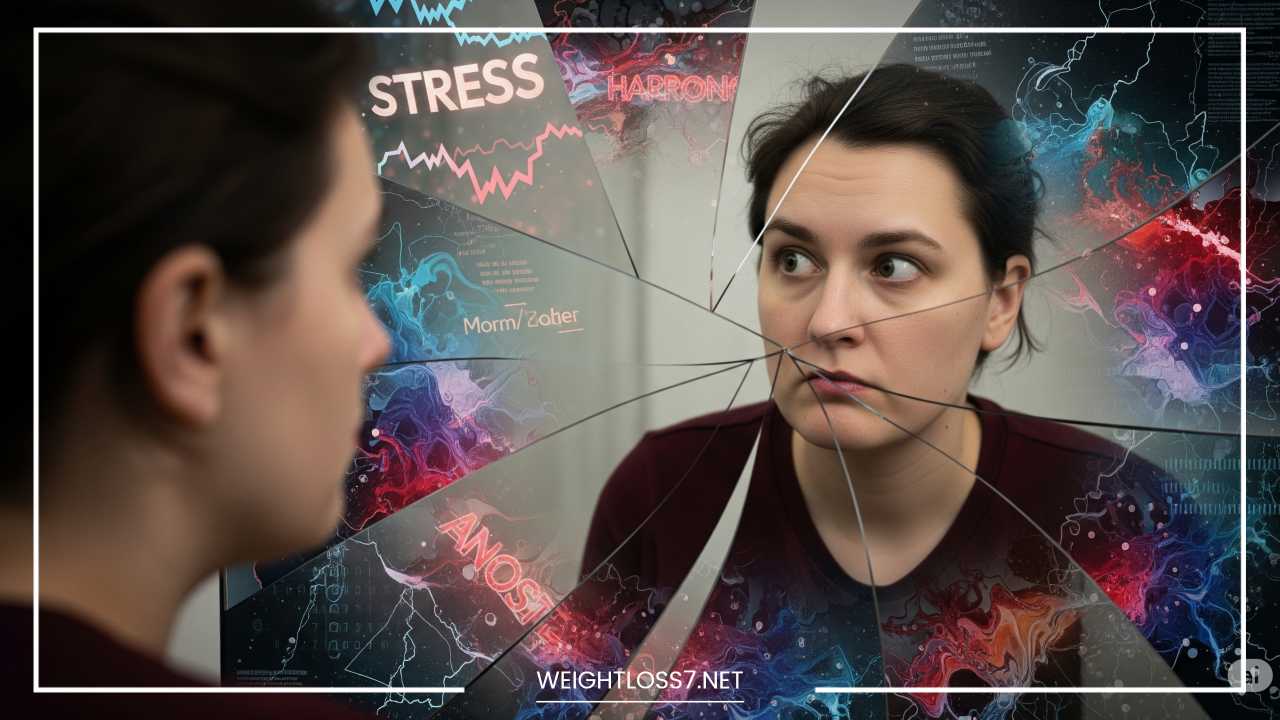
Similarly, chronic stress is a major impediment to weight loss. When you’re stressed, your body releases cortisol, often called the “stress hormone.” Elevated cortisol levels can increase appetite, especially for high-fat and high-sugar foods, and can promote the storage of visceral fat (fat around the organs). Managing stress through practices like meditation, spending time in nature, or engaging in a relaxing hobby is not just good for your mental health—it’s a critical strategy for managing your weight.
Finally, be mindful of your evening routine. Late-night screen time can disrupt your sleep patterns due to the blue light emitted from devices. Cutting off screen time an hour before bed, limiting caffeine in the afternoon, and establishing a consistent, calming evening routine can dramatically improve the quality of your sleep and, by extension, your ability to manage your weight effectively.
Debunking Popular Myths
The world of weight loss is ripe with misinformation. Let’s tackle some of the most persistent myths that can derail your progress.
- “You have to starve yourself to lose weight.” This is a dangerous and counterproductive myth. Severe calorie restriction can slow down your metabolism and lead to nutrient deficiencies. Sustainable weight loss is about eating nourishing foods in a moderate deficit, not about deprivation.
- “Carbs are the enemy.” This is a gross oversimplification. Complex carbohydrates, found in whole grains, fruits, and vegetables, are a vital source of energy, fiber, and essential nutrients. The issue isn’t with all carbohydrates, but with highly refined ones found in processed foods.
- “Supplements and teas will speed it up.” Most weight loss supplements and detox teas have little to no scientific evidence to support their claims. At best, they are ineffective; at worst, they can be harmful. Focus on real, whole foods and a balanced lifestyle.
- “You must eat 6 small meals a day.” While some people find this schedule helpful for managing blood sugar and appetite, it’s not a universal rule. What matters most is your total daily calorie and nutrient intake. Whether you eat three meals or six is a matter of personal preference and what fits your schedule.
- “All calories are equal.” While a calorie is a unit of energy, the body processes calories from different sources differently. 100 calories from an avocado will have a different effect on your satiety, blood sugar, and nutrient intake than 100 calories from a sugary soda. The quality of your calories matters just as much as the quantity.
- “Fast = better.” The desire for quick results is understandable, but rapid weight loss is often unsustainable and can lead to a host of problems, including muscle loss and a slowed metabolism. A slow, steady, and consistent pace is far more likely to lead to lasting success.
Long-Term Success: Maintenance and Mindset
One of the biggest challenges in weight loss is not losing the weight, but keeping it off. Maintenance requires a shift in mindset—from a short-term project to a long-term lifestyle. The habits you built to lose weight must become the foundation of your life. This doesn’t mean a life of rigid rules; it means building a flexible and resilient lifestyle that can accommodate the occasional indulgence, social events, and life’s inevitable curveballs.
Dealing with plateaus and fluctuations is a normal part of the journey. The scale will not always go down. Instead of getting discouraged, view a plateau as an opportunity to reassess and adjust your strategies. Perhaps it’s time to switch up your workout routine or fine-tune your nutrition. Don’t let a few pounds of fluctuation send you into a spiral; remember that weight naturally varies from day to day.
Celebrating “non-scale victories” is crucial for maintaining motivation. This could be noticing that your clothes fit better, having more energy to play with your children, sleeping more soundly, or simply feeling stronger and more confident. These victories are a reminder that your efforts are paying off in ways that a number on a scale can’t measure.
Finally, cultivating a mindset of self-compassion is vital. Setbacks will happen. You will have days where you don’t make the best choices. Instead of seeing these moments as failures, reframe them as learning opportunities. The goal is to get back on track with the next meal or the next day, not to give up entirely. Your journey is not about perfection; it’s about consistent, positive progress.
Final Thoughts: What’s Really the Best Method?
After exploring the foundational pillars of sustainable weight management, the answer to our central question becomes clear: there is no single “best” weight loss method that applies to everyone. The most effective approach is a combination of principles—not a restrictive, one-size-fits-all plan.
The true “best method” is the one you can adhere to consistently. It is the method that aligns with your individual needs, preferences, and lifestyle. It is a method built on a foundation of nourishing your body with whole foods, engaging in physical activity you enjoy, prioritizing sleep, managing stress, and cultivating a positive relationship with yourself.
Weight loss is not about following a trendy diet or a strict set of rules; it’s about building a life that supports your long-term health and happiness. Start small, stay consistent, and be kind to yourself. The journey is not a race, but a marathon of small, thoughtful choices that, over time, lead to a profound and lasting transformation. The power is not in the program you choose, but in the habits you create.