Good Weight Loss Diet

Good Weight Loss Diet: Healthy Eating Tips for Sustainable Results
Embarking on a weight loss journey is a significant step towards improved health and well-being. At its core, a good weight loss diet is not about deprivation or restrictive fads, but rather a sustainable approach to nourishing your body while creating an energy deficit. It emphasizes the consumption of nutrient-dense foods in appropriate proportions to support both weight management and overall vitality. A balanced dietary plan is crucial not only for shedding excess pounds but also for providing the essential vitamins, minerals, and energy required for optimal bodily functions.
This article aims to explore general yet effective dietary principles that can be universally applied, guiding individuals towards making informed choices that foster healthy and lasting weight loss. We will delve into the fundamental aspects of weight loss, the significance of various food groups, practical meal planning strategies, the role of hydration, the synergy between diet and exercise, the importance of mindful eating, and how to navigate common challenges along the way. This comprehensive guide will empower you with the knowledge to adopt a dietary approach that suits your individual needs and supports a healthier lifestyle.
Understanding Weight Loss: The Basics
The cornerstone of weight loss lies in the principle of energy balance, often summarized as “calories in versus calories out.” Our bodies require a certain amount of energy, measured in calories, to perform essential functions like breathing, circulation, and brain activity (basal metabolic rate), as well as for physical activities. The food and drinks we consume provide these calories. When we consistently consume more calories than our body expends, the excess energy is stored as fat, leading to weight gain. Conversely, to lose weight, we need to create a calorie deficit, meaning we expend more calories than we consume.
Metabolism is the complex set of chemical processes that occur within our bodies to maintain life. It converts the food we eat into energy. Individual metabolic rates can vary based on factors like age, sex, genetics, and body composition. Energy balance is achieved when calorie intake equals calorie expenditure, resulting in weight maintenance.
Creating a calorie deficit is the key to weight loss. This can be achieved through a combination of reducing calorie intake through dietary changes and increasing calorie expenditure through physical activity. A deficit of approximately 500-750 calories per day is generally considered safe and effective for gradual and sustainable weight loss for most individuals. It’s important to note that severely restricting calories can be counterproductive, potentially leading to nutrient deficiencies, a slowed metabolism, and difficulty in maintaining the weight loss long-term. Therefore, a balanced approach that focuses on nutrient-rich foods while creating a moderate calorie deficit is the most effective strategy for healthy weight loss.
Nutrient-Dense Foods for Weight Loss
The quality of the calories we consume is just as important as the quantity. Nutrient-dense foods are packed with vitamins, minerals, fiber, and other beneficial compounds while being relatively low in calories. Incorporating these foods into your diet is essential for supporting weight loss and overall health.
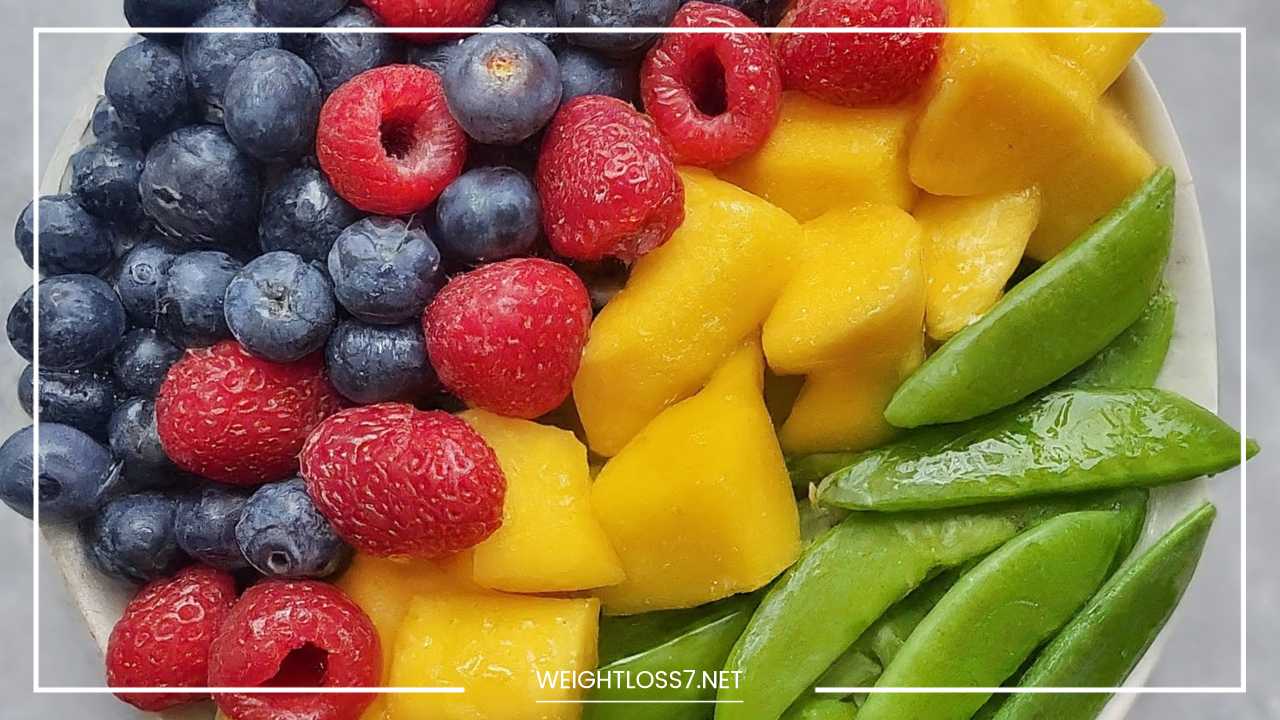
- Fruits and Vegetables: These are nutritional powerhouses, boasting high fiber content and low calorie counts. The fiber helps you feel full and satisfied, aiding in portion control and preventing overeating. Different colors of fruits and vegetables provide a wide array of vitamins, minerals, and antioxidants that support various bodily functions.
- Examples include berries (strawberries, blueberries, raspberries) which are rich in antioxidants; leafy greens (spinach, kale, lettuce) that are packed with vitamins and minerals; and cruciferous vegetables (broccoli, cauliflower, Brussels sprouts) known for their fiber and potential disease-fighting properties. Incorporating a variety of fruits and vegetables ensures a broad spectrum of nutrients.
- Whole Grains: Unlike refined grains (like white bread and white rice), whole grains retain their bran, germ, and endosperm, making them rich in fiber, vitamins, and minerals. Their high fiber content contributes to satiety, helps regulate blood sugar levels, and provides a sustained release of energy, preventing energy crashes and reducing the likelihood of overeating.
- Examples of whole grains include brown rice, quinoa, oats, barley, and whole wheat. Choosing whole grain versions of bread, pasta, and cereals can significantly enhance the nutritional value of your diet.
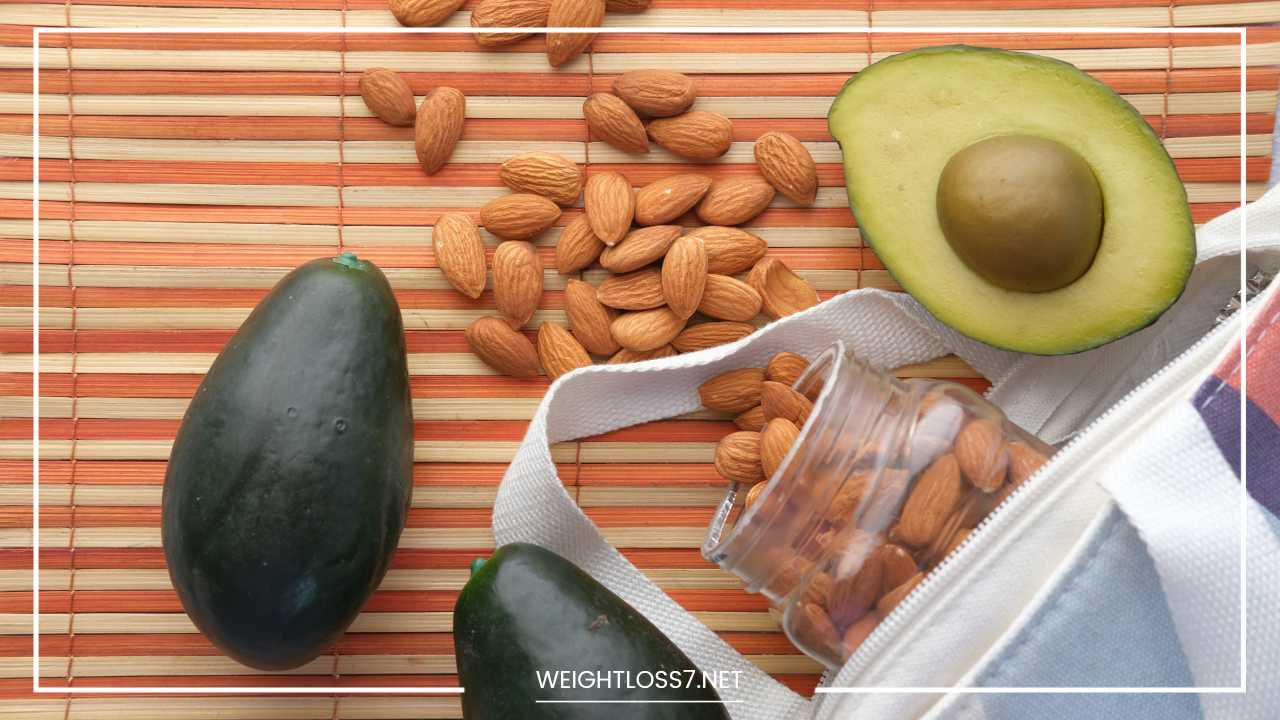
- Healthy Fats: While often misunderstood in the context of weight loss, healthy fats are crucial for satiety, hormone production, and the absorption of certain vitamins. Consuming them in moderation can actually support your weight loss efforts by helping you feel fuller for longer and reducing cravings for less nutritious foods.
- Sources of healthy fats include avocados, nuts (almonds, walnuts, cashews), seeds (chia seeds, flax seeds, pumpkin seeds), and olive oil. It’s important to choose unsalted nuts and seeds and to use oils in moderation as they are still calorie-dense.
- Legumes and Beans: These plant-based powerhouses are excellent sources of both protein and fiber. Protein is essential for building and repairing tissues, and it also contributes to feelings of fullness, which can be particularly beneficial for weight management. The high fiber content in legumes and beans further aids in satiety and helps regulate digestion.
- Examples of legumes and beans include lentils, chickpeas, kidney beans, black beans, and peas. They are versatile and can be incorporated into various dishes, providing sustained energy and helping to curb hunger between meals.
Meal Planning for Weight Loss
Strategic meal planning is a vital component of a successful weight loss diet. It helps ensure you are consuming a balanced intake of nutrients, controlling portion sizes, and making healthier food choices consistently.
- Portion Control: Overeating, even healthy foods, can hinder weight loss. Being mindful of portion sizes is crucial for creating and maintaining a calorie deficit. Learning to estimate appropriate portions can help prevent the unintentional consumption of excess calories.
- Practical tips for portion control include using smaller plates, measuring or weighing food occasionally to get a better understanding of serving sizes, and using visual cues (e.g., a serving of cooked grains should be about the size of your fist). Paying attention to your body’s hunger and fullness cues can also help you avoid overeating.
- Regular Meal Timing: Establishing consistent meal times throughout the day can help regulate hunger hormones and stabilize blood sugar levels. This can prevent extreme hunger that often leads to unhealthy food choices and overeating.
- Aim for three main meals and potentially one or two planned, healthy snacks in between if needed to manage hunger. Avoid skipping meals, as this can sometimes lead to increased calorie intake later in the day. Listening to your body’s natural hunger and fullness signals is key to determining the right meal timing for you.
- Avoiding Processed Foods: Processed foods are often high in added sugars, unhealthy fats, and sodium, while being low in essential nutrients and fiber. These foods contribute significantly to excess calorie intake and can hinder weight loss efforts. They are also often designed to be hyper-palatable, making it easy to overconsume them.
- Focus on whole, unprocessed foods as the foundation of your diet. Minimize your intake of packaged snacks, sugary drinks, processed meats (which we are not including in this article), and fast food. Reading food labels can help you identify hidden sugars, unhealthy fats, and excessive sodium in processed products.
Macronutrients Balance
Macronutrients – carbohydrates, proteins, and fats – are the primary nutrients our bodies need in larger amounts. Balancing these macronutrients in your diet is essential for weight loss, satiety, and overall health.
- Carbohydrates: Choose complex carbohydrates over refined ones. Complex carbohydrates, found in whole grains, vegetables, and legumes, are digested more slowly due to their high fiber content, providing a sustained release of energy and promoting feelings of fullness. Refined carbohydrates, found in sugary drinks and processed foods, are quickly digested, leading to rapid spikes in blood sugar and often followed by energy crashes and increased hunger.
- Proteins: While this article avoids mentioning specific animal sources, it’s important to include plant-based protein sources in your diet. Protein is crucial for building and repairing tissues, and it plays a significant role in satiety, helping you feel full and satisfied after meals. Good plant-based sources include beans, tofu (if applicable), lentils, quinoa, nuts, and seeds.
- Fats: As discussed earlier, healthy fats are essential. Focus on incorporating unsaturated fats found in nuts, seeds, olive oil, and avocado. These fats support hormone production, aid in the absorption of fat-soluble vitamins, and contribute to satiety. It’s important to consume fats in moderation due to their higher calorie density.
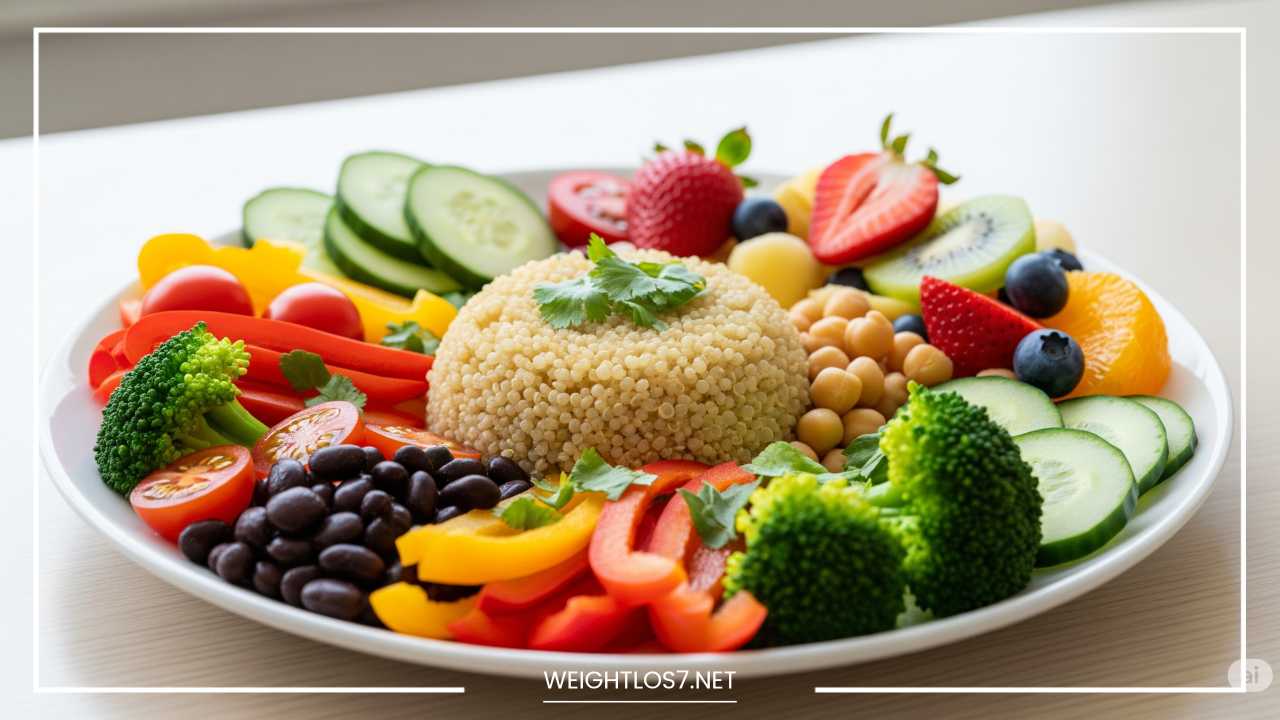
- Creating a Balanced Plate: A helpful visual guide for ensuring macronutrient balance is the concept of a balanced plate. Aim for roughly half of your plate to be filled with non-starchy vegetables, about a quarter with a source of complex carbohydrates, and the remaining quarter with a source of plant-based protein. Incorporate a serving of healthy fats as part of the meal. This approach helps ensure you are getting a good balance of nutrients without overemphasizing any one food group.
Hydration and Its Role in Weight Loss
Staying adequately hydrated is often overlooked but plays a crucial role in weight loss and overall health. Water is essential for numerous bodily functions, including metabolism and appetite regulation.
- Importance of Water: Water helps your body burn calories more efficiently. Even mild dehydration can slow down your metabolism. Drinking enough water also helps your kidneys function properly, which is important for waste removal. Adequate hydration can also improve energy levels and physical performance, making it easier to engage in physical activity, which complements a weight loss diet.
- Water and Appetite Control: Drinking a glass of water before meals can help you feel fuller, potentially leading to reduced food intake during the meal. Sometimes, thirst can also be mistaken for hunger, so staying hydrated can prevent unnecessary snacking.
- Hydrating Drinks: While water should be your primary source of hydration, other beverages can also contribute to your fluid intake. Herbal teas, which are typically calorie-free, can be a good alternative. Flavored water, if it doesn’t contain added sugars, can also be an option, but be mindful of artificial sweeteners and other additives. Sugary drinks, such as sodas and fruit juices with added sugar, should be minimized or avoided as they contribute empty calories and can hinder weight loss efforts. Pay attention to your body’s thirst cues and aim to drink water consistently throughout the day.
Exercise and Physical Activity: Complementing Your Diet
While diet plays a primary role in weight loss, incorporating regular exercise and physical activity is crucial for enhancing results, improving overall health, and maintaining weight loss in the long term. Physical activity increases the number of calories your body burns, contributing to the necessary calorie deficit for weight loss.
- Types of Exercise: A well-rounded exercise routine includes different types of activities that offer various benefits.
- Aerobic Exercise: Activities like brisk walking, running, cycling, swimming, and dancing elevate your heart rate and increase calorie expenditure. Aim for at least 150 minutes of moderate-intensity or 75 minutes of vigorous-intensity aerobic activity per week.
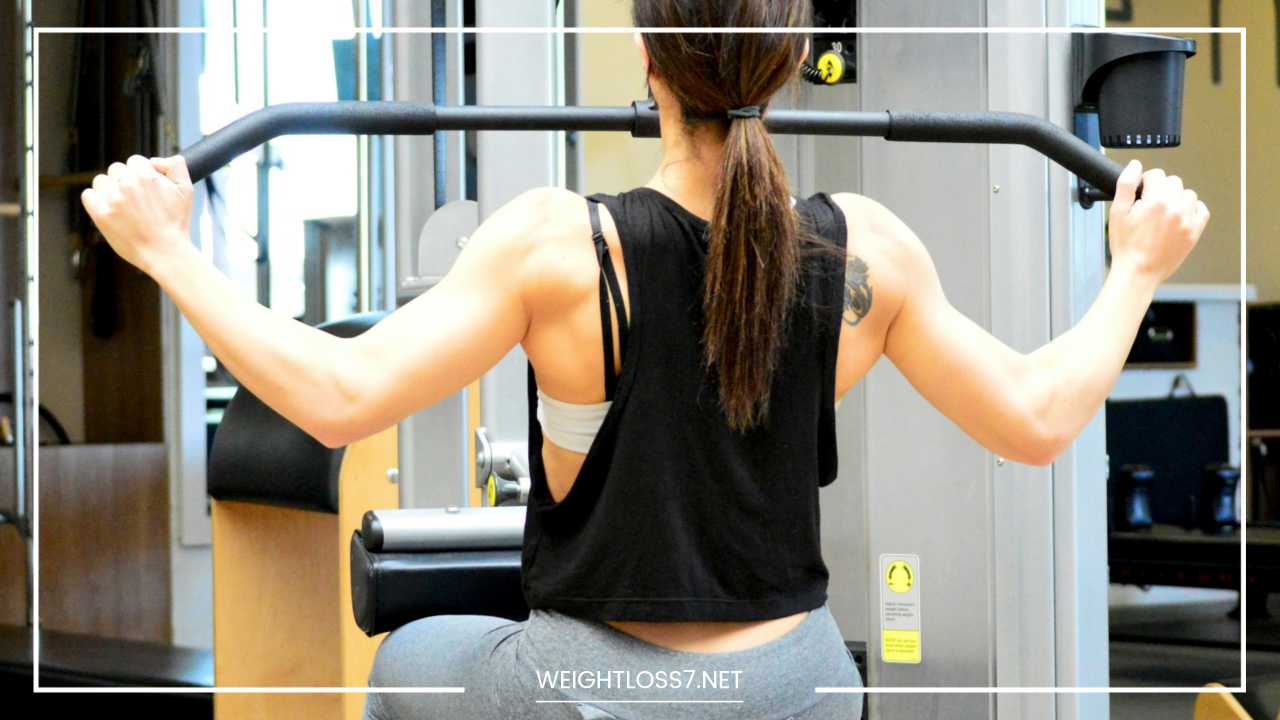
- Strength Training: Activities like lifting weights, using resistance bands, or doing bodyweight exercises help build muscle mass. Muscle tissue burns more calories at rest than fat tissue, so increasing your muscle mass can help boost your metabolism over time. Aim for strength training exercises at least two days per week, working all major muscle groups.
- Flexibility Exercises: Activities like yoga and Pilates improve flexibility and range of motion, which can prevent injuries and enhance overall physical function. Incorporating these into your routine can also reduce stress and improve balance.
- Non-Exercise Activity Thermogenesis (NEAT): NEAT refers to the energy expended for everything we do that is not sleeping, eating, or sports-like exercise. This includes activities like walking, standing, fidgeting, cleaning, and taking the stairs. Increasing your daily NEAT can significantly contribute to your overall calorie expenditure without requiring structured workouts. Simple changes like taking the stairs instead of the elevator, walking or cycling for short errands, and standing up and moving around regularly throughout the day can make a difference. Combining regular structured exercise with increasing your daily NEAT is a powerful approach to supporting weight loss and maintaining a healthy lifestyle.
Mindful Eating for Sustainable Weight Loss
Mindful eating is a practice that involves paying full attention to the experience of eating – the taste, smell, texture, and sensations of food – without judgment. It encourages a deeper awareness of your hunger and fullness cues and can be a powerful tool for achieving sustainable weight loss.
- Focusing on the Present Moment: Mindful eating involves eliminating distractions while eating, such as watching television or using electronic devices. By focusing solely on your meal, you can better appreciate the food and recognize when you are truly satisfied.
- Savoring Food and Listening to Hunger Cues: Eat slowly and chew your food thoroughly. This allows your body time to register feelings of fullness, which can help prevent overeating. Pay attention to your body’s signals of hunger and satiety, eating when you are genuinely hungry and stopping when you are comfortably full, not stuffed.
- Preventing Overeating, Reducing Stress, and Improving Digestion: By being more aware of your eating habits and emotional triggers for eating, mindful eating can help prevent emotional overeating and mindless snacking. The relaxed state associated with mindful eating can also improve digestion.
- Tips for Practicing Mindfulness: Before eating, take a few deep breaths and notice how you feel. Observe the colors, smells, and textures of your food. Take small bites and savor each mouthful. Put your fork down between bites. Pay attention to when you start to feel full. Practice gratitude for the food you are eating. Incorporating these practices into your daily routine can foster a healthier relationship with food and support your weight loss journey.
Overcoming Common Weight Loss Challenges
The weight loss journey is not always linear, and encountering challenges along the way is normal. Developing strategies to overcome these obstacles is essential for long-term success.
- Emotional Eating: Many people turn to food for comfort or stress relief. Identifying your emotional triggers for overeating is the first step. Develop alternative coping mechanisms for managing emotions, such as exercise, meditation, spending time in nature, or talking to a friend or therapist. Practice self-awareness to recognize when you are eating due to emotions rather than physical hunger.
- Social Situations: Navigating social gatherings and dining out while trying to lose weight can be challenging. Plan ahead by checking menus online if possible and making healthier choices. Don’t be afraid to ask for modifications to your meals. Focus on socializing rather than solely on the food. Choose smaller portions and be mindful of your intake. Remember that occasional indulgences can be part of a sustainable approach.
- Plateaus and Patience: It’s common to experience periods where weight loss stalls despite consistent efforts. This can be frustrating, but it doesn’t mean your efforts are not working. Your body may be adjusting to the changes. Continue to focus on healthy habits, ensure you are in a calorie deficit, and consider adjusting your exercise routine. Patience is key, and it’s important to remember that sustainable weight loss takes time. Focus on the positive changes you are making to your health and well-being, rather than just the number on the scale.
Supplements and Other Considerations
While a well-balanced diet should provide most of the nutrients your body needs, certain supplements may be considered under specific circumstances.
- Role of Supplements: Multivitamins can help fill nutritional gaps if your dietary intake is not always consistent. Fiber supplements can aid in increasing fiber intake, which can promote satiety and support digestion. Other supplements like vitamin D (especially in regions with limited sunlight exposure) and omega-3 fatty acids may be recommended by healthcare professionals based on individual needs and deficiencies.
- Caution About Relying on Supplements: It’s crucial to understand that supplements are meant to complement a healthy diet, not replace it. They are not a magic bullet for weight loss. Focus on building a foundation of nutritious whole foods first.
- Consulting a Healthcare Professional: Before adding any supplements to your diet, it is essential to consult with a doctor, registered dietitian, or other qualified healthcare professional. They can assess your individual needs, identify any potential deficiencies, and advise on the appropriate supplements and dosages. Some supplements can interact with medications or may not be suitable for everyone. Professional guidance ensures that any supplement use is safe and beneficial for your health.
Final Thoughts
Achieving and maintaining a healthy weight is a journey that requires a holistic approach, with diet being a cornerstone. A good weight loss diet is characterized by balance, emphasizing nutrient-dense foods from all food groups in appropriate portions. It involves mindful eating, regular hydration, and is most effective when combined with consistent physical activity. Sustainable weight loss is not about quick fixes or restrictive fad diets, but rather about making gradual, lasting lifestyle changes that prioritize your overall health and well-being. Focus on nourishing your body with whole, unprocessed foods, listening to your hunger and fullness cues, and building healthy habits that you can maintain long-term. Remember that progress may not always be linear, and patience and perseverance are key. Celebrate the positive changes you make, both on and off the scale, as you embark on this journey towards a healthier and happier you.