Fastest Way to Lose Weight Without Exercise


The Fastest Way to Lose Weight Without Exercise
The desire for rapid weight loss often conjures images of grueling gym sessions and restrictive diets. While exercise is undeniably beneficial for overall health and can accelerate weight loss, what if we told you it’s entirely possible to shed pounds effectively, and even quickly, without ever stepping foot on a treadmill or lifting a dumbbell? This isn’t about miracle pills or fad diets; it’s about understanding the fundamental science of weight loss and implementing evidence-based lifestyle and dietary changes that work with your body, not against it.
Many people believe that without intense physical activity, losing weight is an uphill battle, or worse, impossible. This common misconception often leads to frustration and giving up before even starting. The truth is, while exercise burns calories, the primary driver of weight loss is what you consume. By meticulously managing your caloric intake, optimizing your nutrient absorption, and leveraging your body’s natural metabolic processes, you can achieve significant and sustainable weight loss without a single burpee. This article will unveil the fastest way to lose weight without exercise, focusing on practical, actionable strategies rooted in nutritional science and healthy living principles.
Calorie Deficit: The Core of All Weight Loss
At the heart of every successful weight loss journey lies one irrefutable truth: you must consume fewer calories than your body expends. This fundamental principle is known as creating a calorie deficit. When your body doesn’t receive enough energy from the food you eat, it turns to its stored reserves, primarily fat, for fuel. Understanding this concept is paramount because, regardless of how “healthy” your food choices are, if you’re consistently eating more calories than you burn, weight loss will not occur.
A realistic and healthy pace for fat loss is generally considered to be 1 to 2 pounds per week. This seemingly modest rate is sustainable, less likely to lead to muscle loss, and more likely to result in lasting change. To achieve this, a deficit of approximately 500 to 1000 calories per day is often recommended. While obsessive calorie counting can be tedious and unsustainable for many, the good news is that you don’t necessarily need to meticulously track every morsel.
The key to creating a calorie deficit without becoming a slave to a tracking app lies in emphasizing quality over quantity. Nutrient-dense foods, rich in fiber, protein, and healthy fats, naturally promote satiety, meaning you feel fuller for longer on fewer calories. Conversely, highly processed foods, often laden with sugar and unhealthy fats, are calorically dense but nutritionally sparse, leading to overconsumption without satisfying your body’s true hunger. By making smart food choices, opting for whole, unprocessed ingredients, and focusing on balanced meals, you can naturally reduce your overall caloric intake without feeling deprived. This intuitive approach allows your body to guide your consumption, leading to a sustainable calorie deficit that promotes effective weight loss.
Mindful Eating & Portion Control
In our fast-paced world, eating has often become a rushed, unconscious act. We gobble down meals while scrolling through our phones, working, or watching television, completely disconnected from the experience of eating. This habit not only diminishes the pleasure of food but also contributes significantly to overeating. The importance of mindful eating and portion control in the quest for weight loss without exercise cannot be overstated.
Mindful eating involves paying full attention to your food—its taste, texture, aroma, and the sensations of hunger and fullness your body communicates. Eating slowly is a cornerstone of this practice. It takes approximately 20 minutes for your brain to receive signals from your stomach that you’re full. When you eat too quickly, you often consume far more than you need before your body has a chance to register satiety. Chewing your food thoroughly is also crucial. This not only aids digestion but also allows your body more time to release hormones that signal fullness, such as cholecystokinin (CCK) and peptide YY (PYY). These hormonal cues are vital in regulating appetite and preventing overconsumption.
Portion control is another powerful tool for naturally reducing caloric intake. Often, we are served or serve ourselves portions that are far larger than our bodies truly require. The “plate-size illusion” is a classic example: a smaller plate can make a modest portion appear more substantial, tricking your brain into feeling more satisfied. Consciously choosing smaller plates, bowls, and even utensils can subtly influence how much you eat. Additionally, understanding standard serving sizes for various food groups can be incredibly helpful. Instead of relying on guesswork, take a moment to eyeball or even briefly measure out portions, especially for calorically dense foods.
Mindful snacking is also essential. Instead of mindlessly grazing, take a moment to assess if you are truly hungry or simply bored, stressed, or thirsty. If genuine hunger strikes, opt for nutrient-dense snacks like a handful of nuts, a piece of fruit, or some vegetable sticks. By consciously engaging with your food, savoring each bite, and respecting your body’s signals of fullness, you can significantly reduce your caloric intake without feeling deprived, making mindful eating and portion control powerful allies in your weight loss journey.
Hydration: The Overlooked Factor
When it comes to weight loss strategies, hydration often takes a backseat to diet and exercise. However, the role of water in appetite regulation, metabolism, and overall bodily function is profoundly underestimated and plays a significant, non-negotiable part in losing weight without strenuous physical activity.
Water is a powerful natural appetite suppressant. Often, when we feel hunger pangs, our bodies are actually signalling thirst. This is because the hypothalamus, the part of the brain that regulates both hunger and thirst, can sometimes confuse the two signals. Drinking a glass or two of water before meals can fill your stomach, creating a sense of fullness and leading you to consume fewer calories during the meal. This simple act can be a game-changer in reducing overall food intake without any conscious effort to restrict.
Beyond appetite suppression, water is crucial for optimal metabolism. Every chemical reaction in your body, including those involved in burning fat, requires water. Dehydration can slow down your metabolism, making it harder for your body to convert stored fat into energy. Adequate hydration ensures that your metabolic processes run smoothly and efficiently, aiding in fat breakdown. Furthermore, water helps your body properly process nutrients and eliminate waste products, which is essential for overall health and can indirectly support weight loss by optimizing cellular function.
Increasing your water intake doesn’t have to be a chore. Timing is key: start your day with a large glass of water, drink water before each meal, and keep a water bottle readily accessible throughout the day. If plain water feels uninspiring, try infusing it with natural flavors like slices of lemon, lime, cucumber, mint leaves, or berries. This adds a refreshing twist without adding calories or artificial sweeteners. Remember that sugary drinks, fruit juices, and even diet sodas are not substitutes for pure water. By prioritizing hydration, you’re not only supporting your body’s vital functions but also employing a simple yet incredibly effective strategy for reducing caloric intake and boosting your body’s natural fat-burning capabilities.
Sleep and Its Impact on Weight Loss
In our 24/7 world, sleep often falls victim to busy schedules and endless to-do lists. However, neglecting sleep is a critical mistake for anyone aiming to lose weight, especially without the compensatory effects of exercise. The link between sleep deprivation and weight gain is well-established, largely mediated by the profound disruption it causes to our hunger-regulating hormones.
When you don’t get enough sleep, typically less than 7-9 hours per night, your body’s delicate hormonal balance goes awry. Specifically, there’s a significant impact on two key hormones: ghrelin and leptin. Ghrelin is often referred to as the “hunger hormone” because it stimulates appetite. When you’re sleep-deprived, ghrelin levels increase, sending stronger signals to your brain that you need to eat, even if your body doesn’t genuinely require fuel. Conversely, leptin is the “satiety hormone” which tells your brain when you’re full and should stop eating. Insufficient sleep leads to a decrease in leptin levels, meaning your brain doesn’t receive strong signals of fullness, making it easier to overeat.
The combined effect of elevated ghrelin and reduced leptin is a powerful drive to consume more calories, particularly from high-carbohydrate, sugary, and fatty foods – precisely the types of foods that contribute to weight gain. Beyond these hormonal changes, sleep deprivation also elevates cortisol, the stress hormone, which can promote fat storage, especially around the abdominal area. Moreover, being tired often leads to reduced willpower and a greater susceptibility to impulsive food choices, as your brain seeks quick energy boosts.
Optimizing sleep hygiene is therefore a non-negotiable strategy for weight loss without exercise. This involves establishing a consistent sleep schedule, even on weekends. Create a relaxing bedtime routine that signals to your body it’s time to wind down – this could include a warm bath, reading a book, or gentle stretching. Ensure your bedroom is dark, quiet, and cool. Avoid screens (phones, tablets, computers, TVs) for at least an hour before bed, as the blue light emitted can interfere with melatonin production, the hormone that regulates sleep. Limiting caffeine and alcohol intake, especially in the evening, can also significantly improve sleep quality. By prioritizing restorative sleep, you’re not just resting; you’re actively regulating your hormones, reducing cravings, and creating an optimal internal environment for sustainable weight loss.
Stress Management
In the intricate web of factors influencing weight, chronic stress often emerges as a silent saboteur. While it may not directly add calories to your plate, its physiological and psychological impacts can severely hinder weight loss efforts, especially when relying solely on dietary adjustments. Understanding the connection between chronic stress and fat storage, and implementing effective stress reduction methods, is crucial for achieving your weight loss goals without exercise.
When you experience stress, your body’s “fight or flight” response kicks in, leading to the release of various hormones, primarily cortisol. While acute bursts of cortisol are natural and necessary, chronically elevated cortisol levels, a hallmark of persistent stress, have a direct connection to weight gain. Cortisol signals your body to increase glucose production for immediate energy, and when this energy isn’t used (as would be the case in a true “fight or flight” scenario), it’s often stored as fat, particularly in the abdominal area. This visceral fat, surrounding your organs, is metabolically active and poses greater health risks. Furthermore, chronic cortisol can increase appetite and cravings for high-calorie, sugary, and fatty “comfort foods,” which provide a temporary sense of relief but ultimately contribute to weight gain.
Beyond the hormonal influence, stress often triggers emotional eating. Food becomes a coping mechanism for uncomfortable feelings like anxiety, sadness, boredom, or frustration. This can lead to mindless consumption, overeating, and a departure from planned healthy eating habits. The cycle perpetuates itself: stress leads to overeating, which leads to guilt, and more stress.
Fortunately, managing stress doesn’t require drastic life overhauls; simple, consistent practices can make a profound difference. Deep breathing exercises are remarkably effective: even a few minutes of slow, diaphragmatic breathing can activate your parasympathetic nervous system, promoting relaxation. Journaling can be a powerful outlet for processing emotions and gaining perspective, reducing their hold over your eating habits. Spending time in nature, whether a gentle walk in a park or simply sitting in your garden, has been shown to lower cortisol levels and improve mood. Engaging in hobbies, listening to calming music, or practicing mindfulness meditation are also excellent ways to alleviate stress. By actively managing your stress levels, you not only improve your mental well-being but also remove a significant barrier to sustainable weight loss, allowing your body to function optimally without the constant urge for stress-induced cravings.
Smart Meal Composition
While the calorie deficit remains the cardinal rule of weight loss, the composition of your meals plays an equally vital role in achieving that deficit sustainably, without feelings of deprivation or constant hunger. Smart meal composition focuses on selecting foods that maximize satiety, provide essential nutrients, and regulate blood sugar, all of which are critical when losing weight without the added benefit of exercise.
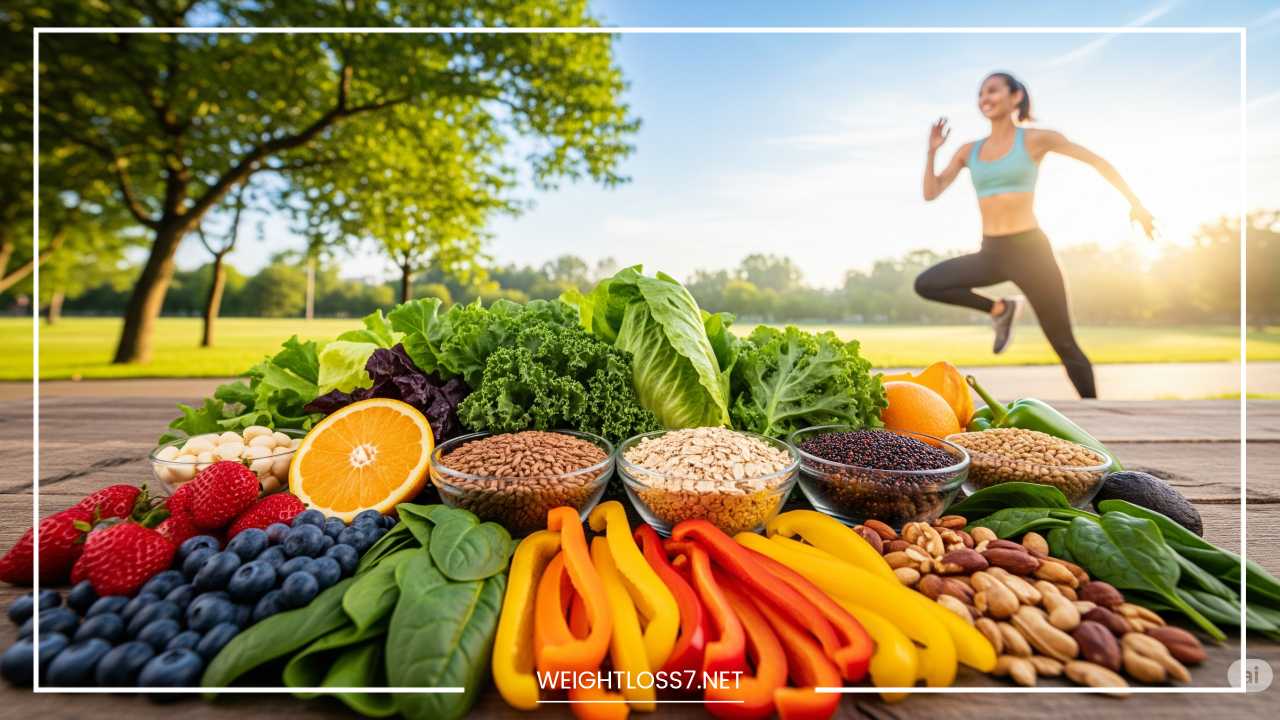
The cornerstone of a weight-loss-friendly diet is an abundance of fiber-rich foods. Fiber, found in vegetables, legumes, and whole grains, is a non-digestible carbohydrate that adds bulk to your meals without adding significant calories. It slows down digestion, meaning food remains in your stomach longer, promoting a profound sense of fullness. This extended satiety helps curb hunger pangs and reduces the likelihood of overeating between meals. Incorporate a wide variety of non-starchy vegetables into every meal – think leafy greens, broccoli, cauliflower, bell peppers, and zucchini. Legumes like lentils, chickpeas, and beans are also powerhouses of both fiber and plant-based protein, offering a double whammy for satiety. Opt for whole grains such as oats, quinoa, and brown rice over refined grains, as they retain their natural fiber and nutrient content.
High-protein meals are another critical component for satiety. Protein has a higher thermic effect of food (TEF) compared to carbohydrates and fats, meaning your body burns more calories digesting it. More importantly, protein is incredibly satiating, helping to reduce hunger and cravings. Prioritize lean protein sources such as fish, poultry, lean cuts of meat, and plant-based options like tofu and tempeh. Incorporating protein into every meal helps to stabilize blood sugar levels, preventing the drastic spikes and crashes that often lead to increased hunger and sugar cravings.
Don’t shy away from slow-digesting carbohydrates and healthy fats. Complex carbohydrates, found in whole grains and starchy vegetables, provide sustained energy release, preventing energy slumps that can trigger unhealthy snacking. Healthy fats, such as those found in avocados, nuts, seeds, and olive oil, are essential for hormone production, nutrient absorption, and also contribute significantly to satiety. While calorically dense, a moderate amount of healthy fats in your meals can keep you feeling fuller for longer, reducing the urge to graze.
Ultimately, balanced meals are the key to longer satiety and fewer cravings. A meal that combines fiber (from vegetables and whole grains), protein (from lean sources), and healthy fats will keep you satisfied for hours, naturally reducing your overall caloric intake without constant hunger. This strategic approach to meal composition transforms your diet from a restrictive regimen into a satisfying and sustainable path to weight loss.
Intermittent Fasting or Meal Timing Strategies
Beyond what you eat, when you eat can also play a significant role in accelerating weight loss without the need for exercise. Intermittent fasting (IF) and other structured meal timing strategies have gained considerable traction due to their ability to naturally reduce caloric intake and potentially improve metabolic health.
Intermittent fasting is not a diet in the traditional sense, but rather an eating pattern that cycles between periods of eating and voluntary fasting. The most common approaches include:
- 16:8 Method: This involves fasting for 16 hours each day and restricting your eating window to 8 hours. For example, you might eat your first meal at 12 PM and your last meal by 8 PM, fasting overnight and through the morning.
- 14:10 Method: Similar to 16:8, but with a slightly shorter fasting window of 14 hours and a 10-hour eating window. This can be a gentler introduction to intermittent fasting.
The primary mechanism by which intermittent fasting aids weight loss is by naturally reducing overall caloric intake. By confining your meals to a smaller window, it becomes inherently more challenging to consume an excessive amount of calories compared to grazing throughout the entire day. This often leads to an unintentional but effective calorie deficit. For example, if you typically eat breakfast, lunch, and dinner, cutting out breakfast and moving your first meal to midday naturally eliminates a meal’s worth of calories.
Beyond simple caloric restriction, some research suggests that intermittent fasting may offer metabolic benefits. During fasting periods, your body depletes its glycogen stores and begins to burn stored fat for energy, a process known as metabolic switching. This can potentially enhance fat burning and improve insulin sensitivity, which is beneficial for weight management.
Aligning meal timing with your circadian rhythms, your body’s natural sleep-wake cycle, can also be a valuable strategy. Our bodies are naturally more efficient at metabolizing food during daylight hours. Eating a large meal late at night, when your body is preparing for rest, can be less conducive to weight loss and potentially disrupt sleep. Therefore, aiming to consume the majority of your calories earlier in the day and finishing your last meal a few hours before bedtime can support your body’s natural metabolic processes and improve digestion, contributing to more effective weight loss.
It’s important to approach intermittent fasting with caution, especially if you have underlying health conditions. Always listen to your body and ensure you are still meeting your nutritional needs within your eating window. When implemented thoughtfully, intermittent fasting or strategic meal timing can be a powerful, non-exercise tool for creating a calorie deficit and optimizing your body’s fat-burning capabilities.
Eliminating Liquid Calories & Hidden Sugars
One of the most insidious culprits in the silent accumulation of excess weight, especially when not actively exercising, is the pervasive presence of liquid calories and hidden sugars in our modern diets. These seemingly innocuous beverages and processed foods can significantly undermine weight loss efforts by adding substantial calories without providing satiety or nutritional value.
Sugary drinks are perhaps the most egregious offenders. Sodas, sweetened teas, fruit juices (even 100% juice, which, while containing vitamins, is still concentrated sugar without the fiber of whole fruit), and sports drinks are packed with empty calories and rapidly absorbed sugars. These sugars cause a quick spike in blood glucose and insulin, which can promote fat storage and lead to a subsequent crash, triggering further cravings. Unlike solid food, liquid calories don’t register the same level of fullness in your brain, making it easy to consume hundreds of calories without feeling satisfied, thus leading to overconsumption of food later on.
The trend of fancy coffee concoctions also contributes significantly to this problem. While a plain black coffee has negligible calories, many popular coffee shop drinks are veritable dessert in a cup, laden with syrups, whipped cream, and sugary toppings. A single grande caramel latte, for instance, can easily pack in more calories and sugar than a full meal. Similarly, alcohol is often overlooked as a source of liquid calories. Alcoholic beverages are calorically dense and can also lower inhibitions, leading to poor food choices and increased appetite.
Beyond beverages, hidden sugars lurk in an astonishing array of “health-washed” or seemingly benign packaged foods. Yogurt, granola bars, salad dressings, sauces, breakfast cereals, and even savory items can contain significant amounts of added sugars, often under deceptive names like high-fructose corn syrup, dextrose, maltose, or fruit juice concentrate. These added sugars contribute to inflammation, insulin resistance, and increased fat storage, all detrimental to weight loss.
The solution is straightforward yet requires diligence:
- Prioritize water: Make plain water your go-to beverage. Infuse it with natural flavors if desired.
- Opt for unsweetened beverages: Choose unsweetened tea, black coffee, or sparkling water with a squeeze of lemon or lime.
- Read labels meticulously: Become an expert at identifying added sugars on food labels. Look beyond the “Nutrition Facts” panel and scrutinize the ingredient list. The higher up sugar appears on the list, the more of it the product contains.
- Cook at home: Preparing your meals gives you full control over ingredients, allowing you to avoid hidden sugars and unhealthy additives.
By consciously eliminating liquid calories and diligently rooting out hidden sugars from your diet, you remove a major barrier to effective weight loss. This strategy not only reduces your overall caloric intake but also improves your metabolic health, making it easier for your body to burn fat.
Creating an Environment That Supports Weight Loss
Losing weight without exercise isn’t just about willpower; it’s profoundly influenced by the environment you create around yourself. Our surroundings play a powerful role in shaping our habits, and by proactively designing your kitchen and home for success, you can significantly tip the scales in your favor, making healthy choices the easy choices.
Think of your kitchen as the control center for your dietary habits. To “design your kitchen” for weight loss, the first and most crucial step is to eliminate tempting, ultra-processed snacks and high-calorie treats. If they’re not in your house, you can’t eat them. This might sound drastic, but out of sight truly is out of mind. Clear out the chips, cookies, sugary cereals, and any other items that consistently derail your efforts. Donate them, give them away, or simply refrain from buying them in the first place.
Once the tempting items are gone, fill your kitchen with healthy, whole food alternatives. Make these readily visible and accessible. Arrange fresh fruits in a beautiful bowl on your counter. Keep pre-washed and pre-cut vegetables in clear containers in your refrigerator for easy snacking or meal additions. Stock your pantry with staples like whole grains, legumes, nuts, and seeds. The easier it is to grab a piece of fruit than a candy bar, the more likely you are to make the healthy choice, especially when hunger strikes unexpectedly.
Prepping healthy foods in advance is another game-changer. Dedicate a small amount of time, perhaps on a weekend, to food preparation. This could involve washing and chopping vegetables, cooking a batch of whole grains, portioning out nuts and seeds, or preparing lean protein sources. Having healthy ingredients and even pre-made components ready to go significantly reduces the friction of preparing healthy meals during busy weekdays. When you’re tired or pressed for time, the last thing you want to do is start from scratch. Pre-prepped ingredients make throwing together a nutritious meal or snack as convenient as reaching for an unhealthy alternative.
Consider portion control tools: smaller plates, bowls, and even glasses can subtly influence how much you serve yourself. Keep healthy spices and herbs readily available to add flavor without extra calories. By thoughtfully curating your food environment, you minimize decision fatigue and reduce the constant battle against temptation. You’re essentially automating healthy eating, making it the default setting in your daily life, which is a powerful strategy for sustainable weight loss without relying on strenuous exercise.
Final Thoughts & Motivation
Embarking on a weight loss journey without exercise is not about finding a magic bullet; it’s about embracing a fundamental shift in your relationship with food and your body. The strategies outlined – from understanding the calorie deficit to mastering mindful eating, prioritizing hydration, sleep, and stress management, and composing smart meals within strategic eating windows – are not quick fixes. They are interconnected pillars of a sustainable, health-focused lifestyle that naturally leads to weight loss.
It’s crucial to reinforce the idea that this is a lifestyle transformation, not a temporary diet. Crash diets and extreme restrictions are rarely sustainable and often lead to a frustrating cycle of weight loss and regain. Instead, focus on gradual, consistent changes that you can maintain indefinitely. The goal is to build habits that serve your long-term health, not just a number on the scale.
Celebrate progress, not perfection. There will be days when you deviate from your plan, or moments of weakness. This is normal. The key is not to let a single misstep derail your entire effort. Avoid guilt and self-blame; instead, view it as a learning opportunity. Acknowledge what happened, re-commit to your strategies, and move forward. Consistency, not flawless execution, is what yields results. Even small, consistent efforts compound over time into significant achievements.
Patience is perhaps the most underrated virtue in weight loss. Our bodies are complex, and the rate of weight loss can fluctuate. Trust the process, and understand that sustainable changes take time. Track your progress, not just by the numbers on the scale, but also by how your clothes fit, your energy levels, your sleep quality, and your overall well-being. These non-scale victories are powerful motivators and indicators of true health improvement.
Ultimately, losing weight without exercise is an empowering journey that teaches you profound lessons about your body, your habits, and your resilience. By focusing on nourishing your body, listening to its cues, and creating an environment that supports your goals, you can achieve remarkable and lasting results, proving that effective weight loss is truly within your grasp, one mindful bite at a time.