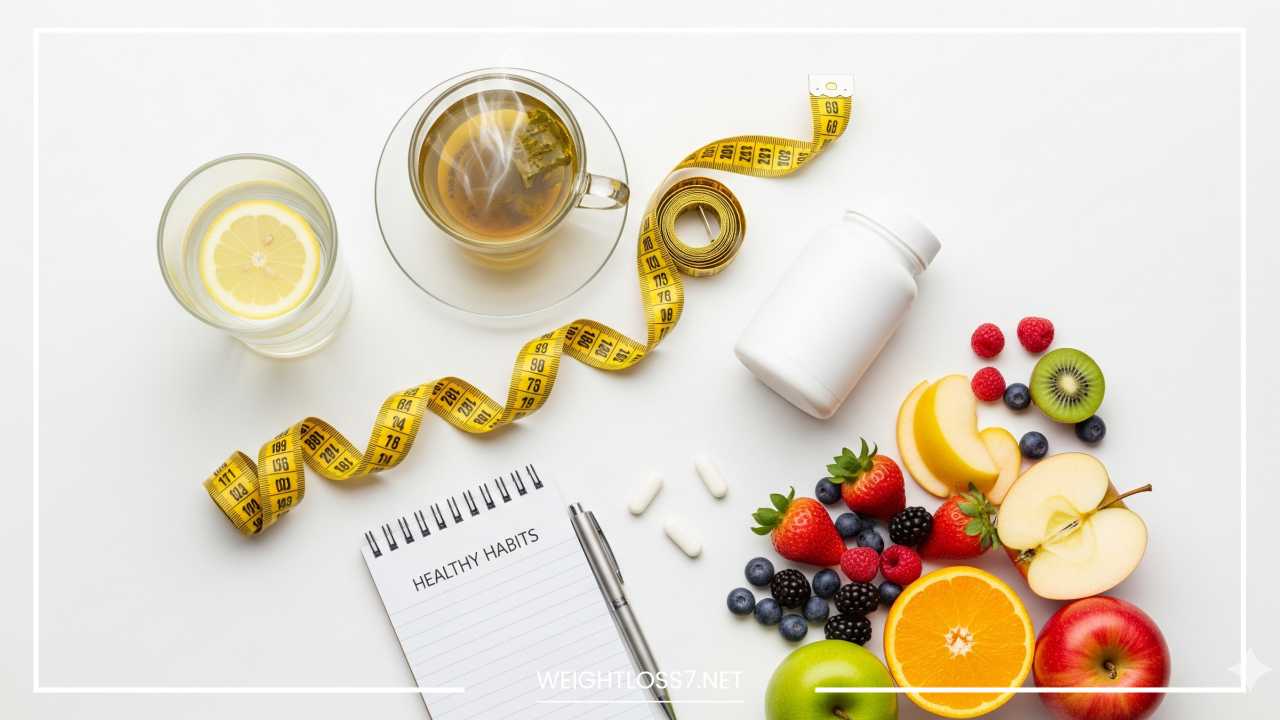
What Can I Take to Help Me Lose Weight?

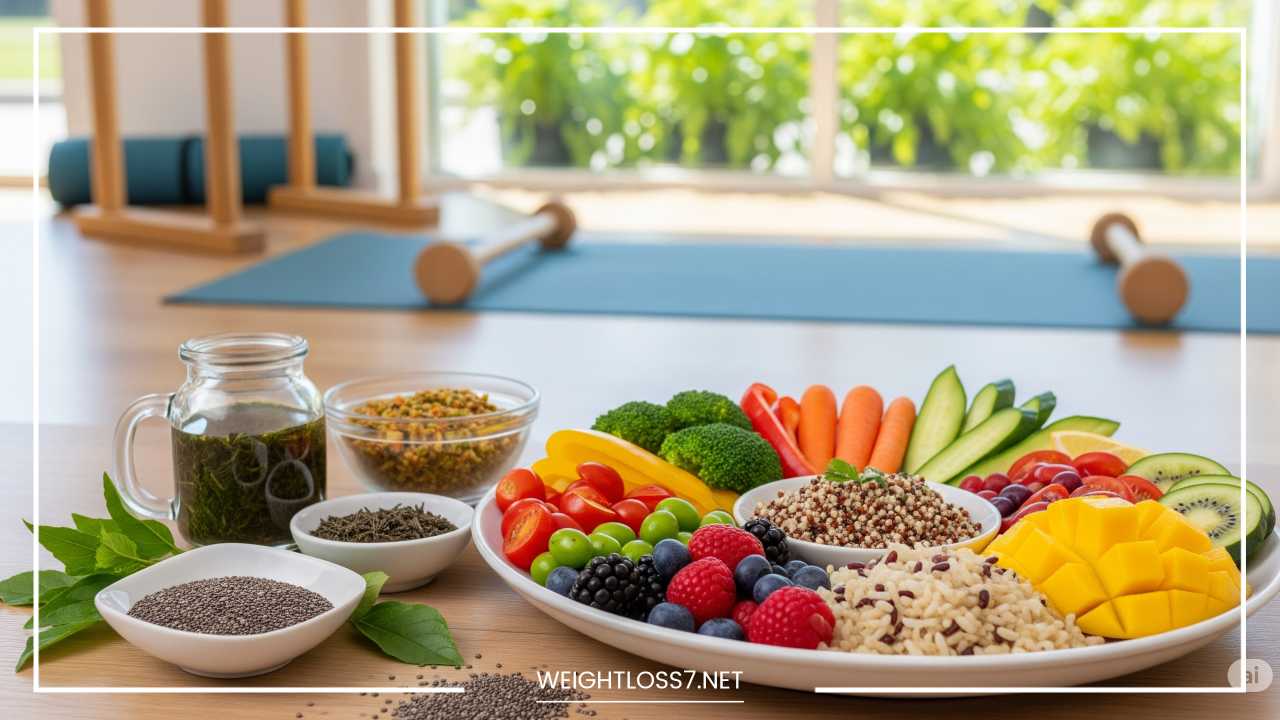
What Can I Take to Help Me Lose Weight? | Top Supplements & Tips for Fat Loss
Embarking on a weight loss journey can often feel like navigating a complex maze. With countless products, diets, and advice circulating, it’s easy to become overwhelmed and unsure where to begin. Many individuals seek a quick fix, often turning to supplements with the hope of effortless results. While certain natural aids can indeed support your weight loss efforts, it’s crucial to understand that they are not magic bullets. Sustainable and healthy weight loss is always the result of a holistic approach that integrates mindful eating, regular physical activity, and a healthy lifestyle.
This article will explore a variety of natural supplements, plant-based superfoods, metabolism-boosting herbs and spices, and beneficial drinks that can act as allies in your pursuit of a healthier weight. We’ll also delve into the vital roles of fiber and gut health, and emphasize the lifestyle habits that amplify the effects of any weight loss aid. Our focus remains on plant-derived options, ensuring recommendations are suitable for a wide range of dietary preferences. Remember, the journey to a healthier you is a marathon, not a sprint, built on consistency, informed choices, and patience.
Natural Supplements That Support Weight Loss
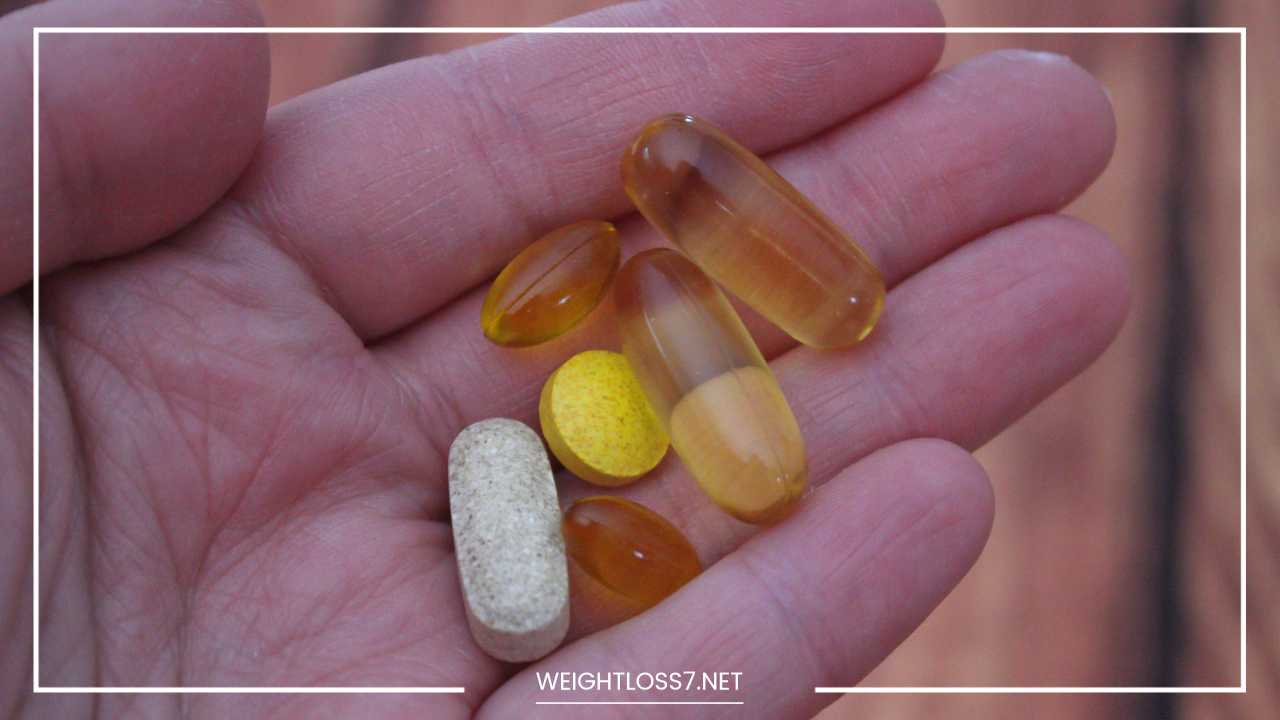
While no supplement can replace a balanced diet and regular exercise, several natural compounds have shown promise in supporting weight management by influencing metabolism, appetite, and fat absorption. Always prioritize safety by consulting a healthcare professional before incorporating any new supplement into your routine.
Green Tea Extract: Derived from the leaves of the Camellia sinensis plant, green tea extract is rich in catechins, particularly epigallocatechin gallate (EGCG). EGCG is believed to boost metabolism and increase fat oxidation, especially during exercise. It works by inhibiting an enzyme that breaks down norepinephrine, a neurotransmitter that signals the body to burn fat. Recommended doses typically range from 250-500 mg of EGCG per day, often split into multiple doses. Potential side effects are generally mild but can include upset stomach, nausea, or dizziness, particularly with high doses or on an empty stomach.
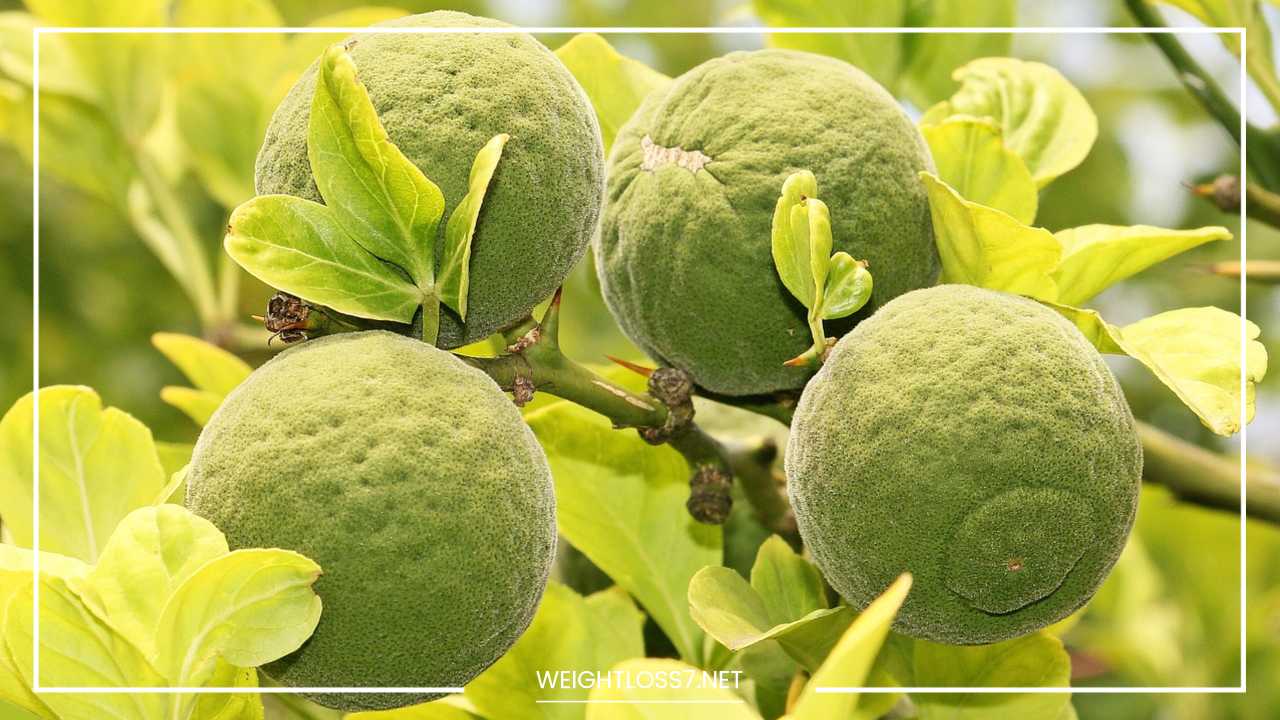
Garcinia Cambogia: This tropical fruit, also known as Malabar tamarind, contains hydroxycitric acid (HCA), which is the active ingredient believed to aid weight loss. HCA is thought to suppress appetite by increasing serotonin levels in the brain, a neurotransmitter that regulates mood and appetite. Some studies suggest it may also inhibit an enzyme involved in fat production. However, research on its effectiveness has yielded mixed results, with some studies showing minimal to no impact on weight loss. Typical doses range from 500-1500 mg of HCA per day. Side effects, when present, are usually mild, such as digestive upset or headaches.
Glucomannan: A natural, soluble dietary fiber extracted from the konjac plant, glucomannan is renowned for its exceptional water-absorbing capacity. When consumed with water, it expands significantly in the stomach, creating a feeling of fullness and promoting satiety. This can lead to reduced calorie intake by curbing hunger. It also slows down digestion and the absorption of carbohydrates and cholesterol. Recommended doses for weight loss typically range from 1-4 grams per day, taken with a large glass of water before meals. It’s crucial to consume sufficient water to prevent choking or blockages. Potential side effects include bloating, gas, and diarrhea, especially when not consumed with enough liquid.
Caffeine (from plant sources like coffee or guarana): A well-known stimulant, caffeine can be a valuable aid due to its thermogenic effects – it increases the body’s heat production and energy expenditure, leading to more calories burned. It also acts as an appetite suppressant for some individuals and can enhance athletic performance. Plant-based sources like black coffee, green tea, and guarana extract are preferred. It’s important to consume caffeine in moderation, as excessive intake can lead to jitters, anxiety, insomnia, and increased heart rate. Individual tolerance varies widely, but a common recommendation is to keep daily intake under 400 mg.
Apple Cider Vinegar: While not a “fat burner” in the traditional sense, apple cider vinegar has gained popularity for its potential role in weight management. Acetic acid, its main component, is believed to help reduce blood sugar spikes after meals, which can contribute to better insulin sensitivity and reduced fat storage. Some studies also suggest it may promote feelings of fullness, leading to decreased calorie intake. A common approach is to dilute 1-2 tablespoons of apple cider vinegar in a glass of water and consume it before meals. It’s important to dilute it to protect tooth enamel. Potential side effects include digestive upset or erosion of tooth enamel if consumed undiluted or in excessive amounts.
Plant-Based Superfoods That Aid Weight Loss
Incorporating nutrient-dense plant-based superfoods into your daily diet is a cornerstone of sustainable weight management. These foods are rich in fiber, essential nutrients, and healthy fats, all of which contribute to satiety, regulate blood sugar, and support overall metabolic health.
Chia Seeds: These tiny powerhouses are an excellent source of soluble fiber, omega-3 fatty acids, and plant-based protein. When mixed with liquid, chia seeds absorb many times their weight, forming a gel-like substance that expands in the stomach. This expansion creates a feeling of fullness, reducing overall calorie consumption and curbing hunger pangs. They also help stabilize blood sugar levels, preventing energy crashes that often lead to unhealthy snacking. You can easily incorporate chia seeds into your diet by adding them to smoothies, overnight oats, yogurts, or as a topping for salads.
Flaxseeds: Similar to chia seeds, flaxseeds are abundant in fiber (both soluble and insoluble), lignans (plant compounds with antioxidant properties), and omega-3 fatty acids. The fiber content promotes satiety and aids in healthy digestion, while the omega-3s contribute to overall metabolic health. For optimal absorption of nutrients, it’s best to consume flaxseeds in their ground form. Sprinkle them over oatmeal, blend them into smoothies, or use them as an egg substitute in baking (when mixed with water).
Oats: A staple for many, oats are a fantastic source of slow-digesting complex carbohydrates and soluble fiber, particularly beta-glucan. This type of fiber forms a gel in the digestive tract, slowing down the absorption of glucose and keeping you feeling full for longer. The sustained energy release from oats prevents sudden blood sugar drops that can trigger cravings. Enjoy oats as a warm breakfast porridge, blend them into smoothies, or use them in homemade granola.
Avocado: Often misunderstood due to its fat content, avocado is a true superfood for weight loss. It’s packed with monounsaturated healthy fats, which are crucial for reducing cravings and promoting satiety. These healthy fats help slow down digestion, keeping you feeling satisfied for longer after meals. Avocados are also rich in fiber and essential vitamins and minerals. Incorporate avocado into salads, sandwiches, smoothies, or enjoy it simply mashed on whole-grain toast.
Legumes (Lentils, Chickpeas, Black Beans): A powerhouse of plant-based protein and dietary fiber, legumes are invaluable for weight loss. Their high protein content promotes satiety and helps preserve muscle mass during weight loss, while the fiber aids in digestion and blood sugar regulation. The combination of protein and fiber makes them incredibly filling and satisfying, reducing the likelihood of overeating. Lentils, chickpeas, and various beans can be easily added to soups, stews, salads, curries, or made into hummus for a healthy snack.
Herbs and Spices with Metabolism-Boosting Effects
Beyond adding flavor to your meals, many herbs and spices possess remarkable properties that can subtly support your weight loss journey. Their active compounds can influence metabolism, aid digestion, and help balance blood sugar.
Cayenne Pepper (Capsaicin): The active compound in cayenne pepper, capsaicin, is well-known for its thermogenic properties. It can slightly increase your body’s core temperature, leading to a modest boost in calorie expenditure. Capsaicin may also help to reduce appetite and cravings. You can add a pinch of cayenne pepper to savory dishes, soups, or even a glass of warm lemon water for a metabolic kick. Start with a small amount and gradually increase to your tolerance.
Turmeric (Curcumin): This vibrant yellow spice contains curcumin, a powerful anti-inflammatory compound. While not a direct fat burner, chronic inflammation can hinder weight loss by affecting hormone balance and metabolism. By reducing inflammation, turmeric may indirectly support a healthier metabolic state. Some studies also suggest curcumin might play a role in inhibiting the growth of fat cells. Incorporate turmeric into curries, soups, smoothies, or make a soothing turmeric latte.
Cinnamon: More than just a fragrant spice, cinnamon has been studied for its ability to help regulate blood sugar levels. It can improve insulin sensitivity, meaning your body can use glucose more efficiently for energy rather than storing it as fat. Stable blood sugar levels also help prevent energy crashes and subsequent cravings for sugary snacks. Sprinkle cinnamon on oatmeal, fresh fruit, in smoothies, or add it to your coffee or tea.
Ginger: This pungent root is widely recognized for its digestive aid properties, helping to soothe upset stomachs and reduce bloating. Beyond digestion, ginger has a mild thermogenic effect and can slightly boost metabolism. It may also help promote feelings of fullness. Add fresh ginger to stir-fries, soups, smoothies, or brew a comforting cup of ginger tea.
Drinks That May Help Burn Fat Naturally
Staying adequately hydrated is fundamental for overall health and plays a significant role in weight management. Certain beverages, beyond plain water, can further enhance your body’s natural fat-burning processes and support satiety.
Green Tea & Matcha: As mentioned earlier in the context of green tea extract, both green tea and its more concentrated form, matcha, are rich in catechins and caffeine. These compounds work synergistically to boost metabolism and increase fat oxidation. Matcha, being the powdered form of the whole tea leaf, provides an even higher concentration of beneficial compounds. Enjoy green tea hot or iced, and savor matcha as a traditional whisked tea or blended into lattes and smoothies. Ensure no added sugar for maximum benefits.
Black Coffee (without sugar): For many, black coffee is an indispensable part of their morning routine. The caffeine content in black coffee acts as a natural stimulant, increasing energy expenditure and alertness. It can also temporarily suppress appetite for some individuals. The key is to consume it black, as adding sugar, creamers, or syrups can quickly negate any potential weight loss benefits due to added calories and unhealthy fats. Moderation is key to avoid jitters or sleep disturbances.
Lemon Water: While lemon water doesn’t directly “burn fat,” it’s an excellent way to support hydration and improve digestion. Proper hydration is vital for all bodily functions, including metabolism. Lemon also contains pectin fiber, which can contribute to a feeling of fullness. Starting your day with a glass of warm lemon water can kickstart your metabolism and aid in detoxification. It’s a simple, refreshing, and calorie-free alternative to sugary drinks.
Herbal Teas (Peppermint, Hibiscus, Dandelion): Various herbal teas offer distinct benefits for weight loss. Peppermint tea can help soothe digestive issues and may act as a mild appetite suppressant. Hibiscus tea has been shown in some studies to potentially aid in weight management and reduce fat accumulation, possibly due to its antioxidant content. Dandelion tea acts as a natural diuretic, helping to reduce water retention and bloating, giving a leaner appearance. These teas are naturally calorie-free and can be enjoyed throughout the day to stay hydrated and benefit from their specific properties. The best times to drink these beverages for optimal effect are often in the morning to kickstart metabolism (coffee, green tea, lemon water) or before meals to promote satiety (green tea, herbal teas).
The Role of Fiber and Gut Health in Weight Loss
The often-overlooked connection between fiber, gut health, and weight loss is profound. A healthy gut microbiome and sufficient fiber intake are crucial for efficient metabolism, appetite regulation, and nutrient absorption.
Soluble Fiber and Satiety: Soluble fiber, found in foods like oats, chia seeds, flaxseeds, and many fruits and vegetables, forms a gel-like substance in the digestive tract when it mixes with water. This gel slows down digestion, leading to a prolonged feeling of fullness and reducing overall calorie intake. It also helps stabilize blood sugar levels, preventing the spikes and crashes that often lead to cravings.
Probiotics & Fermented Foods: The gut microbiome, a complex community of trillions of microorganisms, plays a pivotal role in metabolism and weight. A balanced gut flora can influence how we store fat, respond to hormones that make us feel hungry or full, and even absorb nutrients from food. Probiotics, live beneficial bacteria, found in fermented foods, can help bolster this healthy balance. Examples of vegan-friendly fermented foods include:
- Kombucha: A fermented tea rich in probiotics and antioxidants. Choose varieties with low sugar content.
- Sauerkraut: Fermented cabbage, providing a good source of probiotics and fiber.
- Miso: A fermented soybean paste, adding a savory umami flavor and beneficial bacteria to dishes.
- Tempeh: Fermented soybeans, offering a dense source of plant-based protein and probiotics.
Gut Microbiome’s Impact on Metabolism: Research increasingly highlights how the composition of our gut bacteria can influence energy extraction from food, inflammation, and even the effectiveness of weight loss efforts. A diverse and healthy gut microbiome can lead to more efficient nutrient utilization and a more balanced metabolic state.
Prebiotic Foods: Prebiotics are non-digestible fibers that act as food for the beneficial bacteria in your gut, helping them to flourish. Incorporating prebiotic-rich foods into your diet directly supports a healthy gut microbiome. Vegan-friendly prebiotic sources include:
- Bananas: Especially slightly unripe ones, which contain resistant starch.
- Garlic: Adds flavor and acts as a potent prebiotic.
- Onions: Another flavorful allium with strong prebiotic properties.
- Asparagus: A good source of inulin, a type of prebiotic fiber.
- Oats: Also a great source of soluble fiber that feeds beneficial gut bacteria.
Lifestyle Habits and Daily Practices That Support Supplement Use
Supplements and superfoods are merely aids; their effectiveness is significantly amplified when integrated into a comprehensive healthy lifestyle. Focusing on these foundational habits is paramount for sustainable weight loss.
Importance of Caloric Balance (Intake vs. Burn): At its core, weight loss boils down to a caloric deficit – consuming fewer calories than your body burns. While specific foods and supplements can influence metabolism and satiety, the fundamental principle of energy balance remains. Understanding your approximate daily caloric needs and making conscious choices to consume nutrient-dense, lower-calorie foods while increasing physical activity is crucial. Supplements can help optimize this balance by boosting metabolism or reducing appetite, but they cannot create a deficit on their own if overall intake remains excessive.
Role of Exercise – Cardio and Strength Training: Regular physical activity is non-negotiable for effective weight loss.
- Cardio (e.g., brisk walking, jogging, cycling, swimming): Burns calories, improves cardiovascular health, and elevates your metabolic rate during and after exercise. Aim for at least 150 minutes of moderate-intensity cardio per week.
- Strength Training (e.g., bodyweight exercises, lifting weights): Builds and preserves muscle mass. Muscle is metabolically more active than fat, meaning it burns more calories even at rest. Building muscle can significantly boost your resting metabolic rate, making it easier to maintain a caloric deficit. Aim for 2-3 strength training sessions per week.
Sleep and Stress – Their Hormonal Impact on Weight Loss: Often overlooked, adequate sleep and stress management are critical for weight loss.
- Sleep: Insufficient sleep disrupts hormones that regulate appetite (ghrelin and leptin). Lack of sleep increases ghrelin (hunger hormone) and decreases leptin (satiety hormone), leading to increased cravings and calorie intake. Aim for 7-9 hours of quality sleep per night.
- Stress: Chronic stress elevates cortisol levels. Cortisol is a hormone that can promote fat storage, particularly around the abdomen, and increase cravings for high-calorie, sugary foods. Incorporate stress-reducing activities like meditation, yoga, deep breathing exercises, or spending time in nature.
Consistency and Setting Realistic Expectations: Weight loss is a journey, not a destination. Consistency in your healthy habits, even small ones, yields significant results over time. Avoid the trap of “all or nothing” thinking. Setting realistic, achievable goals prevents burnout and discouragement. Remember that progress isn’t always linear, and minor setbacks are normal.
Tracking Progress (without obsessing): Monitoring your progress can be motivating, but it’s important not to obsess over the numbers.
- Weighing yourself: Once a week, at the same time of day, can provide a general trend. Focus on the overall trend rather than daily fluctuations.
- Taking measurements: Waist, hip, and thigh measurements can show progress even when the scale doesn’t budge, as you might be losing fat and gaining muscle.
- How your clothes fit: This is often the most rewarding indicator of progress.
- Energy levels and overall well-being: Notice improvements in your mood, energy, and physical capabilities. These non-scale victories are just as important.
Things to Avoid While Taking Weight Loss Aids
While exploring natural aids for weight loss, it’s equally important to be aware of pitfalls that can undermine your efforts and potentially harm your health. Avoiding these common mistakes will ensure a safer and more effective journey.
Over-reliance on Pills/Supplements: The biggest misconception is that supplements can do all the work for you. Weight loss aids are designed to support a healthy lifestyle, not replace it. Relying solely on pills without addressing diet and exercise will likely lead to disappointing results and potential health risks. They are not a substitute for whole, nutritious foods.
Skipping Meals: Paradoxically, skipping meals, especially breakfast, can hinder weight loss. It often leads to excessive hunger later in the day, resulting in overeating and poor food choices. Skipping meals can also slow down your metabolism as your body tries to conserve energy. Prioritize regular, balanced meals and snacks to maintain stable blood sugar and energy levels.
Sugary Drinks and Ultra-Processed Snacks: These are often “empty calories” – high in calories, sugar, unhealthy fats, and artificial ingredients but lacking in essential nutrients. Sugary sodas, fruit juices with added sugar, energy drinks, candies, chips, and pastries contribute significantly to weight gain and provide little to no satiety. They also trigger blood sugar spikes and crashes, leading to more cravings. Eliminating or drastically reducing these items is one of the most impactful steps you can take.
Unrealistic “Quick Fix” Mindset: The desire for rapid weight loss is understandable, but adopting a “quick fix” mentality can be detrimental. Extreme diets and promises of drastic weight loss in short periods are often unsustainable and can lead to nutrient deficiencies, muscle loss, and a rebound effect where you regain more weight than you lost. Sustainable weight loss is a gradual process that focuses on lasting lifestyle changes.
Combining Too Many Supplements at Once: While individual supplements may offer benefits, taking a multitude of them simultaneously without professional guidance can be risky. Interactions between supplements are possible, and excessive intake of certain compounds can lead to adverse effects. Always consult with a healthcare professional or a registered dietitian before combining multiple supplements to ensure safety and avoid potential harm. More is not always better when it comes to supplements.
Final Thoughts & Tips
The journey to a healthier weight is multifaceted, requiring a commitment to holistic well-being rather than a singular focus on quick fixes. As we’ve explored, while certain natural supplements like green tea extract, glucomannan, and plant-derived caffeine can offer support, they are most effective when integrated into a lifestyle that prioritizes mindful eating and regular activity.
Embracing a whole-food, plant-based approach is a powerful strategy. Incorporating fiber-rich superfoods such as chia seeds, flaxseeds, oats, avocados, and legumes will not only provide essential nutrients but also promote satiety and support a healthy gut microbiome. The strategic use of metabolism-boosting herbs and spices like cayenne pepper, turmeric, cinnamon, and ginger can further enhance your body’s natural fat-burning capabilities. Furthermore, choosing beneficial beverages like green tea, black coffee, lemon water, and various herbal teas can aid hydration and contribute to your weight loss goals.
Beyond what you consume, your daily habits play a pivotal role. Maintaining caloric balance, engaging in both cardio and strength training, prioritizing adequate sleep, and effectively managing stress are foundational pillars of sustainable weight loss. Consistency in these practices, coupled with realistic expectations and a focus on overall well-being, will pave the way for lasting results.
Before embarking on any new supplement regimen, it is crucial to consult with a healthcare professional or a registered dietitian. They can provide personalized advice, assess potential interactions with medications, and ensure that your chosen path is safe and appropriate for your individual health needs. Remember, patience is a virtue in weight loss. Celebrate every small victory, trust the process, and focus on building sustainable habits that support a healthier, happier you.