Quickest Way to Lose Fat

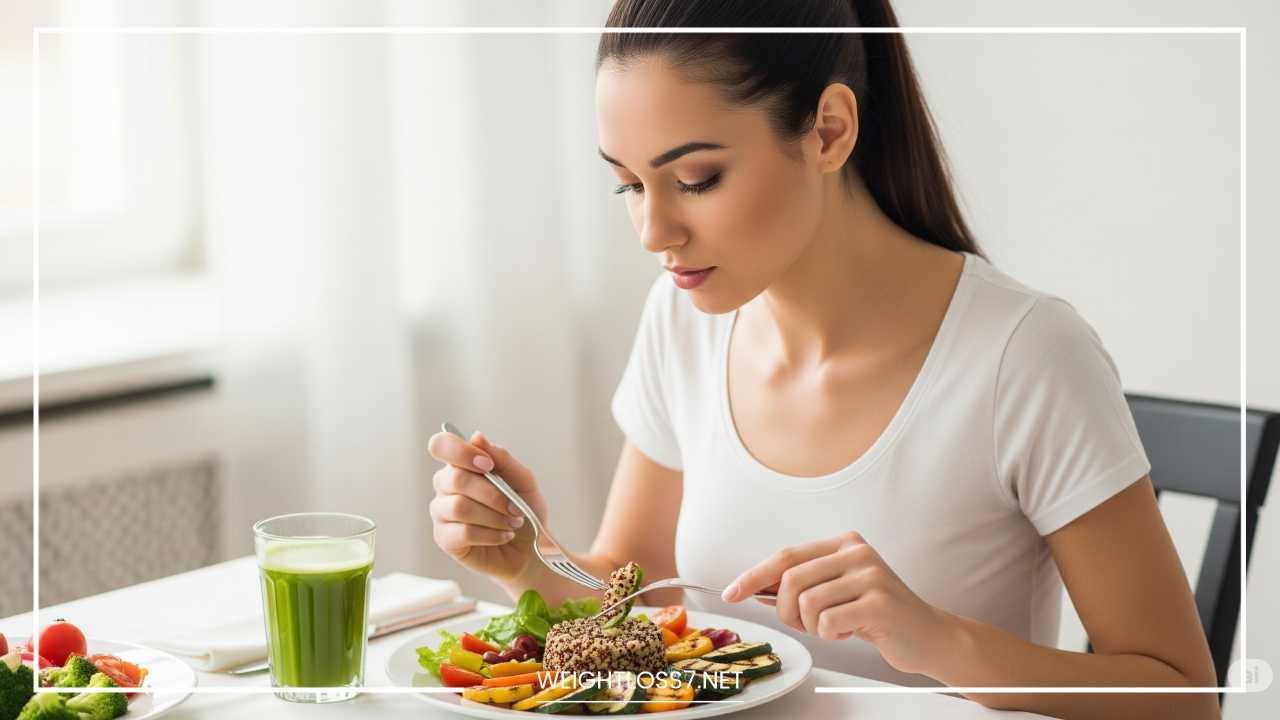
Quickest Way to Lose Fat | Fast & Natural Fat Loss Tips
Redefining Fat Loss
When you hear “quickest way to lose fat,” your mind might jump to extreme diets, endless cardio, or questionable pills. Let’s hit the reset button. True rapid fat loss isn’t about reckless deprivation; it’s about efficiency, intelligence, and a holistic approach that respects your body. This isn’t a guide to crash dieting, which often leads to rebound weight gain and nutrient deficiencies. Instead, we’re focusing on accelerating your body’s natural fat-burning capabilities through healthy, sustainable, and entirely plant-based strategies.
In a world saturated with contradictory advice, it’s easy to get lost. Many common myths persist, such as the idea that you need to eliminate entire food groups (beyond what dietary choices dictate), or that endless hours on a treadmill are the only answer. We’ll debunk these and provide a clear, science-backed roadmap to shedding unwanted fat effectively, focusing on vibrant, whole, plant-based foods that nourish your body while transforming your physique. Get ready to discover a path to a leaner you that feels energizing, not exhausting.
Understand Fat Loss: What Really Works
At its core, fat loss boils down to a simple, yet often misunderstood, principle: a caloric deficit. This means you need to consistently burn more calories than you consume. Your body stores excess energy as fat; to tap into those stores, you must create a shortage. Think of it like balancing a budget: if you spend more than you earn, your savings dwindle. In your body’s case, those “savings” are your fat reserves.
Your metabolism plays a crucial role here. It’s the complex process by which your body converts what you eat and drink into energy. A higher metabolic rate means you burn more calories at rest. Factors like muscle mass, age, genetics, and activity level influence your metabolism. When you’re in a caloric deficit, your body starts to utilize stored fat for energy, leading to fat loss.
Another key player is insulin sensitivity and blood sugar control. Insulin, a hormone, helps shuttle sugar (glucose) from your bloodstream into your cells for energy. When your cells become less responsive to insulin (insulin resistance), your body produces more insulin to compensate, which can promote fat storage, especially around the abdomen. Keeping blood sugar levels stable through diet helps improve insulin sensitivity, making it easier for your body to access and burn fat.
Finally, let’s definitively debunk “spot reduction.” The idea that you can do a thousand crunches to lose belly fat, or arm exercises to target arm fat, is a persistent myth. While you can strengthen specific muscles, your body decides where it loses fat from based on genetics and overall caloric deficit. Consistent effort across your diet and exercise will lead to overall fat loss, and eventually, the areas you’re most concerned about will see improvement.
Nutrition: Fast, Sustainable Fat Loss Without Meat or Eggs
Nutrition is the cornerstone of rapid and sustainable fat loss. Without addressing your eating habits, even the most rigorous exercise routine will struggle to yield significant results. The good news is that a whole, plant-based approach is incredibly effective for fat loss, offering a wealth of nutrient-dense, fiber-rich foods that promote satiety and support a healthy metabolism, all while being completely free of meat and eggs.
A. Whole, Plant-Based Foods: Your Fat Loss Allies
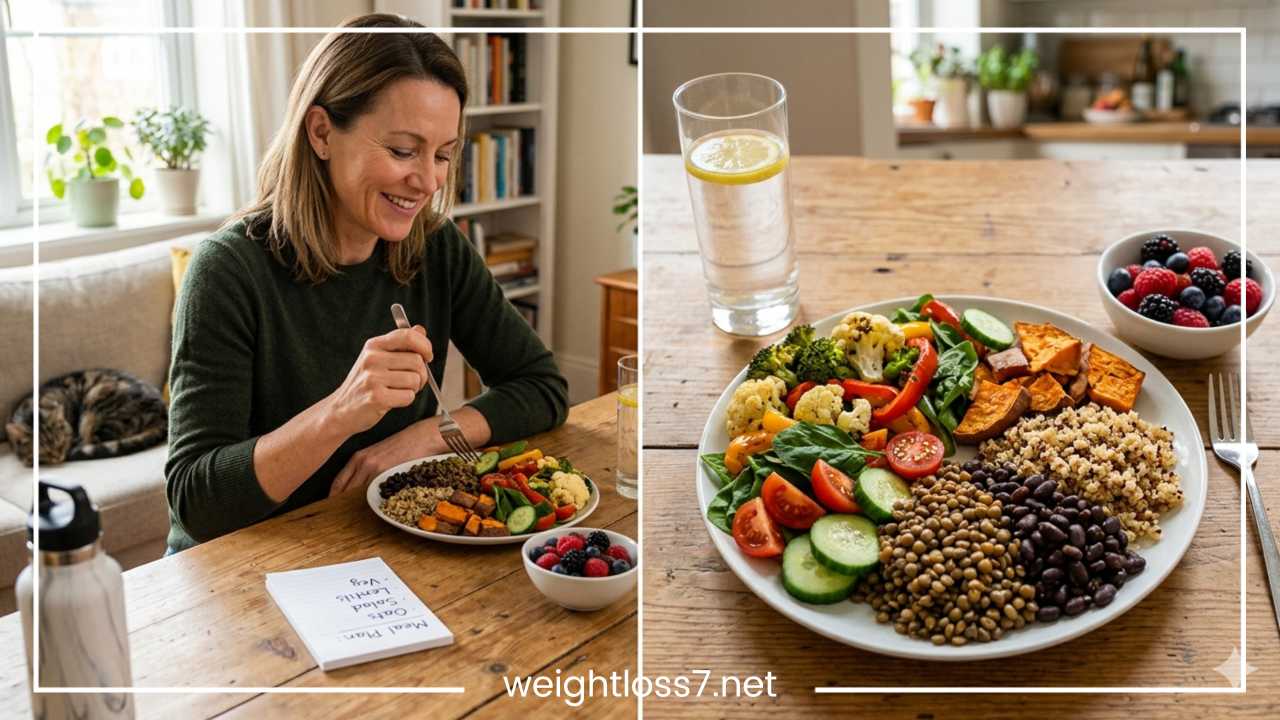
The foundation of this dietary strategy lies in whole, unprocessed plant foods. These are naturally lower in calories by volume, high in fiber, and packed with vitamins and minerals, making them ideal for creating a caloric deficit without feeling deprived.
- Leafy Greens: Spinach, kale, collard greens, romaine, and Swiss chard are incredibly low in calories but high in volume and nutrients. They fill you up without adding significant calories.
- Legumes and Lentils: Beans (black beans, kidney beans, chickpeas), lentils (red, green, brown), and split peas are powerhouses of plant-based protein and fiber. This combination is incredibly satiating, helping to control appetite and reduce overall calorie intake.
- Tofu and Tempeh: These soy-based products are excellent sources of complete plant protein, crucial for maintaining muscle mass during fat loss. They are versatile and can be incorporated into countless dishes.
- Whole Grains: Oats, quinoa, brown rice, farro, and barley provide complex carbohydrates for sustained energy, along with fiber. Prioritize these over refined grains, which can cause blood sugar spikes.
- Nuts and Seeds: While calorie-dense, nuts (almonds, walnuts, pistachios) and seeds (chia, flax, hemp) offer healthy fats, protein, and fiber. Consume them in moderation as a healthy snack or addition to meals.
- Fruits: Berries, apples, pears, citrus fruits, and bananas are rich in vitamins, antioxidants, and fiber. Their natural sweetness can satisfy cravings, and their fiber content aids in satiety.
B. Fat-Burning Foods: Giving Your Metabolism a Gentle Nudge
While no single food can magically melt fat, some plant-based options have properties that can subtly support your fat loss journey.
- Green Tea: Contains catechins, particularly EGCG, which have been shown to temporarily boost metabolism and increase fat oxidation.
- Apple Cider Vinegar (with caution): Some research suggests it may help with blood sugar control and satiety. Always dilute it significantly with water to protect your tooth enamel.
- Chili Peppers (Capsaicin): Found in hot peppers, capsaicin can mildly increase thermogenesis (heat production) and energy expenditure, as well as potentially reduce appetite.
- High-Fiber Vegetables: Beyond their general health benefits, vegetables like broccoli, cauliflower, Brussels sprouts, and artichokes are incredibly filling due to their fiber content, naturally leading to lower calorie consumption.
C. Portion Control & Mindful Eating: The Art of Satisfying Fullness
Even healthy foods can lead to weight gain if consumed in excessive quantities. Portion control is paramount.
- Caloric Density Awareness: Understand that some healthy foods are more calorically dense than others. For example, a large bowl of leafy greens has far fewer calories than a small handful of nuts. Prioritize large portions of low-calorie, high-volume foods.
- Satiety-Focused Meals: Build your meals around a combination of fiber and water-rich foods. Think big salads with a protein source (lentils, tofu), hearty vegetable stews, or stir-fries loaded with veggies. This combination promotes fullness and prevents overeating.
- Mindful Eating: Pay attention to your hunger and fullness cues. Eat slowly, savor each bite, and put your fork down between mouthfuls. Avoid distractions like screens while eating. This practice helps you recognize when you’re truly satisfied, not just “full.”
D. Timing & Frequency: Optimizing Your Eating Window
While the total caloric intake over 24 hours is most critical, strategic timing can support your fat loss goals.
- Intermittent Fasting (IF): Approaches like the 16:8 method (fasting for 16 hours and eating during an 8-hour window) or OMAD (One Meal A Day) can simplify calorie restriction and give your digestive system a break. For example, you might eat between 12 PM and 8 PM daily. Always consult a healthcare professional before starting IF, especially if you have underlying health conditions.
- Avoid Late-Night Eating: Consuming significant calories close to bedtime can interfere with sleep and make fat loss more challenging. Aim to finish your last meal a few hours before you go to bed, allowing for proper digestion.
Exercise: Maximize Fat Burn
While nutrition accounts for the majority of fat loss, strategic exercise is a powerful accelerator. It not only burns calories but also builds muscle, which boosts your resting metabolism, and improves overall health. You don’t need a gym membership or fancy equipment to get started.
A. Best Exercises: Efficient Calorie Burners
- High-Intensity Interval Training (HIIT): This involves short bursts of intense exercise followed by brief recovery periods. Examples include sprinting, burpees, jump squats, or mountain climbers. HIIT is incredibly efficient at burning calories during and after the workout (EPOC – Excess Post-exercise Oxygen Consumption, or “afterburn”). Aim for 20-30 minute sessions, 2-3 times per week.
- Brisk Walking, Running, and Jump Rope: These are accessible and effective cardio exercises. Brisk walking is low-impact and can be done daily. Running and jump rope offer higher intensity for greater calorie burn. Aim for at least 30-60 minutes most days of the week.
- Bodyweight Training: You can build significant strength and burn calories using just your body weight. Exercises like squats, push-ups (on knees or toes), lunges, planks, and glute bridges work multiple muscle groups, contributing to overall calorie expenditure and muscle preservation. Perform 3-4 sessions per week, aiming for 3 sets of 10-15 repetitions for each exercise.
B. Non-Gym Activities: Making Movement Fun
Integrating movement into your daily life outside of structured workouts is key to increasing your overall calorie burn.
- Dancing: A fantastic way to get your heart rate up and have fun. Whether it’s a structured class or just dancing around your living room, it’s effective.
- Stair Climbing: Ditch the elevator or escalator whenever possible. Climbing stairs is an excellent way to elevate your heart rate and work your leg muscles.
- Sports: Joining a local sports league or playing recreational sports like basketball, football, or badminton is a fun way to stay active and burn calories without it feeling like a chore.
- Yoga Flows: While not always high-intensity, dynamic yoga flows can build strength, flexibility, and balance, and contribute to calorie burn, especially if performed vigorously.
- NEAT (Non-Exercise Activity Thermogenesis): This refers to the calories burned through all non-sleeping, non-eating, non-sporting activities. This is where the small daily movements add up. Pacing while on calls, taking frequent stretch breaks, standing more, walking to run errands instead of driving, and gardening are all examples of NEAT that significantly contribute to your daily energy expenditure.
C. Combine Strength + Cardio: The Optimal Approach
For optimal fat loss and body composition, a combination of strength training and cardio is superior to either one alone.
- Benefits of Preserving Muscle Mass: When you lose weight, you want to lose fat, not muscle. Strength training signals to your body that you need your muscles, helping to preserve lean mass even in a caloric deficit. Muscle is metabolically active, meaning it burns more calories at rest than fat, further boosting your metabolism.
- Synergistic Effect: Cardio is excellent for immediate calorie burn, while strength training builds muscle, which enhances long-term metabolic rate. Together, they create a powerful fat-burning environment. Aim for 3-4 strength training sessions and 3-5 cardio sessions per week, adjusting intensity and duration based on your fitness level.
Sleep, Stress, and Hormones
Beyond diet and exercise, two often-overlooked factors profoundly impact your ability to lose fat: sleep and stress. These influence your hormonal balance, which directly dictates how your body stores and utilizes energy.
The importance of 7–9 hours of quality sleep cannot be overstated. When you’re sleep-deprived, your body experiences several detrimental hormonal shifts. Levels of ghrelin, the “hunger hormone,” increase, making you feel hungrier. Simultaneously, levels of leptin, the “satiety hormone,” decrease, meaning you don’t feel full even after eating. This double-whammy can lead to increased calorie intake and difficulty adhering to your fat loss plan. Furthermore, insufficient sleep can impair insulin sensitivity, making your body more prone to storing fat. Prioritize a consistent sleep schedule, create a relaxing bedtime routine, and ensure your bedroom is dark, quiet, and cool.
Cortisol, often called the “stress hormone,” is another critical player. While essential in short bursts for fight-or-flight responses, chronic stress keeps cortisol levels elevated. Persistently high cortisol can promote the accumulation of belly fat by encouraging your body to store fat around your midsection and can also lead to increased cravings for high-calorie, sugary foods. Managing stress is not just about mental well-being; it’s a vital component of fat loss.
Incorporating relaxation techniques into your daily routine can significantly mitigate stress.
- Meditation: Even 5-10 minutes of mindfulness meditation daily can help calm your nervous system and reduce cortisol.
- Deep Breathing Exercises: Simple techniques like diaphragmatic breathing can immediately lower stress levels.
- Nature Walks: Spending time outdoors, especially in green spaces, has been shown to reduce stress and improve mood.
- Yoga or Tai Chi: These practices combine physical movement with mindfulness and breath control, effectively reducing stress.
- Journaling: Writing down your thoughts and feelings can be a powerful way to process stress.
By prioritizing sleep and actively managing stress, you create an optimal internal environment for your body to release stored fat.
Lifestyle Hacks for Rapid Fat Loss
While diet and exercise are primary, numerous daily habits, or lifestyle hacks, can significantly accelerate your fat loss journey. These subtle shifts can add up to substantial results.
- Smart Grocery Shopping: This is where fat loss begins. Make a list and stick to it. Avoid processed snacks and sugary drinks in the aisles. Focus on the perimeter of the store, where fresh produce, whole grains, and plant-based proteins are typically found. Shopping after a meal can also prevent impulsive, hunger-driven purchases.
- Meal Prepping Plant-Based Meals: Dedicate a few hours one day a week to prepare your meals and snacks in advance. This ensures you always have healthy, portion-controlled, plant-based options readily available, reducing the temptation to grab unhealthy takeout or processed foods when hunger strikes. Cook large batches of grains, roast vegetables, prepare lentil or bean dishes, and chop fresh produce.
- Staying Hydrated (Drinking Water Before Meals): Water is your unsung fat-loss hero. It has no calories, helps you feel full, and is essential for metabolic processes. Drink a large glass of water 15-30 minutes before each meal. This can significantly reduce your food intake at that meal. Carry a reusable water bottle with you throughout the day to ensure consistent hydration.
- Avoiding Liquid Calories: This is a common pitfall. Soda, sugary fruit juices, sweetened teas, and excessive smoothies (especially those loaded with fruit and little fiber) can contribute hundreds of hidden calories without providing much satiety. These liquid sugars spike blood sugar and provide little nutritional value. Opt for plain water, unsweetened tea, or naturally flavored water (with lemon, cucumber, or berries) instead. Even healthy-sounding smoothies can be calorie bombs if not carefully constructed; focus on blending whole vegetables, a small amount of fruit, and a plant-based protein source.
Supplements & Natural Boosters (Optional Section)
While a whole-food, plant-based diet combined with exercise is the most effective approach to fat loss, certain natural, plant-based supplements can offer a modest boost when integrated responsibly. This section is optional because supplements are not a substitute for fundamental healthy habits.
- Green Tea Extract: As mentioned, green tea contains catechins that may slightly enhance metabolism and fat oxidation. Green tea extract provides a concentrated dose of these compounds.
- Fiber Supplements: If your dietary fiber intake is consistently low, a supplement like psyllium husk can help. Fiber promotes satiety, aids digestion, and can help regulate blood sugar, all beneficial for fat loss. However, always prioritize getting fiber from whole foods first.
- Vitamin B12 (for Vegans): Vitamin B12 is essential for energy metabolism and is primarily found in animal products. If you follow a strict vegan diet, supplementing with B12 is crucial for overall health and to ensure your metabolic processes are functioning optimally.
- Warning Against Fat Burners and Unverified Pills: Be extremely cautious of products marketed as “miracle fat burners” or “diet pills.” Many are unregulated, ineffective, or worse, contain harmful ingredients. Always consult with a healthcare professional before taking any new supplement, especially if you have underlying health conditions. Focus on a whole-food approach, and consider supplements only as minor supportive aids.
Common Mistakes to Avoid
Even with the best intentions, certain missteps can derail your fat loss efforts. Being aware of these common pitfalls can help you navigate your journey more smoothly.
- Over-relying on Smoothies or Dried Fruits: While smoothies can be healthy, it’s easy to pack in too many calories, especially from fruits. Blending breaks down fiber, which can lead to quicker digestion and less satiety compared to eating whole fruit. Dried fruits are also calorie-dense; a small handful can contain the sugar and calories of several fresh fruits. Prioritize whole fruits and mindful smoothie portions.
- Underestimating Calories from Oil/Nuts: Even healthy fats like olive oil, avocado, and nuts are extremely calorie-dense. A tablespoon of olive oil is roughly 120 calories, and a small handful of almonds can be 170 calories. These calories add up quickly. Measure your oils and nuts, and consume them in moderation.
- All-or-Nothing Mindset: This is a common trap. One “cheat” meal or missed workout shouldn’t derail your entire effort. Don’t let a small slip-up turn into giving up entirely. Progress, not perfection, is the goal. Get back on track with your next meal or workout.
- Skipping Meals and Then Bingeing: While intermittent fasting can be effective, haphazardly skipping meals often backfires. It can lead to extreme hunger, poor food choices, and overeating later in the day. Focus on consistent, balanced plant-based meals that keep you satiated.
Sample 1-Day Plant-Based Fat Loss Meal Plan
This sample plan demonstrates how to structure a day of delicious, satiating, and fat-loss-friendly plant-based meals without relying on meat or eggs. Portions will vary based on individual caloric needs.
-
Breakfast (e.g., 8:00 AM): Chia Pudding with Berries and Almond Milk
- 2-3 tablespoons chia seeds soaked overnight in 1 cup unsweetened almond milk.
- Topped with 1/2 cup mixed berries (strawberries, blueberries) and a sprinkle of chopped walnuts or slivered almonds (small handful).
- Why it works: High in fiber, healthy fats, and plant protein for sustained energy and fullness.
-
Mid-Morning Snack (e.g., 11:00 AM): Handful of Nuts + Green Tea
- A small handful (1/4 cup) of raw almonds or pistachios.
- 1 cup of unsweetened green tea.
- Why it works: Healthy fats and protein to curb hunger, green tea for a metabolic boost.
-
Lunch (e.g., 1:00 PM): Hearty Lentil Soup + Quinoa Salad with Greens
- A large bowl of homemade lentil soup, packed with vegetables like carrots, celery, spinach, and tomatoes.
- Side salad: 1 cup cooked quinoa mixed with leafy greens (kale, spinach), cucumber, bell peppers, and a light lemon-tahini dressing.
- Why it works: Excellent source of plant protein and fiber from lentils and quinoa, high volume from vegetables for satiety.
-
Mid-Afternoon Snack (e.g., 4:00 PM): Veggie Sticks with Hummus
- 1 cup mixed raw veggie sticks (carrot, celery, cucumber, bell peppers).
- 2-3 tablespoons of hummus.
- Why it works: Low-calorie, high-fiber vegetables paired with protein and healthy fats from hummus for a satisfying crunch.
-
Dinner (e.g., 7:00 PM): Stir-fried Tofu with Vegetables + Brown Rice
- 4-5 oz pressed, cubed tofu, stir-fried with a generous mix of colorful vegetables (broccoli, snow peas, mushrooms, bell peppers, bok choy). Use a low-sodium soy sauce or tamari and ginger-garlic sauce.
- 1/2 – 3/4 cup cooked brown rice.
- Why it works: Lean plant protein from tofu, complex carbs from brown rice, and a bounty of nutrients and fiber from the vegetables.
Final Thoughts: Make It a Lifestyle
Achieving rapid fat loss isn’t about fleeting efforts; it’s about establishing consistent habits that seamlessly integrate into your daily life. The “quickest way” isn’t a magical shortcut; it’s a testament to sustained discipline and smart choices. Speed comes from consistency, not extreme, unsustainable measures. Each healthy meal you prepare, every workout you complete, and every good night’s sleep you get contributes cumulatively to your progress.
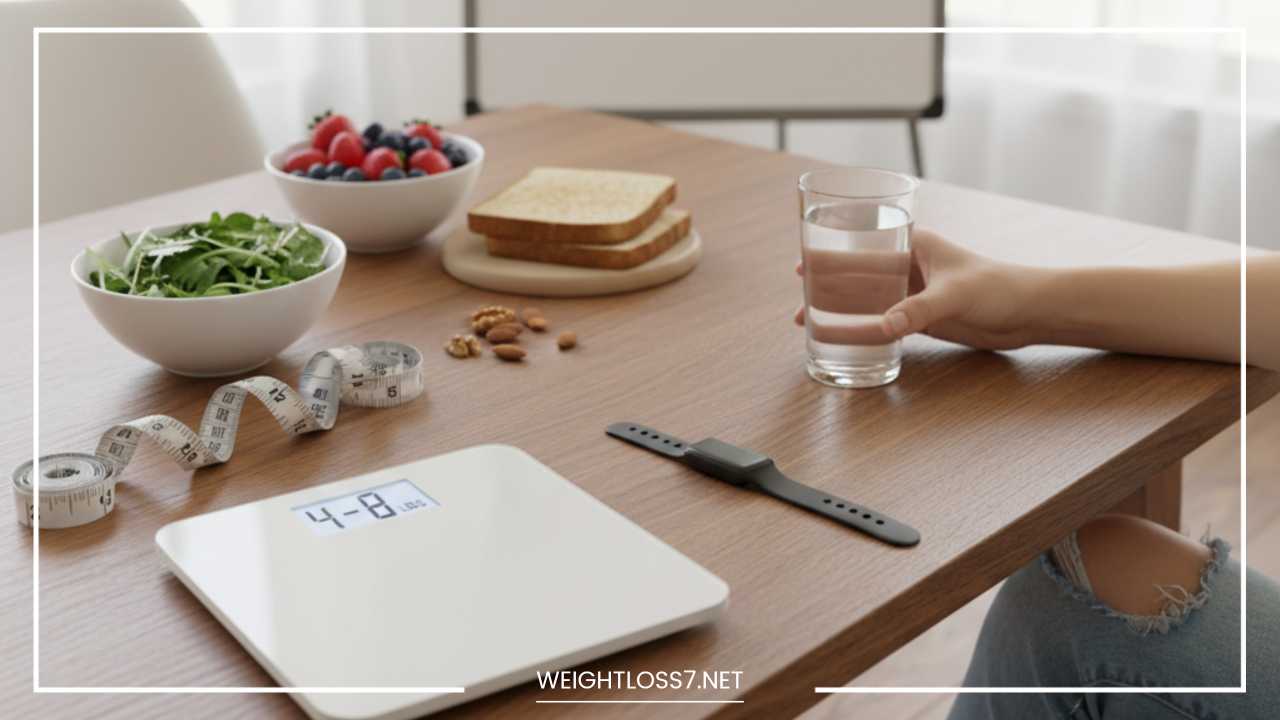
Remember to be kind to your body throughout this journey. Fat loss is rarely linear, and there will be days when you feel less motivated or when the scale doesn’t move as expected. Don’t let these moments define your progress. Instead, learn to track progress weekly, not daily. Focus on non-scale victories like increased energy, better sleep, improved fitness levels, and how your clothes fit.
Celebrate your small wins—hitting a new fitness goal, successfully meal prepping for the week, or choosing a healthy snack over a craving. These victories reinforce positive behaviors and build momentum. Embrace this as a journey of self-improvement and discovery, rather than a punitive diet. By focusing on whole, plant-based foods, consistent movement, adequate sleep, and stress management, you’re not just losing fat; you’re building a healthier, more vibrant, and sustainable lifestyle. What’s one small, positive change you can implement today to kickstart your journey?