Healthy Weight Loss Diet

Healthy Weight Loss Diet | Effective & Sustainable Meal Plans for Fat Loss
A healthy weight loss journey is about more than just shedding pounds quickly; it’s about nurturing your body, enhancing your overall well-being, and building sustainable habits for a vibrant future. In a world saturated with quick fixes and fad diets, it’s easy to get lost in the noise, often leading to unsustainable practices like meal skipping or overly restrictive eating. These approaches can deplete your energy, impact your mood, and ultimately hinder long-term success.
This article champions a healthy, plant-based approach to weight loss—one that’s effective, inclusive, and naturally nourishing for everyone. By focusing on whole, unprocessed plant foods, you can achieve your weight loss goals while enjoying a diverse, flavorful, and incredibly beneficial diet. This isn’t about deprivation; it’s about abundance—filling your plate with nutrient-rich foods that satisfy hunger, boost metabolism, and support your body’s natural functions.
Understanding Weight Loss Basics
At its core, weight loss boils down to a fundamental principle: energy balance. To lose weight, you need to consume fewer calories than your body expends. This is often referred to as “calories in vs. calories out.” While this concept seems simple, many factors influence it, including your metabolism—the rate at which your body converts food into energy. A higher metabolic rate means your body burns more calories, even at rest.
Beyond structured workouts, NEAT (non-exercise activity thermogenesis) plays a significant role. NEAT encompasses all the calories you burn from activities that aren’t formal exercise, such as walking, fidgeting, gardening, or even standing. Increasing your daily NEAT can contribute substantially to your overall calorie expenditure.
For safe and sustainable weight loss, aiming for a gradual reduction is key. A healthy rate is typically 0.5–1 kilogram (1–2 pounds) per week. This pace allows your body to adjust, minimizes muscle loss, and increases the likelihood of keeping the weight off long-term. Rapid weight loss often results in muscle depletion and can be unsustainable, leading to a rebound effect.
Nutritional Principles for Healthy Weight Loss
A well-balanced diet is the cornerstone of healthy weight loss, and understanding the role of different nutrients is crucial.
Macronutrients—carbohydrates, proteins, and fats—are the energy providers your body needs in larger quantities. For weight loss, focusing on the right types and ratios is vital. Complex carbohydrates, found in whole grains, fruits, and vegetables, provide sustained energy and fiber. Proteins are essential for muscle repair and growth, and they also promote satiety, helping you feel fuller for longer. Healthy fats, in moderation, are crucial for hormone production, nutrient absorption, and overall health. A good balance might involve roughly 45-60% carbohydrates, 20-30% protein, and 20-30% healthy fats, but individual needs can vary.
Fiber is a superhero in weight loss. Found abundantly in plant foods, it adds bulk to your meals without adding many calories, aiding in satiety and promoting healthy digestion. It helps regulate blood sugar levels and can lower cholesterol.
Micronutrients—vitamins and minerals—are vital for countless bodily functions. In a meat-free diet, it’s important to ensure adequate intake of nutrients like iron, vitamin B12 (often supplemented in plant-based diets), calcium, vitamin D, and omega-3 fatty acids. A diverse range of whole plant foods typically provides a rich spectrum of these essential nutrients.
Finally, hydration cannot be overstated. Water is involved in every metabolic process, aids in nutrient transport, and can help suppress appetite. Drinking enough water throughout the day is a simple yet powerful tool in your weight loss arsenal.
Top Plant-Based Protein Sources for Weight Loss
For those pursuing a meat-free diet, ensuring adequate protein intake is crucial for satiety, muscle maintenance, and metabolic health. Fortunately, the plant kingdom offers an abundance of excellent protein sources:
-
Legumes: This family includes powerhouses like lentils, chickpeas, black beans, kidney beans, and pinto beans. They are not only rich in protein but also packed with fiber, making them incredibly filling and gut-friendly. Lentil soup, chickpea curries, or black bean burgers are delicious ways to incorporate them.
-
Tofu, Tempeh, and Edamame: These soy-based products are complete proteins, meaning they contain all nine essential amino acids. Tofu is versatile and can be pressed and marinated to absorb flavors, while tempeh (fermented soybeans) has a firmer texture and a nutty flavor. Edamame (young soybeans) are perfect as a snack or added to salads and stir-fries.
-
Whole Grains: While primarily known for carbohydrates, certain whole grains offer a significant protein boost. Quinoa is a complete protein and can be used as a base for meals or in salads. Buckwheat (often used in soba noodles) and oats also contribute to daily protein needs, especially when combined with other protein-rich foods.
-
Nuts and Seeds: These are dense in protein, healthy fats, and fiber. Options like almonds, walnuts, cashews, chia seeds, flaxseeds, and hemp seeds are fantastic additions. However, due to their calorie density, portion control is paramount. A small handful of nuts or a tablespoon or two of seeds can provide a satisfying crunch and nutritional boost without overdoing the calories.
Ideal Foods to Include in a Weight Loss Diet (No Meat or Eggs)
Embracing a plant-based approach to weight loss opens up a world of vibrant, nutrient-dense foods that naturally support your goals. Focus on incorporating these categories generously:
-
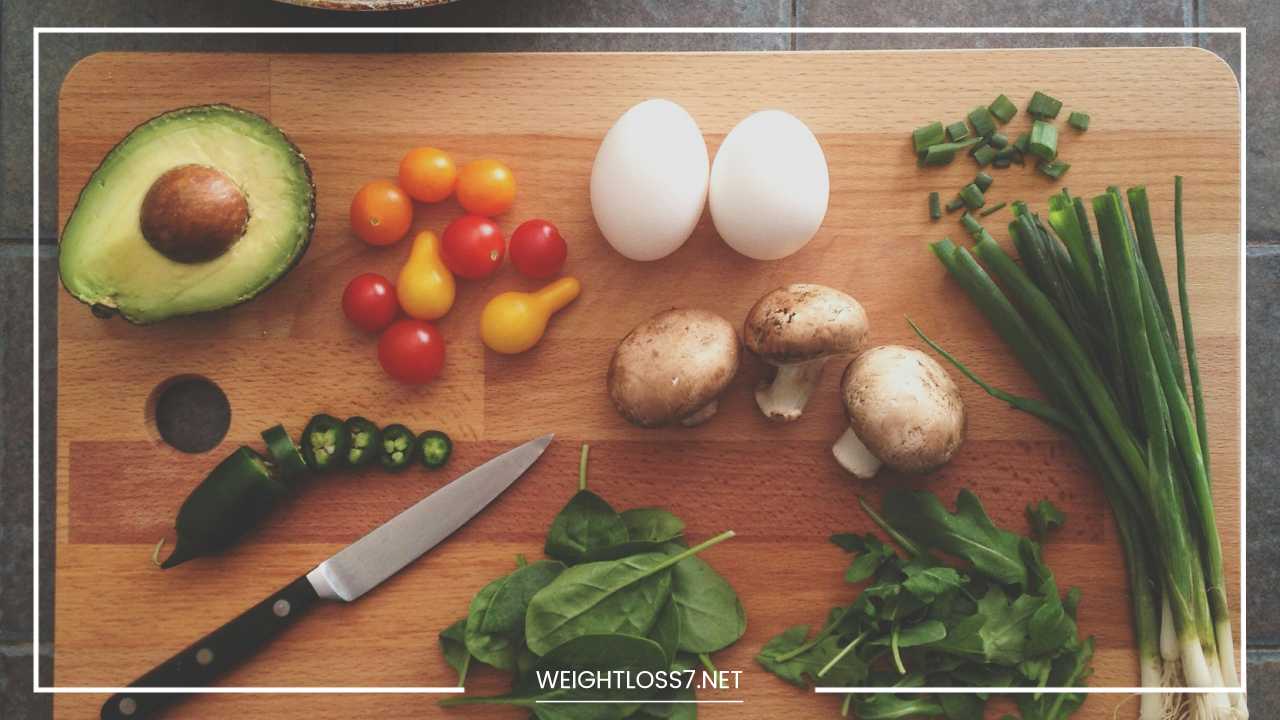
Vegetables: Load up on all kinds of vegetables! Leafy greens like spinach, kale, and collard greens are low in calories but high in fiber, vitamins, and minerals. Cruciferous vegetables such as broccoli, cauliflower, and Brussels sprouts are incredibly satisfying and offer excellent nutritional profiles. Non-starchy vegetables should make up a significant portion of your meals, adding volume and essential nutrients without excessive calories.
-
Fruits: Enjoy a variety of fruits, particularly berries (strawberries, blueberries, raspberries), apples, and citrus fruits (oranges, grapefruits). These are generally lower in glycemic index compared to tropical fruits and are packed with antioxidants and fiber. They make excellent snacks or additions to smoothies and oatmeal.
-
Whole Grains: Opt for unrefined grains over processed ones. Brown rice, oats (rolled or steel-cut), quinoa, millet, and whole-wheat bread/pasta provide sustained energy, essential fiber, and contribute to satiety. These complex carbohydrates prevent rapid blood sugar spikes, which can lead to energy crashes and cravings.
-
Healthy Fats: While fats are calorie-dense, healthy fats are crucial for satiety, nutrient absorption, and overall health. Include sources like avocados, which offer healthy monounsaturated fats and fiber. Olive oil (extra virgin) is excellent for cooking or dressing salads. Flaxseeds and chia seeds provide omega-3 fatty acids, crucial for brain and heart health. Remember to use these in moderation due to their calorie content.
-
Fermented Foods: Support your gut health with foods like kombucha (unsweetened), kimchi, sauerkraut, and plant-based yogurts (unsweetened). A healthy gut microbiome is increasingly linked to better weight management and overall well-being. These foods introduce beneficial probiotics that can aid digestion and nutrient absorption.
Foods to Minimize or Avoid
Just as important as knowing what to include is understanding what to limit or eliminate for effective weight loss. These foods often undermine your efforts by providing empty calories, triggering cravings, or offering little nutritional value:
-
Refined Sugar and Sugary Drinks: This is arguably the biggest culprit in modern diets. Soft drinks, fruit juices (even “100% juice”), sweetened teas, pastries, candies, and many desserts are loaded with added sugars that contribute to weight gain, energy crashes, and increased inflammation. Opt for water, unsweetened tea, or naturally flavored water with fruit slices instead.
-
Ultra-Processed Foods and Snacks: These items, often found in brightly colored packages, are typically high in unhealthy fats, added sugars, sodium, and artificial ingredients. Think chips, crackers, most breakfast cereals, instant noodles, and microwave meals. They are designed to be hyper-palatable, making it easy to overeat, and offer minimal nutritional benefits.
-
High-Sodium or Fried Plant-Based Junk Foods: While this diet emphasizes plant-based foods, it’s crucial to distinguish between whole plant foods and highly processed vegan junk food. Many mock meats, vegan cheeses, and plant-based “fast food” items can be just as high in sodium, unhealthy fats, and calories as their conventional counterparts. Frying adds excessive calories and often unhealthy trans fats.
-
Overeating “Healthy” Calorie-Dense Foods: Even healthy foods can lead to weight gain if consumed in excessive quantities. Nuts, seeds, avocados, dried fruits, nut butters, and oils are all incredibly nutritious but are also very calorie-dense. A handful of nuts is beneficial, but several handfuls can quickly add hundreds of extra calories. Be mindful of portion sizes for these otherwise healthy items.
Sample 7-Day Meat-Free Weight Loss Meal Plan
Here’s a simple, balanced, and delicious plant-based meal plan to kickstart your weight loss journey. This plan focuses on whole, seasonal, and affordable ingredients.
Day 1
- Breakfast: Oatmeal with berries, a sprinkle of chia seeds, and a few chopped almonds.
- Lunch: Large mixed green salad with chickpeas, cucumber, bell peppers, cherry tomatoes, and a lemon-tahini dressing.
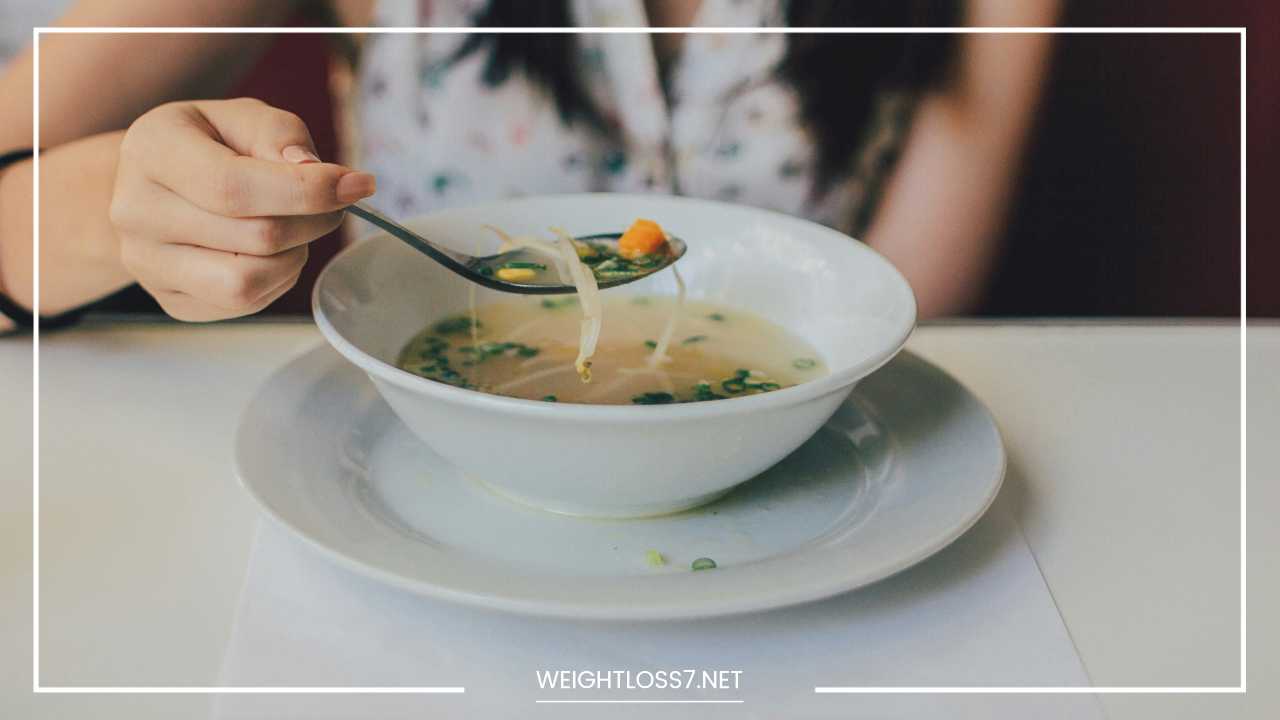
- Dinner: Lentil soup with a side of whole-wheat bread.
- Snack: Apple slices with a tablespoon of peanut butter.
Day 2
- Breakfast: Green smoothie (spinach, banana, plant-based milk, flaxseeds).
- Lunch: Leftover lentil soup.
- Dinner: Quinoa bowl with roasted vegetables (broccoli, sweet potato, bell peppers) and a drizzle of olive oil.
- Snack: Handful of walnuts.
Day 3
- Breakfast: Whole-wheat toast with mashed avocado and a sprinkle of chili flakes.
- Lunch: Black bean and corn salad (black beans, corn, red onion, cilantro, lime juice).
- Dinner: Tofu stir-fry with plenty of mixed vegetables (snap peas, carrots, mushrooms) and brown rice.
- Snack: Orange.
Day 4
- Breakfast: Oatmeal with sliced banana and a tablespoon of sunflower seeds.
- Lunch: Leftover tofu stir-fry and brown rice.
- Dinner: Chickpea and spinach curry with millet.
- Snack: Small bowl of unsweetened plant-based yogurt with berries.
Day 5
- Breakfast: Plant-based protein smoothie (plant-based protein powder, spinach, almond milk, few berries).
- Lunch: Large mixed green salad with edamame, shredded carrots, and a light vinaigrette.
- Dinner: Veggie burger (homemade or low-sodium, whole-grain) on a lettuce wrap with a side salad.
- Snack: Rice cakes with a thin layer of hummus.
Day 6
- Breakfast: Whole-wheat pancakes (plant-based) with fresh fruit and a drizzle of maple syrup (minimal).
- Lunch: Leftover veggie burger salad.
- Dinner: Baked sweet potato topped with black beans, salsa, and a dollop of plant-based sour cream.
- Snack: Handful of almonds.
Day 7
- Breakfast: Tofu scramble with bell peppers and onions.
- Lunch: Lentil and vegetable wrap in a whole-wheat tortilla.
- Dinner: Large bowl of minestrone soup (vegetable-rich) with a small side of whole-grain crackers.
- Snack: Cucumber slices with hummus.
Optional: You might consider incorporating intermittent fasting (e.g., 14/10 or 16/8 window) into this plan, where you consume all your meals within a specific eating window each day. This can help with calorie control and provide metabolic benefits, but it’s important to listen to your body and ensure you’re still meeting your nutritional needs.
Lifestyle Tips to Support Weight Loss Naturally
Weight loss is a holistic endeavor, and sustainable results come from integrating healthy habits into your daily life.
-
Mindful Eating and Portion Control: Slow down when you eat. Pay attention to your body’s hunger and fullness cues. Avoid distractions like screens while eating. Serve meals on smaller plates to help with portion control, and chew your food thoroughly to aid digestion and signal fullness.
-
Sleep Quality and Stress Management: Lack of sleep and chronic stress can significantly impact your weight. Poor sleep disrupts hormones that regulate appetite, leading to increased cravings for unhealthy foods. Stress can elevate cortisol, a hormone linked to belly fat storage. Prioritize 7-9 hours of quality sleep and incorporate stress-reducing activities like meditation, yoga, or spending time in nature.
-
Regular Physical Activity: You don’t need to live at the gym. Incorporate consistent movement into your day. Daily walks, cycling, swimming, yoga, or bodyweight exercises (like squats, lunges, push-ups) can make a huge difference. Aim for at least 30 minutes of moderate-intensity activity most days of the week. Find activities you enjoy to ensure long-term adherence.
-
Staying Consistent and Tracking Progress: Consistency is more important than perfection. Don’t get discouraged by occasional slip-ups; simply get back on track. Consider tracking your food intake for a few days to become aware of your eating patterns, and monitor your weight regularly (e.g., once a week at the same time) to observe trends, not just daily fluctuations. Celebrate small victories to stay motivated.
Common Pitfalls and Myths about Plant-Based Weight Loss
While a plant-based diet offers incredible advantages for weight loss, it’s not without its potential pitfalls and common misconceptions:
-
Myth: “Plant-based automatically means low-calorie.” This is a significant misconception. While many whole plant foods are indeed low in calories and high in nutrients, many plant-based foods are calorie-dense. As mentioned earlier, nuts, seeds, avocados, dried fruits, and healthy oils are all healthy, but their calories add up quickly if portions aren’t managed. Overconsuming these can hinder weight loss just as much as unhealthy foods.
-
Mistake: Relying on Mock Meats or Vegan Junk Food. The market for plant-based alternatives has exploded, offering everything from vegan burgers and sausages to dairy-free ice cream and cheese. While convenient, many of these highly processed mock meats and vegan junk foods are loaded with sodium, unhealthy fats, and refined ingredients. They often lack the fiber and micronutrients found in whole plant foods and can contribute to weight gain rather than loss. Focus on minimally processed, whole-food plant-based meals.
-
Mistake: Skipping Meals or Under-eating. In an attempt to lose weight quickly, some individuals might drastically cut calories or skip meals. This can backfire by slowing down your metabolism, leading to nutrient deficiencies, and causing intense cravings that often result in overeating later. Instead, focus on eating regular, balanced meals that provide adequate nutrition and keep you feeling satisfied. Healthy weight loss is about nourishing your body, not depriving it.
Final Thoughts: The Power of a Balanced, Plant-Based Approach
Embarking on a healthy weight loss diet built on whole, plant-based foods is a powerful step towards a healthier, more vibrant you. This approach is not about temporary restrictions; it’s about fostering a sustainable, inclusive, and deeply nourishing lifestyle. By prioritizing nutrient-dense vegetables, fruits, whole grains, and lean plant proteins, you can effectively manage your weight, enhance your energy levels, and significantly improve your overall well-being.
The benefits extend beyond the number on the scale. You’ll likely experience improved digestion, clearer skin, better mood, and a reduced risk of chronic diseases. This journey is about embracing abundance—filling your plate with delicious, satisfying foods that truly fuel your body. Remember, consistency and patience are your greatest allies. By making small, actionable changes over time, you can achieve lasting results and discover the profound power of a balanced, natural approach to health.
What small, plant-based change will you make today to begin your healthy weight loss journey?