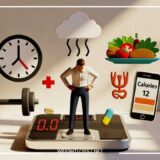
What’s the Best Way to Lose Weight in a Month?


What’s the Best Way to Lose Weight in a Month? | Effective Weight Loss Tips
The desire to transform our bodies and improve our health often comes with a sense of urgency. We envision a leaner, more energetic self, and for many, a one-month timeframe feels like an achievable first step. But what’s truly the “best way” to approach weight loss within this concentrated period? It’s not about quick fixes or extreme measures that leave you feeling depleted. Instead, it’s about establishing a foundation of sustainable, health-promoting habits that can kickstart your journey and set you up for lasting success.
In just a month, a healthy and realistic weight loss goal typically ranges from 4 to 8 pounds. This allows your body to adjust without undue stress and minimizes the risk of losing vital muscle mass. While the goal is a month-long sprint, the mindset you cultivate must be for a marathon. The habits you build now are the ones that will carry you forward. Remember, individual results can vary significantly due to factors like age, gender, metabolism, and any existing medical conditions. What works for one person in Vapi might need slight adjustments for another. This article will guide you through a holistic approach, focusing on actionable strategies that prioritize your well-being above all else.
Understanding How Weight Loss Works
At its core, weight loss is a relatively straightforward equation: you need to consume fewer calories than your body expends. This is known as creating a calorie deficit. Your body requires a certain amount of energy (calories) to perform all its functions, from breathing and thinking to walking and exercising. When you consistently provide less energy than it needs, your body taps into its stored energy reserves, primarily fat, leading to weight loss.
Your metabolism plays a crucial role in this process. Metabolism refers to all the chemical processes that occur within your body to maintain life. A faster metabolism generally means your body burns more calories at rest. Factors like age, genetics, body size, and muscle mass all influence your metabolic rate. While you can’t drastically change your genetics, building and maintaining lean muscle mass can significantly boost your resting metabolism, making weight management easier.
It’s also important to understand the difference between fat loss and weight loss. When you step on the scale, it measures your total body weight, which includes muscle, fat, bone, and water. True progress in weight loss focuses on fat loss while preserving or even building lean muscle mass. Drastic calorie restriction often leads to the loss of both fat and muscle, which can be counterproductive in the long run, slowing down your metabolism and making it harder to keep the weight off. This is why a balanced approach focusing on sustainable habits is far superior to extreme, restrictive diets.
Setting Realistic, Achievable Goals
Embarking on a weight loss journey, especially with a one-month timeline, requires clear and focused goals. Without them, it’s easy to feel lost or discouraged. The most effective goals are SMART: Specific, Measurable, Achievable, Relevant, and Time-bound.
- Specific: Instead of “I want to lose weight,” try “I want to lose 6 pounds this month.
- Measurable: How will you track your progress? “I will weigh myself once a week and track my waist measurement.”
- Achievable: Is your goal realistic for a month? Losing 4-8 pounds is achievable; aiming for 20 pounds is likely not and can lead to unhealthy practices.
- Relevant: Does this goal align with your broader health and wellness aspirations? “Losing weight will improve my energy levels and reduce joint discomfort.
- Time-bound: You’ve already set a one-month deadline, which is perfect.
An example of a SMART goal for the month could be: “I want to lose 6 pounds this month by exercising 4 times a week for 45 minutes and limiting processed snacks to just one serving per day.” This goal is clear, has actionable steps, and a defined endpoint.
Tracking your progress is vital for staying motivated. Don’t just rely on the scale. Consider these metrics:
- Weight: Weigh yourself once a week, at the same time, under similar conditions (e.g., first thing in the morning).
- Measurements: Use a measuring tape to track your waist, hips, and other areas. Often, even if the scale doesn’t move much, you’ll see changes in your body shape.
- Energy Levels: Notice if you feel more energetic throughout the day.
- Mood: Pay attention to improvements in your overall mood and mental clarity.
- Clothing Fit: How do your clothes feel? This is often one of the most encouraging indicators of progress.
Remember, progress isn’t always linear. There will be fluctuations, and that’s perfectly normal. The key is to stay consistent and not get discouraged by minor plateaus.
Nutrition Strategies for Healthy Weight Loss
Nutrition is arguably the most critical component of weight loss. While we’re avoiding specific diet labels, the focus here is on wholesome, balanced eating that fuels your body and supports fat loss.
1. Portion Control & Mindful Eating
Many people underestimate how much they truly eat. Portion control isn’t about deprivation; it’s about understanding appropriate serving sizes and listening to your body’s hunger and fullness cues.
- Use smaller plates: This simple trick can make a modest portion look more substantial.
- Read labels: Familiarize yourself with standard serving sizes.
- Listen to your body: Eat slowly and pay attention to your hunger and satiety signals. Stop when you feel satisfied, not uncomfortably full. It takes about 20 minutes for your brain to register fullness.
- Avoid distracted eating: Eating while watching TV, working, or scrolling on your phone can lead to mindless overconsumption. Sit at a table, focus on your food, savor the flavors, and truly enjoy your meal.
2. Balanced Meals
For sustainable weight loss, your meals should be balanced, providing a good mix of nutrients.
- Fiber-rich carbohydrates: These are your body’s preferred energy source and crucial for digestive health. Opt for whole grains like oats, brown rice, quinoa, and whole wheat roti. Legumes such as lentils and beans are excellent sources, as are a wide variety of fruits and vegetables. These foods provide sustained energy and help you feel full longer.
- Healthy fats: Don’t fear fats! Healthy fats are essential for hormone production, nutrient absorption, and satiety. Incorporate sources like nuts (almonds, walnuts), seeds (chia, flax, sunflower), avocados, and healthy oils like olive oil or groundnut oil, commonly used in Vapi kitchens.
- Protein sources: Protein is vital for building and repairing tissues, and it’s incredibly satiating, helping to reduce cravings. Excellent sources include lentils, beans, chickpeas, tofu, paneer, and various protein powders. If you consume dairy, yogurt and milk are also good options. Aim to include a protein source with every meal.
- The importance of hydration: Often overlooked, staying well-hydrated is crucial for weight loss. Water helps with metabolism, can suppress appetite (sometimes thirst is mistaken for hunger), and aids in nutrient transport. Aim for at least 8-10 glasses of water per day. Keep a water bottle handy throughout the day.
3. Reducing Added Sugars & Ultra-Processed Foods
This is perhaps one of the most impactful changes you can make. Added sugars provide empty calories, spike blood sugar, and contribute to cravings and fat storage. Ultra-processed foods (like many packaged snacks, instant meals, and sugary beverages) are often high in unhealthy fats, sodium, and refined carbohydrates, making them calorie-dense but nutrient-poor.
- Identify hidden sugars: Sugars are often found in unexpected places like sauces, dressings, and even “healthy” granola bars. Read food labels carefully.
- Easy swaps: Instead of sugary sodas, choose plain water, infused water with fruit slices, or unsweetened tea. Swap processed chips for a handful of nuts or seeds. Replace sugary desserts with fresh fruit or a small bowl of yogurt. Instead of instant noodles, opt for a quick homemade vegetable stir-fry with brown rice.
- Cook more at home: Preparing your own meals gives you complete control over ingredients, allowing you to reduce hidden sugars, unhealthy fats, and excessive sodium.
Physical Activity: Move More, Burn More
While nutrition lays the groundwork, physical activity accelerates weight loss, improves body composition, and boosts overall health. It’s not just about burning calories; it’s about building strength, improving cardiovascular health, and enhancing your mood.
1. Why Exercise Supports Weight Loss
- Boosts calorie burn: Any physical activity burns calories, contributing to your calorie deficit.
- Increases metabolism: Regular exercise, especially strength training, helps build and maintain muscle mass. Muscle tissue burns more calories at rest than fat tissue, meaning a more muscular body has a higher resting metabolic rate.
- Preserves lean muscle mass: During weight loss, there’s always a risk of losing muscle along with fat. Exercise, particularly strength training, helps signal to your body to hold onto that valuable muscle.
- Improves insulin sensitivity: Exercise helps your body use insulin more efficiently, which is beneficial for blood sugar control and fat storage.
- Reduces stress: Physical activity is a powerful stress reliever, helping to curb emotional eating.
2. Best Workouts for a 1-Month Plan
For a one-month plan, a balanced approach combining cardiovascular exercise and strength training is ideal.
- Cardio (Aerobic Exercise): This elevates your heart rate and burns a significant number of calories.
- Walking: Accessible to almost everyone. Start with brisk walks around your neighborhood in Vapi or a local park.
- Cycling: Whether on a stationary bike or outdoors, cycling is great for cardiovascular fitness and easy on the joints.
- Swimming: A full-body workout that’s low impact and excellent for endurance.
- Dancing: A fun way to get your heart rate up and burn calories. Join a class or simply dance at home.
- Strength Training: Essential for building and preserving muscle mass, which boosts metabolism.
- Bodyweight exercises: Push-ups, squats, lunges, planks, crunches. These require no equipment and can be done anywhere.
- Resistance bands: Affordable and versatile, resistance bands can add challenge to bodyweight exercises.
- Light weights: If you have access to dumbbells or can use water bottles or filled bags, incorporating light weights can further enhance muscle building. Focus on compound movements that work multiple muscle groups.
- HIIT (High-Intensity Interval Training): For those with a good baseline fitness level, HIIT can be incredibly effective. It involves short bursts of intense exercise followed by brief recovery periods. (e.g., 30 seconds of jumping jacks, 30 seconds rest, repeat). This burns a lot of calories in a shorter time and creates an “afterburn” effect, where your body continues to burn calories at an elevated rate post-workout.
- Stretching & recovery: Don’t forget to warm up before and cool down after your workouts. Include stretching to maintain flexibility and prevent injuries. Rest days are equally important, allowing your muscles to repair and grow stronger.
3. Activity Goals
Aim for the CDC recommended guidelines of 150–300 minutes per week of moderate-intensity exercise, or 75–150 minutes of vigorous-intensity exercise. This could look like 30-45 minutes of moderate exercise 4-5 times a week.
Beyond structured workouts, integrate more everyday movement into your life. Take the stairs instead of the elevator. Walk to nearby shops instead of driving. Do some active housework. Even small increases in daily activity can add up and contribute to your overall calorie expenditure.
Sleep, Stress, and Their Impact on Weight
Weight loss isn’t solely about diet and exercise; your lifestyle factors, particularly sleep and stress, play a significant and often underestimated role.
1. Sleep
The link between poor sleep and weight gain is well-established. When you don’t get enough quality sleep:
- Hormonal imbalance: Your body produces more ghrelin (a hunger-stimulating hormone) and less leptin (a satiety hormone), leading to increased appetite and cravings, especially for high-calorie, sugary foods.
- Increased cortisol: Lack of sleep elevates cortisol, the stress hormone, which can promote fat storage, particularly around the abdomen.
- Reduced energy: You’re less likely to have the energy or motivation to exercise and make healthy food choices.
- Impaired glucose metabolism: Poor sleep can lead to insulin resistance, making it harder for your body to regulate blood sugar.
Tips for better sleep:
- Consistent schedule: Go to bed and wake up at roughly the same time every day, even on weekends.
- Create a relaxing bedtime routine: This could include a warm bath, reading, or gentle stretching.
- Limit screen time before bed: The blue light emitted from phones, tablets, and computers can disrupt melatonin production, a hormone that regulates sleep.
- Optimize your sleep environment: Keep your bedroom dark, quiet, and cool.
- Avoid caffeine and heavy meals close to bedtime.
2. Stress
Chronic stress is another major contributor to weight gain and can sabotage your weight loss efforts.
- Emotional eating: Many people turn to food for comfort when stressed, leading to overconsumption of unhealthy items.
- Cortisol connection: Persistent stress keeps cortisol levels elevated. As mentioned, high cortisol levels encourage fat storage, especially visceral fat (the dangerous fat around your organs).
- Reduced willpower: When you’re stressed, your willpower often diminishes, making it harder to stick to your healthy eating and exercise plans.
Healthy stress relief strategies:
- Mindfulness and meditation: Even a few minutes of meditation or deep breathing exercises daily can significantly reduce stress.
- Journaling: Writing down your thoughts and feelings can help process stress and gain perspective.
- Physical activity: Exercise is a fantastic stress reducer, releasing endorphins that have mood-boosting effects.
- Spending time in nature: A walk in a park or by the sea can be incredibly calming.
- Connect with loved ones: Social support is a powerful buffer against stress.
- Practice hobbies: Engage in activities you enjoy to take your mind off stressors.
Building Healthy Habits that Last
While the one-month goal provides a fantastic starting point, the real secret to long-term success lies in transforming temporary actions into enduring habits. Motivation waxes and wanes, but habits, once ingrained, operate on autopilot.
- Why habits > motivation: Think about brushing your teeth. You don’t need motivation to do it; it’s a deeply ingrained habit. The goal is to make healthy eating and regular exercise just as automatic.
- Habit stacking: This technique involves “stacking” a new habit onto an existing one. For example: “After I finish my morning tea, I will drink a large glass of water.” Or, “Before I sit down to watch TV, I will do 10 squats.” This leverages existing routines to build new ones.
- Keeping a journal or tracker: Documenting your food intake, exercise, sleep, and even your mood can provide valuable insights and keep you accountable. Apps and physical journals are both effective tools. Seeing your progress in black and white can be incredibly motivating.
- Social support: You don’t have to go it alone. Share your goals with friends or family members who can offer encouragement and accountability. Join a local walking group or an online community. Having people who understand and support your journey can make a huge difference, especially during challenging times.
- Dealing with setbacks without guilt: There will be days when you overeat, miss a workout, or feel discouraged. This is a normal part of any journey. The key is not to let one setback derail your entire progress. Avoid “all-or-nothing” thinking. Instead of feeling guilty, acknowledge the slip, learn from it, and get back on track with your next meal or next opportunity to move. One unhealthy meal doesn’t erase weeks of healthy choices.
Common Mistakes to Avoid
The path to weight loss is often littered with common pitfalls that can hinder progress and lead to frustration. Being aware of these can help you navigate your one-month journey more effectively.
- Skipping meals or eating too little: While a calorie deficit is essential, extreme restriction can be counterproductive. It slows your metabolism, leads to nutrient deficiencies, triggers intense cravings, and often results in binge eating. Your body goes into “starvation mode,” trying to conserve energy.
- Relying on fad diets or “detoxes”: Be wary of anything promising rapid, effortless weight loss, especially if it involves expensive supplements or highly restrictive food lists. These often lead to temporary water weight loss, are unsustainable, and can be harmful to your health. A “detox” is largely unnecessary; your liver and kidneys are incredibly efficient at detoxifying your body naturally.
- Over-exercising without rest: While exercise is crucial, more is not always better. Pushing your body too hard without adequate rest can lead to injury, burnout, fatigue, and even elevate stress hormones, making weight loss harder. Listen to your body and prioritize rest and recovery days.
- All-or-nothing thinking: perfectionism leads to burnout: The idea that you must be perfectly adherent to your plan 100% of the time is a recipe for disaster. Life happens. There will be birthday parties, festivals, and unexpected events. Strive for consistency, not perfection. A small deviation doesn’t mean you’ve failed; it means you’re human. Get back on track at your next opportunity without dwelling on it.
Final Thoughts: Making the Month Count
Embarking on a one-month weight loss journey is a fantastic way to ignite positive change in your life. By focusing on the strategies outlined – understanding the science of weight loss, setting realistic SMART goals, adopting balanced nutrition, integrating consistent physical activity, prioritizing sleep, and managing stress – you are not just chasing a number on the scale; you are investing in your overall health and well-being.
Remember, this month is a stepping stone. While seeing tangible results can be incredibly motivating, the true victory lies in the healthy habits you establish. These habits are the foundation for long-term success, far beyond the initial 30 days. Don’t just aim for weight loss; aim for a healthier, more energetic you. Celebrate small victories, be kind to yourself through setbacks, and keep moving forward. Your body and mind will thank you for it.
Sample 1-Day Meal Plan
Here’s an example of what a day of balanced eating could look like, keeping in mind the principles of whole foods, fiber, healthy fats, and good protein sources, without specific labels:
Morning (Breakfast):
- A bowl of oats cooked with water or milk, topped with a handful of mixed berries (strawberries, blueberries), a sprinkle of chopped almonds, and a dash of cinnamon.
- A glass of water.
Mid-Morning Snack:
- One whole fruit, such as an apple or a banana.
- A small handful of mixed seeds (e.g., pumpkin, sunflower, flax).
Afternoon (Lunch):
- A large mixed vegetable salad with a variety of colorful vegetables (cucumber, carrots, tomatoes, bell peppers, spinach, sprouts).
- A serving of lentil curry (dal) or chickpea curry, alongside a small portion of brown rice or one whole wheat roti.
- A small bowl of yogurt (if consumed).
- Plenty of water.
Evening Snack:
- A small bowl of roasted makhana (fox nuts) or a few cubes of paneer.
- Unsweetened green tea.
Night (Dinner):
- A hearty vegetable and tofu stir-fry, made with plenty of fresh vegetables (broccoli, cabbage, mushrooms, peas) and a light, healthy sauce.
- Served with a moderate portion of quinoa or millets.
- A glass of water.
This plan emphasizes nutrient density, fiber, and protein to keep you feeling full and satisfied throughout the day. Remember to adjust portion sizes based on your individual energy needs and hunger levels.
1-Month Workout Plan Template
This template offers a balanced approach, incorporating cardio, strength, and rest days. Adjust intensity and duration based on your current fitness level.
Week 1: Building Foundation
- Day 1: Moderate Cardio (30 min – brisk walking, cycling) + 15 min Bodyweight Strength (Squats, Lunges, Push-ups on knees, Plank)
- Day 2: Rest or Active Recovery (20 min gentle walk, stretching)
- Day 3: Moderate Cardio (30 min) + 15 min Bodyweight Strength
- Day 4: Rest
- Day 5: Moderate Cardio (40 min)
- Day 6: 20 min Bodyweight Strength (focus on core and glutes)
- Day 7: Rest
Week 2: Increasing Intensity
- Day 1: Moderate Cardio (35 min) + 20 min Bodyweight Strength (add more reps/sets, or try harder variations)
- Day 2: Rest or Active Recovery
- Day 3: Moderate Cardio (35 min) + 20 min Bodyweight Strength
- Day 4: Rest
- Day 5: Moderate Cardio (45 min) or try light intervals (e.g., 1 min fast walk, 2 min moderate walk, repeat)
- Day 6: 25 min Bodyweight Strength (full body focus)
- Day 7: Rest
Week 3: Challenging Yourself
- Day 1: Cardio (40 min – include some intervals if possible) + 25 min Strength (consider adding resistance bands or light weights if available)
- Day 2: Rest or Active Recovery
- Day 3: Cardio (40 min – include some intervals) + 25 min Strength
- Day 4: Rest
- Day 5: Cardio (50 min) or try HIIT (20-25 min, if ready)
- Day 6: 30 min Strength (focus on compound movements)
- Day 7: Rest
Week 4: Sustaining & Refining
- Day 1: Cardio (30-40 min, maintaining intensity) + 20 min Strength
- Day 2: Rest or Active Recovery
- Day 3: Cardio (30-40 min) + 20 min Strength
- Day 4: Rest
- Day 5: Your favorite cardio workout (45-60 min) or HIIT session
- Day 6: 25-30 min Full Body Strength
- Day 7: Rest & reflect on your progress!
Remember to warm up for 5-10 minutes before each workout and cool down/stretch for 5-10 minutes afterward. Listen to your body, and don’t hesitate to take an extra rest day if needed.
FAQs: Answering Your Common Questions
Q: Can I really lose belly fat in a month? A: You cannot “spot reduce” fat from specific areas like your belly. When you lose weight, you lose fat from all over your body. However, as you reduce overall body fat through a calorie deficit and exercise, belly fat (especially visceral fat) is often one of the first areas to show improvement. Focusing on a healthy diet, regular exercise, and stress reduction will naturally lead to a reduction in belly fat over time.
Q: Do I need supplements to lose weight in a month? A: For most healthy individuals, supplements are not necessary for weight loss, especially within a one-month timeframe. A balanced diet provides all the essential nutrients. Focus on whole foods first. If you have specific dietary restrictions or nutrient deficiencies, consult with a healthcare professional before considering supplements.
Q: What if I don’t see results on the scale? A: Don’t get discouraged! The scale is just one metric. Your body composition might be changing (losing fat, gaining muscle), which doesn’t always show up as a significant drop in weight. Keep track of your measurements, how your clothes fit, your energy levels, and overall well-being. These are often better indicators of true progress. Water retention can also cause daily fluctuations on the scale.
Q: How do I handle cravings? A: Cravings are normal. First, ensure you’re drinking enough water, as thirst can sometimes be mistaken for hunger. If you’re genuinely hungry, opt for a healthy snack like fruit, nuts, or yogurt. If it’s an emotional craving, try to identify the underlying emotion and address it with a non-food activity like a quick walk, talking to a friend, or engaging in a hobby. Allowing yourself a small, controlled portion of a craving-inducing food occasionally can also prevent it from becoming an overwhelming urge.
Q: Is it okay to eat out while trying to lose weight? A: Yes, absolutely! Eating out is a part of life. The key is to make smart choices. Look for options that are grilled, baked, or steamed rather than fried. Opt for dishes with plenty of vegetables. Ask for sauces and dressings on the side so you can control the portion. Avoid sugary beverages and excessive bread or fried appetizers. Most restaurants offer healthier choices if you look for them. For example, in Vapi, choose a plain dal and roti over a heavily buttered dish with rich gravy.