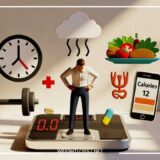
What Can Help Me Lose Weight


What Can Help Me Lose Weight | Practical, Sustainable Tips for Healthy Weight Loss
Losing weight can feel like a daunting challenge, a goal that seems just out of reach. We’re bombarded with quick-fix solutions, miracle diets, and intense workout programs that promise rapid results. However, the truth is that sustainable, healthy weight loss isn’t about a single magic bullet. It’s a journey built on a combination of factors—a holistic approach that integrates mindful eating, physical activity, rest, and emotional well-being.
This article won’t offer a secret formula or a restrictive plan. Instead, it will provide a universal, lifestyle-based guide to help you understand the fundamental principles of weight management. We’ll explore practical strategies you can apply to your daily life, focusing on building long-lasting habits that not only help you reach a healthy weight but also improve your overall quality of life.
Understanding Weight Loss Basics
Before we dive into the “how,” it’s crucial to understand the “why” behind weight loss. The fundamental principle is rooted in a concept called energy balance.
Calories and Energy Balance
At its core, weight loss is a simple equation: calories in versus calories out. A calorie is a unit of energy. The food and drinks you consume provide your body with energy (calories in), while your body uses that energy to function (calories out). This includes everything from breathing and digesting food to exercising and thinking.
When you consume more calories than your body burns, the excess energy is stored, often as fat, leading to weight gain. Conversely, when you consistently burn more calories than you consume, your body taps into its stored energy, leading to weight loss. This is known as a calorie deficit.
Your metabolism plays a crucial role in this process. Metabolism is the set of chemical reactions that keep your body alive and functioning. It determines how efficiently your body converts food into energy. Factors like age, genetics, body size, and muscle mass all influence your metabolic rate. While you can’t drastically change your genetic predisposition, you can influence your metabolism through exercise, particularly by building muscle.
Why Crash Diets Don’t Work
The appeal of crash diets is undeniable—they promise fast results with minimal effort. However, these diets often involve extreme calorie restriction or the elimination of entire food groups. While they may lead to initial weight loss, this is often due to water loss and muscle mass reduction, not fat loss.
The problem with crash diets is their lack of long-term sustainability. They can be mentally and physically draining, leading to nutrient deficiencies, fatigue, and a loss of muscle mass, which further slows your metabolism. When the diet inevitably ends, people often revert to old eating habits, and the weight returns, sometimes even more than before. This cycle, known as yo-yo dieting, can be harmful to your physical and mental health. The key to lasting success is a balanced, flexible approach that you can maintain indefinitely.
Set Realistic Goals
Losing weight is a marathon, not a sprint. Setting realistic goals is essential for staying motivated and preventing burnout. A safe and sustainable rate of weight loss is generally considered to be around 0.5 to 1 kilogram (1 to 2 pounds) per week. This rate allows you to lose fat while preserving muscle mass and developing healthy habits that will serve you for a lifetime.
Focus on a modest, steady pace rather than an aggressive one. Celebrate small victories, like consistently eating a healthy breakfast or fitting into a favorite pair of jeans. These small successes build momentum and confidence, making the entire journey more manageable and enjoyable.
Healthy Eating Habits
Sustainable weight loss is profoundly influenced by what you eat and, just as importantly, how you eat. This isn’t about deprivation but about making smarter, more conscious choices.
Portion Control
Many people struggle with portion sizes, often eating more than their body needs. A key skill is learning to listen to your body’s natural hunger and fullness cues. Before you eat, ask yourself: “Am I truly hungry, or am I eating out of boredom, stress, or habit?” During a meal, pay attention to the signals your body sends. Stop eating when you feel satisfied, not uncomfortably full.
A good way to visualize appropriate portions is to use your hand as a guide. For example, a serving of nuts or seeds could be the size of your cupped palm, while a serving of grains or legumes might be the size of your fist. Using smaller plates and bowls can also trick your brain into thinking you’re eating more, helping you naturally reduce portion sizes.
Balanced Meals Without Restriction
You don’t need to eliminate your favorite foods entirely. Instead, focus on building balanced meals that nourish your body and keep you feeling full and energized.
- Incorporate Fiber-Rich Foods: Foods high in fiber, such as whole grains, legumes, vegetables, and fruits, are incredibly beneficial. Fiber adds bulk to your meals, promoting a feeling of fullness and aiding digestion. These foods are generally lower in calories and rich in essential vitamins and minerals. Try to fill half your plate with a variety of colorful vegetables at every meal.
- Embrace Healthy Fats: Healthy fats are essential for hormone production, nutrient absorption, and brain function. Including sources like avocados, nuts, seeds, and olive oil in your diet can help you feel more satisfied after meals, preventing overeating.
- Choose Lean Sources of Protein: Protein is a powerhouse nutrient for weight loss. It increases satiety, helps build and repair muscle, and requires more energy to digest than fats or carbohydrates, slightly boosting your metabolism. Incorporate protein-rich foods like lentils, chickpeas, and beans into your meals.
Minimizing Ultra-Processed Foods
Modern diets are often dominated by ultra-processed foods, such as packaged snacks, sugary cereals, and ready-made meals. These items are typically high in added sugars, unhealthy fats, and sodium, and low in nutrients. They are designed to be hyper-palatable, making it easy to overeat.
Reducing your intake of these foods and replacing them with whole, unprocessed options is one of the most impactful changes you can make. This doesn’t mean you can never have a cookie or a chip, but it does mean making them the exception, not the rule.
Mindful Eating
Mindful eating is the practice of paying full attention to the experience of eating and drinking, both inside and outside the body. It means eating slowly, savoring each bite, and noticing the flavors, textures, and aromas of your food.
- Avoid Distractions: Put away your phone, turn off the TV, and focus solely on your meal.
- Chew Thoroughly: Chewing your food well aids digestion and gives your brain time to register that you’re full, which can prevent overeating.
- Take Breaks: Put your fork down between bites and engage in conversation with your dining companions. This helps slow down the eating process.
Planning Meals and Tracking Progress
Failing to plan is planning to fail. Taking a little time to plan your meals for the week can save you from making impulsive, unhealthy food choices when you’re hungry and short on time. This can be as simple as writing down what you’ll have for dinner each night and creating a shopping list.
Tracking your progress is also a powerful tool. Whether you use a food journal, a simple notebook, or a smartphone app, logging what you eat can provide valuable insights into your habits. It brings awareness to your eating patterns, helping you identify areas where you can make improvements. It’s not about being perfect, but about being aware.
The Role of Physical Activity
While you can lose weight through diet alone, combining healthy eating with physical activity is the most effective and healthy approach. Exercise helps burn calories, build muscle, and offers a host of benefits that extend far beyond the number on the scale.
Types of Exercise
There’s no single “best” exercise for weight loss. The key is to find activities you enjoy and will stick with. A balanced routine should include a mix of two main types of exercise:
- Cardio (Aerobic Exercise): This includes activities that get your heart rate up, such as brisk walking, swimming, cycling, or dancing. Cardio is excellent for burning calories, improving cardiovascular health, and boosting your mood. Aim for at least 150 minutes of moderate-intensity cardio per week, or 75 minutes of vigorous-intensity activity.
- Strength Training (Resistance Training): This involves using resistance to build muscle, which can be done with bodyweight exercises (like squats and push-ups), resistance bands, or free weights. Building muscle is crucial because muscle tissue burns more calories at rest than fat tissue. Incorporate strength training two or more days per week, working all major muscle groups.
Benefits Beyond Weight Loss
The impact of physical activity goes far beyond shedding kilograms. Regular movement can:
- Boost Your Mood: Exercise releases endorphins, natural mood-lifters that can help reduce feelings of stress and anxiety.
- Improve Sleep Quality: Regular physical activity can help you fall asleep faster and get more restful sleep.
- Enhance Heart Health: Exercise strengthens your heart, improves blood circulation, and helps manage blood pressure and cholesterol levels.
- Increase Energy Levels: Paradoxically, expending energy through exercise can leave you feeling more energized and less fatigued throughout the day.
Incorporating Movement into Daily Life
You don’t need to spend hours at the gym to reap the benefits of physical activity. Incorporating movement into your daily life can make a big difference.
- Walk More: Take the stairs instead of the elevator, park further away from your destination, or go for a short walk during your lunch break.
- Stand Up: If you have a desk job, try using a standing desk or setting a timer to remind you to stand and stretch for a few minutes every hour.
- Household Chores: Activities like gardening, cleaning, and yard work are all forms of physical activity.
Consistency Over Intensity
For many, the biggest hurdle is starting and sticking with an exercise routine. Remember that consistency is more important than intensity. A 20-minute walk every day is far more beneficial than a two-hour workout you do once a month. Start small and build up gradually. Make movement a non-negotiable part of your daily routine, like brushing your teeth. It’s about making physical activity a habit, not a punishment.
Sleep and Stress Management
Often overlooked, the quality of your sleep and your ability to manage stress are two of the most critical factors in weight management. Neglecting these areas can sabotage even the most well-intentioned diet and exercise plan.
Sleep’s Role in Weight Management
Sleep is your body’s time to rest and repair. When you don’t get enough quality sleep, it disrupts the balance of key hormones that regulate hunger and appetite.
- Ghrelin and Leptin: Ghrelin is the “hunger hormone,” which stimulates appetite. Leptin is the “fullness hormone,” which signals to your brain that you’re satisfied. Lack of sleep increases ghrelin levels and decreases leptin levels, leading to increased cravings and a higher likelihood of overeating, particularly for high-calorie, high-carbohydrate foods.
Aim for 7 to 9 hours of quality sleep per night. To improve your sleep hygiene, try to:
- Establish a consistent sleep schedule, even on weekends.
- Create a relaxing bedtime routine (e.g., reading, meditating, or taking a warm bath).
- Ensure your bedroom is dark, quiet, and cool.
- Avoid caffeine and screens an hour or two before bed.
Stress and Emotional Eating
Chronic stress triggers the release of a hormone called cortisol. Elevated cortisol levels can increase your appetite, particularly for comfort foods, and encourage the storage of abdominal fat. Stress also often leads to emotional eating—using food as a way to cope with difficult feelings like sadness, anger, or boredom.
Developing effective stress management strategies is key to preventing this cycle.
- Mindfulness and Meditation: Even a few minutes of quiet reflection or meditation each day can help calm your nervous system.
- Journaling: Writing down your thoughts and feelings can be a powerful way to process emotions without turning to food.
- Nature Walks: Spending time outdoors has been shown to reduce stress and improve well-being.
- Deep Breathing: Simple breathing exercises can instantly help you feel calmer and more centered.
Finding healthy, non-food-related ways to cope with stress will empower you to break the habit of emotional eating and make more intentional food choices.
Hydration and Liquid Calories
What you drink is just as important as what you eat. Staying properly hydrated is a simple yet powerful strategy for weight loss.
Importance of Drinking Water
Often, the body mistakes thirst for hunger. Reaching for a glass of water when you feel a craving can help you determine if you’re actually hungry or just dehydrated.
- Feeling Full: Drinking a glass of water before a meal can help you feel fuller, potentially leading you to eat less.
- Metabolism Boost: Drinking cold water can slightly increase your metabolism as your body works to warm it up.
Aim to drink 2 to 3 liters of water per day, but listen to your body’s cues. Your urine should be a light yellow color. If it’s dark, you may be dehydrated.
Watch Out for Hidden Calories
While water is calorie-free, many popular beverages are not. Liquid calories can be a major saboteur of weight loss efforts because they don’t provide the same sense of fullness as solid food, making it easy to consume a large number of calories without realizing it.
Be mindful of:
- Sugary Beverages: Sodas, sweetened iced teas, and energy drinks are loaded with sugar and empty calories.
- Creamy Coffees: A large, sweetened latte can contain hundreds of calories. Opt for black coffee or tea with a splash of milk instead.
- Fruit Juices: While they contain some vitamins, fruit juices are often high in sugar and lack the fiber of whole fruit. It’s almost always better to eat the fruit itself.
Making water your primary beverage is one of the easiest and most effective changes you can make to support your weight loss journey.
Building Support and Accountability
Weight loss can feel like a solo mission, but it doesn’t have to be. Building a strong support system and finding ways to hold yourself accountable can significantly increase your chances of success.
Involving Friends, Family, or Groups
Sharing your goals with friends or family can be incredibly motivating. They can offer encouragement, celebrate your wins, and help you stay on track. Consider:
- Finding a workout buddy: Having someone to exercise with can make it more fun and help you stay consistent.
- Joining a community or online group: Connecting with others who are on a similar journey can provide a sense of belonging and shared understanding.
- Cooking with a partner or roommate: Making healthy meals together can be a fun and supportive experience.
Tracking Progress Beyond the Scale
The number on the scale can fluctuate daily and doesn’t always tell the whole story. Focusing on non-scale victories can keep you motivated and provide a more accurate picture of your progress.
- Take Measurements: Track inches lost from your waist, hips, and other areas. This is often a more reliable indicator of fat loss than the scale.
- Notice How Clothes Fit: A pair of jeans feeling looser is a great sign of progress.
- Monitor Energy Levels: Are you sleeping better? Do you have more energy throughout the day? These are huge wins.
- Celebrate Performance: Are you able to walk farther or lift heavier weights than you could a month ago? Focus on these improvements.
Professional Help When Needed
Sometimes, you need to call in the experts. If you feel stuck, confused, or overwhelmed, seeking professional help is a smart and proactive step.
- Nutritionists or Registered Dietitians: These professionals can help you create a personalized eating plan that suits your needs and goals.
- Therapists or Counselors: If emotional eating or stress is a major barrier, a therapist can provide tools and strategies to help you manage those behaviors.
- Personal Trainers: A certified trainer can create a safe and effective exercise plan tailored to your fitness level and goals.
Staying Motivated Long-Term
Motivation is a bit like a fire—it needs to be continuously fed to stay alive. The initial excitement of starting a new routine will fade, and that’s when your systems and habits need to take over.
Focusing on Non-Scale Victories
As mentioned earlier, getting fixated on the scale can be discouraging. Instead, make a conscious effort to recognize and celebrate your non-scale victories. Maybe you have enough energy to play with your kids without feeling tired, or you feel more confident in your own skin. These are the real, lasting benefits of a healthier lifestyle. Acknowledge them, write them down, and let them fuel your journey.
Expecting Setbacks
No one is perfect. You will have days where you miss a workout, eat an unplanned treat, or feel like you’ve fallen off track. This is a normal and inevitable part of the process. The key isn’t to avoid setbacks, but to know how to recover from them.
A “bad” day or a weekend of indulging doesn’t erase all your progress. Don’t let a slip-up spiral into a full-blown relapse. Forgive yourself, acknowledge what happened, and get right back on track with your next meal or workout. The goal is progress, not perfection.
Making It a Lifestyle, Not a Phase
The most successful people in weight management don’t “go on a diet” or “start an exercise plan.” They make a fundamental identity shift. They begin to see themselves as a healthy person who prioritizes their well-being.
Instead of thinking, “I can’t eat that,” try reframing it as, “I choose to eat this because it nourishes my body.” This small change in perspective can be incredibly powerful. A healthy lifestyle isn’t a temporary project you finish—it’s a continuous practice of making choices that serve you, every day.
Final Thoughts
Losing weight is a deeply personal journey, one that requires patience, consistency, and a great deal of self-compassion. It’s about moving away from quick fixes and embracing a holistic approach that nurtures your body and mind. By understanding the fundamentals of energy balance, practicing mindful eating, incorporating regular movement, prioritizing sleep and stress management, and building a strong support system, you’re not just losing weight—you’re building a healthier, more vibrant life.
The path ahead won’t always be easy, but every small, sustainable step you take brings you closer to your goals. Remember to be kind to yourself, celebrate your progress, and focus on the long-term benefits of a healthier lifestyle. The journey begins with a single step, and that step can be today.