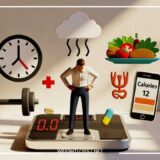
Slimming Up: Proven Strategies to Reach Your Fitness Goals


Slimming Up the Smart Way – Your Guide to a Healthier You
The phrase “slimming up” often conjures images of rapid, restrictive dieting and an obsession with a number on a scale. But the truth is, the most successful and sustainable kind of slimming isn’t about quick fixes; it’s about a comprehensive transformation into a healthier, fitter, and more energetic you. It’s not just about subtracting weight; it’s about adding years, vitality, and strength.
In the modern world, where quick gratification is the norm, it’s easy to be lured by promises of instant results. Yet, these crash-diet approaches are rarely sustainable. They often lead to a frustrating cycle of weight loss followed by regain—the infamous “yo-yo effect.” Our focus here is to move beyond that frustrating cycle. We will explore proven, universally applicable strategies that support long-term health, allowing you to reach your fitness goals in a way that feels natural, supportive, and, most importantly, lasting.
Every person’s body, metabolism, and lifestyle are unique. This means the perfect plan for your neighbor won’t be the perfect plan for you. However, there are fundamental, evidence-based principles of nutrition, movement, sleep, and mindset that apply to everyone seeking better health. This article will serve as your guide to understanding and implementing these core strategies. We will approach this journey with a realistic, supportive, and inclusive mindset, recognizing that progress, not perfection, is the key to achieving your personal best. Let’s redefine slimming up as an empowering journey toward holistic well-being.
Mindset Matters: The Psychology Behind Slimming Up
Before you lace up your running shoes or plan your next meal, you must first check in with your most powerful tool: your mindset. Your thoughts, beliefs, and attitudes are not just sidelines in your fitness journey; they are the main drivers of your habits and, ultimately, your outcomes. A positive, resilient mindset is what allows you to push through plateaus, recover from setbacks, and stay consistent when motivation inevitably dips.
One of the most critical steps is shifting from vague desires to setting realistic, achievable goals. Instead of saying, “I want to lose weight,” try a S.M.A.R.T. goal: Specific, Measurable, Achievable, Relevant, and Time-bound. For example: “I will walk for 30 minutes, four times a week, for the next month.” This type of goal provides a clear target and a sense of accomplishment when met. The act of successfully achieving smaller goals builds self-efficacy, the belief in your ability to succeed, which is vital for tackling larger challenges.
Maintaining motivation is an ongoing task, not a one-time event. You can bolster your drive by focusing on non-scale victories. While the scale measures gravity, it doesn’t measure your fitness gains, improved sleep, better mood, or increased energy. These are the real rewards that sustain long-term change. Start tracking these successes: Do your clothes fit better? Did you climb the stairs without getting winded? Are you sleeping sounder? Celebrate these small wins. Acknowledging your progress reinforces the positive behavior and makes the journey feel less like a sacrifice and more like a continuous series of accomplishments.
Crucially, you must learn to avoid perfectionism. The “all-or-nothing” trap is one of the biggest derailers of health goals. Missing a workout or eating a meal that wasn’t ideal doesn’t make you a failure, and it certainly doesn’t mean you should give up entirely. Instead of letting one slip-up turn into a week-long hiatus, practice the “next meal, next moment” rule. Acknowledge the slip, learn from it without judgment, and immediately get back on track. Consistency—showing up most of the time—will always outshine sporadic perfection. Embrace the philosophy that every day offers a new chance to make healthier choices.
Creating a Calorie-Conscious Routine (Without Obsession)
At the heart of slimming up is the principle of energy balance: the relationship between the calories you take in and the calories your body expends. To achieve a goal of slimming down, you must consistently consume slightly fewer calories than your body uses over time. This is known as being in a calorie deficit.
It’s important to approach this concept with consciousness, not obsession. You don’t need to meticulously count every single calorie for the rest of your life. The goal is to develop an intuitive understanding of portions and nutrient density. A slight, sustainable calorie deficit—often just 250-500 calories less per day than your body needs to maintain its current weight—is the safest and most effective way to encourage the body to use stored energy (fat) for fuel.
One of the easiest ways to become calorie-conscious without the burden of tracking is by mastering smart portion control. Your hands are a surprisingly effective, always-available measurement tool:
- Protein sources (e.g., beans, lentils, nuts, seeds, cottage cheese, tofu, yogurt): Aim for a serving size about the size of your palm.
- Complex carbohydrates (e.g., whole grains, starchy vegetables): Aim for a serving size about the size of a cupped hand.
- Vegetables and fruits: Aim for two handfuls per serving—the more, the better!
- Healthy fats (e.g., oils, avocados, nuts, seeds): Aim for a serving size about the size of your thumb.
Focusing on balanced meals is key to feeling full and satisfied on fewer calories. Every meal should be built around a few core components. Firstly, adequate protein intake is vital, as it’s the most satiating macronutrient and helps preserve muscle mass while slimming up. Secondly, choose fiber-rich foods—especially non-starchy vegetables, legumes, and whole grains. Fiber adds bulk to your meals, slowing digestion and keeping you full for longer. Thirdly, include healthy sources of fats, which are essential for hormone health and absorbing fat-soluble vitamins. The combination of protein, fiber, and healthy fats provides steady energy and prevents the sharp energy spikes and crashes that lead to overeating.
Remember, the goal is not to starve but to nourish your body efficiently. Avoid extreme restrictions, which are often metabolically counterproductive and psychologically draining. Instead, focus on maximizing the nutritional value of every calorie you consume by choosing whole, minimally processed foods most of the time. This strategic approach ensures you’re getting the vitamins and minerals your body needs while naturally reducing your overall caloric intake.
Movement that Works: Exercise Strategies for All Levels
While nutrition is often said to be 80% of slimming up, physical activity is the essential complement that ensures long-term fitness, strength, and metabolic health. Movement plays a crucial role not only by increasing the “calories out” side of the energy balance equation but also by building lean muscle, improving cardiovascular health, enhancing mood, and optimizing hormone regulation.
For a comprehensive and sustainable fitness strategy, aim for a mix of three core types of exercise: cardio, strength training, and flexibility.
- Cardiovascular Exercise (Cardio): This involves any activity that gets your heart rate up—walking, jogging, cycling, swimming, or dancing. Cardio is excellent for burning calories, improving heart and lung health, and boosting mood. Even a simple brisk walk is incredibly effective.
- Strength Training: This is arguably the most critical component for slimming up. Building lean muscle mass increases your basal metabolic rate (BMR), meaning your body burns more calories even at rest. Don’t worry about bulking up; focus on functional strength. This includes working with weights, resistance bands, or, simply, your own body weight.
- Flexibility and Balance: Activities like yoga, Pilates, and stretching improve your range of motion, reduce the risk of injury, and help with posture. They also offer a fantastic opportunity for stress reduction.
The secret to building a sustainable routine is to make it manageable and enjoyable. You don’t need to train for a marathon to start seeing results. Aiming for 30 minutes of moderate activity most days of the week is a powerful starting point. This duration is achievable, less intimidating, and easily fits into a busy schedule.
Many effective exercises don’t require a gym membership or expensive equipment. Bodyweight routines—squats, lunges, push-ups (even against a wall), and planks—are superb for building functional strength anywhere. Walking is an underrated powerhouse; use your commute, take the stairs instead of the elevator, or park further away from your destination. Dancing to your favorite music at home is a fun, high-energy way to get cardio in. For beginners or those with mobility challenges, focus on simple chair exercises, water-based movements, or gentle stretching. The key is to find movement you genuinely look forward to and can maintain indefinitely. The best workout is the one you actually do.
The Power of Daily Habits: Small Changes, Big Impact
Willpower is a finite resource. It can get you through a tough moment, but it’s too unreliable to sustain a massive life change over years. This is why habits are the true drivers of long-term slimming success. Habits are automated behaviors that require little to no conscious effort, freeing up your willpower for more important decisions.
Focusing on small, manageable changes that become ingrained routines is far more effective than trying to overhaul your entire life at once. This aligns with the 1% rule: the idea that improving slightly every day—just 1% better—leads to massive, almost unimaginable changes over the course of a year. You don’t need a single breakthrough moment; you need thousands of tiny, consistent efforts.
Here are examples of impactful daily habits:
- Hydrate Consistently: Make a habit of starting your day with a large glass of water. Often, thirst is mistaken for hunger, leading to unnecessary snacking. Consistent hydration also aids digestion and energy levels.
- Walk After Meals: Instead of immediately sitting down, take a 10-15 minute gentle walk after your main meals. This simple act aids digestion and helps regulate blood sugar.
- Reduce Sugary Drinks: Make a habit of choosing water, sparkling water, or unsweetened tea/coffee instead of high-calorie sodas, juices, or specialty coffee drinks. The calories saved from this single habit can be substantial over time.
- Prioritize Sleep Preparation: Establish a consistent bedtime routine—dimming the lights, putting away screens, and reading a book—to signal to your body that it’s time to rest.
A powerful tool for integrating new behaviors is habit-stacking. This involves pairing a new habit you want to start with an existing routine you already do automatically. The formula is: “After [CURRENT HABIT], I will [NEW HABIT].” For example:
- “After I brush my teeth in the morning, I will do 10 squats.”
- “After I finish my lunchtime meal, I will drink a glass of water.”
- “After I unlock my front door, I will immediately change into my walking clothes.”
By anchoring new behaviors to existing ones, you bypass the need for motivation. You simply perform the new action because the cue (the current habit) triggers it automatically. Building a strong foundation of positive daily habits is how you ensure that slimming up isn’t a temporary diet but a permanent, healthy lifestyle.
Sleep, Stress, and Hormones: The Hidden Influencers
Many people focus solely on food and exercise, overlooking the critical, interconnected roles of sleep, stress, and hormones in regulating body weight and fitness. These three factors are often the hidden reason why slimming efforts stall, even when diet and movement seem to be in check.
The Sleep-Weight Connection
Sleep is not a luxury; it is a metabolic necessity. Chronic lack of sleep profoundly impacts the hormones that control hunger and satiety:
- Ghrelin: The “hunger hormone,” which stimulates appetite. When you’re sleep-deprived, ghrelin levels increase.
- Leptin: The “satiety hormone,” which signals to your brain that you are full. When you’re sleep-deprived, leptin levels decrease.
This hormonal imbalance creates a biological pressure to eat more, particularly craving energy-dense, calorie-rich foods. Aiming for 7-9 hours of quality sleep each night is as important for slimming up as going for a run or choosing a nutritious meal. Prioritize a consistent sleep schedule, ensure your room is dark and cool, and establish a relaxing wind-down routine to improve your sleep quality.
Stress and the Weight Battle
In today’s fast-paced world, chronic stress is epidemic, and it directly hinders your slimming efforts. When you are stressed, your body releases a hormone called cortisol. While a short-term burst of cortisol is helpful, chronically elevated levels can lead to several problems:
- Fat Storage: High cortisol is often linked to the storage of abdominal fat (visceral fat), which is metabolically detrimental.
- Increased Appetite: Cortisol can increase cravings, leading to emotional eating—using food to soothe negative feelings rather than to satisfy true hunger.
Addressing stress is a non-negotiable part of a successful slimming strategy. This doesn’t mean eliminating stress entirely (which is impossible), but improving your body’s ability to cope with it. Implement practical stress-reduction strategies into your daily life:
- Mindful Movement: Simple breathing exercises (like box breathing) or short meditation sessions can activate the body’s rest-and-digest nervous system.
- Nature Walks: Spending time outdoors, even just 15 minutes in a park, has been shown to lower cortisol levels.
- Journaling: Writing down your thoughts and feelings can help process stress rather than internalizing it.
Finally, remember the importance of recovery and rest days in your fitness routine. Muscles grow and strengthen during rest, not during the workout. Pushing yourself relentlessly without adequate rest only increases cortisol and the risk of injury, setting back your progress. Treat rest as a productive part of your training plan.
Tracking Progress Without the Scale
For many people, the bathroom scale is a source of anxiety and frustration. While it measures your total mass, it provides an incomplete, and often misleading, picture of your body composition and fitness progress. Focusing too heavily on the scale can lead to demotivation because it doesn’t account for changes that matter most—like muscle gain, which is denser than fat. This is why learning to track your progress using alternative metrics is essential for maintaining a positive mindset and seeing the real results of your hard work.
Why the Scale Doesn’t Tell the Full Story
The number on the scale fluctuates daily based on many factors unrelated to actual fat loss, including:
- Water Retention: Changes in hydration, salt, and carbohydrate intake can cause the scale to jump by several pounds overnight.
- Muscle Mass: As you incorporate strength training, you may gain muscle while losing fat, leading to a static or even rising number on the scale, despite a significant improvement in your body’s shape and health.
- Hormonal Cycles: For women, natural hormonal fluctuations can cause noticeable weight changes.
Alternative Metrics for True Progress
Shift your focus to tracking indicators of overall wellness and body composition change:
- Body Measurements: Use a tailor’s tape measure to track your circumference around key areas (waist, hips, chest, arms). Losing inches is a much clearer sign of fat loss than a change in weight, as the tape measure is not fooled by muscle gain. Measure yourself every 2–4 weeks.
- Progress Photos: Take pictures (front, side, and back) every month under consistent lighting. The visual evidence of slimming and toning can be a powerful motivator that the scale simply cannot provide.
- The Clothing Fit Test: How do your favorite clothes feel? If a belt notch has tightened or your trousers feel looser, that’s undeniable proof of progress.
- Performance and Energy Levels: This is the ultimate metric for a fitter you. Track your non-scale victories: How long can you walk without feeling tired? How many repetitions can you do? Are you sleeping better? Do you have more energy in the afternoon? These gains are the true foundation of sustainable health.
- Mental and Emotional Well-being: Note improvements in your mood, mental clarity, and stress management.
By focusing on these alternative metrics, you move away from the obsession with a single, uninformative number and empower yourself to focus on the overall, holistic positive changes that truly define success.
Common Pitfalls to Avoid
The path to slimming up is littered with well-intentioned mistakes that often sabotage progress. Understanding and actively avoiding these common pitfalls will save you time, frustration, and help keep your journey on track.
The All-or-Nothing Trap
One of the most insidious mindsets is all-or-nothing thinking. This is the belief that if you can’t adhere to your plan 100% perfectly, you might as well abandon it entirely. This manifests as: “I ate a slice of cake, so the whole day is ruined, and I’ll start again next week.” This perfectionistic outlook turns one minor slip into a major derailment. Success lies in recognizing that good is good enough, and the occasional deviation is normal. Simply acknowledge the moment and immediately return to your planned routine at the next available opportunity. Consistency over time is what counts, not flawless execution on any given day.
Comparing Yourself to Others
The rise of social media has made it easy to fall into the trap of comparing your journey to others’ highlight reels. You are seeing only the curated, best moments of another person’s progress, often without knowing their genetics, starting point, or background. Your slimming journey is entirely unique. Obsessing over someone else’s rapid results or visible fitness level steals joy and energy from your own efforts. Focus on your personal best, your measurable progress, and the positive changes in your body and life. Your only competition is the person you were yesterday.
Over-Restricting and Then Bingeing
Extreme diets that involve severe over-restriction are a direct path to failure. When you drastically cut calories or eliminate entire food groups, your body triggers survival mechanisms, increasing hunger hormones and slowing your metabolism. This often leads to intense cravings, a feeling of deprivation, and eventually, bingeing—eating large amounts of food in an uncontrolled way. This cycle damages your relationship with food and is detrimental to sustainable slimming. The solution is to create a moderate, balanced, and slightly restrictive routine that you can comfortably maintain forever, not just for a few weeks. Focus on including nutritious foods, not just eliminating others.
Falling for Fad Diets or Miracle Products
Every year brings a new wave of fad diets or “miracle” supplements promising rapid results with no effort. These are almost universally unsustainable, often unhealthy, and distract from the tried-and-true principles of energy balance, consistent movement, and good sleep. If a plan sounds too good to be true, it is. The proven path involves diligence, patience, and a holistic focus on long-term lifestyle change, not a quick, expensive shortcut. Invest your energy in creating good habits, not in chasing magic bullets.
Final Thoughts: Long-Term Slimming is a Lifestyle
You now possess the foundational knowledge for a truly successful slimming journey. It’s crucial to understand that reaching your fitness goals is not a temporary project with a finish line; it is a fundamental shift toward a healthier, more engaged lifestyle. The goal isn’t to lose 20 pounds; the goal is to become the type of person who consistently prioritizes their health.
Remember the power of consistency over perfection. A good plan followed consistently will always yield better results than a perfect plan followed sporadically. The occasional slip-up is part of being human; your response to it—getting right back on track—is what defines your success. Be patient and kind to yourself throughout this process.
Your journey is entirely unique, influenced by your genetics, circumstances, and preferences. What works for a friend might not work for you, and that’s perfectly fine. Focus your efforts on the strategies that feel sustainable, enjoyable, and empowering for you. Listen to your body, experiment with different forms of movement, and find the whole, nutritious foods that make you feel energized and satisfied.
The most important step you can take is the first one. Don’t wait for the “perfect” Monday, the start of a new month, or until you feel “motivated.” Start now, no matter how small the step. Drink a glass of water, take a ten-minute walk, or choose an earlier bedtime tonight. These micro-decisions add up to macro-results.
Embrace this journey as an investment in your future self—a stronger, healthier, and more vibrant you. The power to transform your health is already within you. Go ahead, and take that first empowered step!